
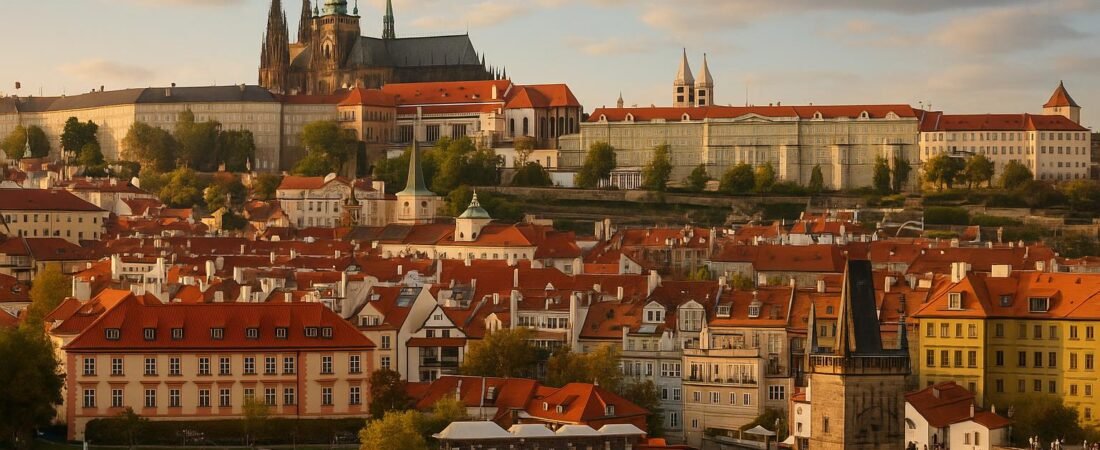
Prague is a city that feels simultaneously theatrical and intimate. Gothic spires pierce the skyline, Baroque palaces line the river, and cobbled lanes twist through atmospheric neighborhoods. Yet behind the postcard-perfect façades lies a dynamic capital with inventive cuisine, contemporary art, and a cultural scene that runs late into the night. This guide explores when to visit, what to see, where to stay, and how to experience Prague’s food culture in a way that goes beyond the clichés.
Best Time to Visit Prague
Seasonal Highlights
Prague is a genuine year-round destination, but each season offers a distinctly different character. Choosing the right moment depends on whether you prefer lively streets and open-air concerts or hushed courtyards dusted with snow.
Spring (March–May) is one of the most rewarding times to visit. As temperatures climb from brisk to pleasantly mild, the city shakes off winter and locals reclaim the parks, riverbanks, and beer gardens. Blossoms brighten Petřín Hill and the gardens beneath Prague Castle, while crowds are still manageable outside holiday weekends. Layers are essential—mornings can be chilly, but afternoons often feel almost summery by May.
Summer (June–August) brings long daylight hours and the richest cultural calendar. Outdoor cinemas, street performances, and river cruises operate at full capacity. However, this is also peak tourist season: the Charles Bridge and Old Town Square can be extremely crowded from late morning onward, and accommodation prices rise accordingly. Early starts and late-evening explorations help you experience the historic center without the midday crush.
Autumn (September–November) might be the most atmospheric period to explore Prague. September and early October combine mild weather with softer light and golden foliage along the Vltava River. This shoulder season is ideal for photography, wine tastings, and leisurely museum visits without long queues. By November, the air turns crisp and the city grows quieter, setting the stage for the winter festivities.
Winter (December–February) transforms Prague into a storybook city. Snow is never guaranteed, but frosty mornings, mist over the river, and twinkling lights on historic squares are nearly assured. The Christmas markets in December draw many visitors, yet January and February are considerably calmer, with lower hotel rates and a contemplative mood. Short days and sub-zero temperatures are compensated by cozy cafés, hearty Czech dishes, and uncrowded galleries.
Events and Festivals
Beyond its architecture, Prague’s calendar is packed with events that showcase its musical legacy, culinary traditions, and contemporary creativity. Planning your trip around one of these festivals can add a compelling dimension to your stay.
- Prague Spring International Music Festival (May–June) – One of Europe’s iconic classical music events, this festival presents acclaimed orchestras, chamber ensembles, and soloists from around the world. Performances are staged in prestigious venues such as the Municipal House and the Rudolfinum, emphasizing the city’s deep musical heritage.
- United Islands of Prague (June) – A free multi-genre music festival scattered over the river islands and embankments. Local and international acts perform on outdoor stages, turning Prague’s waterfront into a relaxed, festival-friendly zone.
- Signal Festival (October) – A highlight for fans of digital art and design. Installations and video-mapping displays illuminate historic façades and public spaces, offering a striking contrast between medieval architecture and cutting-edge technology.
- Prague Wine and Food Festivals (various dates) – Events such as Prague Food Festival and wine-focused celebrations showcase regional producers, from Moravian wineries to artisan cheesemakers. They are excellent opportunities to sample beyond restaurant menus.
- Christmas Markets (late November–December) – Old Town Square and Wenceslas Square host atmospheric markets with traditional crafts, mulled wine, and seasonal sweets. While popular, they retain a sense of local tradition, especially on weekdays or in the early evening.
Top Attractions in Prague
Historical Landmarks
Prague’s historic center, a UNESCO World Heritage Site, condenses centuries of architectural styles into a compact area that remains remarkably intact. Some landmarks are justly famous, while others repay slower, more attentive exploration.
Prague Castle dominates the skyline and is more a sprawling complex than a single structure. Within its walls you will find St. Vitus Cathedral, the Old Royal Palace, the Romanesque Basilica of St. George, and the charming Golden Lane. Arrive early to avoid the heaviest crowds, and allow enough time to wander through lesser-visited courtyards and gardens with panoramic views over the city.
Charles Bridge, lined with statues and flanked by imposing bridge towers, is one of Europe’s most recognizable river crossings. Its beauty is best appreciated at dawn or late at night when street performers and souvenir stalls are absent and the focus returns to the Gothic architecture and reflections on the Vltava.
Old Town Square (Staroměstské náměstí) is the heart of Prague’s historic quarter. Here, you can admire the Old Town Hall with its Astronomical Clock, the twin towers of the Church of Our Lady before Týn, and a ring of colorful townhouses. The hourly “walk of the apostles” on the Astronomical Clock draws crowds, but take time to step back and explore nearby side streets, which quickly become quieter.
Jewish Quarter (Josefov) offers a poignant narrative of resilience and remembrance. The Old Jewish Cemetery, the Pinkas Synagogue with its memorial to Holocaust victims, and the Spanish Synagogue with its Moorish interior collectively tell the story of Prague’s Jewish community over several centuries. Guided tours help contextualize these sites beyond their visual impact.
Lesser Town (Malá Strana), at the foot of the castle, is a maze of Baroque palaces, church domes, and tucked-away gardens. Highlights include St. Nicholas Church and the Wallenstein Garden, but much of its charm lies in simply wandering between picturesque squares and up quiet stairways, far from the busiest arteries.
Must-See Museums
While Prague’s streets are an open-air museum in their own right, its formal institutions offer deeper insight into Czech history, design, and political transformations.
The National Museum, recently restored and expanded, anchors the upper end of Wenceslas Square. Its exhibitions span natural history, archaeology, and the development of the Czech lands. Even if you are not a devoted museum-goer, the building’s interiors and changing thematic exhibits merit a visit.
The National Gallery Prague houses extensive collections of Czech and international art. Different branches focus on medieval altarpieces, 19th‑century painting, and modern and contemporary works. Art enthusiasts should allow several hours to appreciate the breadth of the collections.
The Museum of Communism provides a compact but impactful overview of life in Czechoslovakia under communist rule. Exhibits blend propaganda materials, personal testimonies, and reconstructed environments to illustrate how ideology permeated public and private life until the Velvet Revolution of 1989.
The Kampa Museum, located on a river island, focuses on modern Central European art, particularly Czech and Slovak artists marginalized under socialism. The riverside setting and the museum’s sculpture park, including iconic installations, make it as appealing for its ambiance as for its collections.
For a more specialized experience, the Mucha Museum celebrates Alphonse Mucha, a leading figure of Art Nouveau. Posters, decorative panels, and personal artifacts reveal how his elegant, sinuous style became synonymous with fin‑de‑siècle Prague and Paris.
Where to Stay in Prague
Best Neighborhoods for Tourists
Choosing the right district can significantly shape your experience. Prague’s public transport is efficient, but staying in a neighborhood that matches your interests will let you spend more time exploring and less time commuting.
Old Town (Staré Město) is the obvious choice for first-time visitors who want to be surrounded by historic architecture. You can walk to flagship attractions within minutes and feel the city’s pulse at all hours. The trade-off is higher prices and a pronounced tourist presence, especially around major squares.
Lesser Town (Malá Strana) suits travelers seeking romance and tranquility without sacrificing proximity. Its baroque streets are quieter at night, and staying here offers quick access to Prague Castle, Charles Bridge, and riverside walks. Boutique hotels often occupy historic buildings with period details.
New Town (Nové Město) spreads around Wenceslas Square and the National Theatre. It blends grand 19th‑century avenues with more contemporary architecture and a strong dining and nightlife scene. This area is ideal if you want central convenience but prefer a slightly more local atmosphere than the old core.
Vinohrady appeals to repeat visitors and those who prioritize café culture over constant sightseeing. This residential district is known for leafy streets, art nouveau façades, wine bars, and independent eateries. It is well connected by tram and metro, and evenings feel more neighborhood-oriented than touristy.
Holešovice and Karlin exemplify Prague’s creative side. Former industrial zones have evolved into hubs for design studios, galleries, craft breweries, and innovative restaurants. Staying here provides a contemporary counterpoint to the historic center while remaining only a few tram stops away from the main sights.
Recommended Hotels and Hostels
Prague’s accommodation landscape ranges from palatial riverfront hotels to design-forward hostels. Booking in advance, particularly in spring and summer, secures better rates and room selection.
- Luxury and Boutique Hotels
- Four Seasons Hotel Prague – Overlooking the Charles Bridge and Prague Castle, this property blends classical and modern interiors with impeccable service. Ideal for travelers seeking comfort, river views, and easy access to the Old Town and Lesser Town.
- Aria Hotel Prague – A music-themed boutique hotel in Malá Strana, offering individually styled rooms, a refined restaurant, and a rooftop terrace with panoramic views. Its location near the Charles Bridge is central yet peaceful.
- Augustine, a Luxury Collection Hotel – Housed in a former monastery, this hotel combines monastic architecture with contemporary design. Guests appreciate the serene courtyard, spa, and proximity to both the castle and the river.
- Mid-Range Hotels
- NYX Hotel Prague – A stylish option near Wenceslas Square with bold interiors and an artistic sensibility. Well suited to travelers who want a central base at a moderate price point.
- Hotel Josef – A sleek, design-led hotel in the Old Town, known for its generous breakfasts and thoughtful amenities. Its minimalist rooms provide a contemporary contrast to the surrounding historic streets.
- Mama Shelter Prague – Located in Holešovice, this playful property offers comfortable rooms, social public spaces, and good public transport connections to the center.
- Budget Hotels and Hostels
- Miss Sophie’s – Operating both hotel and hostel-style rooms, Miss Sophie’s has branches in New Town and Vinohrady. Stylish interiors, friendly staff, and a convivial atmosphere make it popular with younger travelers.
- Czech Inn – A well-regarded hostel in Vinohrady with dorms and private rooms, a bar, and frequent social events. It offers excellent value for money without compromising cleanliness or design.
- Sophie’s Hostel – Close to the city center yet slightly removed from the main tourist routes, this polished hostel is praised for its comfortable beds, modern bathrooms, and welcoming common areas.
Food and Dining in Prague
Traditional Czech Cuisine
Czech cuisine is rooted in hearty, comforting dishes designed for long winters and communal gatherings. While Prague’s culinary scene now spans every trend from plant-based bistros to tasting menus, sampling traditional fare remains essential.
Vepřo knedlo zelo (roast pork with dumplings and braised cabbage) is a national classic, combining tender meat, rich gravy, and pillowy bread dumplings. Svíčková na smetaně, marinated beef sirloin served in a creamy vegetable sauce with cranberry and whipped cream, is another beloved staple, often reserved for Sunday lunches and celebrations.
Other traditional dishes include guláš, a thick beef goulash usually accompanied by dumplings; česnečka, a robust garlic soup that is a favored remedy after a late night; and řízek, the Czech take on schnitzel, typically made from pork or chicken. In colder months, stews and slow-cooked meats become especially satisfying.
Desserts reflect the region’s Central European heritage. Ovocné knedlíky (fruit dumplings) filled with seasonal fruit and topped with butter and sugar, flaky koláče pastries with sweet cheese or poppy seed fillings, and chimney-shaped trdelník—now ubiquitous around tourist areas—are all part of the sweet landscape, though the latter is more of a modern street treat than an everyday local dessert.
Beer, or pivo, occupies a central place in Czech culture. Traditional beer halls serve pale lagers and darker brews alongside simple, satisfying dishes. Beyond big-name brands, a rising craft beer movement offers tasting rooms and microbreweries where you can sample experimental styles and meet passionate brewers.
Popular Restaurants and Cafés
Prague’s dining scene combines historic beer halls, refined modern restaurants, and a thriving café culture influenced by its Austro-Hungarian past and contemporary global trends. Advance reservations are advisable at sought-after venues, especially on weekends.
- Lokál – A group of beer halls with several branches around the city, Lokál is known for its impeccably poured pilsner and faithful renditions of classic Czech recipes. Interiors are simple and lively, service is brisk, and the atmosphere feels authentically local despite its popularity with visitors.
- Eska – Located in Karlin, Eska pairs traditional ingredients with modern techniques in an industrial-chic space. Expect inventive dishes, excellent sourdough bread baked on-site, and a focus on seasonal produce. It is a good example of Prague’s new-wave Czech cuisine.
- Mlejnice – Tucked away in the Old Town, Mlejnice serves generous portions of Czech comfort food in a rustic, brick-lined setting. It is particularly well suited to those who want to sample goulash, roasted meats, and hearty soups near the historic core.
- Field Restaurant – A Michelin-starred establishment in the Old Town that highlights local, seasonal ingredients in artfully composed dishes. The atmosphere is refined yet not overly formal, making it an appealing choice for a special evening.
- Café Louvre – A grand café dating back to the early 20th century, once frequented by intellectuals such as Franz Kafka. Its high ceilings, billiard tables, and classic menu—featuring pastries, hearty breakfasts, and traditional dishes—evoke a bygone era.
- Café Savoy – On the Lesser Town side of the river, this elegant café-restaurant is renowned for its elaborate breakfasts, patisserie counter, and richly decorated interior. It is a refined stop after a morning walk along the river or over the Charles Bridge.
- EMA Espresso Bar – A contemporary café near Florenc, revered for its specialty coffee and minimalist design. Baristas take their craft seriously, and the crowd includes both locals and visitors who appreciate high-quality beans and precise brewing.
Vegetarian and vegan travelers will find increasingly abundant options. Many modern bistros in Karlin, Vinohrady, and the city center focus on plant-forward menus, while even traditional restaurants often include at least a few meat-free dishes or are willing to adapt sides and salads.
Conclusion
Prague rewards both first-time visitors and those who return repeatedly, each time discovering a different facet of the city. Its historical core offers richly layered architecture and evocative landmarks, while outlying districts reveal a confident, creative metropolis that continues to evolve. By choosing your travel season thoughtfully, basing yourself in a neighborhood aligned with your interests, and engaging with both traditional and contemporary aspects of Czech culture, you can experience a version of Prague that feels personal rather than merely picturesque.
Whether you are drawn by opera in gilded halls, leisurely walks along the Vltava, or evenings in a neighborhood wine bar, Prague’s blend of beauty and depth ensures it lingers in memory long after your journey ends.