
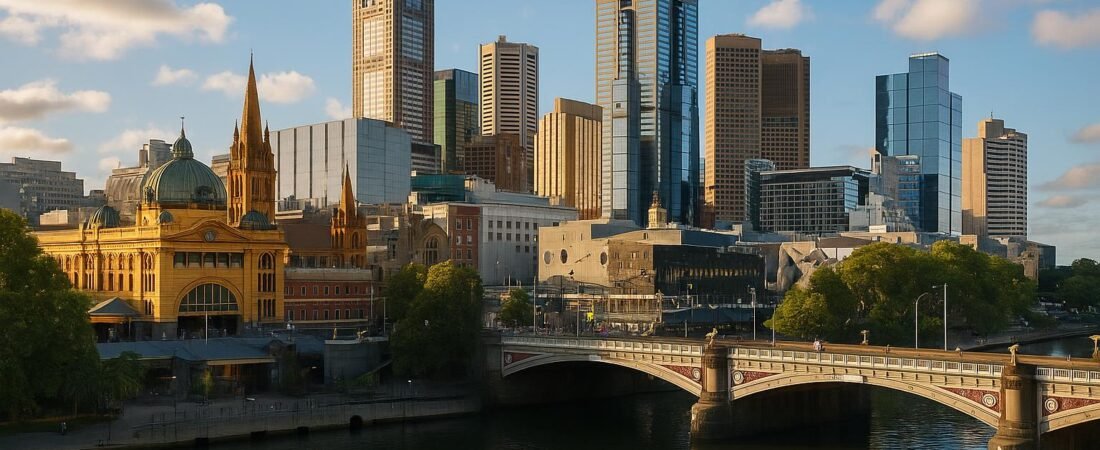
Melbourne rewards curiosity. This cosmopolitan Australian city blends Victorian architecture with cutting-edge design, hidden laneways with rooftop bars, and refined galleries with street art. It is a place best explored slowly: by tram, on foot, and through long conversations over coffee. This guide distills the city’s essentials—when to go, what to see, where to stay, and how to eat exceptionally well—so you can plan a trip that feels both efficient and immersive.
Best Time to Visit Melbourne
Weather Overview
Melbourne’s climate is famously capricious. Locals joke about “four seasons in one day,” and there is truth behind the saying. The city sits in a temperate zone, with distinct seasons but frequent shifts in temperature and wind.
- Summer (December–February): Warm to hot, with average highs around 25–27°C, but occasional heatwaves pushing above 35°C. Evenings are generally pleasant, and sea breezes from Port Phillip Bay can provide relief. Summer suits beach outings, rooftop venues, and open-air events, but you should plan for sun protection and keep an eye on high-heat days.
- Autumn (March–May): Many consider this the ideal time to visit. Days are mild and stable, usually between 18–24°C, with cool nights. Parks such as the Royal Botanic Gardens and Fitzroy Gardens turn golden and russet, and the light is soft—excellent for photography and walking tours.
- Winter (June–August): Cool and often damp, but not harsh. Daytime temperatures hover around 12–15°C, with colder evenings and the occasional frosty morning. Rain is common, yet usually intermittent rather than torrential. Winter suits cultural travel: galleries, theatre, live music, and Melbourne’s coffee and dining scene.
- Spring (September–November): Unpredictable but generally warming. Temperatures range from 15–22°C, and you may encounter both crisp, clear days and sudden showers. Gardens burst into bloom, and outdoor events resume in earnest.
For a first visit, late autumn and spring often strike the best balance: fewer extremes, slimmer crowds than peak summer, and comfortable conditions for urban exploration.
Seasonal Events and Festivals
Melbourne’s cultural calendar is dense. Timing your trip around a major event can transform the experience, but it may also affect accommodation prices and availability.
- Summer Highlights:
- Australian Open (January): One of tennis’s Grand Slams, the Australian Open brings an electric atmosphere to the city. Even non-tennis fans can enjoy live sites, outdoor screenings, and pop-up activations around Melbourne Park.
- St Kilda Festival (February): A free music and arts festival along St Kilda’s foreshore. Expect live bands, food trucks, and a lively beachside crowd.
- White Night / Rising (dates vary): Large-scale arts events that light up the city with installations, performances, and late-night openings (formats and names have evolved, so check current details).
- Autumn Highlights:
- Melbourne Food & Wine Festival (March): A magnet for culinary travellers. The program can include riverbank banquets, regional wine tastings, masterclasses, and collaborations between local and international chefs.
- Melbourne International Comedy Festival (March–April): One of the world’s largest comedy festivals, taking over theatres, bars, and pop-up venues across the CBD and inner suburbs.
- Formula 1 Australian Grand Prix (March or April): Hosted at Albert Park, this draws racing enthusiasts and creates a festive city-wide buzz.
- Winter Highlights:
- RISING (usually winter dates): A major arts festival featuring performance, installations, and nocturnal events that reinterpret Melbourne’s streetscapes and public spaces.
- Winter Night Markets at Queen Victoria Market: Weekly markets with mulled wine, street food, and live music under twinkling lights—perfect on a cool evening.
- Film and performance seasons: Winter is prime time for the Melbourne Theatre Company, Melbourne Symphony Orchestra, and various film festivals.
- Spring Highlights:
- Melbourne International Arts Festival (now part of RISING’s broader program): Historically a showcase for cutting-edge performance, theatre, and visual arts.
- Melbourne Fringe Festival (September–October): Experimental, independent, and often delightfully unconventional—great for discovering emerging artists.
- Melbourne Cup Carnival (late October–early November): Horse racing and high fashion culminate in the Melbourne Cup, a public holiday in Victoria. Expect busy public transport and a celebratory atmosphere.
If you value quieter streets and lower hotel rates, avoid major event weeks—or book well ahead and embrace the energy.
Top Attractions in Melbourne
Must-See Landmarks
Melbourne’s most recognisable sites span historic elegance and modern urban theatre. These landmarks offer a useful framework for a first-time itinerary.
- Federation Square: The city’s contemporary cultural hub, opposite Flinders Street Station. Its angular architecture houses institutions such as the Ian Potter Centre: NGV Australia and the Australian Centre for the Moving Image (ACMI). The plaza often features public art, screenings, and community events.
- Flinders Street Station: This iconic, domed railway station is one of Melbourne’s most photographed buildings. Step inside at peak hour for a glimpse of daily life, or use it as a navigational anchor when exploring the CBD and nearby laneways.
- Royal Botanic Gardens: A short walk or tram ride from the city centre, these meticulously curated gardens slope gently down to the Yarra River. Wander themed sections, enjoy lake views, or join an Aboriginal Heritage Walk to gain insight into traditional land use and stories.
- National Gallery of Victoria (NGV): Split between NGV International on St Kilda Road and NGV Australia at Federation Square, this is Australia’s oldest and arguably most prestigious public art museum. Expect everything from European masters to ambitious contemporary installations.
- Queen Victoria Market: A working market since the 19th century, “Vic Market” is ideal for sampling local produce, gourmet delicacies, and casual street food. Beyond food halls, the market hosts artisan stalls, souvenirs, and seasonal night markets.
- Melbourne Cricket Ground (MCG): More than a sports venue, the MCG is a cultural institution. Visit for an Australian Football League (AFL) match, cricket in summer, or take a behind-the-scenes tour combined with the adjoining Australian Sports Museum.
- Southbank and the Yarra River Walk: Stroll along the riverfront promenade, lined with restaurants, bars, and public art. From here, you can board river cruises, appreciate city skyline views, or cross the pedestrian bridges back into the CBD’s laneways.
Hidden Gems and Local Favorites
Some of Melbourne’s most rewarding experiences lie off the main tourist circuit. These places capture the city’s creative spirit and neighbourhood charm.
- Laneways and Street Art: While Hosier Lane is famous, it is often crowded. Venture to AC/DC Lane, Duckboard Place, and Union Lane to see evolving murals and smaller works. Explore Degraves Street and Centre Place for café-lined alleyways with a distinctly European ambience.
- Collingwood and Fitzroy Backstreets: North of the CBD, these suburbs are packed with independent galleries, vintage shops, and atmospheric bars. Wander Gertrude Street and Smith Street, then detour into side streets to find intimate wine bars and design studios.
- Abbotsford Convent: This historic complex, set within verdant grounds by the Yarra, now hosts artist studios, eateries, and a regular makers’ market. Combine a visit with a riverside walk through the adjacent Collingwood Children’s Farm and surrounding parkland.
- Williamstown and the Bay: A short train or ferry ride from the city, Williamstown offers heritage streetscapes, calm bay views, and a relaxed, village-like feel. It is particularly scenic at sunset, with the Melbourne skyline silhouetted across the water.
- Brunswick’s Sydney Road: Less polished than some inner suburbs, but rich in character. Expect Middle Eastern bakeries, live music venues, independent fashion, and an eclectic mix of bars and cafés.
- Rooftop Bars and Hidden Speakeasies: Melbourne’s vertical hospitality scene is extensive. Seek out rooftop venues for skyline vistas, and look for unmarked doors or basement staircases that lead to speakeasy-style cocktail bars, many clustered around the CBD and Chinatown.
To uncover these quieter treasures, build in unstructured time for walking and be willing to follow your curiosity down an intriguing side street.
Where to Stay in Melbourne
Best Neighborhoods for Tourists
Choosing the right base is essential. Melbourne’s inner districts are well-connected by tram and train, but each neighbourhood offers a distinct tone and pace.
- Melbourne CBD: Ideal for first-time visitors wanting maximum convenience. You will be walking distance from key attractions, theatres, major shopping streets, and the free tram zone. The CBD suits travellers who enjoy an urban, energetic environment and late-night dining options.
- Southbank: Just across the Yarra from the CBD, Southbank has a slightly more polished, modern feel. Many rooms offer river or skyline views. It is especially practical for visitors focused on the Arts Precinct, Crown entertainment complex, and easy walking access to both city and parklands.
- Fitzroy and Collingwood: These adjacent inner-north suburbs appeal to creative travellers. Expect street art, independent boutiques, live music venues, and an exceptional range of casual dining. Accommodation leans toward boutique hotels and short-stay apartments rather than large chains.
- St Kilda: Melbourne’s seaside suburb combines a slightly bohemian history with beach culture. Stay here if you value coastal walks, sunsets over the bay, and proximity to Luna Park and the Esplanade. It is easy to reach the CBD via tram, though plan for slightly longer travel times.
- South Yarra and Prahran: Anchored by Chapel Street, this area blends upscale boutiques, bars, and eateries with leafy residential streets and nearby parks. It is a strong choice for travellers who prioritise dining and shopping in a more refined, yet still lively, setting.
- Docklands: A newer waterfront precinct with modern apartment-style hotels, public art, and harbour views. It is quieter outside event times, and the free tram zone connects it to the CBD, making it suitable for families or visitors seeking a contemporary, spacious base.
Top Recommended Hotels and Accommodations
Melbourne’s accommodation inventory spans luxury towers, design-led boutiques, and well-maintained budget options. The following categories will help you align your choice with your travel style and budget.
- Luxury Hotels:
- Southbank and CBD: High-end properties here typically offer river views, polished service, and direct access to the Arts Precinct, casino complex, or main business district. They suit travellers who want on-site facilities such as spas, pools, and fine dining.
- Heritage-Style Stays: Some city hotels occupy grand historic buildings, combining period features with modern comforts. These can be appealing for visitors who appreciate architecture and a sense of place.
- Boutique and Design Hotels:
- Fitzroy, Collingwood, and South Yarra: Expect smaller properties with strong design identities, curated art, and thoughtful amenities. They often sit within walking distance of key dining and nightlife strips, making them ideal for culturally inclined travellers.
- CBD Laneway Hotels: Several compact, design-forward properties in and around Melbourne’s laneways offer a chic base for visitors who intend to spend most of their time exploring the city.
- Mid-Range Options:
- Apartment Hotels: Scattered throughout the CBD, Docklands, and Southbank, serviced apartments provide kitchen facilities and additional space. They are especially useful for families, longer stays, or travellers seeking to self-cater occasionally.
- Reliable Chains: Well-known international and Australian hotel brands maintain consistent standards across the inner city and key suburbs. They offer dependable comfort, loyalty program benefits, and convenient locations near major tram or train lines.
- Budget and Value Stays:
- Hostels and Budget Hotels: Concentrated in the CBD, St Kilda, and some inner-north suburbs. Many provide private rooms alongside dorms, communal kitchens, and social spaces, appealing to solo travellers and backpackers.
- Guesthouses and Short-Stay Rentals: In residential areas such as Carlton, Brunswick, and Northcote, smaller guesthouses and apartments offer a more local atmosphere and potentially better value, especially for couples or small groups.
When choosing, weigh proximity to tram lines, your likely evening activities, and whether you prefer a lively street scene outside your door or a quieter, more residential environment.
Food and Dining in Melbourne
Iconic Melbourne Dishes to Try
Melbourne’s culinary identity is the product of layered migration: Italian espresso culture, Greek tavernas, Vietnamese noodle houses, modern Australian innovation, and more. While the city does not have a single signature dish, certain tastes have become emblematic of the local dining landscape.
- Flat White and Specialty Coffee: Melbourne is synonymous with café culture. Order a flat white—a velvety espresso with micro-foamed milk—or explore single-origin pours, filter brews, and creative coffee flights at specialty roasters across the city.
- Brunch Classics: Weekend brunch borders on ritual. Expect variations on smashed avocado on sourdough, eggs with inventive sides, and dishes showcasing local produce. Many cafés offer creative, plant-forward options alongside more indulgent plates.
- Meat Pie and Sausage Roll: Humble yet beloved, these bakery staples are worth sampling, particularly from artisanal bakeries that use quality ingredients and inventive fillings. They pair well with a tomato relish or classic sauce.
- Chicken Parma (“Parmi”): A pub institution: crumbed chicken schnitzel, topped with tomato sauce, ham, and melted cheese, served with chips and salad. Every local has an opinion on where to find the best version.
- Modern Australian Plates: Look for restaurants that highlight native ingredients such as wattleseed, finger lime, lemon myrtle, and kangaroo or wallaby. These dishes provide an introduction to Australian flavours beyond the familiar.
- Multicultural Favourites:
- Italian: Authentic wood-fired pizzas, handmade pasta, and excellent gelato, particularly in Carlton and parts of the CBD.
- Greek: Grill houses and seafood tavernas reflect Melbourne’s large Greek community, with char-grilled octopus, dips, and slow-cooked lamb.
- Asian Influences: From Vietnamese pho in Richmond to dumplings in Chinatown, Japanese izakayas in the CBD, and regional Chinese and Korean restaurants in the inner suburbs.
Best Restaurants and Cafés for Every Budget
Dining well in Melbourne does not require a lavish budget, though the city also excels at high-end gastronomy. Below is a strategic overview rather than an exhaustive list, helping you orient your choices.
- Budget-Friendly:
- Laneway Cafés: Small, personality-filled venues in Degraves Street, Centre Place, and nearby alleys serve reasonably priced breakfast and lunch, along with quality coffee.
- Chinatown and Nearby Streets: Affordable dumpling houses, noodle bars, and casual eateries line Little Bourke Street and its offshoots. They are perfect for quick, flavourful meals after a day of sightseeing.
- Richmond’s Victoria Street: Known for Vietnamese cuisine, this strip offers generous bowls of pho, rice paper rolls, and grilled dishes at modest prices.
- Markets and Food Courts: Queen Victoria Market and various city-centre food halls deliver inexpensive yet satisfying options from many cuisines, ideal for travellers on the move.
- Mid-Range:
- Neighbourhood Bistros: In Fitzroy, Collingwood, Carlton, and South Yarra, you will find countless bistros and wine bars serving seasonal menus at fair prices. These are excellent for relaxed yet refined dinners.
- Gastropubs: Many Melbourne pubs have elevated their kitchens, offering thoughtful versions of classics alongside contemporary dishes. Look for venues with strong local reputations and rotating tap lists.
- Modern Asian and Fusion Spots: Stylish but approachable restaurants in the CBD and inner suburbs interpret regional Asian cuisines through a modern lens. Sharing plates are common, making them good options for groups.
- High-End and Special Occasion:
- Fine Dining in the CBD and Southbank: Several acclaimed restaurants offer tasting menus that showcase local produce, inventive technique, and artful plating. Reservations are often essential, particularly on weekends and during major events.
- Chef-Led Wine Bars: These intimate venues focus on seasonal small plates and carefully curated wine lists. They are ideal for travellers who appreciate nuanced cooking but prefer a more informal atmosphere than traditional fine dining.
- Destination Restaurants in the Inner Suburbs: Some of Melbourne’s most celebrated kitchens are located slightly outside the CBD, rewarding those willing to travel a few tram stops for memorable meals.
Wherever you choose to eat, it is wise to book dinners in advance, especially on Friday and Saturday nights. For brunch, arrive early or be prepared to queue at particularly popular cafés.
Conclusion
Melbourne is a city that reveals itself layer by layer. Its charms lie as much in its celebrated galleries and gardens as in the laneway café you stumble upon by accident, or the neighbourhood wine bar that becomes an instant favourite. By timing your visit thoughtfully, anchoring yourself in a well-chosen area, and sampling both marquee attractions and quieter corners, you can experience a city that is as sophisticated as it is welcoming.
Whether you are drawn by sport, design, gastronomy, or simply the pleasure of wandering a richly textured urban landscape, Melbourne offers depth enough to fill multiple trips—and reasons to start planning your return before you have even left.