
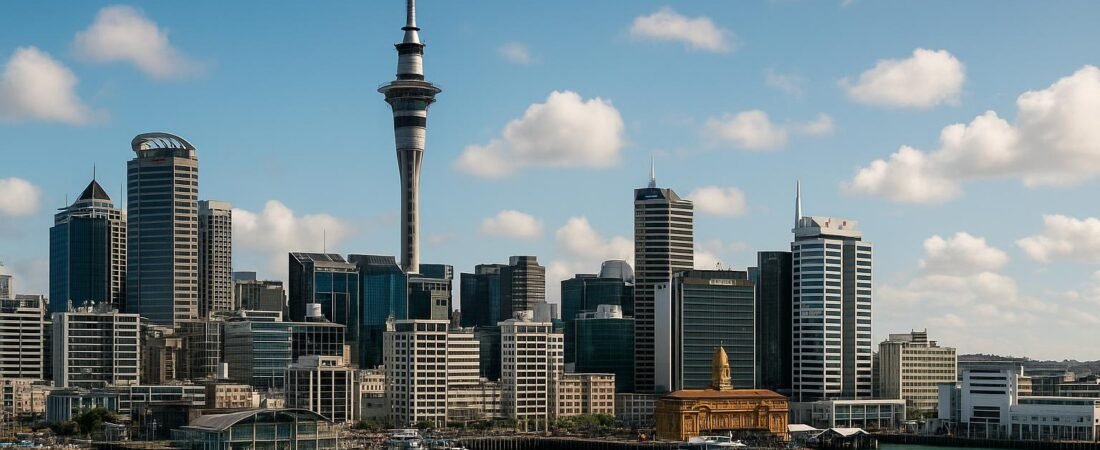
Auckland, New Zealand’s largest and most cosmopolitan city, is a place where polished urban life meets wild Pacific landscapes. Built across volcanic hills and wrapped by two harbours, it offers world-class dining, Māori and Pasifika culture, island wineries, black-sand surf beaches, and a flourishing arts scene—all within easy reach of the compact city centre. This guide covers the best time to visit, what to see and do, where to stay, how to budget, and the essential tips needed to plan a rewarding trip.
Best Time to Visit Auckland
Seasonal Overview
Auckland’s maritime climate makes it a genuine year-round destination, but the character of your trip will change with the seasons.
- Summer (December to February): Peak season, with long daylight hours, warm temperatures, and a vibrant event calendar. Ideal for beaches, coastal hikes, and dining outdoors, but expect higher prices and busier attractions.
- Autumn (March to May): Often considered the sweet spot. The sea remains relatively warm, days are mild, and crowds thin out after late February. Vineyards on Waiheke and in nearby wine regions are particularly appealing at this time.
- Winter (June to August): Cooler and wetter, yet rarely extreme. This is the quietest period for tourism in Auckland; accommodation deals are common and cultural institutions shine. It is also a convenient base for day trips before or after a ski break further south.
- Spring (September to November): Fresh, changeable weather with blossoming parks and fewer visitors than in summer. A good season for urban exploration and coastal walks without the heat.
For most travellers, late summer and early autumn (February to April) provide the most balanced combination of pleasant weather, manageable prices, and comfortable visitor numbers.
Weather Conditions
Auckland has a mild, oceanic climate. Summer temperatures usually sit between 20–26°C (68–79°F), occasionally higher during heatwaves. Winters are cool and damp rather than cold, averaging 8–15°C (46–59°F). Frost and extreme temperatures are rare.
Rain can fall at any time of year, with slightly wetter conditions in winter. Showers are often brief but unpredictable, influenced by the surrounding harbours and rolling hills. Humidity in summer can be noticeable, especially in the inner city and low-lying suburbs.
Wind is another defining feature. Coastal headlands and the harbour can feel breezy even on sunny days, so a light jacket is useful in all seasons. Flexible plans and layered clothing will help you adapt to swiftly changing conditions.
Top Attractions in Auckland
Iconic Landmarks
Auckland’s skyline and cultural sites reveal both its maritime heritage and contemporary character.
- Sky Tower: The city’s most recognisable landmark offers sweeping 360-degree views across the Hauraki Gulf and surrounding volcanoes. Visitors can dine at the rotating restaurant, step onto glass floors, or tackle the SkyJump and SkyWalk for an adrenaline rush.
- Auckland War Memorial Museum: Set in the Auckland Domain, this museum houses one of the country’s finest collections of Māori taonga (treasures) and Pacific artefacts, alongside natural history and military exhibits. Regular cultural performances provide an accessible introduction to Māori traditions.
- Viaduct Harbour and Wynyard Quarter: Once working docks, these waterfront districts are now lined with restaurants, bars, marinas, and public art. They serve as a social hub and excellent starting point for harbour cruises and sailing excursions.
- Auckland Art Gallery Toi o Tāmaki: New Zealand’s leading public art institution, with an impressive mix of historic European works, contemporary local pieces, and a strong Māori and Pacific focus. The architecture alone merits a visit.
- Britomart and Commercial Bay: The rejuvenated downtown area blends heritage buildings with sleek retail and dining precincts, making it ideal for shopping and people-watching.
Nature and Outdoor Activities
Auckland’s greatest strength is its easy access to nature, from volcanic cones to windswept beaches and island sanctuaries.
- Rangitoto Island: A short ferry ride from downtown, this volcanic island features stark lava fields, pohutukawa forests, and a summit track with panoramic harbour views. Allow half a day for walking and exploring.
- Waiheke Island: Known for vineyards, olive groves, and sandy bays, Waiheke offers tasting rooms, coastal walks, and art galleries. It is perfect for a day trip or a longer, relaxing stay.
- Waitākere Ranges and West Coast Beaches: To the west, rugged cliffs and black-sand beaches such as Piha, Karekare, and Muriwai provide a dramatic contrast to the calm inner harbour. Expect strong surf, walking trails, and spectacular lookouts.
- Tūpuna Maunga (Volcanic Cones): Mount Eden (Maungawhau), One Tree Hill (Maungakiekie), and other cones offer short climbs to grassy summits with sweeping views. Many are culturally significant sites, so sticking to marked paths is essential.
- Hauraki Gulf Marine Activities: Dolphin and whale-watching tours, sailing charters, fishing trips, and sea kayaking are readily available. Wildlife cruises often combine conservation insights with sightseeing.
- Urban Parks and Coastal Walkways: The Auckland Domain, Cornwall Park, and the Tamaki Drive coastal path provide accessible green spaces for picnics, cycling, and gentle strolls along the waterfront.
Where to Stay in Auckland
Recommended Neighborhoods
Each part of Auckland offers a different feel and level of convenience, so selecting the right base will shape your experience.
- Auckland CBD and Waterfront: Best for first-timers who want to be close to major sights, ferry terminals, and public transport. High-rise hotels, serviced apartments, and business-friendly properties dominate.
- Viaduct Harbour and Wynyard Quarter: Ideal for travellers drawn to dining, nightlife, and harbour views. Accommodation skews towards upscale hotels and modern apartments.
- Parnell and Newmarket: Leafy, walkable districts with boutiques, galleries, and cafes. Good for those who enjoy a village atmosphere within easy reach of the city centre by bus or train.
- Ponsonby and Grey Lynn: Fashionable areas known for restaurants, bars, and independent shops. They suit visitors who value characterful streets, nightlife, and a local feel.
- Takapuna (North Shore): Across the Harbour Bridge, Takapuna offers a beachside environment with relaxed eateries and views of Rangitoto. It is convenient for travellers who prefer the coast over the inner city.
- Waiheke Island: For a slower-paced stay, Waiheke’s boutique lodges, cottages, and beach houses provide an island escape within commuting distance of downtown via ferry.
Types of Accommodations
Auckland’s lodging options cater to a wide spectrum of travel styles and budgets.
- Hotels: International chains and independent hotels are concentrated in the CBD and waterfront. Choices range from business-class properties to luxury harbourfront stays with spa facilities and high-end dining.
- Serviced Apartments: Popular with families and longer-term visitors, apartments in the city centre and inner suburbs typically include kitchen facilities and laundry, reducing overall costs.
- Boutique Lodges and B&Bs: Found in areas like Ponsonby, Parnell, and Waiheke, these provide more personalised service, distinctive interiors, and often excellent breakfasts.
- Hostels and Budget Hotels: Backpacker hostels and simple hotels are scattered around the CBD, Karangahape Road (K Road), and inner suburbs. They represent the most economical central options.
- Holiday Homes and Short-Term Rentals: Apartments and houses are widely available across the city and islands. They work well for groups, but booking early is wise during school holidays and major events.
- Holiday Parks and Campgrounds: On the fringes of the city and on nearby islands, holiday parks with cabins, tent sites, and campervan facilities appeal to road trippers and outdoor enthusiasts.
Food and Dining in Auckland
Must-Try Local Dishes
Auckland’s cuisine draws on Māori, European, and Pacific influences, with an emphasis on fresh, seasonal ingredients.
- Fresh Seafood: Local favourites include green-lipped mussels, snapper, tarakihi, oysters, and fish and chips eaten by the harbour. Many waterfront venues specialise in seafood platters and grilled catches.
- Hāngi-Inspired Dishes: Traditional Māori hāngi—food slow-cooked in an earth oven—can be experienced through cultural performances or interpreted in modern restaurants with smoked and slow-braised meats and root vegetables.
- New Zealand Lamb and Beef: Often served simply to showcase the quality of the meat, these dishes appear in both fine-dining restaurants and gastro pubs.
- Kiwifruit, Feijoa, and Stone Fruit: Seasonal produce makes its way into desserts, cocktails, and breakfast bowls, especially in summer and early autumn.
- Flat White and Café Culture: Coffee is taken seriously; a well-made flat white or long black in a neighbourhood café is part of daily life in Auckland.
- Pasifika and Asian Street Food: Auckland’s large Pacific and Asian communities contribute richly flavoured Samoan, Tongan, Chinese, Korean, Japanese, Indian, and Southeast Asian dishes to local markets and eateries.
Popular Restaurants and Cafes
The dining scene changes frequently, but several areas consistently deliver memorable experiences.
- Viaduct Harbour and Wynyard Quarter: Excellent for seafood, contemporary New Zealand cuisine, and sunset drinks. Many venues offer outdoor seating overlooking marinas and the harbour.
- Britomart and Commercial Bay: Home to fashionable restaurants, wine bars, and upscale food courts, these compact districts are ideal for an evening of grazing and bar-hopping.
- Ponsonby Road: A lively strip featuring bistros, cocktail bars, and international eateries. It is particularly strong on modern fusion dishes and inventive small plates.
- K Road (Karangahape Road): Known for its creative energy, K Road offers eclectic cafes, late-night spots, and culturally diverse food, from Middle Eastern to East Asian.
- Parnell and Newmarket: These neighbourhoods feature refined cafes and restaurants, stylish patisseries, and wine bars appropriate for quieter evenings.
- Food Markets: Weekend farmers’ markets in suburbs such as Grey Lynn and Orakei sell artisanal bread, cheeses, produce, and ready-to-eat dishes, providing a relaxed and affordable way to sample local flavours.
Budgeting for Auckland
Average Daily Costs
Auckland is not a low-cost destination, but careful planning can keep expenses in check. Prices fluctuate with exchange rates and seasons, yet the following ranges provide a general guide (in New Zealand dollars, excluding flights):
- Budget travellers: NZ$80–150 per day, staying in hostels or basic hotels, using public transport, and eating mainly at markets, bakeries, or casual eateries.
- Mid-range travellers: NZ$180–300 per day, covering comfortable hotels or serviced apartments, standard restaurant meals, occasional tours, and some paid attractions.
- Luxury travellers: NZ$350+ per day, including upscale accommodations, fine dining, premium tours (such as private sailing or wine-tasting experiences), and flexible transport options.
Typical individual costs might include NZ$4–6 for quality coffee, NZ$15–25 for a casual lunch, NZ$30–60 for a mid-range dinner per person (excluding drinks), NZ$3–6 for a bus fare depending on distance, and NZ$40–60 for entrance to major attractions or half-day tours.
Tips for Saving Money
With a few strategies, it is possible to experience Auckland fully without overspending.
- Travel Off-Peak: Visiting outside the December–February window generally yields lower hotel rates and occasional airfare discounts.
- Use Public Transport Passes: An AT HOP card reduces the cost of buses, trains, and ferries compared with cash fares, especially for multiple trips per day.
- Prioritise Free Attractions: Many of Auckland’s finest experiences—volcanic cone walks, beaches, coastal paths, city parks, and some galleries—are completely free.
- Self-Cater When Possible: Supermarkets and farmers’ markets offer excellent produce for picnics or simple meals, particularly if you have access to a kitchen.
- Choose Lunch Over Dinner for Dining Out: Several restaurants offer better-value lunch menus or weekday specials, allowing you to enjoy high-quality cuisine at a reduced price.
- Book in Advance for Tours and Ferries: Early reservations can secure lower prices and ensure availability during busy periods.
Getting Around Auckland
Public Transportation Options
Auckland’s transport network is improving rapidly, and for many visitors it is entirely adequate.
- Buses: The most extensive mode of public transport, connecting the CBD with suburbs, beaches, and shopping areas. Frequent services run along main corridors such as Dominion Road and Tamaki Drive.
- Trains: Suburban rail lines link the city centre with the south, west, and east. While not comprehensive, they are efficient for reaching hubs like Newmarket, Onehunga, and Henderson.
- Ferries: Regular services operate to Devonport, Waiheke Island, Rangitoto Island, and other harbour destinations. Ferries are both practical and scenic, making them integral to many itineraries.
- AT HOP Card: This reusable smart card works across buses, trains, and most ferries, providing discounted fares and convenient transfers. It can be purchased and topped up at stations, ferry terminals, and selected retailers.
- Walking and Cycling: The central area, waterfront, and some inner suburbs are walkable, especially around Britomart, the Viaduct, and Ponsonby. Dedicated cycling routes and e-bike rentals are expanding but still limited in some districts.
Renting a Car vs. Ridesharing
Whether to rent a vehicle or rely on ridesharing and taxis depends on your plans and comfort level with local driving conditions.
- Renting a Car: Useful if you intend to explore the wider Auckland region—such as the Waitākere Ranges, west coast beaches, or regional parks—on your own schedule. Remember that driving is on the left, traffic can be heavy during peak hours, and inner-city parking is relatively expensive.
- Campervans and Motorhomes: Suitable for extended road trips through the North Island, combining accommodation and transport. They are unnecessary if you only plan to stay in central Auckland.
- Ridesharing and Taxis: Services such as Uber and local operators are widely available, particularly around the CBD, airport, and major suburbs. They are convenient for late-night travel, airport transfers, or when public transport schedules are limited.
- Airport Links: The main connection between Auckland Airport and the city is via dedicated bus services, shuttles, and rideshare vehicles. Travel time varies with traffic, so allow extra time during rush hours.
Travel Tips for Auckland
Safety and Health Precautions
Auckland is generally safe and welcoming, yet standard urban awareness remains essential.
- Personal Safety: Petty theft can occur in busy areas and nightlife districts. Keep valuables secure, avoid leaving belongings in parked vehicles, and stay alert, especially after dark.
- Outdoor Safety: Weather can change quickly, particularly on coastal walks and islands. Carry water, sun protection, and an extra layer, and check local forecasts before venturing out.
- Beach and Surf Conditions: West coast beaches can have strong currents and powerful waves. Swim only between the flags at patrolled beaches and heed lifeguard advice.
- Health Services: Pharmacies and medical clinics are widespread across the city. Visitors should have travel insurance; emergency care is high quality but can be costly without coverage.
- Sun Exposure: The UV index is high, especially in summer. Sunscreen, hats, and sunglasses are crucial even on overcast days.
Cultural Etiquette and Local Customs
Understanding local customs will enrich your stay and demonstrate respect for Auckland’s diverse communities.
- Respect for Māori Culture: Many landmarks, place names, and institutions reflect Māori heritage. Learn basic words such as “kia ora” (hello) and recognise that marae (meeting grounds) and some volcanic cones are sacred places where guidelines should be followed carefully.
- Interaction and Communication: New Zealanders, or Kiwis, tend to be friendly yet understated. Politeness, patience, and a straightforward manner are appreciated. Queueing is observed and cutting in line is frowned upon.
- Dress Code: Casual attire is widely accepted, though smart-casual clothing is appropriate for finer restaurants and events. Removing shoes when entering a private home is common courtesy.
- Tipping Practices: Tipping is not compulsory and service charges are not usually added to bills. However, leaving a small tip or rounding up the bill is appreciated for exceptional service in restaurants and bars.
- Environmental Awareness: Aucklanders value their natural surroundings. Recycling, minimising litter, staying on marked trails, and observing local conservation rules are expected behaviours.
Thoughtful preparation, respect for local culture, and a flexible approach to the weather will allow you to experience the full breadth of what Auckland offers. From sailing on its harbours and tasting wines on distant islands to exploring galleries and dining by the waterfront, the city rewards both short stays and extended visits with a rare combination of energy, beauty, and ease.