
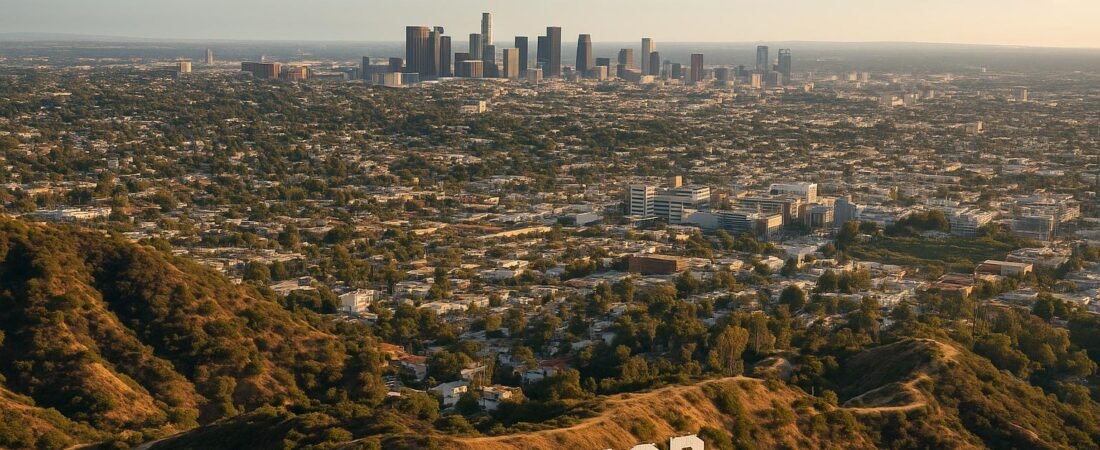
Los Angeles is a city of layered identities: a coastal metropolis, an entertainment capital, a mosaic of neighborhoods, and a gateway to California’s most dramatic landscapes. Beyond the Hollywood clichés, visitors discover a destination rich in culture, architecture, cuisine, and outdoor experiences. This guide outlines the best time to visit, what to see, where to stay, and how to experience Los Angeles through its food and neighborhoods, so you can create a trip that matches your interests and pace.
Best Time to Visit Los Angeles
Seasonal Overview
Los Angeles enjoys a Mediterranean climate with mild winters and warm, dry summers, yet each season offers a distinct atmosphere that can shape your visit.
- Spring (March–May): Spring is one of the most pleasant times to visit Los Angeles. Temperatures usually range from the mid-60s to mid-70s °F (18–24 °C), the air is clear, and coastal fog is less intrusive than in early summer. Wildflowers can bloom in nearby hills and deserts, and major attractions such as Griffith Observatory and the Getty Center feel slightly less crowded than in peak season.
- Summer (June–August): Summer brings longer days, busy beaches, and peak visitor numbers. Expect warm inland temperatures often reaching the 80s and 90s °F (27–35 °C), while coastal areas like Santa Monica and Venice remain cooler, sometimes shrouded in the “June Gloom” marine layer in the mornings. This is prime time for outdoor concerts, rooftop bars, and extended evening activities, but also the most expensive for hotels and flights.
- Autumn (September–November): Early autumn is arguably the best overall time to visit Los Angeles. September and October often deliver summer-like warmth with fewer crowds and lower prices. The ocean remains relatively warm for swimming, sunsets intensify, and the air is typically dry and clear, offering excellent visibility from viewpoints like the Griffith Observatory or the Hollywood Hills. By November, evenings become cooler, but daytime conditions remain pleasant.
- Winter (December–February): Winter is the coolest and wettest period, yet many travelers relish the milder conditions compared to much of North America and Europe. Daytime highs usually hover in the 60s °F (15–20 °C). Occasional rainstorms briefly dampen plans, but the upside is cleaner air, green hillsides, and thinner crowds at marquee attractions. It is also a strategic time for budget-conscious visitors who want to avoid peak-season rates, especially outside the holiday period.
Events and Festivals
Los Angeles hosts a dense calendar of events that can enhance your trip—or affect availability and prices. Planning around these festivals can yield a more immersive experience.
- Awards Season (January–March): The Golden Globes, the Academy Awards, and numerous industry events all occur in winter. Hollywood and Beverly Hills buzz with energy, red-carpet closures, and premium pricing. Even if you are not attending, studio tours and Hollywood Boulevard feel especially vibrant.
- LA Marathon (March): Runners from around the world traverse the city from Dodger Stadium to Santa Monica. Expect road closures and heavier demand for accommodations, particularly along the course, but also a festive atmosphere citywide.
- Fiesta Broadway & Cinco de Mayo Celebrations (Late April–Early May): Downtown Los Angeles becomes the hub for one of the largest Cinco de Mayo festivals in the United States, with live music, food, and cultural performances celebrating Mexican heritage.
- Summer Music & Film Series (June–September): Outdoor events flourish across LA. The Hollywood Bowl and the Greek Theatre host world-class concerts under the stars, while venues like the Hollywood Forever Cemetery and rooftop cinemas screen classic films in unique settings.
- Los Angeles Pride (June): Centered mostly in West Hollywood, LA Pride includes parades, concerts, and community events that bring a celebratory, inclusive spirit to the city.
- LA County Fair (Late Summer/Early Fall): In nearby Pomona, this large county fair offers rides, exhibitions, and regional cuisine. It makes a fun addition for families or visitors curious about classic American fair culture.
- Dia de los Muertos (Late October–Early November): Olvera Street and various neighborhoods host traditional Day of the Dead celebrations with altars, processions, and performances, offering insight into the city’s deep Mexican and Latin American roots.
Top Attractions in Los Angeles
Must-See Landmarks
Los Angeles is synonymous with iconic sights that many visitors feel compelled to experience at least once. Prioritizing a few key landmarks will anchor your itinerary.
- Griffith Observatory & Griffith Park: Perched above the city, Griffith Observatory offers sweeping views of the Los Angeles skyline, the Pacific Ocean, and the Hollywood Sign. Inside, you will find engaging astronomy exhibits and public telescopes. Surrounding Griffith Park, one of North America’s largest urban parks, features hiking trails, the Los Angeles Zoo, and tranquil picnic spots.
- Hollywood Walk of Fame & TCL Chinese Theatre: Hollywood Boulevard remains a quintessential stop for film enthusiasts. Admire handprints and signatures of movie legends outside the TCL Chinese Theatre, then stroll along the Walk of Fame to spot stars honoring actors, musicians, directors, and even fictional characters.
- Santa Monica Pier & Beach: The Santa Monica Pier epitomizes classic Southern California beach culture, with an amusement park, an aquarium, and oceanfront restaurants. The adjacent beach stretches for miles, linked by the Marvin Braude Bike Trail, which connects Santa Monica to Venice and beyond.
- Getty Center: Set atop a hill in Brentwood, the Getty Center combines world-class art collections, serene gardens, and award-winning architecture. Panoramic city and ocean views from the terraces make it as much an aesthetic experience as a museum visit.
- Downtown LA & The Broad: Downtown Los Angeles has transformed into a cultural hub. The Broad, a contemporary art museum with striking architecture and a celebrated collection, sits beside the Walt Disney Concert Hall, designed by Frank Gehry. Nearby, Grand Central Market offers a historic food hall experience.
- Universal Studios Hollywood: Part working studio, part theme park, Universal Studios appeals to film aficionados and families with rides, behind-the-scenes tours, and immersive lands based on blockbuster franchises.
Hidden Gems Off the Beaten Path
Stepping beyond the headline attractions reveals a more nuanced, local side of Los Angeles, where neighborhoods and smaller venues tell the city’s deeper stories.
- The Last Bookstore: Located in a former bank building in Downtown LA’s Historic Core, The Last Bookstore is an atmospheric labyrinth of new and used books, vinyl records, and art installations. It is a haven for readers and photographers seeking a distinctive indoor experience.
- Echo Park Lake: Once revitalized, Echo Park Lake has become an urban oasis framed by palm trees and the downtown skyline. Visitors can rent pedal boats, stroll the walking path, and explore nearby coffee shops and independent boutiques in Echo Park.
- El Matador State Beach: North of Malibu’s main stretch, El Matador is a smaller, more dramatic beach with sea stacks, arches, and cliffs. It is less crowded than Santa Monica or Venice and ideal for photography, tide pooling, and sunset contemplation.
- Heritage Square Museum: This open-air museum in northeast Los Angeles preserves Victorian-era homes relocated from different neighborhoods. Guided tours delve into the city’s architectural and social history, offering a contrast to its modern skyline.
- Self-Realization Fellowship Lake Shrine: Tucked in the Pacific Palisades, this tranquil garden and lake offers a meditative retreat from the city. Visitors can wander paths, sit quietly by the water, and appreciate a rarely discussed spiritual landmark.
- Culver City Arts District: This compact area features contemporary art galleries, design studios, and inventive eateries. It provides a manageable, walkable introduction to Los Angeles’s visual arts scene without the crowds of larger museum districts.
Where to Stay in Los Angeles
Best Neighborhoods for Tourists
Los Angeles is sprawling, so choosing where to stay has a significant impact on your experience. Proximity to your main interests—beaches, culture, nightlife, or theme parks—should guide your decision.
- Santa Monica: Ideal for first-time visitors who prioritize the beach, a walkable environment, and convenient access to public transportation. Santa Monica offers upscale hotels, boutique properties, and a lively dining and shopping scene near the ocean. It is a strong base for car-free travelers, given the Metro E Line connection to Downtown LA.
- West Hollywood (WeHo): Centrally located with dynamic nightlife, excellent dining, and easy access to Hollywood, Beverly Hills, and the Sunset Strip. This neighborhood suits travelers interested in bars, live music, and a stylish urban atmosphere, while still being a manageable drive from many attractions.
- Hollywood: Best for visitors focused on film history, studio tours, and budget-friendly options with central access. While Hollywood Boulevard can feel busy and tourist-driven, its transit connections and concentration of hotels make it practical if you plan to explore widely.
- Downtown Los Angeles (DTLA): DTLA has evolved into a sophisticated district with museums, concert halls, sports arenas, and a flourishing restaurant scene. It is a smart choice for travelers attending events at Crypto.com Arena, the Convention Center, or the Music Center, and for those who value walkability and public transit.
- Beverly Grove & Mid-City: These adjacent areas position you between West Hollywood, Beverly Hills, and the Miracle Mile museum corridor. They are advantageous for visitors who plan to use rideshares or a car and want to minimize cross-city commutes.
- Pasadena: A charming alternative for those seeking tree-lined streets, historic architecture, and a more relaxed pace. Old Pasadena offers excellent dining and shopping, and the Metro A Line connects directly to Downtown LA, making day trips easy.
Budget-Friendly Accommodations
Staying in Los Angeles does not have to be prohibitively expensive. With some planning, visitors can find comfortable, affordable options across the city.
- Consider “second-tier” hubs: Neighborhoods like Koreatown, North Hollywood (NoHo), and Culver City often offer lower nightly rates than beachside districts while still providing good transit links, dining options, and relative proximity to major sights.
- Compare motels and independent hotels: Classic California motels along major boulevards such as Sunset, Ventura, and Sepulveda can provide clean, simple rooms with free parking—an important consideration in a car-centric city. Reading recent reviews is essential, as quality can vary widely.
- Look near transit lines: Properties near Metro rail stations (particularly the A, B, and E lines) allow you to save on parking and rideshares. Areas around stations in Koreatown, Hollywood, and Pasadena often feature reasonably priced hotels with easy access to key districts.
- Hostels and shared accommodations: Hostels in Hollywood, Santa Monica, and Venice cater to solo travelers and backpackers, offering communal kitchens, social activities, and dorm-style or private rooms at lower prices than typical hotels in the same area.
- Visit in the shoulder season: Aligning your stay with spring or autumn—outside major holidays and large conventions—can yield better rates across all accommodation categories, from budget hotels to boutique properties.
Food and Dining in Los Angeles
Iconic Dishes to Try
Los Angeles is one of the most diverse culinary cities in the world. Its dining scene reflects an extraordinary range of cultures, ingredients, and techniques. Certain dishes and experiences capture the spirit of eating in LA.
- Tacos and Street Food: From trucks parked along Sunset Boulevard to stands in East LA, tacos are a staple of the city’s food culture. Seek out carne asada, al pastor carved from a vertical spit, and Baja-style fish tacos. Salsas often range from bright and citrusy to deeply smoky.
- Korean BBQ: Koreatown is renowned for its all-you-can-eat barbecue restaurants, where diners grill marinated short ribs, pork belly, and other cuts at their table. The combination of banchan (small side dishes), attentive service, and convivial energy makes this a quintessential LA dining experience.
- In-N-Out Burger: This regional chain has achieved near-mythic status. The straightforward menu disguises a “not-so-secret” menu, including the beloved “Animal Style” burger and fries. It is a quick, inexpensive way to experience a piece of local fast-food culture.
- Avocado Toast and Market-Driven Fare: While often parodied, avocado toast and seasonal bowls remain emblematic of Los Angeles’s health-conscious, produce-driven approach to food. Cafés and restaurants frequently highlight farmers’ market ingredients, whole grains, and inventive plant-based dishes.
- Fusion and Contemporary Cuisine: Los Angeles excels at blending culinary traditions. Seek out dishes that combine Korean, Mexican, Japanese, Middle Eastern, and Californian influences—think kimchi quesadillas, sushi burritos, and imaginative vegetable-forward plates.
- Classic French Dip Sandwich: Two historic Downtown LA establishments—Philippe the Original and Cole’s—both claim to have invented the French dip sandwich. Visiting one (or both) offers a taste of early 20th-century Los Angeles.
Recommended Restaurants for Every Budget
From roadside stands to Michelin-starred dining rooms, Los Angeles caters to every palate and price point. The following suggestions provide a starting framework rather than an exhaustive list.
- Budget-Friendly
- Street Tacos & Food Trucks: Explore taco trucks and regional Mexican stands throughout the city, especially in neighborhoods like Boyle Heights, East LA, and Highland Park. Prices are modest, and quality can be exceptional.
- Grand Central Market (Downtown LA): This historic market offers a variety of affordable options—from pupusas and ramen to gourmet egg sandwiches—ideal for groups with diverse tastes.
- Koreatown Eateries: Beyond Korean BBQ, Koreatown features excellent noodle houses, tofu stew spots, and 24-hour cafés where hearty meals remain reasonably priced.
- Mid-Range
- Neighborhood Bistros in Silver Lake & Echo Park: These eastside neighborhoods host inventive yet approachable restaurants focusing on seasonal Californian cuisine, craft cocktails, and relaxed interiors.
- Santa Monica & Venice Cafés: Near the coast, you will find many mid-priced spots specializing in seafood, healthy bowls, and modern comfort food. They are well suited for brunch or casual dinners after a day at the beach.
- Little Tokyo & Sawtelle Japantown: These areas offer exceptional ramen, sushi, izakayas, and dessert shops where you can experience Japanese and Japanese-American food culture without luxury pricing.
- High-End
- Fine Dining in Beverly Hills & West Hollywood: These neighborhoods house many of the city’s upscale restaurants and hotel dining rooms. Tasting menus, sophisticated wine programs, and polished service are standard.
- Destination Restaurants Across the City: Los Angeles’s most acclaimed chefs are spread across Downtown, Arts District, Hollywood, and the Westside. Reservations are often essential, and many offer chef’s tasting experiences that highlight local produce and global influences.
- Oceanfront Dining in Malibu: For a special occasion, Malibu restaurants overlooking the Pacific provide refined seafood menus paired with dramatic coastal views, particularly at sunset.
Regardless of budget, reservations are increasingly important for popular spots, especially on weekends. Exploring smaller neighborhoods and being flexible with dining times often leads to memorable, less crowded meals.
Conclusion
Los Angeles rewards travelers who look beyond stereotypes and plan thoughtfully. Choosing the right season and neighborhood, mixing iconic landmarks with lesser-known sites, and sampling the city’s remarkably diverse food scene can transform a brief visit into a rich, layered experience. Whether you are drawn by the beaches, the arts, the film industry, or simply the promise of sunny days and endless possibilities, Los Angeles offers enough complexity and character to merit repeat trips—and to reveal something new each time you return.