
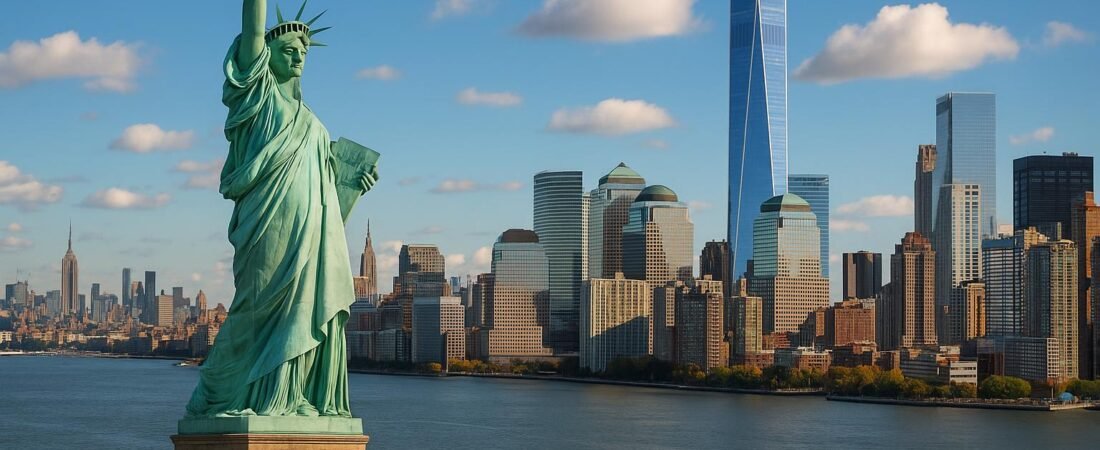
New York City defies simple description. It is a city of relentless energy and constant reinvention, where world-famous landmarks coexist with hidden neighborhood treasures. Whether you are drawn by art and architecture, food and fashion, or simply the thrill of walking streets you have seen in countless films, a well-planned visit can transform a hectic metropolis into an unforgettable urban adventure.
This guide explores when to go, what to see, where to stay, and what to eat in New York City, with practical insight to help you make the most of every day in the city that never sleeps.
Best Time to Visit New York City
Weather and Seasons
New York is a true four-season destination, and the best time to visit depends on the kind of trip you want.
- Spring (April–June): Many travelers consider late spring the ideal time to visit. Temperatures are mild, generally ranging from 55°F to 75°F (13–24°C), and city parks burst into bloom. Central Park’s cherry blossoms and tulips, the High Line’s newly green walkways, and tree-lined streets in neighborhoods like the West Village create a softer, almost European ambiance. Rain showers are common, so pack a light jacket and umbrella.
- Summer (July–August): Summers are hot and often humid, with temperatures frequently hitting 85°F (29°C) or higher. This is high tourist season, so expect crowds at major attractions and higher hotel prices. The upside is a wealth of outdoor activities: open-air concerts, rooftop bars, and long evenings perfect for strolling along the Hudson River or catching a baseball game. Air conditioning is ubiquitous, but hydration and sun protection are essential.
- Fall (September–November): Early fall rivals spring as the most pleasant time to visit New York City. September and October offer crisp, clear days and comfortable temperatures, typically 60–75°F (15–24°C). Autumn foliage in Central Park, Prospect Park, and along riverside promenades makes city walks particularly memorable. By November, it turns cooler, but the atmosphere becomes festive as holiday preparations begin.
- Winter (December–March): Winters can be cold, with temperatures below freezing and occasional snowstorms. December, however, is magical: holiday lights, department store window displays, ice-skating rinks, and Christmas markets give the city a cinematic feel. January and February are quieter, often with lower hotel rates and fewer crowds at museums, making this a good time for budget-conscious or culture-focused visitors prepared for the cold.
Major Events and Festivals
Aligning your trip with a major New York event can add an extra dimension to your itinerary, although it may also increase costs and crowd levels.
- New Year’s Eve in Times Square: Perhaps the city’s most famous annual event. The ball drop draws huge crowds and extensive street closures. If you prefer less congestion, consider watching from a rooftop bar or skipping Times Square entirely and celebrating in a neighborhood restaurant or jazz club.
- Macy’s Thanksgiving Day Parade (late November): A quintessential New York experience, featuring giant balloons, marching bands, and elaborate floats along Central Park West and Sixth Avenue. Hotel rates spike, and viewing spots require early arrival, but the atmosphere is uniquely festive.
- New York Fashion Week (February and September): The city’s fashion calendar brings industry professionals, influencers, and special events, particularly in Manhattan’s Meatpacking District, SoHo, and Midtown. While shows are mostly invite-only, the city buzzes with pop-ups, designer sample sales, and style-centric happenings.
- Tribeca Festival (spring): Originally focused on film, this festival now spans storytelling, immersive experiences, and live events. Venues cluster in Lower Manhattan, adding cultural depth to a downtown stay.
- Pride Month (June): New York City Pride is one of the largest LGBTQ+ celebrations in the world, culminating in a vibrant parade along Fifth Avenue and in the West Village. Expect a jubilant atmosphere, heightened nightlife, and packed streets.
- SummerStage & Outdoor Performances: From June through early fall, the city hosts free or low-cost concerts and performances in Central Park, Prospect Park, and neighborhood parks across the boroughs. These events are ideal for experiencing local life beyond traditional tourist activities.
Top Attractions in New York City
Iconic Landmarks
New York’s skyline and streetscape are studded with landmarks that define the city’s identity. Balancing must-see sights with time for spontaneous exploration is key.
- Statue of Liberty & Ellis Island: Symbolizing freedom and immigration, these islands in New York Harbor are essential for first-time visitors. Opt for an early-morning ferry from Battery Park to avoid crowds. Consider a combined ticket that includes access to the Statue of Liberty pedestal or crown (book well in advance) and the Ellis Island National Museum of Immigration, where powerful exhibits tell the stories of millions of newcomers.
- Empire State Building: An Art Deco masterpiece and classic observation deck experience. The 86th-floor open-air observatory offers sweeping views over Midtown, Lower Manhattan, and beyond. For a more intimate atmosphere, visit early morning or late at night; sunset is spectacular but extremely busy.
- Top of the Rock & One World Observatory: These two observation decks offer different perspectives. Top of the Rock at Rockefeller Center frames the Empire State Building and Central Park beautifully, especially at golden hour. One World Observatory, atop One World Trade Center in Lower Manhattan, provides a more modern, multimedia experience and a sobering vantage point over the 9/11 Memorial.
- Brooklyn Bridge: Walking across the Brooklyn Bridge is both free and unforgettable. Start in Brooklyn (DUMBO or Brooklyn Heights) in the morning and walk toward Manhattan for skyline views bathed in soft light. Stay on the pedestrian path, and allow time to explore the charming streets, waterfront parks, and converted warehouses on the Brooklyn side.
- Times Square: While more spectacle than substance, Times Square is undeniably iconic. Neon billboards, costumed characters, and a constant rush of people create a sensory overload. A short visit in the evening suffices for most travelers; combine it with a Broadway show or a stroll along nearby Restaurant Row on West 46th Street.
- Central Park: This vast urban oasis stretches from 59th to 110th Street and rewards unhurried exploration. Key highlights include Bethesda Terrace and Fountain, the Bow Bridge, the Ramble, Sheep Meadow, and the Great Lawn. Rent a bike, take a guided walking tour, or simply wander and watch New Yorkers at leisure.
Museums and Cultural Sites
New York’s cultural institutions rank among the world’s finest. Selecting a few that match your interests will make your trip more meaningful.
- The Metropolitan Museum of Art (The Met): Spanning 5,000 years of art, The Met can easily occupy an entire day. Prioritize a few wings, such as Egyptian antiquities, European paintings, and the American Wing, then enjoy rooftop views (seasonal) over Central Park. Purchasing timed tickets in advance speeds entry, but you can also join highlights tours to navigate the collection efficiently.
- American Museum of Natural History: Particularly compelling for families and science enthusiasts, this Upper West Side institution houses dinosaur skeletons, an impressive planetarium, and immersive dioramas. The layout is sprawling, so consider focusing on one or two sections to avoid fatigue.
- MoMA (Museum of Modern Art): A must for modern and contemporary art lovers. See iconic works by Van Gogh, Picasso, Warhol, and many others. Early morning or late afternoon visits are the least crowded; the sculpture garden offers a serene break from Midtown’s bustle.
- Whitney Museum of American Art: Located at the southern end of the High Line in the Meatpacking District, the Whitney emphasizes 20th- and 21st-century American art. Outdoor terraces provide striking views of the Hudson River and downtown skyline.
- 9/11 Memorial & Museum: The twin reflecting pools in the footprints of the original towers are deeply moving, and free to visit. The adjacent museum offers a comprehensive, emotional account of the events of September 11, 2001. Plan sufficient time and approach with sensitivity; audio guides and guided tours can provide valuable context.
- Broadway and Off-Broadway Theatres: Theatre is central to New York’s cultural fabric. Broadway shows deliver large-scale productions, while Off-Broadway venues often feature more experimental or emerging work. For popular musicals and plays, book tickets well in advance. Same-day discount tickets are available at TKTS booths or via select apps for those with flexible schedules.
Where to Stay in New York City
Best Neighborhoods for Tourists
Choosing the right base can dramatically affect your experience. Consider not only price but also proximity to the subway, overall atmosphere, and access to the attractions you care about most.
- Midtown Manhattan: Ideal for first-time visitors who want to be close to major sights such as Times Square, Rockefeller Center, and the Theatre District. Midtown offers unmatched convenience and extensive hotel options, though it can feel busy and commercial. It suits travelers prioritizing efficiency over neighborhood charm.
- Upper West Side: A residential, family-friendly area bordering Central Park and the American Museum of Natural History. Brownstone-lined streets, local shops, and relaxed restaurants create a more neighborhood feel. Subway lines provide quick access downtown, making it a comfortable choice for longer stays.
- Greenwich Village & West Village: These quintessentially “New York” neighborhoods offer tree-lined streets, historic townhouses, intimate restaurants, and vibrant nightlife. Staying here means being close to Washington Square Park, SoHo, and the Hudson River waterfront. Accommodations are often boutique-style and can be pricier, but the character is incomparable.
- SoHo & Nolita: Known for cast-iron architecture, designer boutiques, and art galleries, this area suits style-conscious travelers. It provides easy access to Lower Manhattan, Chinatown, and Little Italy, with excellent dining at every turn. Streets can be crowded during the day but much calmer at night.
- Lower Manhattan (Financial District, Battery Park City): Once strictly a business district, Lower Manhattan now offers modern hotels, waterfront parks, and quick access to the Statue of Liberty, Wall Street, and the 9/11 Memorial. Weekends are generally quieter, and rates may be more favorable compared with Midtown.
- Brooklyn (Williamsburg, DUMBO, Brooklyn Heights): For a more local perspective, staying in Brooklyn can be rewarding. Williamsburg is known for its creative scene, bars, and restaurants; DUMBO and Brooklyn Heights offer dramatic Manhattan views and easy access to Brooklyn Bridge Park. The subway ride into Manhattan is short, making this a practical and atmospheric base.
Recommended Hotels and Accommodations
New York’s lodging options range from iconic luxury hotels to characterful boutiques and well-designed budget stays. The following suggestions are indicative rather than exhaustive; always check recent reviews and seasonal offers.
- Luxury:
- The Plaza Hotel (Midtown): Overlooking Central Park and Fifth Avenue, The Plaza is synonymous with Old World glamour. Its grand lobby, afternoon tea service, and refined rooms suit travelers seeking a classic New York experience.
- The St. Regis New York (Midtown East): Known for attentive service and elegant interiors, this property attracts discerning guests who value quiet sophistication within walking distance of major attractions and high-end shopping.
- The Beekman, a Thompson Hotel (Financial District): An architectural gem featuring a restored nine-story atrium and richly styled rooms. It offers a luxurious yet slightly off-the-beaten-path alternative to Midtown’s grand dames.
- Boutique & Design-Focused:
- The Marlton Hotel (Greenwich Village): A chic, intimate property with a lobby that feels like a stylish living room. Its central Village location puts guests within easy reach of Washington Square Park and nearby cafes.
- The Ludlow Hotel (Lower East Side): Industrial-chic interiors, many rooms with skyline views, and proximity to some of the city’s most dynamic dining and nightlife options.
- 1 Hotel Brooklyn Bridge (Brooklyn Heights): Eco-conscious design, floor-to-ceiling windows, and a rooftop pool with exceptional views of the Manhattan skyline and Brooklyn Bridge.
- Mid-Range & Value:
- Pod Hotels (various locations): Compact but cleverly designed rooms with a focus on affordability and central locations. Common areas encourage socializing, making them good for solo travelers.
- citizenM Times Square or Bowery: Modern, tech-forward hotels with small rooms, comfortable beds, and lively communal spaces. Ideal for travelers who prioritize location and design over room size.
- Arlo Hotels (SoHo, NoMad): Micro-room concept with thoughtful layouts, rooftop bars, and welcoming public spaces, positioned in convenient downtown neighborhoods.
Short-term rentals are widely used but subject to evolving regulations, especially in Manhattan. If considering an apartment stay, verify that the listing complies with current local laws and building rules.
Food in New York City
Must-Try Local Dishes
New York’s culinary landscape is as diverse as its population. From street snacks to tasting menus, the city offers an extraordinary range of flavors and price points.
- New York–Style Pizza: Characterized by a thin, foldable slice with a crisp yet pliant crust. Classic slices can be found across the city; many locals swear by no-frills pizzerias where you order at the counter and eat standing up. A plain cheese slice is the best test of quality.
- Bagels with Lox and Cream Cheese: Dense, chewy bagels are a New York breakfast staple. Order them “with a schmear” of cream cheese and, for a traditional combination, add smoked salmon, red onion, capers, and tomato. Sesame, everything, and plain are popular bagel varieties.
- Pastrami on Rye: A nod to the city’s Jewish deli heritage. Thick-cut, peppery pastrami piled high on rye bread, typically with mustard and a side of pickles, is both hearty and nostalgic.
- Hot Dogs: Street cart hot dogs are ubiquitous, but certain stands and counters are renowned for quality. A simple beef frank with mustard and sauerkraut is a classic; adventurous eaters can sample chili dogs or regional variations.
- Cheesecake: New York–style cheesecake is rich, dense, and creamy, often served plain or with a simple fruit topping. It makes an ideal dessert after a Broadway show or as an afternoon treat with coffee.
- Global Street Food: Beyond traditional “New York” dishes, the city shines in its international offerings: halal carts with chicken and rice platters, Jamaican patties, Mexican tacos, Chinese dumplings, and more. Sampling a variety of cuisines is integral to understanding the city’s character.
Popular Restaurants and Food Markets
Dining in New York can be as structured or spontaneous as you wish. Advance reservations are highly recommended for well-known restaurants, while food markets and casual spots are perfect for flexible itineraries.
- Classic and Iconic Establishments:
- Katz’s Delicatessen (Lower East Side): Legendary for its pastrami sandwiches and bustling atmosphere. Expect a queue and a straightforward ordering system; the experience is part of the appeal.
- Russ & Daughters (Lower East Side): A century-old appetizing shop famed for smoked fish, bagels, and traditional Jewish specialties. The nearby cafe offers a seated experience, while the shop is ideal for takeaway.
- Peter Luger Steak House (Williamsburg, Brooklyn): An old-school institution known for its porterhouse. Cash or specific credit terms may apply, and reservations are essential.
- Contemporary Dining & Neighborhood Favorites:
- SoHo, West Village, and East Village: These neighborhoods teem with bistros, wine bars, and inventive kitchens. You will find everything from refined Italian trattorias to modern American restaurants emphasizing seasonal, local ingredients.
- Chinatown & Flushing (Queens): For exceptional Chinese, Taiwanese, and broader Asian cuisines, these areas are indispensable. Dim sum, hand-pulled noodles, hot pot, and regional specialties reward those willing to explore beyond Manhattan.
- Jackson Heights (Queens): One of the city’s most diverse culinary enclaves, offering superb Indian, Nepali, Tibetan, Colombian, Mexican, and more in a compact, walkable area.
- Food Halls and Markets:
- Chelsea Market (Meatpacking District): A converted factory space housing an array of vendors: tacos, seafood, artisanal pastries, and specialty food shops. It pairs perfectly with a walk on the High Line.
- Time Out Market New York (DUMBO, Brooklyn): Curated food hall featuring some of the city’s notable chefs and restaurants, plus a rooftop terrace with superb views of the Manhattan skyline and Brooklyn Bridge.
- Essex Market (Lower East Side): A historic public market revitalized with modern stalls offering everything from fresh produce and cheeses to prepared foods, making it excellent for a casual lunch or provisions for a picnic.
- Smorgasburg (seasonal): A weekend open-air food market (typically in Williamsburg and sometimes other locations) where dozens of vendors showcase inventive dishes. Expect crowds, lines, and a festival-like atmosphere.
Coffee culture is strong throughout the city, with independent cafes in nearly every neighborhood. For a relaxed break, step into a local coffee shop rather than a global chain and observe everyday life unfolding around you.
Conclusion
New York City rewards curiosity and thoughtful planning. Understanding its seasons helps you choose the right moment to visit; knowing the key attractions, museums, and neighborhoods allows you to craft a balanced itinerary; selecting suitable accommodations and exploring its vast culinary scene ensures your days are both efficient and pleasurable.
Allow time for unscripted wandering alongside your scheduled visits. Some of the most enduring memories in New York come from unexpected encounters: a jazz band in a subway station, a quiet side street draped in ivy, a tiny bakery discovered on the way to somewhere else. With its endless layers and ceaseless motion, New York City is less a single destination than a collection of worlds—and each trip offers the chance to discover a few more of them.
IMAGE GENERATION MADE EASY