
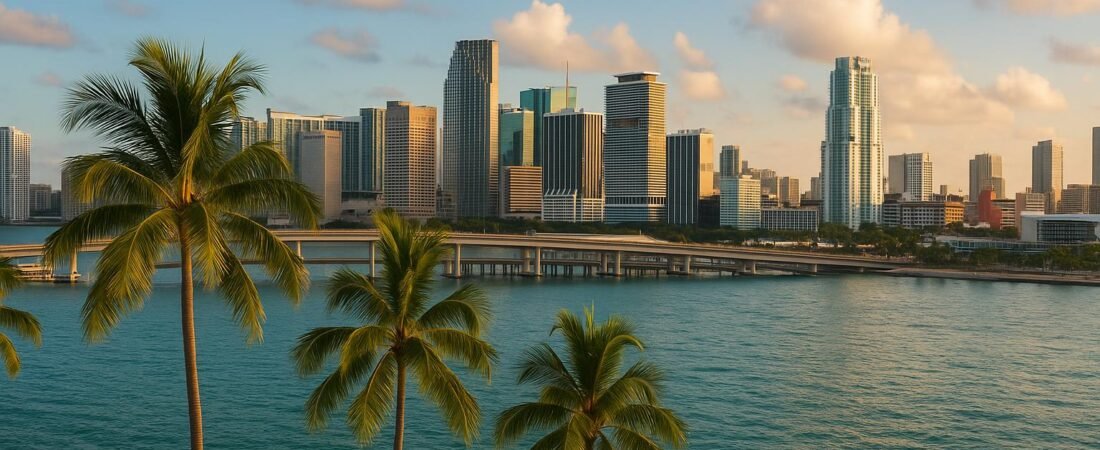
Miami is a city of contrasts: glittering high-rises and pastel Art Deco facades, tranquil mangrove estuaries and thumping beachfront clubs, Cuban cafeterias and Michelin-starred dining rooms. This coastal metropolis offers much more than sun and nightlife. It is a cultural crossroads where Latin American, Caribbean, and American influences blend into a distinctive urban experience. This guide distills what you need to know to plan a rewarding trip to Miami: when to go, where to stay, what to see, what to eat, and how to manage costs and logistics efficiently.
Best Time to Visit Miami
Weather Overview by Season
Miami’s tropical monsoon climate ensures warmth year-round, but seasonal variations affect humidity, rainfall, and crowds.
- Winter (December – February): This is peak season for a reason. Daytime temperatures hover between 68–78°F (20–26°C), humidity is relatively low, and skies are usually clear. Ocean temperatures are comfortable, making it ideal for beach days and outdoor dining. Expect premium hotel rates and busy beaches, especially around New Year’s and Presidents’ Day.
- Spring (March – May): Spring offers a sweet spot for many visitors. Temperatures rise into the low to mid-80s°F (27–29°C) with slightly higher humidity, yet conditions remain pleasant. Rain showers become more frequent in May, but they are often brief. March can be crowded due to spring break, particularly in South Beach, so book early if you plan to visit then.
- Summer (June – August): Summer brings high heat, intense humidity, and afternoon thunderstorms. Temperatures frequently reach 88–92°F (31–33°C). This is also hurricane season’s start, with increased rainfall and the possibility of storms. On the positive side, you will find lower hotel prices, thinner crowds at major attractions, and warm ocean water ideal for swimming and water sports.
- Fall (September – November): Early fall is the height of hurricane season, with the highest likelihood of tropical systems, though most trips proceed without disruption. Temperatures remain hot in September and gradually become more manageable by November. Crowds are lighter, and shoulder-season pricing can make this a cost-effective time to visit if you are flexible and purchase travel insurance.
Major Events and Festivals
Miami’s event calendar draws visitors from around the world. Timing your visit around a specific festival can transform your trip, but it also affects prices and availability.
- Art Basel Miami Beach (December): One of the world’s premier art fairs, Art Basel transforms Miami Beach and the Wynwood and Design District neighborhoods into an open-air gallery. Expect satellite fairs, VIP parties, public installations, and a surge in cultural programming. Hotels and restaurants book up months in advance.
- Miami Music Week & Ultra Music Festival (March): Electronic music fans converge on Downtown Miami and Miami Beach for a week of performances, pool parties, and club events. The atmosphere is energetic, nightlife is intense, and accommodation prices spike accordingly.
- South Beach Wine & Food Festival (February): This culinary event, hosted by the Food Network and Cooking Channel, showcases celebrity chefs, tastings, and seminars along South Beach and beyond. It is an excellent time for gastronomically focused travelers but also increases demand for beachfront hotels.
- Calle Ocho Music Festival (March): Held in Little Havana, this festival celebrates Latin culture with live music, dancing, street food, and parades along Southwest 8th Street. It provides a vibrant, local perspective and is an excellent introduction to Miami’s Cuban heritage.
- Miami International Boat Show (February): One of the largest boat shows globally, it attracts marine enthusiasts to venues across the city and the Miami Beach Convention Center. Expect higher rates and busy marinas.
Top Attractions in Miami
Iconic Beaches: South Beach and Beyond
Miami’s beaches are central to its identity, each with its distinct atmosphere.
- South Beach (SoBe): South Beach is the most famous stretch, known for its white sand, turquoise waters, and iconic lifeguard towers. The beach just off Ocean Drive offers easy access to restaurants, bars, and classic Art Deco hotels. Mornings are ideal for a calmer swim or a run along the paved beachfront path before the crowds build.
- Mid-Beach and North Beach: A short distance from the bustle of SoBe, Mid-Beach and North Beach provide a more relaxed, residential feel. The Miami Beach Boardwalk connects many of these areas, perfect for cycling or walking. These sections are well suited to families and travelers who prefer quieter stretches of sand without sacrificing amenities.
- Crandon Park (Key Biscayne): Located on Key Biscayne, Crandon Park offers a more natural environment with palm-fringed beaches, shallow waters, picnic areas, and nearby nature trails. It is popular with locals and families and feels a world away from South Beach’s nightlife.
- Bill Baggs Cape Florida State Park: Also on Key Biscayne, this historic park features one of Florida’s oldest lighthouses and tranquil beaches ideal for kayaking, paddleboarding, and wildlife spotting. The scenic vistas over the Atlantic and Biscayne Bay make it a rewarding day outing.
- Haulover Beach: North of Bal Harbour, Haulover features expansive sands, a popular kite-flying area, and a designated clothing-optional section. It is less congested than South Beach and offers good opportunities for surfing when conditions permit.
Cultural Hotspots: Museums and Art Districts
Miami’s cultural landscape is dynamic, shaped by its multicultural population and emerging creative scene.
- Wynwood Arts District: Once a warehouse district, Wynwood has become a renowned open-air museum of street art. The Wynwood Walls showcase large-scale murals by international artists, while surrounding blocks host independent galleries, design shops, and breweries. Visit during the day to fully appreciate the artwork and relax in its many cafés.
- Pérez Art Museum Miami (PAMM): Overlooking Biscayne Bay in Downtown Miami, PAMM houses an impressive collection of modern and contemporary art with a strong emphasis on the Americas and the Caribbean. The building itself is architecturally striking, with hanging gardens and expansive terraces that invite lingering.
- Phillip and Patricia Frost Museum of Science: Adjacent to PAMM, the Frost Museum includes a cutting-edge planetarium and a multi-level aquarium featuring Florida’s reef and mangrove ecosystems. It is an engaging stop for families and science enthusiasts alike.
- Little Havana: This neighborhood is the cultural heart of Miami’s Cuban community. Stroll along Calle Ocho to find cigar shops, ventanitas (coffee windows) serving cafecito, and Domino Park, where locals gather for spirited games. The area also hosts galleries, live music venues, and regular cultural events.
- Vizcaya Museum and Gardens: A former winter estate on Biscayne Bay, Vizcaya combines Italian Renaissance-style architecture with lush, formal gardens. The interiors are filled with European antiques and art, and the waterfront setting creates a serene contrast to the city’s modern skyline.
- The Bass & The Wolfsonian–FIU: The Bass in Miami Beach focuses on contemporary art, while The Wolfsonian–FIU in the Art Deco District explores design, propaganda, and visual culture from the late 19th to mid-20th centuries. Both offer insight into Miami’s evolving role in the art world.
Where to Stay in Miami
Best Neighborhoods for Tourists
Choosing the right base shapes your experience, as Miami’s neighborhoods offer distinct lifestyles and access to different attractions.
- South Beach (Miami Beach): Ideal for first-time visitors seeking iconic scenery, nightlife, and easy beach access. Stay here if you prioritize being within walking distance of the ocean, restaurants, clubs, and Art Deco architecture. Expect lively streets well into the night.
- Mid-Beach and North Beach (Miami Beach): These areas provide a quieter alternative to South Beach while remaining close enough by rideshare or bike. Large resorts, family-friendly hotels, and a more relaxed pace make them attractive for couples and families.
- Downtown Miami and Brickell: Downtown offers proximity to cultural institutions like PAMM and the Frost Museum, the Bayside Marketplace, and easy access to the Port of Miami for cruises. Brickell, the financial district, is lined with sleek skyscrapers, high-end hotels, sophisticated restaurants, and rooftop bars. Both are convenient for business travelers and those wanting a more urban feel.
- Wynwood and the Design District: These adjacent neighborhoods appeal to design-conscious travelers who prioritize art, fashion, and food over beach access. Boutique hotels and loft-style accommodations place you within walking distance of galleries, luxury shops, and inventive restaurants, but you will rely on transit or rideshares to reach the shore.
- Coconut Grove and Coral Gables: Leafy streets, historic architecture, and waterfront parks define Coconut Grove. Coral Gables is known for Mediterranean Revival buildings, upscale boutiques, and the picturesque Venetian Pool. Both neighborhoods offer a more residential, refined ambiance with fewer tourists and a sense of local life.
Budget vs. Luxury Accommodation Options
Miami’s lodging runs the gamut from hostel dorms to opulent oceanfront suites. Defining your priorities helps narrow the options.
- Budget-Friendly Options:
- Hostels and Guesthouses: South Beach has several hostels that provide shared and private rooms, often with social common areas and included breakfast. These are ideal for solo travelers and those who plan to spend most of their time exploring rather than in the room.
- Budget Hotels and Motels: Look in North Beach, the mainland areas of Downtown’s outskirts, or near Miami International Airport for more modestly priced properties. While you may be farther from the beach, you can save significantly during peak season.
- Vacation Rentals: Apartments and condo rentals in neighborhoods such as Little Havana, Edgewater, and parts of Brickell can offer good value, especially for longer stays or groups, while providing kitchen facilities to reduce dining costs.
- Mid-Range Stays:
- Boutique Hotels: Across Miami Beach, Wynwood, and Coconut Grove, many boutique properties blend stylish interiors with personalized service. These often include amenities like rooftop pools or complimentary bikes without the price tag of luxury resorts.
- Branded Business Hotels: In Brickell and Downtown, major chains cater to business and leisure travelers alike, offering reliable comfort, modern facilities, and frequent promotions.
- Luxury Resorts and High-End Hotels:
- Oceanfront Resorts: South Beach and Mid-Beach host iconic luxury properties with private beach clubs, spa facilities, and gourmet dining. These are ideal if you want a self-contained resort experience and are willing to pay premium rates.
- Urban Luxury Hotels: Brickell and the Design District feature sophisticated hotels with rooftop pools, skyline views, and proximity to exclusive restaurants and shopping. These are well-suited to travelers who prioritize gastronomy, culture, and nightlife over beachfront access.
Food and Dining in Miami
Must-Try Local Dishes and Restaurants
Miami’s culinary identity is a fusion of Cuban, Caribbean, Latin American, and coastal American influences. Sampling local specialties is essential to understanding the city.
- Cuban Sandwich: Pressed Cuban bread filled with roast pork, ham, Swiss cheese, pickles, and mustard is a Miami staple. Seek out traditional cafeterias in Little Havana or longstanding sandwich shops in Downtown for an authentic version.
- Stone Crab Claws: In season (typically October to May), stone crab is a delicacy served chilled with mustard sauce. Classic seafood houses in Miami Beach and Biscayne Bay-front restaurants are renowned for this specialty.
- Ceviche and Latin American Seafood: Influences from Peru and other parts of Latin America are evident in Miami’s cevicherias, where fresh fish is marinated in citrus and spices. Many upscale and casual spots in Brickell, Wynwood, and Miami Beach specialize in this refreshing dish.
- Cafecito and Cuban Coffee Drinks: Strong, sweet Cuban espresso is central to daily life. Order a cafecito or cortadito (with a splash of milk) at a ventanita and enjoy it standing at the counter, just as locals do.
- Arepas, Empanadas, and Caribbean Street Food: Venezuelan areperas, Colombian bakeries, and Haitian and Jamaican eateries contribute to a rich street-food scene. These are excellent options for quick, flavorful meals on a budget.
- Key Lime Pie: Although the Florida Keys claim origin, Key lime pie is ubiquitous in Miami. Sample it at waterfront restaurants or dedicated dessert bars; the best versions balance tartness with a creamy filling and a crisp crust.
Miami also hosts a thriving fine-dining landscape. High-end restaurants across South Beach, Brickell, and the Design District blend global techniques with local seafood and tropical ingredients. Reservations are essential at popular venues, especially on weekends and during major events.
Popular Food Tours and Experiences
Organized food tours can efficiently introduce you to Miami’s culinary diversity while providing context about the city’s history and communities.
- Little Havana Food and Culture Tours: Guided walks along Calle Ocho typically combine tastings of Cuban sandwiches, pastelitos, fresh sugarcane juice, and coffee with visits to cigar factories, art galleries, and cultural landmarks. Guides often share personal stories that illuminate the Cuban diaspora’s influence on Miami.
- South Beach Food and Art Deco Tours: These tours merge architecture and gastronomy, stopping at local eateries, cocktail bars, and dessert spots while exploring the Art Deco Historic District. They are a convenient way to discover quality dining options in a tourist-heavy area.
- Wynwood and Design District Tastings: Food tours in these neighborhoods usually focus on contemporary cuisine—small plates, craft beer, inventive desserts—alongside gallery visits and street art commentary. They appeal to travelers with an interest in design and modern gastronomy.
- Cooking Classes and Market Visits: Some operators offer hands-on experiences where you shop at local markets, then prepare Cuban, Peruvian, or broader Latin American dishes with a chef’s guidance. This is an engaging way to bring Miami’s flavors home with you.
Tips for Traveling in Miami
Budgeting for Your Trip: Costs to Consider
Miami can be expensive, but strategic planning helps keep expenses within reasonable limits.
- Accommodation: Lodging is typically the largest expense. Rates surge during winter, major festivals, and holidays. Booking shoulder seasons, midweek stays, or accommodations slightly away from the beach can significantly reduce costs.
- Dining: Restaurant prices vary widely. High-end venues in Miami Beach and Brickell command premium prices, while neighborhood cafeterias, food trucks, and Latin American bakeries offer excellent value. Plan to mix sit-down meals with casual spots to balance your budget.
- Activities and Attractions: Many of Miami’s pleasures are low-cost or free—beaches, self-guided art walks, and public parks. Museums, boat tours, and organized excursions add up, so prioritize a few standout experiences. City passes or bundled attraction tickets can provide savings if you intend to visit multiple sights.
- Transportation: Car rentals, parking fees, and rideshares can be substantial, especially near Miami Beach where parking is limited and costly. Factor these into your budget when deciding whether to rent a car or rely on public transit and taxis.
- Nightlife and Entertainment: Cover charges for clubs, cocktails at rooftop bars, and tickets for concerts or sporting events can quickly increase your overall spend. Setting a nightly entertainment budget helps prevent surprises.
- Taxes and Tips: Sales tax and customary tips (15–20% in restaurants and for certain services) should be considered in your total expenditure. Review your bills to note whether gratuity has already been included.
Getting Around: Transportation Options and Tips
Miami’s geography—split between the mainland and Miami Beach—makes transportation planning important for a smooth visit.
- Miami International Airport (MIA): The primary gateway offers direct connections globally. From MIA, you can take the Metrorail Orange Line to Downtown and Brickell, airport shuttles, or rideshares to reach your accommodation. This is often more efficient than driving, given traffic congestion.
- Public Transit:
- Metrorail and Metromover: Metrorail links the airport with Downtown and other inland areas, while the Metromover is a free elevated system circulating within Downtown and Brickell. These are useful for travelers staying in central neighborhoods.
- Metrobus: Buses connect the mainland with Miami Beach and neighborhoods not covered by rail. While economical, travel times can be long during rush hour, so allow extra time.
- Rideshares and Taxis: Services like Uber and Lyft are widely available and convenient, especially at night or when traveling between neighborhoods. For couples or small groups, rideshares can be cost-effective compared with rental cars and parking fees.
- Car Rentals: A car offers flexibility for exploring beyond the urban core—day trips to the Everglades, Key Biscayne, or the Florida Keys. However, traffic congestion, toll roads, and high parking costs in Miami Beach and Downtown are significant drawbacks. If you rent a car, confirm whether your hotel charges daily parking and budget accordingly.
- Cycling and Scooters: Miami Beach features dedicated paths and a bike-share system, making bicycles a pleasant option for short distances along the waterfront. Electric scooters and e-bikes are also available in some neighborhoods, though riders should exercise caution and follow local regulations.
- Walking: Within compact areas such as South Beach, Wynwood, and parts of Brickell, walking is practical and often the most enjoyable way to experience the city’s ambiance. Heat and humidity can be intense, so carry water, wear sun protection, and plan indoor breaks.
Regardless of your chosen mode of transport, plan additional buffer time for cross-city journeys, particularly during weekday rush hours and when major events are in town.
Conclusion
Miami is more than a beach destination; it is a multifaceted city that rewards curiosity. Whether you are drawn to the energy of South Beach, the creativity of Wynwood, the heritage of Little Havana, or the serenity of Key Biscayne’s shores, the city offers distinct experiences within a relatively compact area. By choosing the right season, selecting a neighborhood aligned with your interests, sampling the city’s diverse cuisine, and planning transportation and costs thoughtfully, you can craft an itinerary that balances relaxation, culture, and exploration. With its blend of tropical climate, cultural depth, and coastal beauty, Miami remains one of the most compelling urban getaways in the United States.