
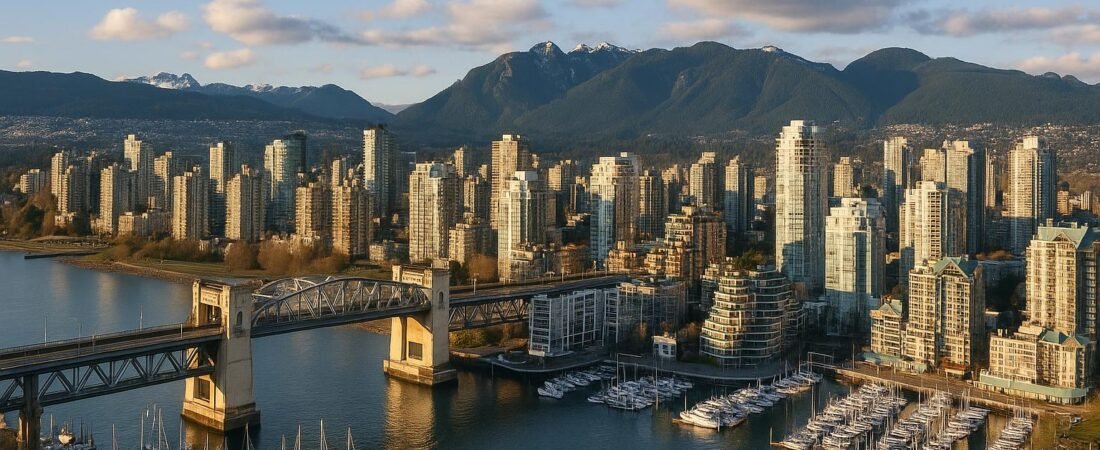
Best Time to Visit Vancouver
Nestled between coastal mountains and the Pacific Ocean, Vancouver offers a temperate climate and an impressive range of year-round activities. The “best” time to visit depends on whether you prioritize outdoor adventures, cultural events, or quieter, budget-friendly travel. Understanding the city’s seasonal rhythm will help you align your trip with your interests and expectations.
Weather Patterns Throughout the Year
Vancouver’s climate is mild by Canadian standards, heavily influenced by the Pacific. Winters are wet rather than brutally cold, while summers are pleasantly warm without being sweltering.
- Spring (March–May): Spring is one of the most rewarding seasons to visit. Temperatures typically range from 8–17°C (46–63°F). Cherry blossoms blanket neighborhoods like Kitsilano and the West End in March and April, while mountain snow often lingers for late-season skiing. Expect a mix of sun and showers, so pack layers and a light waterproof jacket.
- Summer (June–August): Summer is peak tourist season. Days are long, dry, and comfortably warm, usually 20–26°C (68–79°F). It is ideal for beach days at English Bay, cycling the Stanley Park Seawall, and exploring North Shore trails. Accommodation prices are highest and popular attractions can be crowded, especially on weekends and during festivals.
- Autumn (September–November): Early fall is a sweet spot: fewer visitors, relatively stable weather, and spectacular foliage in city parks and surrounding forests. September and early October remain mild, often with clear skies. By late October and November, rainfall increases and temperatures fall to 5–10°C (41–50°F), creating atmospheric, misty landscapes.
- Winter (December–February): Winters are cool, damp, and grey, but rarely severe. Temperatures typically hover between 0–7°C (32–45°F) at sea level. Snow in the city is infrequent and short-lived, but local ski resorts like Grouse Mountain, Cypress, and Whistler enjoy consistent snowpack. Winter is the best time for budget-conscious travelers willing to embrace rain and shorter days.
In summary, visit between May and September for outdoor recreation and festivals, or shoulder seasons (April–early June, September–October) for a balance of good weather and smaller crowds.
Major Events and Festivals
Vancouver’s cultural calendar is packed with events celebrating film, music, food, and diverse communities. Timing your visit around a major festival can add another dimension to your trip.
- Vancouver International Wine Festival (Feb–March): One of the city’s premier culinary events, featuring international wineries, tastings, and paired dinners. It draws wine enthusiasts from around the world and spotlights British Columbia’s own wine regions.
- Vancouver International Jazz Festival (late June–early July): A multi-day festival with free outdoor performances and ticketed concerts across the city. It brings world-class jazz, blues, and experimental acts to venues large and small.
- Honda Celebration of Light (late July–early August): A spectacular international fireworks competition over English Bay. Thousands gather along the beaches and seawall to watch choreographed displays set to music.
- Vancouver Pride Festival (late July–early August): Centered around the West End and Davie Village, Pride features a lively parade, street parties, and inclusive events celebrating the city’s LGBTQ2S+ community.
- Vancouver International Film Festival (VIFF) (Sept–Oct): A major film festival with a focus on global cinema, Canadian productions, and thought-provoking documentaries. Ideal for visitors who enjoy cultural experiences beyond the usual sightseeing.
- Lunar New Year Celebrations (Jan–Feb): Vancouver’s sizable Chinese and Pan-Asian communities host parades, lion dances, and special menus in Chinatown and Richmond, offering a vivid cultural immersion.
These events, combined with numerous neighborhood street fairs, outdoor concerts, and seasonal markets, ensure there is always something happening regardless of when you visit.
Top Attractions in Vancouver
Vancouver’s appeal lies in the interplay between its urban sophistication and wild landscapes. You can move from a downtown gallery to a rainforest trail or mountain viewpoint in less than an hour, making it a destination where sightseeing rarely feels repetitive.
Must-See Landmarks
Several signature sights define the Vancouver experience and should be high on any itinerary, especially for first-time visitors.
- Stanley Park: This 405-hectare urban park is Vancouver’s crown jewel. Circumnavigate the park on the famous Seawall, a scenic pathway hugging the waterfront with skyline, ocean, and mountain views. Inside the park, explore forest trails, totem poles at Brockton Point, and viewpoints like Prospect Point.
- Granville Island: Once an industrial area, Granville Island is now a cultural and culinary hub. The Public Market overflows with local produce, seafood, artisan cheeses, and baked goods. The area is also home to theaters, artist studios, galleries, and boutique shops, all set along a charming waterfront.
- Capilano Suspension Bridge Park: A short drive from downtown, this iconic suspension bridge spans a lush canyon. In addition to crossing the main bridge, visitors can enjoy treetop walkways, a cliffside pathway, and educational exhibits on local ecology and Indigenous history.
- Grouse Mountain: Known as the “Peak of Vancouver,” Grouse offers panoramic city and ocean views. In winter, it transforms into a ski hill with night skiing, snowshoeing, and skating. In summer, take the Skyride gondola or challenge yourself with the Grouse Grind hike, then stay for wildlife refuges, lumberjack shows, and sunset vistas.
- Vancouver Art Gallery & Downtown Core: The Vancouver Art Gallery, located in a historic courthouse building, showcases Canadian and international art, including works by Emily Carr. The surrounding downtown area offers upscale shopping, sleek architecture, and convenient access to the waterfront and convention centre.
- Gastown: Vancouver’s oldest neighborhood is known for cobblestone streets, heritage brick buildings, and the famous Steam Clock. It is a good district for evening strolls, design shops, and stylish restaurants housed in historic spaces.
Outdoor Activities and Parks
Outdoor enthusiasts will find no shortage of trails, beaches, and viewpoints both in and around the city. Vancouver’s proximity to nature is one of its greatest strengths.
- Seawall Cycling and Walking: The Seawall is one of the world’s most scenic urban pathways, stretching around Stanley Park and along False Creek. Rent a bicycle in the West End or near Denman Street and ride the loop, stopping at beaches, viewpoints, and cafés along the way.
- Beaches: English Bay, Kitsilano, Jericho: In summer, Vancouver’s beaches come alive. English Bay is central and lively, perfect for sunset. Kitsilano Beach (Kits Beach) attracts volleyball players, swimmers, and young families, and is home to a large outdoor saltwater pool. Jericho and Spanish Banks offer expansive sand and quieter, more relaxed atmospheres.
- North Shore Hiking: Trails on the North Shore—at Lynn Canyon, Mount Seymour, and Cypress Mountain—range from gentle forest walks to demanding mountain summits. Expect moss-draped trees, waterfalls, and frequent viewpoints. Always check trail conditions and carry appropriate gear.
- Queen Elizabeth Park and VanDusen Botanical Garden: Queen Elizabeth Park sits on the city’s highest point, offering manicured gardens, the Bloedel Conservatory, and sweeping views of downtown and the North Shore mountains. Nearby VanDusen Botanical Garden showcases themed landscapes and seasonal displays, particularly impressive during spring bloom and December’s Festival of Lights.
- Kayaking and Paddleboarding: Calm mornings are ideal for kayaking or stand-up paddleboarding in False Creek, English Bay, or Deep Cove. Paddling provides a different perspective on the city’s skyline and coastal scenery.
- Winter Sports: From late fall to early spring, skiing and snowboarding are easily accessible at Grouse, Cypress, and Mount Seymour. Whistler Blackcomb is roughly a two-hour drive along the Sea-to-Sky Highway, a scenic route worth experiencing even for non-skiers.
Where to Stay in Vancouver
Accommodation options in Vancouver range from stylish downtown hotels to tranquil neighborhood boutiques and practical budget lodgings. Choosing the right area will greatly influence how you experience the city, your commute times, and your nightly budget.
Best Neighborhoods for Tourists
- Downtown & Coal Harbour: Ideal for first-time visitors who want to be within walking distance of major attractions, restaurants, and public transit. Coal Harbour offers upscale waterfront hotels with marina and mountain views, easy access to the Seawall, and proximity to the cruise terminal.
- West End: A more residential area adjacent to downtown, the West End sits between Stanley Park and English Bay. It offers a relaxed, walkable environment with tree-lined streets, a wide range of cafés and small restaurants, and excellent access to beaches and parks.
- Yaletown: Formerly an industrial district, Yaletown is now a polished neighborhood with converted warehouses, high-end dining, and boutique hotels. It suits travelers who prioritize nightlife, design-conscious spaces, and proximity to the seawall along False Creek.
- Kitsilano: Across False Creek from downtown, Kitsilano has a laid-back, local feel. It is perfect for visitors who enjoy beaches, independent shops, and organic cafés. Transit links to downtown are straightforward, though less convenient than staying in the core.
- Mount Pleasant & Main Street: For a more offbeat stay, consider these emerging neighborhoods filled with craft breweries, vintage stores, and creative eateries. They cater particularly well to repeat visitors and travelers seeking a more local experience.
Budget-Friendly vs. Luxury Options
Vancouver is not a budget destination, but with careful planning, you can find accommodation that fits your price range.
- Budget-Friendly Stays:
- Hostels and Budget Hotels: Several hostels and basic hotels are clustered around downtown and the West End, offering dorm beds and simple private rooms. They are suitable for travelers who plan to spend most of their time exploring rather than in their room.
- University Residences (summer only): During the academic off-season, universities like UBC often rent out student residences to visitors, providing simple, safe accommodations at relatively modest rates.
- Short-Term Rentals: While regulations are strict, legal short-term rentals can provide good value for families or groups, especially in areas slightly outside the central core.
- Mid-Range Hotels:
Mid-range properties dominate downtown and surrounding neighborhoods. These hotels often offer comfortable rooms, business amenities, and convenient locations without the price tag of luxury brands. Booking in the shoulder seasons or midweek can yield better rates.
- Luxury Hotels:
Vancouver’s luxury segment is concentrated in downtown and Coal Harbour. Expect refined design, polished service, and amenities such as spas, fine-dining restaurants, and rooftop pools. Waterfront properties command a premium but deliver exceptional views of the harbor, mountains, and Stanley Park.
Wherever you stay, book early for summer, major conferences, and festival periods, as availability tightens and prices rise quickly.
Food and Dining in Vancouver
Vancouver’s culinary landscape reflects its coastal setting and multicultural population. From sophisticated tasting menus to hole-in-the-wall noodle shops, the city’s dining scene emphasizes fresh ingredients, especially seafood and produce from British Columbia.
Local Specialties to Try
- Pacific Seafood: Salmon, halibut, sablefish, and spot prawns are hallmarks of the region. Look for dishes like cedar-plank salmon, grilled halibut, or butter-poached spot prawns when in season (typically May–June).
- Sushi and Japanese Cuisine: Vancouver is renowned for high-quality, reasonably priced sushi. Options range from omakase counters to casual “roll” spots. Do not miss local specialties like BC rolls featuring salmon skin.
- Chinese and Pan-Asian Dishes: The city’s Chinese, Vietnamese, Korean, and Filipino communities contribute richly to the culinary mix. Authentic dim sum, hand-pulled noodles, pho, Korean barbecue, and regional Chinese dishes are easy to find, particularly in Richmond and along Main, Kingsway, and West Broadway.
- West Coast Contemporary Cuisine: Many restaurants focus on seasonal, locally sourced ingredients, combining European techniques with Pacific Northwest flavors: foraged mushrooms, heritage vegetables, artisanal cheeses, and seafood from nearby waters.
- Craft Beer and Local Wine: British Columbia’s craft beer scene is flourishing, with breweries offering IPAs, sours, and inventive seasonal releases. BC wines—especially those from the Okanagan Valley—are widely available by the glass and bottle.
- Coffee Culture and Bakeries: Independent cafés are ubiquitous. You will find expertly pulled espresso, meticulously brewed pour-overs, and pastries ranging from classic croissants to inventive, plant-based treats.
Recommended Restaurants and Cafes
Specific openings and closures change over time, but these general areas and styles will guide you to rewarding dining experiences.
- Downtown & Coal Harbour:
In this area, you will find upscale hotel restaurants, steakhouses, seafood-focused eateries, and bars with skyline views. Look for spots along the waterfront promenade and near the convention centre for sophisticated yet accessible West Coast cuisine.
- Gastown:
Gastown excels at atmospheric dining. Expect brick-and-beam interiors, inventive cocktails, and menus that blend local ingredients with global influences. It is an excellent neighborhood for a long, leisurely dinner followed by drinks in a stylish bar.
- Yaletown:
Yaletown offers patios, wine bars, and trendy restaurants concentrated along Hamilton and Mainland Streets. It is a good choice for al fresco dining in warmer months and people-watching in the evenings.
- Kitsilano & West 4th Avenue:
Kits is ideal for brunch, health-focused cafés, and casual dinners after a beach day. You will encounter vegetarian and vegan-friendly spots, sushi bars, and neighborhood bistros, many with a relaxed, beach-town feel.
- Main Street & Mount Pleasant:
This corridor is known for creative, independent restaurants, craft breweries, and eclectic cafés. It is particularly appealing for visitors who enjoy trying lesser-known places frequented by locals rather than chains.
- Richmond (just south of Vancouver):
If you are interested in authentic Asian cuisine, consider a dedicated trip to Richmond. The city is renowned for its exceptional Chinese, Taiwanese, and other regional Asian restaurants, including some of the best dim sum in North America.
Regardless of neighborhood, reservations are advisable for popular restaurants, especially on weekends and during major events.
Getting Around in Vancouver
Vancouver is compact enough to explore without a car, particularly if you stay near downtown. An efficient public transit network, extensive cycling infrastructure, and walkable neighborhoods make it straightforward to move between key districts and attractions.
Public Transportation Options
TransLink operates most public transportation in Metro Vancouver, including buses, SkyTrain, and SeaBus.
- SkyTrain: The automated light rail system connects downtown Vancouver to the airport (Canada Line), Burnaby, New Westminster, Surrey, and other suburbs (Expo and Millennium Lines). It is fast, frequent, and user-friendly, with clear signage and multilingual ticket machines.
- Bus Network: Buses fill in the gaps between SkyTrain stations and reach areas like Stanley Park, UBC, and the North Shore. Routes are well-marked and integrated with SkyTrain and SeaBus schedules.
- SeaBus: This passenger ferry connects Waterfront Station downtown to Lonsdale Quay in North Vancouver in about 12 minutes. It provides scenic harbor views and convenient access to the North Shore.
- Compass Card and Fares: A reloadable Compass Card simplifies payment across all transit modes. You can also purchase single-use tickets or tap a contactless credit card, depending on the system in place at the time of your visit. Fares are zone-based, with higher costs for longer-distance trips and travel during peak periods.
- Cycling and Bike Share: Vancouver is one of Canada’s most bike-friendly cities. A public bike-share program (such as Mobi by Shaw Go) offers short-term rentals, and many streets have designated bike lanes. The Seawall and False Creek paths are particularly pleasant for leisure cycling.
- Walking: Downtown, the West End, Yaletown, and parts of Kitsilano are highly walkable. Distances between attractions like Gastown, the waterfront, and major shopping streets are often shorter than they appear on a map.
Tips for Renting a Car
Renting a car in Vancouver can be useful for exploring beyond the city—such as Whistler, the Fraser Valley, or Vancouver Island—but it is not essential for urban sightseeing.
- When a Car Makes Sense:
- Day trips to Whistler along the Sea-to-Sky Highway
- Excursions to the Fraser Valley wine region or further inland
- Exploring remote hikes, lakes, and provincial parks not served by regular transit
- Parking Considerations:
Parking downtown can be expensive and limited, particularly near major attractions and during events. Many hotels charge additional nightly fees for parking, so factor this into your budget. Street parking regulations are strictly enforced; always read signage carefully.
- Driving Conditions:
Roads are generally well-maintained and signage clear. In winter, if you plan to drive outside the city, be aware that highways to the Interior and Whistler may require winter tires or chains. Mountain weather can change quickly, so check conditions before departure.
- Alternatives to Traditional Rental Cars:
Car-sharing services and app-based car rentals may be available, suited to short urban trips where you only need a car for a few hours. They can be more cost-effective than a multi-day rental if you only plan one or two out-of-town excursions.
For most visitors focusing on the central city, relying on public transit, walking, and ride-hailing services is more convenient than driving.
Travel Tips for Vancouver
A few practical considerations will help you navigate Vancouver smoothly, from staying safe and healthy to respecting local norms and customs.
Safety and Health Considerations
- General Safety: Vancouver is generally safe for travelers, including solo visitors. As in any city, exercise standard precautions: keep valuables secure, avoid poorly lit areas late at night, and be aware of your surroundings in crowded places.
- Downtown Eastside Awareness: The Downtown Eastside neighborhood, adjacent to Gastown and Chinatown, has a visible population experiencing homelessness and addiction. While this area is not typically dangerous to pass through, some visitors may find it confronting. Use common sense, remain respectful, and avoid taking photos of individuals without their consent.
- Outdoor Safety: If you plan to hike or engage in outdoor activities, prepare appropriately. Trails can be steep, wet, and root-covered. Carry water, snacks, a map or GPS, and appropriate clothing. In mountainous areas, consider informing someone of your route and expected return time.
- Weather Preparedness: Rain is common outside summer, and conditions can shift quickly. Waterproof outerwear and sturdy shoes will greatly improve your comfort. Even in summer, temperatures can drop near the water or in the evenings.
- Health Services: Vancouver has well-equipped hospitals and walk-in clinics. Visitors from abroad should have travel insurance that covers medical care. Pharmacies are widely available for minor ailments and over-the-counter needs.
- Wildlife: In parks and on trails, you may encounter raccoons, coyotes, or occasionally bears in more remote areas. Do not feed wildlife and dispose of food waste properly. Follow posted guidance in provincial parks and conservation areas.
Cultural Etiquette and Local Customs
Vancouverites tend to be polite, environmentally conscious, and relatively reserved. A basic understanding of local norms will make interactions smoother.
- Respect for Indigenous Cultures: Vancouver is located on the traditional territories of Indigenous peoples, including the Musqueam, Squamish, and Tsleil-Waututh Nations. Many sites, artworks, and cultural centers highlight Indigenous history and contemporary life. Approach these with curiosity and respect, and support authentic Indigenous-owned businesses where possible.
- Tipping Practices: In restaurants, bars, and cafés with table service, tipping 15–20% before tax is standard if service is satisfactory. For taxis and ride-hailing services, rounding up or tipping about 10–15% is customary.
- Environmental Awareness: Vancouver places a strong emphasis on sustainability. Recycling and composting bins are common, and single-use plastics may be restricted. Follow local waste sorting rules and consider bringing a reusable water bottle and shopping bag.
- Personal Space and Noise: Queuing in an orderly fashion, speaking at moderate volumes in public spaces, and respecting personal space are all appreciated. On public transit, offer seats to those who may need them more and keep phone conversations brief and quiet.
- Outdoor Etiquette: On shared paths like the Seawall, keep to the right, use designated lanes for cyclists and pedestrians, and signal with a bell or voice when passing. On trails, pack out all garbage and stay on marked routes to minimize environmental impact.
- Cannabis and Alcohol Laws: Recreational cannabis is legal in British Columbia but regulated. Consumption is restricted to certain areas and prohibited in many public spaces, schools, and playgrounds. Alcohol laws vary by location, and open alcohol is often not permitted in public outside designated areas. Always check posted regulations.
Conclusion
Vancouver is a city where glass towers meet ancient forests, and where a morning on a mountain trail can easily be followed by an evening in a concert hall or celebrated restaurant. Its temperate climate, diverse neighborhoods, and seamless access to nature make it a compelling destination for a wide spectrum of travelers, from outdoor enthusiasts to urban explorers.
By choosing the right season, staying in a neighborhood that aligns with your style, and making use of the city’s efficient transit and walkable streets, you can experience Vancouver at its best. Whether you are drawn by the promise of cherry blossoms, summer festivals, autumn hikes, or winter ski days, the city rewards those who linger, explore beyond the obvious, and embrace both its urban and wild sides.