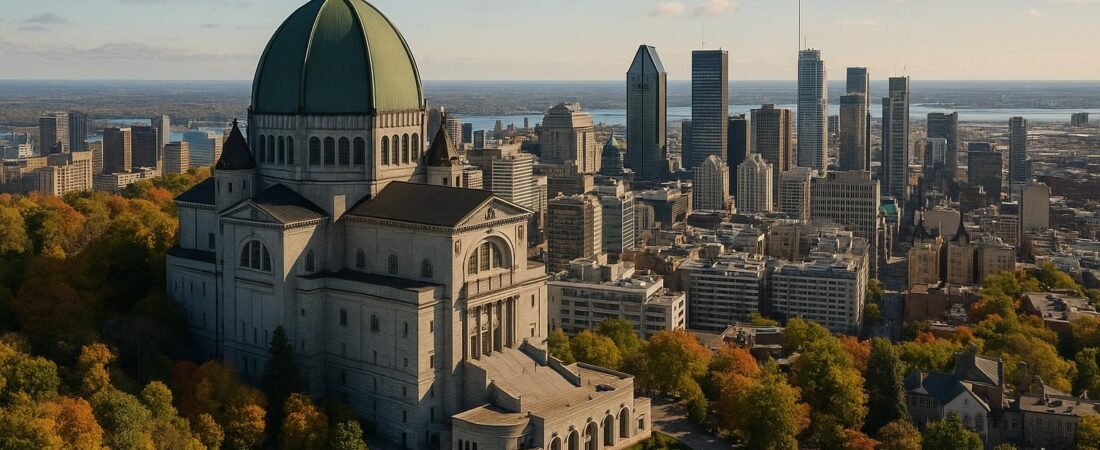
Montreal is a city of contrasts and harmonies: French yet North American, historic yet experimental, refined yet delightfully unpretentious. Cobblestone streets meet sleek architecture, old-world bistros coexist with avant‑garde restaurants, and heritage festivals share the calendar with cutting-edge art and music events. This guide will help you plan a well-balanced visit—when to go, where to stay, what to eat, and how to move around efficiently—so you can experience Montreal at its fullest.
Best Time to Visit Montreal
Seasonal Overview
Montreal is truly a four-season destination, but your experience will vary dramatically depending on when you visit.
- Spring (April–May): Temperatures rise quickly, snow melts, and parks start to bloom. It can be unpredictable—sunny patios one day, chilly rain the next—but crowds are lighter and hotel rates more reasonable. Late May is particularly pleasant, with more consistent warmth.
- Summer (June–August): This is peak season. Expect warm to hot weather (20–30°C), long days, and an almost continuous festival atmosphere. Terraces fill with diners, street performers animate the Quartier des Spectacles, and the city feels decidedly Mediterranean in spirit. Higher prices and larger crowds are the trade-offs.
- Autumn (September–October): Many locals consider fall the ideal time to visit. Crisp air, striking foliage on Mount Royal, and fewer tourists make for an appealing mix. September often remains quite mild, and October brings vivid colors to the city’s parks and surrounding countryside.
- Winter (November–March): Montreal winters are cold, often well below freezing, with substantial snowfall. Yet the city embraces the season: outdoor rinks, cozy cafés, winter festivals, and an extensive underground city make cold weather surprisingly manageable. If you enjoy winter sports and atmospheric snow‑covered streets, this can be a magical time.
Events and Festivals
Montreal’s cultural calendar is one of the richest in North America, and timing your visit around a major event can transform your trip.
- Montreal International Jazz Festival (late June–early July): One of the world’s premier jazz events, featuring hundreds of concerts, many of them free, in the Quartier des Spectacles. Even casual music fans will enjoy the energy.
- Just for Laughs / Juste pour rire (July): A globally renowned comedy festival drawing top international acts, street performances, and a lively outdoor program.
- Formula 1 Canadian Grand Prix (June): A huge draw for motorsport enthusiasts. The city’s nightlife surges during race week, and hotel prices spike accordingly.
- Osheaga Music and Arts Festival (late July–early August): A major multi‑day music festival on Île Sainte‑Hélène, popular with younger travelers and those interested in contemporary music.
- Montréal en Lumière (February–March): A winter festival combining light installations, fine dining events, free outdoor activities, and the all‑night arts event Nuit Blanche.
- Les Francos de Montréal, Pride, and other niche festivals: From francophone music celebrations to LGBTQ+ Pride and film, fashion, and design events, the city offers specialized festivals throughout the year.
Top Attractions in Montreal
Must-See Landmarks
Montreal’s key attractions reflect its layered history and dynamic present. Prioritize these if it is your first visit.
- Old Montreal (Vieux‑Montréal): This historic district is a compact maze of cobblestone streets, 17th‑ and 18th‑century buildings, and atmospheric squares. Place Jacques‑Cartier, the Old Port promenade, and the waterfront are ideal for strolling.
- Notre‑Dame Basilica: Located in Old Montreal, this neo‑Gothic church is famous for its intricately carved woodwork and dramatic blue‑and‑gold interior. Consider attending the immersive evening light show for a different perspective on its architecture.
- Mount Royal (Mont Royal): The city’s namesake hill offers panoramic views of the skyline and St. Lawrence River from the Kondiaronk Belvedere. The park, designed by Frederick Law Olmsted, is perfect for hiking, picnicking, and winter sports.
- Plateau‑Mont‑Royal: More neighborhood than single attraction, the Plateau is known for colorful row houses, iconic outdoor staircases, independent boutiques, and a strong café culture. It is one of the best areas to experience everyday Montreal life.
- Jean‑Talón Market: This bustling farmers’ market in Little Italy showcases Quebec’s agricultural bounty: local cheeses, maple products, seasonal fruits, vegetables, and street‑style eats. It provides a vivid snapshot of the city’s culinary culture.
- Biodome, Botanical Garden, and Olympic Stadium: Located in the Parc Olympique area, these institutions weave together natural science, horticulture, and Montreal’s Olympic legacy.
Hidden Gems
Beyond the headline sites, Montreal rewards travelers who explore a little further.
- Lachine Canal: Once an industrial artery, this canal has been transformed into a tranquil green corridor. Rent a bike or walk along the path, stopping at microbreweries and cafés in the revitalized Saint‑Henri and Griffintown districts.
- Mile End: A creative enclave with a strong artistic and tech presence, Mile End is ideal for specialty coffee, independent bookshops, and bagel institutions. Wandering side streets reveals murals, ateliers, and local design studios.
- Le Promenade Fleuve‑Montagne: This pedestrian route links the St. Lawrence River to Mount Royal, guiding you through lesser‑known streets, pocket parks, and public art installations.
- Château Ramezay and Pointe‑à‑Callière: While not exactly secret, these smaller museums in Old Montreal delve deeply into the city’s colonial and archaeological history and are often quieter than larger institutions.
- Parc La Fontaine: A beautifully landscaped urban park in the Plateau area, frequented mostly by locals. In summer it hosts performances and picnics; in winter, its ice rink offers a charming, neighborhood feel.
- Underground City (RÉSO): Beyond shopping, this extensive network is interesting to explore on cold or rainy days, connecting transit hubs, office towers, and cultural venues through pedestrian tunnels and plazas.
Where to Stay in Montreal
Best Neighborhoods
Your choice of neighborhood will shape your experience of Montreal. Each area offers a distinct atmosphere and practical advantages.
- Old Montreal: Best for first‑time visitors who want to be near major sights and appreciate historic architecture. You will find cobblestone charm, boutique hotels, and quick access to the Old Port and downtown. Nightlife can be lively and prices higher.
- Downtown / Centre‑Ville: Ideal for business travelers and those who prioritize central transit connections. Skyscrapers, shopping streets, and cultural venues surround you, and the underground city is at your doorstep.
- Plateau‑Mont‑Royal: Perfect for travelers who enjoy local character, independent shops, and a wide array of restaurants and bars. Streets are walkable and picturesque, with strong late‑afternoon and evening energy.
- Mile End: Slightly quieter than the Plateau but equally creative, Mile End suits food lovers, remote workers, and repeat visitors who prefer a neighborhood feel over proximity to landmark attractions.
- Griffintown and Saint‑Henri: Once industrial, now fashionable, these southwest districts attract design-forward hotels, lofts, and restaurants. Access to the Lachine Canal and relatively quick travel to downtown make them appealing.
- Gay Village (Le Village): A lively neighborhood east of downtown with a strong LGBTQ+ community, pedestrianized sections in summer, and numerous bars, cafés, and cultural events.
Accommodation Options
Montreal offers a wide range of lodging, from heritage properties to contemporary design hotels.
- Boutique Hotels: Particularly concentrated in Old Montreal and the Plateau, these properties often occupy restored historic buildings, blending exposed brick and beams with modern amenities.
- Luxury Hotels: Downtown and the business district host most high‑end options, with full‑service spas, fine dining, and sweeping city views. These are convenient for conference attendees and those seeking elevated comfort.
- Design and Lifestyle Hotels: In areas such as Griffintown, Mile End, and the Quartier des Spectacles, design‑driven hotels cater to travelers interested in contemporary aesthetics and community‑oriented public spaces.
- Guesthouses and B&Bs: Smaller properties in residential neighborhoods offer a more personal stay. Look for converted townhouses with shared gardens and homemade breakfasts.
- Apartment Rentals: Short‑term rentals exist but are tightly regulated. If you choose this route, confirm that the property is fully licensed to avoid issues. Apartments are useful for families, longer stays, or travelers who prefer to cook.
- Budget Options and Hostels: Affordable hostels and simple hotels can be found near downtown and the Latin Quarter, providing good access to transit and nightlife for cost-conscious travelers.
Food and Dining in Montreal
Local Cuisine to Try
Montreal’s culinary identity blends French heritage, Quebecois tradition, and global influences. Certain dishes and specialties are integral to the city’s flavor.
- Poutine: A quintessential Quebec dish of fries, cheese curds, and gravy. Variations are plentiful—topped with smoked meat, foie gras, or seasonal ingredients. Sample both classic and creative interpretations.
- Montreal‑style bagels: Smaller, denser, and slightly sweeter than New York bagels, they are boiled in honey‑infused water and baked in wood‑fired ovens. They are best eaten warm, often plain or with a simple schmear.
- Smoked meat sandwiches: Montreal’s answer to pastrami, this brined and smoked beef brisket is served hot on rye with mustard. Portions can be generous; sharing is common.
- Tarte au sucre and maple products: Quebec’s maple syrup production is world‑class. Sugar pie, maple butter, and maple candies appear year‑round, not just during the spring sugaring season.
- Seasonal Quebecois cuisine: Look for dishes featuring local cheeses, game, wild mushrooms, and regional produce, particularly in bistros that highlight terroir‑driven menus.
- International and fusion dining: From Syrian bakeries and Portuguese grill houses to refined Japanese and Nordic‑inspired restaurants, Montreal’s multicultural makeup is evident on every menu.
Best Restaurants and Cafés
The city’s dining scene evolves constantly, but several areas reliably offer excellent choices.
- Old Montreal: Here you will find sophisticated French and contemporary Canadian restaurants with stone‑walled dining rooms, as well as chic wine bars and hotel lounges. This area suits romantic dinners and special occasions.
- Plateau and Mile End: These neighborhoods are ideal for casual yet high‑quality dining. Bistros, vegetarian kitchens, natural wine bars, and long‑standing bagel bakeries all coexist within walking distance.
- Little Italy and Jean‑Talón Market area: Italian trattorias, pizza spots, and specialty grocers surround the market. This is an excellent place to graze across several small meals, from espresso bars to fresh pasta counters.
- Downtown and Quartier des Spectacles: Pre‑ and post‑theater dining abounds, with everything from quick ramen and tapas to polished brasseries. Terraces here are particularly lively during festival season.
- Third‑wave coffee shops: Independently owned cafés in Mile End, Saint‑Henri, and the Plateau serve carefully sourced beans, pastries, and light fare, often doubling as informal co‑working spaces.
Reservations are advisable for popular restaurants, especially on Thursday through Saturday evenings and during major events.
Budgeting for Your Trip
Average Daily Costs
Montreal is moderately priced by North American standards, though costs rise during high season and major festivals. The following rough estimates (in Canadian dollars) provide a starting point, excluding flights.
- Budget travelers: Approximately $80–$130 per day, using hostel or budget hotel accommodation, public transport, self‑catered meals with occasional inexpensive dining out, and free or low‑cost attractions.
- Mid‑range travelers: Approximately $170–$260 per day, including a comfortable hotel or well‑rated guesthouse, restaurant meals, transit passes, and tickets to select museums or performances.
- Luxury travelers: $300+ per day, factoring in upscale hotels, fine dining, private tours, and premium experiences such as spa visits or gourmet tasting menus.
Key expense categories include accommodation (often the largest), dining, transit passes or taxis, attraction admissions, and nightlife or entertainment.
Money-Saving Tips
With some planning, you can enjoy Montreal on a reasonable budget without sacrificing quality.
- Visit in shoulder seasons: Aim for late spring or early fall to secure better hotel rates and avoid peak event surcharges.
- Use transit passes: Multi‑day STM passes offer unlimited use of metro and buses and quickly pay for themselves if you move around frequently.
- Leverage free attractions: Exploring neighborhoods, parks, Mount Royal viewpoints, and many festivals costs nothing, and several museums offer reduced or free entry on specific days or evenings.
- Eat at markets and casual spots: Jean‑Talón Market, small bakeries, bagel shops, and neighborhood cafés provide excellent, affordable meals compared with more formal restaurants.
- Lunch instead of dinner: Many restaurants offer better‑value lunch menus. Enjoy your main meal midday and keep dinner lighter.
- Book early for major events: During Formula 1, jazz, and comedy festivals, book accommodation and key experiences as far in advance as possible to avoid inflated last‑minute prices.
Getting Around Montreal
Public Transportation Options
Montreal’s public transportation network is reliable, extensive, and straightforward to navigate.
- Metro: The backbone of the system, with four color‑coded lines connecting downtown, major neighborhoods, and key attractions. Trains are frequent, especially during peak hours, and stations are well signed in French and English.
- Buses: Buses complement the metro, reaching residential areas and destinations beyond walking distance from stations. Real‑time schedules are available through STM apps and Google Maps.
- Regional trains: Exo commuter trains link Montreal with nearby suburbs and outlying regions, useful if you plan day trips beyond the city limits.
- Airport access: The 747 bus line connects Montréal‑Trudeau International Airport with downtown 24/7. Taxis and ride‑hailing services are also available; fixed fares often apply for airport journeys.
- Tickets and passes: Options include single fares, day passes, and multi‑day passes that cover both metro and bus. Purchasing a pass is generally economical for visitors planning to use transit daily.
Walking and Biking Routes
Montreal is one of Canada’s most walkable and bike‑friendly cities, particularly in the central districts.
- Walking: Old Montreal, the Plateau, Mile End, and downtown are all easily explored on foot. Sidewalks are broad, and pedestrian crossings are well‑marked. In winter, consider footwear with good traction for icy conditions.
- BIXI bike‑share: Montreal’s public bike‑share system offers stations across the central city, operating seasonally (typically April to November). Short trips are economical and allow you to cover more ground than walking.
- Dedicated bike paths: The Lachine Canal, Mount Royal loops, and several riverside paths offer scenic, relatively flat routes. Many streets now incorporate bike lanes, although you should remain attentive in busy intersections.
- Winter cycling: While possible, it is best left to experienced cyclists. For most visitors, public transit is more comfortable in cold or snowy weather.
Travel Tips for Montreal
Essential Phrases in French
Montreal is bilingual, and you can function entirely in English, but using a few French phrases signals respect and often leads to warmer interactions.
- Bonjour / Bonsoir: Hello / Good evening
- Merci (beaucoup): Thank you (very much)
- S’il vous plaît: Please
- Parlez‑vous anglais? Do you speak English?
- Excusez‑moi: Excuse me
- Où est le métro le plus proche? Where is the nearest metro?
- Combien ça coûte? How much does it cost?
- L’addition, s’il vous plaît: The bill, please
Beginning interactions with “Bonjour” is particularly important in Quebec and is considered basic politeness in shops, cafés, and restaurants.
Safety and Local Etiquette
Montreal is generally safe and welcoming, but observing local norms enhances your experience.
- Personal safety: Violent crime is rare in tourist areas. Standard precautions apply: keep valuables secure, be mindful in crowded festivals, and avoid leaving belongings unattended in cafés or parks.
- Weather preparedness: Winters can be extremely cold, so dress in layers, wear waterproof boots, and cover extremities. In summer, carry water and sunscreen, as heat and humidity can be intense.
- Language etiquette: Opening with French—even a simple “Bonjour”—is considered respectful. If the conversation continues in English, that is normal; many locals switch languages effortlessly.
- Tipping: In restaurants, bars, and taxis, tipping 15–20% before tax is customary. Leaving no tip is interpreted as dissatisfaction with service.
- Table manners: Dining tends to be leisurely. Do not expect the check automatically; ask for it when you are ready to leave. Sharing plates is widely accepted in casual establishments.
- Public behavior: Montrealers are generally relaxed but value personal space and queueing etiquette. On escalators, stand on the right to allow others to pass on the left.
- Cyclist and pedestrian etiquette: Use marked crossings, obey traffic signals, and when cycling, follow bike‑lane rules and wear a helmet. Respect for shared spaces keeps the city’s active lifestyle pleasant for everyone.
Conclusion
Montreal offers a rare combination of European ambiance and North American dynamism. Whether you are captivated by its historic districts and iconic basilica, drawn to its evolving culinary scene, or intrigued by its festival‑driven cultural life, the city rewards both short breaks and extended stays. By choosing the right season, selecting a neighborhood that fits your style, and embracing local customs—linguistic and otherwise—you will discover a city that feels at once foreign and familiar, sophisticated and deeply human.
Plan thoughtfully, leave room for serendipity, and allow Montreal’s streets, parks, and cafés to reveal themselves at their own unhurried pace.