
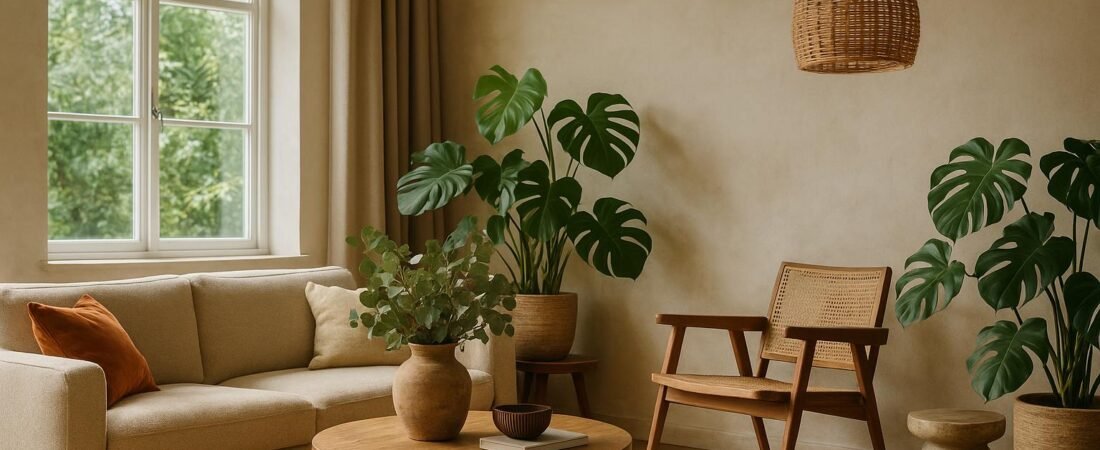
Interior Design Trends Inspired by Nature: How 2026 Homes Are Becoming Restorative Sanctuaries
Nature-inspired interiors in 2026 are less about scattering a few plants around your living room and more about designing entire spaces that feel calm, grounded, and alive. Instead of treating greenery as decoration, designers are rethinking layouts, materials, light, and even air flow to create homes that genuinely support rest and wellbeing.
If you’re drawn to earthy palettes, soft organic shapes, and interiors that feel like a quiet walk in the forest, these are the nature-inspired design trends to know—and how to translate them into your own space.
From “Plant Decor” to Biophilic, Wellness-Driven Homes
Biophilic design—the practice of connecting people and nature through the built environment—is the backbone of 2026’s interior trends. The big shift: nature is no longer an afterthought. It’s built into the architecture, the circulation of light and air, and the materials under your feet and at your fingertips.
Instead of styling a finished room with greenery at the end, homeowners and designers are asking questions upfront:
- Where will the best natural light fall during the day?
- How can we bring in views of sky, trees, water, or landscape?
- Can plants, water, and natural materials be integrated into the structure itself?
- How will this space feel at 7am, 3pm, and 10pm?
The result is a more holistic, wellness-driven approach. Nature-inspired design is becoming a framework for planning calming, restorative interiors—not just a visual style.
Living Ecosystems: Beyond the Single Potted Plant
In 2026, the most exciting nature-inspired spaces don’t rely on lone houseplants parked in corners. They incorporate living systems that feel lush, intentional, and sometimes architectural.
Vertical Gardens and Living Walls
Living walls are moving from hotel lobbies and offices into residential settings. These vertical gardens can be as simple as a small herb wall in the kitchen or as dramatic as a full-height green feature in an entryway or stairwell.
Benefits include:
- Visual impact: A single green wall can become the focal point of an entire room.
- Air quality: Well-planned plantings can help filter indoor air.
- Acoustic comfort: Dense planting can help soften sound and echo.
Indoor Courtyards and Green Zones
Open-plan layouts are being rethought with “green zones” that visually and emotionally break up space. Think:
- Small indoor courtyards with trees or tall grasses.
- Plant-filled light wells connecting multiple floors.
- Window-side benches framed by layered greenery.
These planted pockets invite you to pause, breathe, and connect with the environment around you—even in compact homes or apartments.
Edible and Functional Greenery
Herb gardens in kitchens, balcony planters with berries or salad greens, and indoor citrus trees reflect another key shift: nature isn’t only visual. It’s sensory and practical. Fragrance, taste, and touch all play a role in making interiors feel genuinely alive.
Earthy, Warm Color Palettes Are Replacing Cool Grey
The stark whites and cool greys that dominated the last decade are quietly stepping aside for richer, warmer earth tones. The new nature-inspired palettes are grounded, comforting, and easier to live with long-term.
The New Neutrals
Instead of icy undertones, 2026’s go-to neutrals are cozy and sun-warmed. Expect to see:
- Deep walnut and warm brown
- Caramel and toffee
- Clay and terracotta
- Sand, oat, and beige with a soft yellow or pink undertone
- Muted olive, sage, and moss greens
These colors pair effortlessly with natural materials like oak, linen, and stone, making them ideal bases for nature-inspired interiors.
How to Use Earthy Palettes at Home
- On walls: Swap bright white for a warm off-white, mushroom, or sand tone to instantly soften a room.
- In textiles: Use terracotta, ochre, and muted green in cushions, throws, and rugs for subtle depth.
- On key furniture pieces: Choose sofas or armchairs in warm neutrals that can work across seasons and trends.
The aim is not to recreate a theme park version of nature, but to capture the colors you’d actually see in landscapes: soil, rock, bark, grasses, and leaves.
Organic Shapes and Softer Silhouettes
Nature rarely draws perfectly straight lines, and 2026 interiors are reflecting that. Sharp angles and hard-edged minimalism are giving way to softer, more biomorphic shapes that echo river stones, dunes, and branches.
Curved Furniture and Fluid Forms
Look for:
- Sofas with rounded backs and gently sloping arms.
- Coffee tables and side tables with pebble-like, irregular tops.
- Arched doorways, niches, and shelving.
- Lighting with flowing, sculptural silhouettes.
These curves make spaces feel more welcoming and less rigid, supporting that “cocooning” effect many people now crave at home.
Soft Edges in Architecture
Where possible, designers are also integrating organic shapes into the bones of a space: curved staircases, gently rounded kitchen islands, softened corners on walls, and built-ins with wave-like lines. Even small shifts—like choosing a rounded mirror instead of a stark rectangle—can subtly reinforce a nature-inspired mood.
Natural Materials and Textures Take Center Stage
Texture is where nature-inspired interiors truly come to life. 2026 is all about materials that feel honest, tactile, and slightly imperfect—less gloss, more grain and depth.
Key Materials to Incorporate
- Wood: Oak, walnut, ash, and reclaimed timbers in natural or lightly stained finishes.
- Stone: Travertine, limestone, slate, and honed rather than polished marble.
- Natural textiles: Linen, cotton, wool, bouclé, and woven fibers for upholstery and soft furnishings.
- Plant-based fibers: Rattan, jute, sisal, seagrass, and cane for furniture, lighting, and rugs.
- Handmade ceramics: Matte or subtly glazed pieces that show the maker’s touch.
Sustainability as a Design Standard
The move toward nature-inspired design also means more attention to where materials come from and how they’re produced. Reclaimed wood, recycled content, low-VOC finishes, and ethically sourced textiles are increasingly non-negotiable for homeowners who want their interiors to support both personal wellness and environmental health.
Designing for Wellness: Light, Air, and Acoustic Comfort
One of the most significant shifts in 2026 is the way wellness is shaping interior choices. Nature-inspired design is not only about looking natural—it’s about helping people feel better at home.
Maximizing Natural Light
Light is treated as a primary design element. Key strategies include:
- Enlarging or re-framing windows to capture more daylight and views.
- Using sheer, breathable window treatments instead of heavy, light-blocking drapes.
- Choosing reflective but soft finishes on walls and ceilings to bounce light around.
- Layering warm, dimmable artificial lighting to mimic the rhythms of natural daylight.
Improving Air Quality and Flow
Air quality is getting more attention as people spend more time indoors. Nature-led solutions involve:
- Opening windows strategically to encourage cross-ventilation.
- Using plants thoughtfully to complement, not replace, proper ventilation systems.
- Prioritizing low-toxicity paints, adhesives, and finishes.
- Introducing natural scent through herbs, fresh flowers, or essential oils instead of synthetic fragrances.
Acoustics and Calm
Sound plays a quiet but powerful role in how restorative a space feels. Designers are softening noise and echo with:
- Textiles like rugs, curtains, and upholstered furniture.
- Acoustic panels that double as art, sometimes using moss or natural fibers.
- Layered materials—wood ceilings, fabric wall panels, and soft furnishings—to absorb rather than amplify sound.
Cocooning and Slow Design: Less Clutter, More Intention
“Cocooning” describes the move toward interiors that feel like intimate, protective nests. It’s a natural response to busy, screen-heavy lives and unstable world events. The home becomes a sanctuary where everything has a purpose and nothing shouts for attention.
Fewer, Better Objects
Slow design encourages you to collect intentionally rather than constantly update. In practice, this means:
- Editing surfaces so that only meaningful, functional, or beautiful items are visible.
- Choosing timeless, durable furniture pieces over trendy, disposable ones.
- Embracing patina and wear as part of a piece’s story, not a flaw.
The aesthetic effect is calmer, but the deeper benefit is psychological: you’re less visually overstimulated and more able to decompress at home.
Low-Stimulation Zones
Dedicated relaxation areas are becoming standard: a reading corner with layered textures, a softly lit bedroom with minimal electronics, a bath area that feels spa-like. These spaces typically feature:
- Muted, harmonious colors.
- Soft, indirect lighting.
- Natural materials and tactile layers.
- Very limited visual clutter.
Nature Motifs: Subtle, Refined, and Calm
Botanical prints and seaside themes haven’t disappeared, but they’re being dialed down. The 2026 approach to patterns and motifs is more nuanced and soothing.
Refined Nature References
Instead of bold, high-contrast florals or literal forest murals, designers are opting for:
- Tone-on-tone leaf or branch patterns in wallpapers and fabrics.
- Abstracted wave, ripple, or grain patterns that hint at water or wood.
- Artworks featuring landscapes, horizons, or close-up natural textures.
The goal is to create an atmosphere that evokes being in nature, without overwhelming the senses or turning the room into a theme.
How to Bring 2026 Nature-Inspired Trends into Your Home
You don’t need to renovate your entire house to benefit from these trends. Start where you are and layer in changes over time.
1. Rethink a Single Room Around Light and Calm
- Choose the room where you most want to decompress—often the bedroom or living room.
- Adjust the layout to enhance views and daylight; move seating closer to windows where possible.
- Swap harsh lighting for warm, layered lamps and dimmers.
2. Shift Your Color Palette Gradually
- Introduce a warm neutral wall color or repaint just one accent wall in clay, sand, or muted green.
- Replace a few key textiles—throws, cushions, a rug—with earthy, natural tones and textures.
3. Upgrade Textures and Materials
- Choose natural fiber rugs (jute, wool, sisal) to ground your space.
- Swap synthetic throws for linen or cotton, and plastic decor for wood or ceramic pieces.
- Add a single, well-crafted wooden or stone piece to anchor the room.
4. Create One “Living System” Feature
- Install a small vertical herb garden in the kitchen.
- Cluster plants of varying heights and leaf shapes in one dedicated “green corner.”
- Consider a moss panel or modest living wall if your space and budget allow.