
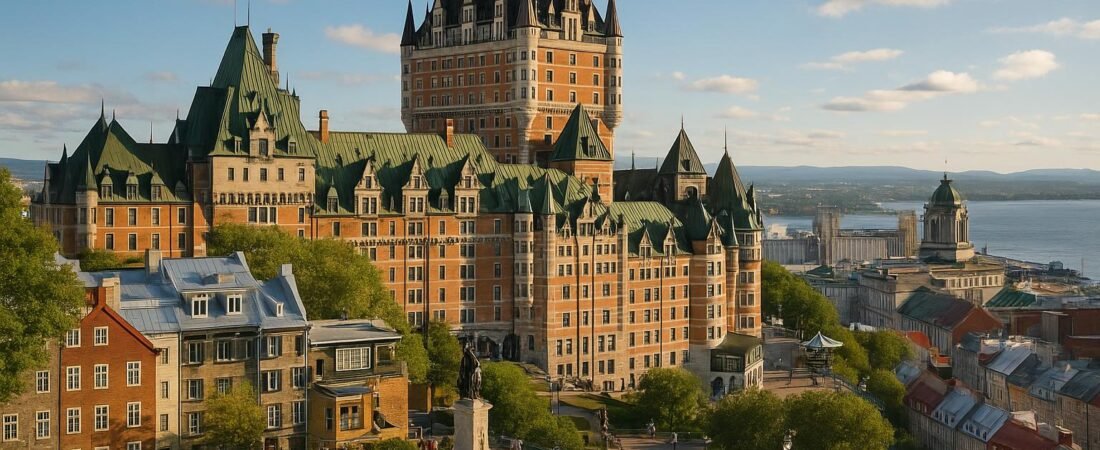
Quebec City combines old-world ambiance with contemporary energy in a way few North American destinations can match. Cobblestone streets wind between stone facades, the St. Lawrence River glimmers below fortified ramparts, and French is the melodic backdrop to daily life. Whether you come for winter festivals, summer café culture, or autumn foliage, this UNESCO-listed city offers a remarkably immersive cultural experience.
Best Time to Visit Quebec City
Seasonal Highlights and Events
Quebec City is a genuine four-season destination, and each period offers a distinct atmosphere.
Winter (December to February) transforms the city into a snow-covered postcard. The focal point is the Quebec Winter Carnival (Carnaval de Québec), usually held from late January to mid-February. Massive ice sculptures, night parades, snow baths, ice canoe races, and the iconic snowman mascot, Bonhomme Carnaval, create a festive mood across Old Quebec. Nearby, the ephemeral Hôtel de Glace (Ice Hotel), about a 20-minute drive from the center, showcases intricate ice architecture and themed suites.
Spring (March to May) is quieter but rewarding. As the snow melts, maple season begins. Sugar shacks (cabanes à sucre) in the surrounding countryside offer hearty traditional meals drenched in maple syrup, often accompanied by folk music. In the city, parks and riverfront promenades slowly come back to life, and crowds are lighter at major attractions.
Summer (June to August) is peak season, with long days and vibrant street life. The highlight is Festival d’été de Québec, one of Canada’s largest music festivals, bringing international headliners and local artists to outdoor stages across the city. Patios spill onto sidewalks, cruise ships dock below the old town, and open-air performances fill the evenings. This is the best time for walking tours, river excursions, and family travel.
Autumn (September to November) is ideal for those seeking a more relaxed pace. The foliage in and around Quebec City can be spectacular from late September to mid-October, especially on Île d’Orléans and in nearby parks like Jacques-Cartier National Park. Cultural events and food festivals celebrate harvest season, with menus highlighting wild game, local cheeses, and seasonal produce. Cooler temperatures and fewer visitors make this a particularly appealing time for sightseeing.
Weather Considerations
Weather in Quebec City can be extreme by many standards, so timing and preparation matter.
Winter is cold, often very cold. Temperatures frequently drop below -10°C (14°F), and windchill, especially along the river and on the fortifications, can make it feel even colder. Snow is abundant, but the city is well-equipped; streets and sidewalks are cleared regularly. Proper winter clothing—insulated boots, thermal layers, a windproof coat, and warm accessories—is essential if you want to enjoy outdoor activities comfortably.
Spring is transitional, with temperatures ranging from near-freezing in March to mild and pleasant by May. Melting snow can make cobblestone streets wet and sometimes slippery, so reliable footwear is useful. Rain is common, particularly in April.
Summer brings pleasantly warm days, typically between 20–26°C (68–79°F), with occasional hotter spells. Humidity can rise, but evenings usually cool down nicely. A light jacket is still helpful for boat tours on the St. Lawrence River or late-night strolls along the Promenade des Gouverneurs.
Autumn starts mild in September and cools progressively. By late October and November, frost is common, and early snowfalls are possible. Layers are again the best strategy, especially if you plan day trips into the surrounding countryside where temperatures can be a few degrees cooler.
Top Attractions in Quebec City
Must-See Historical Sites
Quebec City’s compact historic center, Vieux-Québec, is one of the best-preserved colonial quarters in North America. Its architecture, fortifications, and winding lanes invite slow exploration.
Old Quebec (Vieux-Québec), a UNESCO World Heritage Site, is divided into the Upper Town and Lower Town. The Upper Town sits atop Cape Diamond, dominated by the iconic Fairmont Le Château Frontenac. Even if you are not staying at this grand hotel, step inside the lobby to appreciate its opulent interiors or visit one of its bars for a drink with a view. Outside, Dufferin Terrace offers sweeping panoramas of the St. Lawrence, with street performers and kiosks enlivening the promenade in warmer months.
Wander through Place d’Armes and admire the façade of Notre-Dame de Québec Basilica-Cathedral, whose history stretches back to the 17th century. Nearby, the Citadelle of Quebec, an active military installation and star-shaped fortress, provides guided tours that delve into the city’s strategic role as a fortified stronghold. The changing of the guard ceremony (seasonal) is particularly engaging.
The Lower Town, once the heart of commercial life, centers around Place Royale, a charming square framed by stone buildings and the picturesque Notre-Dame-des-Victoires Church. Stroll along Rue du Petit-Champlain, one of the oldest streets in North America, lined with boutiques, galleries, and cafés. The Funicular linking Upper and Lower Town offers an easy—and scenic—alternative to climbing the steep staircases.
For more context, the Musée de la civilisation, close to the riverfront, presents well-curated exhibitions on Quebec’s social history, Indigenous cultures, and global themes. Its interactive displays make it a strong choice for families and curious travelers alike.
Parks and Outdoor Activities
Beyond its stone walls, Quebec City is ringed with green spaces and natural landscapes that invite outdoor exploration year-round.
Plains of Abraham, within Battlefields Park, is both a historic site and a beloved urban park. This was the scene of the pivotal 1759 battle between French and British forces, but today locals use it for picnics, jogging, cross-country skiing, and open-air concerts. Interpretive panels and the Plains of Abraham Museum explain the battlefield’s importance, while broad lawns and river views offer an appealing counterpoint to the dense old town.
For spectacular river scenery, visit Montmorency Falls Park, about 15 minutes by car or bus from central Quebec City. The falls, at 83 meters (272 feet), are taller than Niagara. A suspension bridge spans the crest of the cascade, and viewing platforms provide multiple vantage points. In summer, a cable car and zipline appeal to thrill-seekers; in winter, the spray creates an impressive cone of ice known as the “Sugarloaf.”
Nature lovers should consider a day trip to Jacques-Cartier National Park, roughly 30–40 minutes from the city. Deep glacial valleys, dense forest, and the sinuous Jacques-Cartier River form an outdoor playground for hiking, canoeing, kayaking, snowshoeing, and wildlife watching. Trails range from short viewpoints to more demanding routes, making the park accessible to most fitness levels.
If you prefer a gentler rural escape, head to Île d’Orléans, an agricultural island just downstream from the city. Its country roads pass orchards, vineyards, and farm stands selling berries, cider, cheeses, and artisanal products. Rent a car or bicycle for a leisurely circuit, and stop at viewpoints overlooking the river and the skyline of Quebec City in the distance.
Where to Stay in Quebec City
Best Neighborhoods for Tourists
Choosing the right area can shape your experience, especially if you plan to explore mostly on foot.
Old Quebec (Vieux-Québec) is the most atmospheric base, ideal for first-time visitors who prioritize charm and walkability. Staying within the fortified walls or just outside them places you within minutes of major landmarks, restaurants, and museums. Streets can be busy in peak season, but early mornings and evenings are extraordinarily peaceful.
Saint-Jean-Baptiste, just west of the Old City walls along Rue Saint-Jean, offers a more local feel while remaining central. It is a good choice if you enjoy independent boutiques, small bistros, and a slightly bohemian atmosphere. The hillier streets provide views toward the river, and you can walk to Old Quebec in around 10–15 minutes.
Saint-Roch has emerged as Quebec City’s creative and tech district. Once industrial, it now hosts design shops, microbreweries, third-wave coffee bars, and innovative restaurants. It is ideal for travelers seeking nightlife, contemporary culture, and more budget-conscious options, though it is a downhill (and then uphill on the way back) stroll from the historic core.
Montcalm, bordering the Plains of Abraham, is a refined residential area sometimes dubbed the “Arts District.” It features tree-lined streets, galleries, and proximity to the Musée national des beaux-arts du Québec. This neighborhood suits visitors looking for tranquil evenings, green space, and easy access to both the old town and more modern districts.
Top-Rated Hotels and Accommodations
Quebec City’s accommodation scene ranges from grand heritage properties to intimate inns and stylish contemporary hotels.
For classic elegance, Fairmont Le Château Frontenac is the city’s defining address. Its castle-like silhouette dominates the skyline, and interiors blend historic detail with modern comfort. Guests benefit from direct access to Dufferin Terrace and extraordinary river views. This is a natural choice for special occasions and travelers who value full-service amenities.
Several boutique hotels occupy meticulously restored townhouses within Old Quebec. Properties such as Auberge Saint-Antoine, located in the Lower Town near the river, pair archaeological artifacts with refined, design-forward rooms and an acclaimed restaurant. Smaller inns and B&Bs scattered through the old streets provide a more intimate, residential experience, often with homemade breakfasts and personalized advice from hosts.
In Saint-Roch and Saint-Jean-Baptiste, you will find a mix of contemporary hotels, guesthouses, and serviced apartments at generally lower prices than inside the walls. These options suit longer stays or travelers who prefer added space and kitchen facilities. Chains and mid-range properties cluster along major arteries like Boulevard René-Lévesque and in the Sainte-Foy district near shopping centers and universities, convenient if you are arriving by car or combining business and leisure.
During major festivals and holiday periods, demand is high and prices rise accordingly. Booking well in advance, especially for winter carnival or summer music festival dates, ensures better selection and more favorable rates.
Food and Dining in Quebec City
Local Cuisine to Try
Quebec City’s culinary scene reflects French heritage, local terroir, and a robust bistro tradition. Portions tend to be generous, and menus emphasize comfort, seasonality, and regional products.
Poutine, the iconic Quebec dish of fries, cheese curds, and gravy, is ubiquitous but varies significantly in quality. Seek out versions prepared with crisp, hand-cut potatoes, squeaky fresh curds, and rich, aromatic sauce. Many eateries offer creative toppings—braised meats, foie gras, or wild mushrooms.
Tourtière, a traditional meat pie, is usually filled with seasoned pork or a blend of meats and served with pickles or chutney. It appears frequently around the holidays but can be found year-round in more traditional restaurants. Another rustic specialty, cipaille, layers meats and dough in a hearty casserole, though it is less common on everyday menus.
Quebec’s forests and waterways enrich local gastronomy with game, fish, and berries. Dishes featuring venison, duck, hare, and Arctic char showcase this bounty. Cheese lovers should look for regional varieties from small producers on Île d’Orléans and elsewhere, often highlighted on cheese boards and in gourmet shops.
Maple syrup is integral to the province’s culinary identity. In addition to classic maple taffy on snow (especially at sugar shacks), you will encounter maple-infused desserts, dressings, and even cocktails. Bakeries and patisseries combine French technique with local flavors, offering buttery croissants, tarte au sucre (sugar pie), and pastries featuring seasonal fruits.
Best Restaurants and Cafés
Dining in Quebec City ranges from refined gastronomic experiences to casual bistros and characterful cafés tucked into historic buildings.
For fine dining, several acclaimed restaurants in and around Old Quebec focus on inventive Quebecois cuisine and meticulous sourcing. Expect multi-course tasting menus highlighting foraged ingredients, regional seafood, and sophisticated presentations. Advance reservations are strongly recommended, particularly on weekends and during festivals.
Atmospheric bistros abound, particularly along Rue Saint-Jean, Rue Saint-Louis, and in Saint-Jean-Baptiste. These establishments serve classics such as onion soup gratinée, confit duck, steak frites, and seasonal salads, often in candlelit, stone-walled rooms. The balance of quality and price makes them appealing for both lunch and dinner.
Saint-Roch is a hub for contemporary gastronomy, with restaurants that blend international influences and local ingredients. Here you will find inventive vegetarian dishes, small plates designed for sharing, craft beer pairings, and natural wine lists. It is a neighborhood worth visiting in the evening even if you are staying elsewhere.
Cafés are central to daily life. In the Upper Town and along streets like Rue Saint-Joseph and Rue Saint-Jean, independent coffee shops roast beans in-house, serve pastries baked on-site, and provide a cozy refuge in winter or sunny terraces in summer. Many double as informal wine bars in the evening, emphasizing local ciders and Quebec-made wines.
To sample multiple specialties in one outing, consider a guided food tour through Old Quebec or Saint-Roch. These walks introduce you to regional products, from artisanal chocolates and charcuterie to cider and ice cider, while also weaving in historical and cultural insights.
Conclusion
Quebec City offers more than picturesque streets and a famous skyline; it is a living, breathing city where Francophone culture, layered history, and natural landscapes converge. From strolling the fortifications at sunset to savoring a maple-laced dessert in a stone-walled dining room, experiences here resonate long after departure. By choosing the season that best matches your interests, selecting a neighborhood that suits your style, and exploring both iconic sights and lesser-known quarters, you will discover why Quebec City remains one of North America’s most memorable urban destinations.
Books
Creative AI: Animated Drawings, Manga & Illustrations:
The Complete Guide to Creating Your Own Animations and Comics with Artificial Intelligence
Build a Game with A
The No-Code Guide to Creating Fun, Playable Games Fast Using ChatGPT, Claude, and AI Game-Making Tools — No Coding Skills Required
AI Image Generation Made Easy :
A Beginner’s Guide to Creating Stunning Visuals with Midjourney, DALL·E, Adobe Firefly, and Other AI Art Tools
Build a Website with AI:
The No-Code Guide to Creating Stunning Websites Fast Using ChatGPT, Claude, and AI Website Builders — No Coding Skills Required
How to Connect AI to Your Blog:
The Ultimate Automation Guide: Supercharge your publishing workflow, automate content creation, and grow organic traffic with seamless AI blog integration
Didier Lancelot
AI Productivity Habits:
How to Get More Done in Less Time Using ChatGPT and AI Tools: A No-Nonsense System for Busy Professionals to Automate Busywork, Reclaim 10+ Hours a Week, and Beat Burnout
Didier Lancelot
AI Avatars Made Easy:
Create Stunning Digital Personas, Virtual Influencers & Talking Avatars with AI Tools (No Design Skills Needed)
Didier Lancelot
The Book of AI Prompts:
100+ Proven Prompts to Master ChatGPT, Save Time, and Unlock Smarter Results
Didier Lancelot
Make Music with AI:
A Step-by-Step Guide to Suno, Udio, and AI Music Generators for Musicians, Content Creators, and Producers
Didier Lancelot
Hidden Superfoods:
The World’s Most Powerful Healing Foods You’ve Never Been Told About: Discover Rare, Science-Backed Nutrients That Boost Immunity, Fight Inflammation, and Transform Your Health
Didier Lancelot
Spanish Food: The Complete Cookbook for Authentic Home Cooking:
Traditional Tapas, Paella, and Regional Recipes Made Simple
Didier Lancelot
The Science of Happiness Explained:
How Neuroscience, Psychology, and Positive Habits Can Help You Find Lasting Joy, Reduce Stress, and Build a More Fulfilling Life
Didier Lancelot
Best Places to Travel:
The Ultimate 2026 Guide to Bucket-List Destinations, Hidden Gems, and Unforgettable Adventures Around the World
Didier Lancelot
Garden Made Simple:
Easy, Beginner-Friendly Techniques for Growing Vegetables, Herbs, and Flowers in Any Space
Didier Lancelot
The Dog Training Bible:
Proven Positive Reinforcement Techniques to Stop Bad Behavior, Master Obedience Commands, and Raise a Well-Behaved Dog in 30 Days