
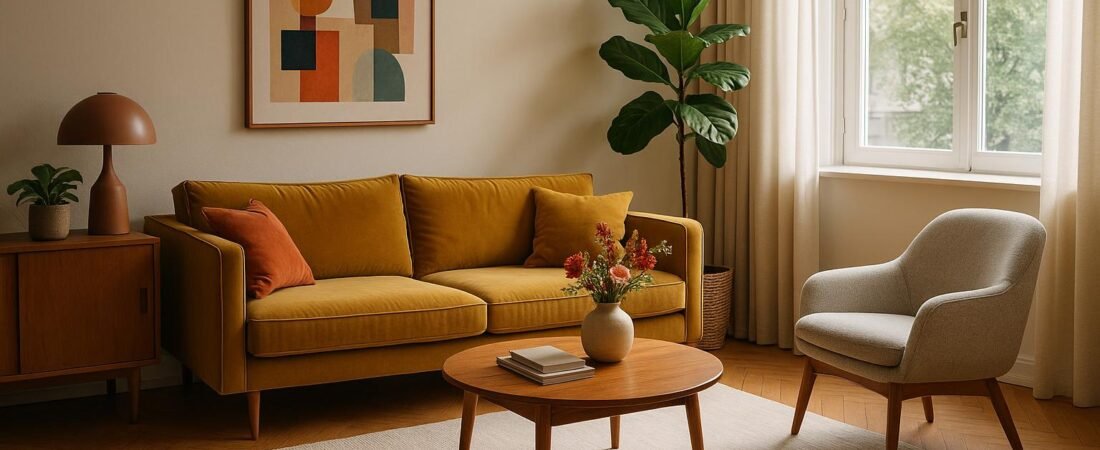
Thinking about refreshing your home without diving into a full renovation? The most stylish interiors in 2026 are less about perfection and more about warmth, comfort, and personality. Instead of stark white spaces and hard-edged minimalism, designers are embracing soft curves, tactile materials, and rooms that feel truly lived in.
This guide breaks down the key interior design ideas behind a stylish home makeover today, then shows you how to apply them room by room with small, high-impact updates you can realistically tackle.
The New Direction: Warm, Livable, and Personal
Modern interiors are shifting from museum-like minimalism to “warm minimalism with personality.” That means:
- Fewer but better pieces instead of clutter,
- Softer silhouettes rather than sharp angles,
- Neutral bases warmed up with earthy tones and texture,
- Spaces that are styled, but still clearly lived in.
Think calm, cocooning rooms layered with character: a curved sofa in a mushroom-toned living room, vintage pottery on warm wood shelves, textured rugs underfoot, and lighting that feels like jewelry for your home.
Key Elements of a Stylish 2026 Home Makeover
1. Warm Neutrals and Earthy Color Palettes
Crisp white and cool gray are taking a backseat to warmer, more forgiving shades. For a modern, stylish palette, lean into:
- Warm neutrals: stone, clay, taupe, greige, mushroom, sand, and oatmeal.
- Earthy tones: terracotta, camel, olive, deep brown, rust, and muted ochre.
- Moody accents: inky blue, forest green, espresso, and charcoal for depth.
These hues create a cozy backdrop that makes everything—from art to textiles—look richer. If you want a quick transformation, repainting a room in a warm neutral or deep earthy tone is one of the most impactful upgrades you can make.
2. Curves and Soft Silhouettes
Curved furniture and organic shapes instantly modernize a room and soften its mood. Instead of linear, boxy silhouettes, look for:
- Rounded or crescent sofas
- Oval or capsule-shaped coffee tables
- Arched mirrors and headboards
- Scalloped edges on side tables, lighting, or textiles
- Rounded poufs and ottomans
You don’t have to replace every piece. Even one curved hero item—like an arched floor mirror or a rounded side chair—can break up visual rigidity and make the room feel more current.
3. Texture Layering Instead of Visual Clutter
Texture is doing the heavy lifting in stylish interiors. Rather than adding more objects, designers layer tactile materials to create depth and interest:
- Textiles: bouclé, linen, velvet, wool, and chunky knits
- Natural fibers: jute, sisal, seagrass, rattan
- Finishes: limewash walls, patinaed metals, terracotta, matte ceramics
- Rugs: combining a flatweave with a softer, plush rug
A room can stay fairly neutral in color but feel layered and rich through contrast—smooth vs. nubby, matte vs. glossy, hard vs. soft. Aim for at least three distinct textures in every room.
4. Mixing Old and New for Character
Perfectly matched, brand-new furniture sets are being replaced by collected, characterful spaces. The most stylish homes blend:
- Vintage finds: a mid-century credenza, a carved side table, or a retro lamp
- Heirloom pieces: rugs, quilts, ceramics, or artwork with family history
- Modern staples: streamlined sofas, clean-lined storage, updated lighting
The mix makes a home feel grounded and unique. Even if you’re starting from scratch, a single vintage mirror or thrifted chair can instantly break the “showroom” look.
5. Color Drenching and Tonal Rooms
For a polished, design-forward look, color drenching is big: painting walls, trim, doors, and sometimes ceilings in the same color or in closely related tones.
This technique is particularly effective in:
- Living rooms: cocoon-like walls and trim in a warm greige or mushroom
- Bedrooms: soft taupe, putty, or dusty rose for a serene, enveloping feel
- Small spaces: powder rooms, entryways, and home offices
If full color drenching feels too bold, try a tonal approach: walls in a light shade, trim and doors a few steps darker on the same paint card.
6. Pattern with Restraint
Pattern is back, but it’s curated—not chaotic. You can layer prints as long as you:
- Stick to a cohesive palette (e.g., rust, cream, and olive)
- Vary the scale of patterns (large floral, medium stripe, small check)
- Repeat a motif or color at least three times in the room
Think striped cushions on a sofa, a subtle patterned rug, and a small-scale print on a lampshade—all in complementary colors—rather than a single big, loud pattern doing all the work.
7. Comfort-Led Layouts and Zoned Spaces
Design is moving away from “showroom open plan” toward rooms that prioritize comfort, conversation, and multiple uses. This means:
- Creating seating zones instead of furniture pushed against walls
- Adding reading nooks or lounge corners in bedrooms and living rooms
- Using rugs, screens, or bookcases to subtly zone open spaces
- Designing flex areas that can shift between work, hobbies, and relaxation
Ask how you really use each room—then arrange furniture to support that, rather than designing for a magazine spread.
8. Natural and Durable Materials
Sustainability and longevity are major design drivers. Instead of fast-furniture and synthetic finishes, the focus is on:
- Warm wood tones: oak, walnut, ash, and reclaimed timber
- Natural stone: marble, travertine, soapstone, and limestone accents
- Terracotta, cork, and clay tiles
- High-quality, durable fabrics: wool, linen, and cotton blends
These materials age gracefully, develop patina, and add authenticity—key qualities in a timeless, stylish home.
9. Statement Details and Lighting
Instead of changing everything, designers are using a few bold details to elevate a room:
- Oversized pendants or sculptural chandeliers
- Statement mirrors (arched, extra-large, or uniquely framed)
- Decorative flooring (patterned tiles, inlaid wood, or painted floors)
- Bold hardware in warm metals—brushed brass, bronze, or blackened steel
- Lacquered or deeper-toned ceilings for drama
Think of these as the jewelry of your interior: they catch the eye and make the room feel finished.
Room-by-Room Ideas for a Stylish Home Makeover
Living Room: Curated, Cozy, and Conversation-Friendly
The living room sets the tone for your home, and it’s one of the easiest spaces to update with high-impact changes.
Try these interior design ideas:
- Introduce a curved hero piece: a rounded sofa, a bouclé accent chair, or an oval coffee table to soften the layout.
- Layer your rugs: place a plush rug over a larger natural fiber rug (like jute or sisal) for texture and warmth.
- Warm up the palette: swap cool-toned cushions and throws for earthy tones—rust, camel, olive, and deep chocolate.
- Update lighting: add a sculptural floor lamp, a vintage-inspired table lamp, or a new statement pendant for better ambience.
- Showcase collected objects: style shelves or a console with a mix of books, vintage pottery, framed art, and personal mementos.
- Rezone the layout: pull furniture away from walls, create a dedicated reading corner, or angle seating to encourage conversation.
Even just changing your coffee table, adding a large textured rug, and upgrading lighting can make the space feel completely different.
Bedroom: Calm Sanctuary with a Lounge Feel
Bedrooms in 2026 are more than sleep zones—they’re soft, cocooning spaces designed for rest, reading, and quiet time.
For a stylish bedroom makeover:
- Choose a warm-neutral base: paint walls in a soft greige, mushroom, or sandy beige for an instant calming effect.
- Upgrade the headboard: an upholstered or softly curved headboard in linen, velvet, or bouclé makes the bed feel luxe and inviting.
- Layer soft textiles: mix crisp sheets with a quilt or coverlet, a textured blanket, and a few different-sized cushions.
- Create a lounge corner: add a comfortable chair, small side table, and lamp to carve out a reading or relaxing zone.
- Use tonal drapery: floor-length curtains in a tone similar to the walls add hotel-like sophistication and warmth.
- Soften the lighting: use bedside lamps or wall sconces with warm bulbs and dimmers instead of relying on a single overhead light.
A bedroom makeover can often be achieved with paint, new bedding, upgraded curtains, and a single accent chair—no renovation required.
Kitchen: Warm, Expressive, and Functional
Most people can’t fully remodel their kitchen on a whim, but you can still bring in current design trends with targeted updates.
Focus on:
- Warm wood and stone accents: add a wood cutting board collection, a stone tray, or open shelves in warm timber.
- Statement hardware: replace basic cabinet handles with substantial pulls in brushed brass, bronze, or black.
- Expressive lighting: hang a sculptural pendant over the island or dining area to act as a focal point.
- Curved details: choose rounded bar stools, curved-backed chairs, or a gently rounded island edge.
- Styled but functional surfaces: group everyday items (oil, salt, pepper, utensils) on a tray or board for a curated look.
- Hidden storage where possible: use baskets, drawer organizers, and lidded containers to keep clutter out of sight.
Even something as simple as painting lower cabinets a rich, earthy shade, upgrading handles, and adding a bold pendant can dramatically shift the feel of the room.
Bathroom: Spa-Like, Earthy, and Serene
Bathrooms are moving toward spa-inspired, wellness-focused design: calm, natural, and soothing.
To refresh your bathroom without a full reno:
- Switch to earthy tones: towels, bath mats, and accessories in sand, stone, moss, or clay colors.
- Add natural materials: wood stools, bamboo trays, stone or ceramic soap dispensers, and woven baskets.
- Upgrade hardware and fixtures: taps, showerheads, and handles in brushed nickel, brass, or black for a more intentional look.
- Bring in texture: waffle towels, ribbed glass, stone-look accessories, and a textured shower curtain.
- Improve lighting and mirrors: