
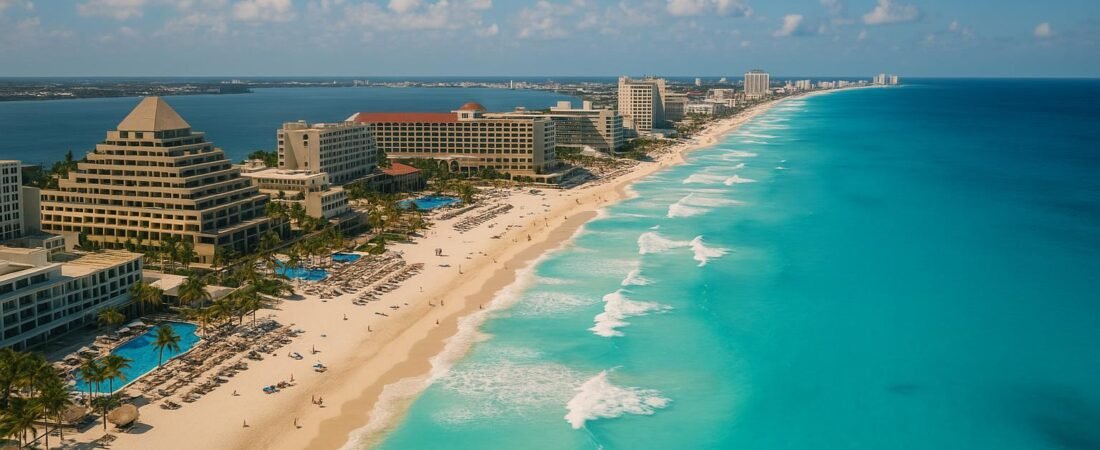
Cancún has long been synonymous with turquoise seas, powder-soft sand, and a lively atmosphere that runs from sunrise to well past midnight. Yet beyond its polished resort façade, the city offers fascinating Mayan history, striking natural wonders, and a rapidly evolving culinary scene. This guide distills when to go, what to see, where to stay, and what to eat in Cancún so you can plan a trip that goes far beyond the postcard view.
Best Time to Visit Cancun
Weather and Climate Overview
Cancún enjoys a tropical climate with warm temperatures year-round, making it an appealing destination in any season. Average daytime highs range from 26–32°C (79–90°F), with balmy evenings and warm sea temperatures that stay comfortable even in winter.
December through April is the driest period, characterized by abundant sunshine, low humidity compared with summer, and calmer seas—ideal conditions for beach days, snorkeling, and sailing. May and June mark the transition into the wet season, bringing higher humidity and occasional afternoon showers that often pass quickly.
The Atlantic hurricane season officially runs from June to November, with the highest probability of storms in September and October. While direct hits are relatively rare, this period can bring heavier rain, stronger winds, and choppier seas. In return, you benefit from lower prices and fewer crowds, particularly if you avoid major holiday dates.
Peak Season vs. Off-Peak Season
Understanding Cancún’s travel seasons helps you balance cost, weather, and atmosphere:
- Peak Season (December to April): This is classic beach weather: dry, sunny, and comfortably warm. It coincides with winter holidays, New Year’s, and spring break, leading to higher rates for flights and accommodations, plus fuller hotels and busier beaches. Advance booking is essential for top resorts and popular tours.
- Shoulder Seasons (late April to early June, November to early December): These periods offer a sweet spot between good weather and manageable crowds. You’ll find more availability, promotional rates on all-inclusive resorts, and shorter waits at attractions. Afternoon showers are possible but seldom disrupt an entire day.
- Off-Peak Season (June to October): Temperatures and humidity rise, and rain showers are more frequent, particularly in September and October. However, prices drop significantly, and the overall pace becomes more relaxed. It is also a rewarding time for certain wildlife experiences, such as swimming with whale sharks in nearby waters (typically June to mid-September).
For most travelers, late November, February, and March (avoiding major holidays) offer the best balance of pleasant climate, availability, and value.
Top Attractions in Cancun
Must-See Historical Sites
While Cancún is famous for its nightlife and resorts, it also serves as a gateway to some of the most compelling Mayan archaeological sites in the Yucatán Peninsula.
- Chichén Itzá: Approximately 2.5 hours from Cancún, this UNESCO World Heritage Site is one of the New Seven Wonders of the World. The iconic pyramid of El Castillo, the Great Ball Court, and the Temple of the Warriors reveal the astronomical knowledge and architectural mastery of the ancient Maya. Arrive early to avoid mid-day heat and tour-bus crowds.
- Tulum Ruins: Perched on cliffs overlooking the Caribbean, the Tulum archaeological zone offers a striking combination of history and scenery. Once a fortified trading port, it showcases well-preserved structures such as El Castillo and the Temple of the Frescoes. Many visits combine the ruins with time on Tulum’s beaches or a swim in nearby cenotes.
- El Rey and El Meco: Within and just outside Cancún itself, these smaller sites provide an accessible glimpse into Mayan heritage without the long drive. El Rey is located in the Hotel Zone and is particularly convenient if you want a short cultural excursion between beach sessions. El Meco, to the north, is more tranquil and often less crowded.
- Coba: Set in the jungle about two hours from Cancún, Coba’s network of sacbé (ancient white roads) and towering pyramids offers a more immersive, less manicured experience. It is ideal for travelers who enjoy cycling or walking amid forested ruins.
Popular Beaches and Natural Wonders
Cancún’s coastline is its primary draw, but the region’s natural appeal extends far beyond the Hotel Zone.
- Playa Delfines: Widely considered one of Cancún’s most beautiful public beaches, Playa Delfines offers sweeping views of the Caribbean, rolling waves, and the iconic “Cancún” sign. There is minimal development directly on the sand, so it feels more open and less commercial than other stretches.
- Playa Tortugas and Playa Caracol: Located in the Hotel Zone, these family-friendly beaches feature calmer waters, beach clubs, and easy access to water sports such as parasailing, jet skiing, and boat excursions to Isla Mujeres.
- Isla Mujeres: A short ferry ride across the bay, this island offers the relaxed charm many visitors wish for when they envision the Caribbean. Playa Norte, with its shallow, crystal-clear waters and gentle waves, is one of the region’s finest swimming beaches. Rent a golf cart to explore colorful streets, local eateries, and the dramatic cliffs at Punta Sur.
- Cenotes: The Yucatán is famous for its cenotes—natural limestone sinkholes filled with fresh, often impossibly clear water. From Cancún, you can join tours to cenotes near Puerto Morelos, Valladolid, or along the Riviera Maya. Popular options include Cenote Azul, Dos Ojos, and Gran Cenote, where you can swim, snorkel, or dive in ethereal underground chambers.
- Isla Contoy and Biosphere Reserves: Nature-focused travelers should consider a day trip to Isla Contoy, a protected island and bird sanctuary north of Isla Mujeres, or to the Sian Ka’an Biosphere Reserve farther south. These excursions highlight the region’s mangroves, coral reefs, and rich marine life, including sea turtles and tropical fish.
Where to Stay in Cancun
Best Areas for Tourists
Cancún’s layout is straightforward: most visitors choose between the Hotel Zone along the barrier island and Downtown Cancún on the mainland, with additional options in nearby coastal communities.
- Hotel Zone (Zona Hotelera): This narrow strip of land is the heart of Cancún’s tourism industry. It lines the Caribbean Sea on one side and the Nichupté Lagoon on the other, offering direct beach access, resort complexes, nightlife, shopping malls, and an abundance of restaurants. It suits travelers seeking convenience, beach views, and resort-style amenities.
- Downtown Cancún (El Centro): More residential and authentic, the center of Cancún offers a glimpse of local daily life. Hotels here are typically more affordable, with smaller boutique properties and business-style accommodations. Street markets, neighborhood parks, and local restaurants are within easy reach, and buses and taxis make it straightforward to access the Hotel Zone beaches.
- Puerto Juárez and Costa Mujeres: Just north of the main town, this area has grown rapidly and now features new upscale resorts, many of them all-inclusive. It is quieter than the central Hotel Zone, with easier access to the ferry for Isla Mujeres and a more relaxed atmosphere.
- Nearby Riviera Maya: If you prefer a base slightly away from Cancún’s bustle, coastal towns like Puerto Morelos and Playa del Carmen are an easy transfer south. Many travelers combine a few days in Cancún with time in one of these smaller, more laid-back communities.
Recommended Hotels and Resorts
Cancún’s accommodations range from intimate guesthouses to expansive luxury resorts. Consider the style of trip you want—lively and social, family-oriented, or serene and secluded—when choosing where to stay.
- Luxury Beachfront Resorts: High-end properties along the Hotel Zone offer polished service, spa facilities, gourmet dining, and prime stretches of sand. Many feature infinity pools overlooking the sea, curated excursions, and adults-only sections for added tranquility.
- All-Inclusive Resorts: All-inclusive hotels are abundant, catering to couples, families, and groups. They typically include meals, drinks, entertainment, and many activities in a single rate, simplifying budgeting. When comparing options, look closely at restaurant variety, included water sports, and whether premium drinks or specialty dining incur surcharges.
- Boutique and Design Hotels: For travelers seeking a more personalized experience, smaller boutique hotels in the Hotel Zone, Downtown Cancún, or nearby coastal towns provide distinctive décor, locally inspired design, and more intimate service. These properties often partner with local guides and operators for tailored excursions.
- Family-Friendly Stays: Numerous resorts cater specifically to families, with kids’ clubs, children’s pools, water slides, and family suites. Location can be as important as facilities; beaches with calmer waters and easy access to supermarkets or pharmacies are especially convenient when traveling with children.
- Budget-Friendly Options: Hostels, guesthouses, and modest hotels in Downtown Cancún offer excellent value. Many are within walking distance of bus stations and local dining hubs, making them ideal for independent travelers and backpackers who plan to explore the wider region on day trips.
Food and Dining in Cancun
Local Cuisine to Try
Cancún’s culinary landscape blends traditional Yucatecan flavors with contemporary Mexican cuisine and international influences. Exploring local dishes is one of the most rewarding ways to connect with the region’s culture.
- Cochinita Pibil: A signature Yucatecan dish of pork marinated in citrus and achiote, then slow-roasted until tender. It is typically served in tacos or tortas with pickled red onions and a touch of habanero salsa.
- Tikin Xic Fish: Fresh fish marinated with achiote, citrus, and spices, then grilled or baked in banana leaves. The flavors are bright and aromatic, and many beachside restaurants serve it as a house specialty.
- Panuchos and Salbutes: These antojitos (snacks) feature tortillas topped or stuffed with ingredients such as slow-cooked turkey or pork, avocado, lettuce, and salsa. They are ideal for sampling multiple flavors in a single meal.
- Sopa de Lima: A fragrant chicken and lime soup garnished with crispy tortilla strips. Light but full of character, it makes a perfect starter on a warm evening.
- Seafood Ceviche: The Caribbean coast offers abundant fresh seafood, and ceviche—marinated fish or shrimp “cooked” in lime juice with onion, cilantro, and tomato—is ubiquitous. Coastal eateries often serve generous portions, best enjoyed with a sea view.
- Street Tacos and Marquesitas: In Downtown Cancún, you will find tacos al pastor, carne asada, and other regional specialties sold from stands and small taquerías. For dessert, look for marquesitas: crispy crepes rolled around fillings such as Nutella, cajeta, or Edam cheese.
Top Restaurants and Street Food Spots
From elegant dining rooms to informal market stalls, Cancún provides options for every palate and budget. While specific venues evolve constantly, the following types of places are consistently rewarding to seek out:
- Fine Dining in the Hotel Zone: Upscale restaurants within resorts and standalone venues along the lagoon and beachfront serve refined Mexican and international cuisine. Expect creative tasting menus, expertly mixed cocktails, and curated wine lists. Many prioritize local ingredients and contemporary takes on classic dishes.
- Lagoon-Side Seafood Restaurants: Dotted along the Nichupté Lagoon, these establishments specialize in fresh fish and shellfish, often grilled or prepared as ceviche. They typically feature open-air terraces where you can watch the sunset, making them ideal for a leisurely evening meal.
- Downtown Taquerías and Comida Corrida Spots: In El Centro, look for small, busy eateries popular with locals during lunch and late evening. These spots frequently offer affordable set menus, hearty stews, tacos, and daily specials with an authentic home-style flavor.
- Mercado and Street Stalls: Markets and food stands are ideal for sampling regional snacks and inexpensive meals. You can taste everything from fresh fruit juices and tamales to grilled meats and sweets. Seek stalls with high turnover and visible hygiene standards.
- Cafés and Bakeries: Independent cafés and panaderías scattered through Downtown Cancún and nearby neighborhoods serve quality coffee, pastries, and light breakfasts. They provide a quieter alternative to resort buffets and a window into everyday local life.
When dining outside your hotel, consider reservations during high season, especially for renowned restaurants or popular weekend evenings. Tipping around 10–15% is customary in sit-down establishments if service is not already included.
Conclusion
Cancún delivers the classic Caribbean escape—sunlit beaches, warm seas, and an impressive range of resorts—yet its appeal extends well beyond the shoreline. Time your visit with the season that best matches your priorities, then balance days on the sand with excursions to Mayan ruins, swims in hidden cenotes, and evenings exploring local flavors. Whether you stay in a polished all-inclusive along the Hotel Zone or a modest guesthouse in Downtown Cancún, the city offers ample opportunities to tailor your experience. With thoughtful planning, Cancún becomes not just a beach destination, but a diverse and memorable introduction to the wider Yucatán Peninsula.