
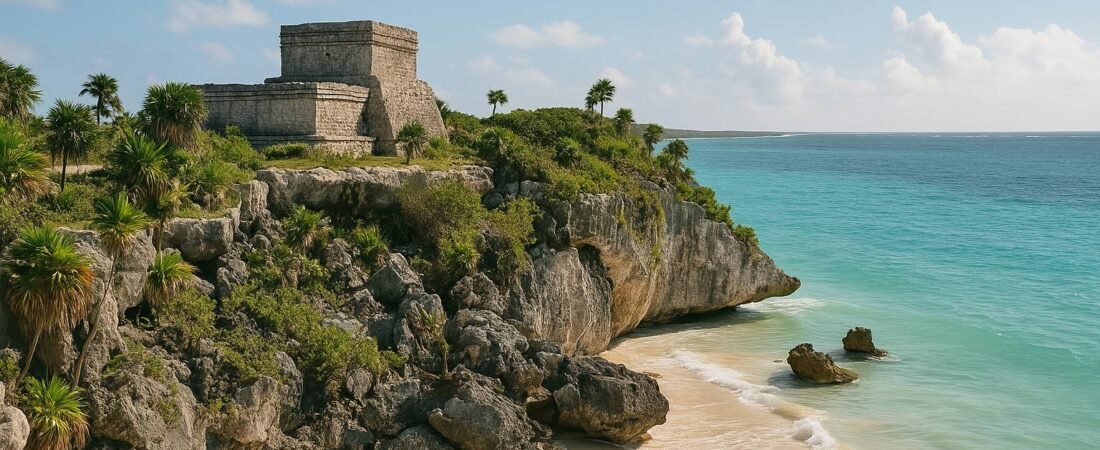
Tulum has evolved from a sleepy fishing village into one of Mexico’s most sought-after coastal escapes. Framed by powder-soft beaches, jade-colored Caribbean waters, and jungle-clad Mayan ruins, it offers a rare blend of bohemian charm, luxury hospitality, and raw natural beauty. Whether you are seeking sunrise yoga on the sand, cenote dives, or archaeological exploration, planning your trip thoughtfully will help you experience the best of Tulum while avoiding pitfalls like crowds, inflated prices, and transport confusion.
Best Time to Visit Tulum
Weather Conditions Throughout the Year
Tulum enjoys a tropical climate with warm temperatures year-round, but conditions vary significantly by season.
- High Season (December to April): This is the driest and most pleasant period, with daytime temperatures typically between 24–29°C (75–84°F) and relatively low humidity. Seas are calm, visibility is excellent for snorkeling and diving, and rain showers are usually brief. However, this is also when Tulum is at its busiest and most expensive.
- Shoulder Seasons (May–June and November): These months often hit the sweet spot for value and weather. Expect warm, humid days around 27–31°C (80–88°F), occasional afternoon thunderstorms, and more manageable crowds. Seaweed (sargassum) can be more prevalent from late spring into summer, affecting some beaches, but conditions vary by year and tide.
- Low Season and Hurricane Period (July to October): This is the hottest and wettest time, with temperatures often rising above 32°C (90°F) and high humidity. Rainfall is heavier, especially in September and October, and there is an increased risk of tropical storms and hurricanes. On the upside, accommodation prices drop, and you will find far fewer tourists.
If your priority is beach time and swimming, late January through March generally offers the most stable conditions. Travelers focused on cenotes, wellness retreats, or gastronomy can comfortably consider the shoulder seasons for better value.
Seasonal Events and Festivals
Tulum’s cultural calendar is more subdued than that of larger cities, but several events can significantly influence the atmosphere and pricing.
- Christmas and New Year’s Eve: Late December and early January are peak weeks, with international DJs, exclusive parties along the beach road, and fully booked hotels. Rates surge, and advance reservations are essential.
- Spring Break (March–April): While Tulum is more laid-back than Cancún or Playa del Carmen, some venues pivot toward a livelier party scene. Expect higher prices and increased nightlife, especially around Easter (Semana Santa), when Mexican vacationers also flock to the coast.
- Día de Muertos (late October–early November): The Day of the Dead brings altars, marigold-adorned streets, and special ceremonies. Tulum’s observance is more intimate than in central Mexico, but it is still a meaningful time to visit, with cultural events and themed menus at restaurants and hotels.
- Wellness Retreats and Music Events: Throughout the year, Tulum hosts yoga festivals, holistic retreats, and small-scale music gatherings. These can elevate the town’s energy and fill accommodations without being mainstream public events, so it is wise to check dates if you prefer tranquility.
Top Attractions in Tulum
Ancient Ruins and Historical Sites
The archaeological legacy around Tulum is one of its defining attractions. The most famous site, Tulum Archaeological Zone, sits dramatically on limestone cliffs overlooking the Caribbean. Once a fortified Mayan port city, it is compact yet visually striking.
- Tulum Ruins: Arrive early to avoid heat and tour groups. Highlights include El Castillo, perched above the sea; the Temple of the Frescoes, with faded murals; and panoramic viewpoints of turquoise water below. Combine your visit with a swim at the small beach nestled under the cliffs.
- Cobá Ruins: About 45 minutes inland, Cobá sprawls through the jungle and feels more immersive. You will find ancient sacbé (white roads), ball courts, and towering pyramids partially reclaimed by vegetation. Some structures may still be climbable depending on current regulations; check ahead, as rules evolve.
- Muyil (Chunyaxché): Situated within the Sian Ka’an Biosphere Reserve, Muyil is quieter and less excavated, offering a more contemplative atmosphere. A wooden boardwalk through mangroves leads from the ruins to a lagoon, where boat trips explore the canals once used by the Maya for trade.
Beyond these sites, local museums and cultural centers occasionally host exhibitions on Mayan cosmology and archaeology, which provide useful context for what you see at the ruins.
Natural Wonders and Ecological Parks
Tulum is surrounded by a karst landscape of sinkholes, underground rivers, and protected coastal ecosystems.
- Cenotes: These natural limestone pools are among Tulum’s most compelling natural attractions.
- Gran Cenote: Well-developed and popular, with clear waters ideal for snorkeling and easy access for beginners.
- Cenote Calavera: Known for its dramatic “skull”-shaped openings and platform jumps; a favorite with photographers and adventurous swimmers.
- Cenote Dos Ojos: A premier site for cavern and cave diving, with extensive underwater passages that attract divers from around the world.
- Sian Ka’an Biosphere Reserve: A UNESCO World Heritage site south of Tulum, Sian Ka’an protects a mosaic of mangroves, wetlands, reefs, and coastal jungle. Guided boat tours may include dolphin and turtle spotting, birdwatching, snorkeling over reefs, and drifting through ancient canals.
- Tulum’s Beaches: Playa Paraíso and neighboring stretches offer sugar-white sand and shallow turquoise water. North of the main public beaches, you will find quieter sections, while the hotel zone beaches are lined with beach clubs and boutique properties.
- Ecological and Adventure Parks: While many of the large parks (such as Xel-Há and Xplor) are closer to Playa del Carmen, they are accessible from Tulum as day trips. Expect zip lines, lazy rivers, cenote circuits, and family-friendly snorkeling lagoons.
Where to Stay in Tulum
Best Neighborhoods for Different Budgets
Tulum’s layout is divided broadly into Tulum Pueblo (town) and the hotel zone along the beach road, with growing development in between.
- Tulum Pueblo (Town): Ideal for travelers prioritizing budget, local dining, and convenience. You will be close to supermarkets, affordable restaurants, and public transport. The town has a more authentic day-to-day Mexican feel, though it is increasingly cosmopolitan.
- Beach Zone (Hotel Zone / Zona Hotelera): This narrow strip along the coast offers direct beach access, upscale restaurants, and a boho-chic ambiance. It is generally more expensive, and road traffic can be heavy. Choose this area if you want to wake up steps from the sea and enjoy design-focused hotels and beach clubs.
- Aldea Zama: A planned residential area situated between town and the beach. It features modern condominiums, mid-range boutique hotels, and a quieter, leafy environment. Good for longer stays or travelers seeking a contemporary apartment-style base.
- La Veleta and Surroundings: Emerging neighborhoods on the fringe of town offer a mix of villas, boutique stays, and apartments at competitive prices. Infrastructure can be uneven (unpaved streets, patchy lighting), but value is higher and properties are often stylish.
Recommended Hotels and Accommodations
The accommodation scene in Tulum ranges from rustic cabanas to high-end eco-luxury retreats. Availability and quality change quickly, so always check recent reviews.
- Luxury and Boutique:
- Beachfront Eco-Resorts: These properties often feature thatched-roof suites, plunge pools, spa services, and immersive jungle design. Many emphasize sustainability, with solar power and natural materials, and provide refined dining and curated experiences.
- Design-Forward Adults-Only Hotels: Concentrated along the more exclusive sections of the beach road, these are suited to couples seeking privacy, curated music, and attentive service.
- Mid-Range Options:
- Boutique Hotels in Town: Stylish small hotels in Tulum Pueblo often include rooftop pools, minimalist interiors, and easy access to restaurants at a fraction of beachfront prices.
- Condos in Aldea Zama: Fully equipped apartments appeal to digital nomads and families. Many complexes feature shared pools, security, and bike rentals.
- Budget-Friendly Stays:
- Hostels and Guesthouses: Scattered throughout town, they range from basic dorms to design-led hostels with co-working areas and social events.
- Simple Cabañas: Closer to the beach, some rustic cabanas and small inns offer an affordable—though often less insulated and less private—way to stay near the sea.
When choosing where to stay, consider not only price and design but also access to reliable electricity, air conditioning (especially in the hot season), and distance from late-night venues if you value quiet.
Food and Dining in Tulum
Must-Try Local Dishes and Restaurants
Tulum’s culinary scene blends traditional Yucatecan flavors with inventive, globally inspired cuisine. Beyond visually striking, jungle-set restaurants, you will find excellent street food and humble taquerías.
- Regional Specialties:
- Cochinita pibil: Pork marinated with achiote and sour orange, slow-roasted and typically served in tacos or tortas, often as a breakfast dish at local markets.
- Tacos al pastor: Marinated pork shaved from a vertical spit, topped with pineapple, cilantro, and onion. Widely available and inexpensive.
- Seafood ceviche and aguachile: Freshly caught fish or shrimp marinated in lime and chili, perfect for a light meal on hot days.
- Panuchos and salbutes: Fried tortillas topped or filled with beans, shredded meat, and pickled onions, common in Yucatecan eateries.
- Dining Styles:
- High-End Jungle Restaurants: Along the beach road, several acclaimed restaurants emphasize open-fire cooking, seasonal produce, and creative tasting menus. Reservations are often necessary in high season.
- Taquerías and Local Comedores: In town, these simple establishments serve flavorful tacos, grilled meats, and daily specials at modest prices. They are ideal for sampling local cuisine alongside residents.
- Beachfront Spots: Many beach clubs and hotels offer refined yet relaxed menus focusing on seafood, mezcal cocktails, and shared plates with ocean views.
Dining Options for Different Budgets
Tulum’s reputation for high prices stems largely from its upscale beach venues, but there are options for every budget.
- Budget:
- Street food stands offering tacos, tamales, and tortas are both economical and authentic.
- Casual eateries and markets in Tulum Pueblo provide filling meals—like daily set menus (comida corrida)—at accessible prices.
- Mid-Range:
- Modern bistros and cafes in town or Aldea Zama serve quality breakfasts, brunch, and dinner with international influences.
- Smaller beachfront restaurants away from the most exclusive stretch of the hotel zone often have fairer pricing while maintaining attractive settings.
- High-End:
- Signature restaurants in luxury hotels and standalone jungle venues offer elaborate tasting menus, craft cocktails, and carefully curated wine and mezcal lists.
- Special-event venues that host guest chefs or themed dinners can be memorable—but expect premium pricing.
To balance your budget, consider mixing a few standout fine-dining experiences with everyday meals in town and occasional picnics using ingredients from local supermarkets or produce stands.
Budgeting Your Trip to Tulum
Average Costs for Accommodation and Activities
Costs fluctuate by season and location, but the following ranges provide a general framework per day, per person.
- Accommodation:
- Hostels and budget guesthouses in town: approximately US$20–50 for a dorm or basic private room.
- Mid-range hotels or apartments in town/Aldea Zama: around US$70–150 for a comfortable double.
- Beachfront boutique hotels and eco-resorts: often US$250–600+ per night, with top-tier properties exceeding that, especially in high season.
- Food and Drink:
- Street food and casual local eateries: US$5–10 per meal.
- Mid-range restaurants: US$15–30 for a main dish, excluding drinks.
- High-end dining: US$60–150+ per person for multi-course meals and cocktails.
- Activities:
- Entrance to Tulum ruins and many cenotes: approximately US$5–15, with additional fees for equipment rentals or photography in some places.
- Guided tours (Sian Ka’an, snorkeling, cenote circuits): roughly US$60–150 depending on duration and inclusions.
- Yoga classes, spa treatments, and workshops: expect US$15–30 for a drop-in class and significantly more for wellness packages.
Tips for Saving Money While Traveling
With a bit of planning, you can experience Tulum without overspending.
- Stay in Town: Choose accommodation in Tulum Pueblo or emerging neighborhoods rather than the beach zone. Commute to the beach by bike, colectivo, or taxi when needed.
- Eat Like a Local: Prioritize breakfasts and lunches at local comedores and taquerías. Save upscale restaurants for a few special evenings rather than every night.
- Use Public Transport and Shared Transfers: Colectivos (shared vans) between Tulum, Playa del Carmen, and nearby attractions are significantly cheaper than private taxis.
- Visit Independent Cenotes: Lesser-known cenotes off the main tourist routes can be more affordable and less crowded. Always verify opening hours and safety conditions.
- Travel in Shoulder Season: Visiting in May–June or November can reduce costs on accommodation and experiences without compromising too much on weather.
- Book in Advance for Peak Dates: For holidays and major events, early reservations help secure better rates and availability.
Getting Around Tulum
Transportation Options: Taxis, Bicycles, and Rental Cars
Tulum is relatively compact, but distances between town and the beach, along with the lack of extensive public transport within the town itself, make planning your mobility important.
- Bicycles: Cycling is one of the most popular ways to move between town, Aldea Zama, and some sections of the beach road. Many hotels and rental shops offer bikes by the day or week. Be cautious on busy stretches of road and use lights at night.
- Taxis: Taxis are plentiful but do not use meters. Always agree on the fare before starting your journey. Rides between town and the beach hotel zone can be costly relative to distance, especially at night or during busy periods.
- Rental Cars: Renting a car offers maximum flexibility for exploring cenotes, nearby ruins, and other Riviera Maya destinations. Road conditions on the main highways are generally good, but parking near the beach can be limited and expensive. Ensure you understand local driving rules and insurance details.
- Colectivos and Buses: Colectivos run frequently along Highway 307 between Tulum, Akumal, and Playa del Carmen at low cost. ADO buses provide comfortable long-distance connections to Cancún, the airport, and other regional cities, but they do not circulate within Tulum itself.
Navigating the Local Area
Orientation in Tulum is straightforward once you identify a few key axes.
- Main Highway (Carretera 307): This north–south route connects Tulum to other Riviera Maya destinations. Many cenotes, the access road to the Tulum ruins, and some hotels sit just off this highway.
- Beach Road (Zona Hotelera): Running parallel to the coast, this narrow road serves most seaside hotels, beach clubs, and high-end restaurants. Traffic and congestion can be significant, particularly in the evenings and high season.
- Town Grid: Tulum Pueblo follows a rough grid of streets, with the main avenue (Avenida Tulum) lined with shops, banks, restaurants, and services. Walking here is easy, especially in the early morning and evening when temperatures are milder.
Allow extra time for travel, especially if you have restaurant reservations or tour departures from the beach zone. Signal coverage is generally good, but offline maps can be useful if you are venturing further afield.
Travel Tips for Tulum
Safety Tips for Travelers
Tulum is widely visited and generally safe for tourists, yet petty crime and occasional incidents do occur, particularly when alcohol and nightlife are involved.
- Keep valuables to a minimum and use hotel safes for passports, spare cards, and cash.
- Avoid isolated beaches and unlit streets late at night, especially if alone.
- Use reputable transport providers and confirm taxi fares in advance.
- Drink responsibly and be cautious with any offers of drugs; penalties for possession can be severe, and related activities may attract crime.
- Respect ocean conditions. Currents and waves can be stronger than they appear; heed local warnings and flags.
- Purchase travel insurance that covers medical care, theft, and adventure activities such as diving or cenote excursions.
Cultural Etiquette and Local Customs
Demonstrating respect for local culture and the fragile ecosystem will enrich both your experience and that of those who live in Tulum.
- Language: Spanish is the primary language, though many locals in tourism speak English. Learning a few phrases—“por favor,” “gracias,” “buenos días”—is appreciated.
- Tipping: In restaurants, 10–15% is customary if service is not included. Tip hotel staff, guides, and taxi drivers for good service.
- Dress: Beachwear is appropriate on the sand and at beach clubs, but more modest attire is respectful in town, at ruins, and in local neighborhoods.
- Respect for Sacred Sites: Many cenotes and Mayan ruins hold spiritual significance. Avoid touching carvings, climbing restricted structures, or leaving litter. Follow all posted guidelines.
- Environmental Considerations: Use reef-safe sunscreen or, when possible, skip sunscreen and wear protective clothing for swimming. Do not touch coral or marine life, and pack out all trash, including cigarette butts and plastic bottles.
- Noise and Nightlife: Keep in mind that not all areas are party zones; be considerate with music volume, especially late at night in residential or quieter sections of town.
Conclusion
Tulum’s appeal lies in the interplay between ancient heritage, coastal beauty, and a contemporary, design-conscious hospitality scene. With thoughtful timing, a clear sense of where to stay, and an understanding of how to move around and manage costs, you can enjoy its cenotes, Mayan ruins, and beaches without undue stress or excessive expense.
Approach Tulum with respect—for its ecology, its communities, and its cultural legacy—and you will find a destination that rewards curiosity, patience, and a slower, more intentional style of travel.