
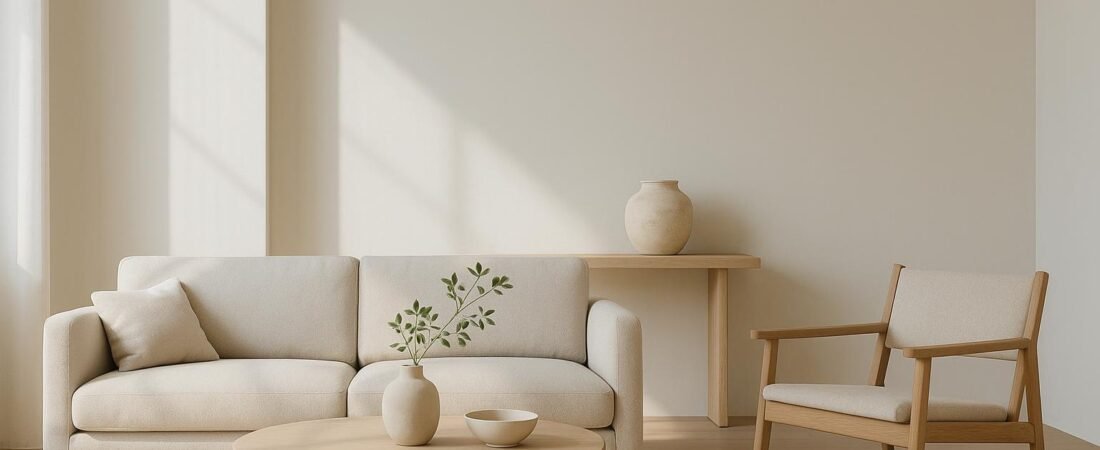
Minimalist interior design has been around for decades, but the way we interpret “less is more” has changed dramatically. The stark, gallery-like spaces of the past are giving way to something warmer, softer, and much more livable. Today’s minimalist homes still embrace simplicity and function, but they do it with tactile materials, inviting colors, and a strong focus on comfort.
If you love the idea of a calm, clutter-free home but don’t want it to feel cold or sterile, warm minimalism is where the magic happens. Here is how “less is truly more” is being redefined in 2026—and how you can bring this modern minimalist style into your own space.
What Minimalist Interior Design Really Means Now
Minimalism has always been about stripping away the nonessential to reveal what truly matters. In interiors, that translates to clean lines, clear surfaces, and rooms that feel open and breathable. That core hasn’t changed. What has evolved is the mood.
Today’s minimalist interiors focus on three pillars:
- Simplicity: Fewer objects, fewer visual distractions, and a clear sense of order.
- Function: Everything in the room has a purpose, whether practical or emotional.
- Visual restraint: A limited palette and cohesive materials keep the space calm.
The difference now is that those principles are expressed in a softer, more human way. Instead of sharp edges and icy whites, we are seeing curved furniture, layered textures, and warm neutrals that feel inviting rather than austere.
From Cold Gallery to Warm Minimalism
For years, minimalist design was often equated with stark white boxes and echoing, empty rooms. It photographed beautifully, but living in it could feel impersonal. In 2026, that “cold gallery” look is fading. In its place: warm minimalism, romantic minimalism, and other comfort-first variations.
Warm minimalism keeps the structure of classic minimalism—uncluttered rooms, clean silhouettes, and lots of space—but softens everything else. You still edit your belongings ruthlessly and prioritize quality over quantity, but you choose:
- Warmer wall and fabric colors instead of bright white
- Natural, tactile materials instead of high-gloss finishes
- Curved, comfortable furniture instead of rigid, angular pieces
The result is a home that feels serene and sophisticated, but also deeply livable. “Less” no longer means bare; it means deliberately curated and comfortable.
The New Minimalist Color Palette: Warm Neutrals
One of the clearest shifts in modern minimalist interior design is the move away from cool whites and greys. Designers are embracing a spectrum of warm neutrals that still feel clean and airy, but with much more depth and softness.
Key colors in the current minimalist palette include:
- Cream and ivory: Gentle alternatives to bright white that flatter natural light.
- Sand and oatmeal: Pale, earthy tones that create a quiet, grounded backdrop.
- Putty and mushroom: Muted taupes and greige shades that bridge warm and cool elements.
- Clay and soft terracotta: Subtle, sun-baked hues that add warmth without overwhelming.
- Caramel and camel: Richer accents for leather, textiles, or wood details.
These tones are ideal for a minimalist space because they are versatile and forgiving. They let the architecture breathe, allow natural light to shine, and pair effortlessly with wood, stone, and textured fabrics.
How to Use Warm Neutrals at Home
- Choose one primary warm neutral for walls to create continuity between rooms.
- Layer in slightly darker or lighter neutrals for sofas, rugs, and curtains.
- Introduce deeper shades sparingly—a caramel leather chair, a clay-colored throw—for subtle contrast.
The aim is harmony, not high contrast. Your eye should glide through the space without getting stuck on jarring color breaks.
Texture: Adding Depth Without Clutter
In warm minimalism, texture does the heavy lifting that patterns and ornament used to do. Instead of busy prints or lots of accessories, you rely on materials that feel good to see and touch.
Modern minimalist interiors often feature:
- Linen: For curtains, bedding, and slipcovers—lightweight, breathable, and relaxed.
- Wool: In rugs and throws—soft underfoot, excellent for adding warmth.
- Bouclé: On accent chairs or sofas—a tactile, nubby fabric that adds quiet interest.
- Raw timber: For furniture and flooring—oiled or matte finishes that showcase the grain.
- Matte stone: In countertops, side tables, or decor—think honed marble, limestone, or travertine.
- Lime plaster or textured paint: On walls, adding subtle movement without patterns.
Because the palette is so restrained, these textures provide the depth and character that keep a minimalist room from feeling flat.
Strategic Ways to Layer Texture
- Pair a smooth limewashed wall with a bouclé armchair and a raw oak side table.
- Combine a wool rug with linen curtains and a matte stone coffee table.
- Balance a sleek, handleless kitchen with warm oak stools and a textured backsplash.
The goal is to create quiet contrast—soft against hard, matte against subtly reflective—while keeping each piece simple and unembellished.
Softened Forms: Curves and Organic Silhouettes
Another hallmark of today’s minimalist interiors is the use of curves and organic shapes. Where older minimalist spaces felt sharp and rectilinear, the updated look leans into softness.
You’ll often see:
- Rounded sofas and armchairs with enveloping backs and plush seats.
- Curved coffee tables or side tables with oval or pebble-like tops.
- Arched doorways or niches that gently frame views or display areas.
- Sculptural lighting with softly looping, spherical, or dome-shaped forms.
- Organic decor objects like hand-thrown ceramics or irregular stone pieces.
These forms soften the architecture and make even very pared-back rooms feel approachable. They also echo nature—river stones, rolling hills, worn cliffs—which naturally puts people at ease.
How to Introduce Curves into a Minimalist Space
- Swap a sharp-edged coffee table for a round or oval one.
- Choose dining chairs with gently curved backs instead of straight lines.
- Add a rounded mirror over a console or in the entryway.
- Use arched shelving or cabinetry details where it suits your architecture.
Even one or two curved pieces can transform the feel of a room without adding visual clutter.
Storage: The Secret Engine of Minimalist Design
No matter how beautiful your color palette and furniture are, a minimalist space falls apart if storage isn’t handled smartly. The updated minimalist look still depends heavily on storage that hides the mess and supports daily life.
Core strategies include:
- Integrated, built-in storage: Floor-to-ceiling cabinets, wall-to-wall wardrobes, and built-in benches with hidden compartments.
- Handleless doors and drawers: Push-to-open or discreet finger pulls that keep cabinetry visually quiet.
- Closed storage over open shelving: Especially in smaller rooms, to reduce visual noise.
- Furniture with storage: Beds with drawers, ottomans with hidden compartments, sideboards instead of open consoles.
Good storage is what allows surfaces to stay clear, lines to remain clean, and the overall space to feel calm.
Decluttering with Intention
Minimalism is often misunderstood as owning almost nothing. In reality, it’s about owning the right things and giving them room to breathe. To move toward a more minimalist home:
- Edit decor and accessories down to the pieces you truly love or use.
- Remove duplicates and “just in case” items that never seem to leave the cupboard.
- Leave empty space on shelves and walls—not every surface needs something on it.
This intentional editing is what turns an ordinary room into a focused, minimalist interior.
Light and Negative Space: Let the Room Breathe
Light and space are as important to minimalist design as any piece of furniture. They shape how a room feels before you even notice the details.
Modern minimalist interiors typically emphasize:
- Abundant natural light: Large windows, sheer curtains, and minimal window treatments to let light flow in.
- Open layouts: Fewer walls, thoughtfully placed furniture, and clear sight lines between zones.
- Intentional negative space: Empty wall areas, unoccupied corners, and clear floor space that give the eye a place to rest.
Negative space is not wasted space. It is part of the design, creating balance and calm so that the pieces you do have can stand out.
Practical Ways to Maximize Light and Space
- Use sheer or lightweight curtains in warm neutrals instead of heavy drapes.
- Keep window sills clear or minimally styled so light isn’t visually blocked.
- Float furniture slightly off walls to create a sense of flow.
- Choose fewer, larger pieces instead of many small ones to reduce visual fragmentation.
The aim is to make the architecture and light feel like main characters, with furnishings as a supporting cast.
Comfort, Craftsmanship, and Personality
The biggest evolution in minimalist interior design isn’t just about color or shape; it’s about feeling. Minimalism is no longer about perfection or austerity. It’s about creating spaces that feel restful, human, and deeply considered.
Three ideas are reshaping the style:
- Comfort: Sofas you actually want to lounge on, beds that invite sleep, and layers of soft textiles in key areas.
- Craftsmanship: Well-made pieces with honest materials and visible care—solid wood tables, handmade ceramics, tailored upholstery.
- Personality: A curated selection of art, books, or objects that reflect who you are, displayed with restraint.
Instead of stripping a space of all traces of life, warm minimalism encourages you to keep the few things that truly matter and showcase them thoughtfully.
Adding Personality Without Adding Clutter
- Choose one or two meaningful artworks per room instead of a busy gallery wall.
- Display a small collection of favorite books or ceramics on a single shelf, leaving space around each piece.
- Invest in one standout piece—a sculptural light fixture, a vintage chair, a handwoven rug—and let it shine.
Minimalism becomes richer when your home tells a quiet story about you, not about trends.
How to Start Creating a Warm Minimalist Home
Transitioning to a more minimalist interior does not have to be drastic. You can build it layer by layer. Here is a simple roadmap:
- Step 1: Edit – Remove what you don’t use or love. Clear surfaces and store what you want to keep out of sight.
- Step 2: Simplify the palette – Choose a warm neutral base and limit accent colors to