
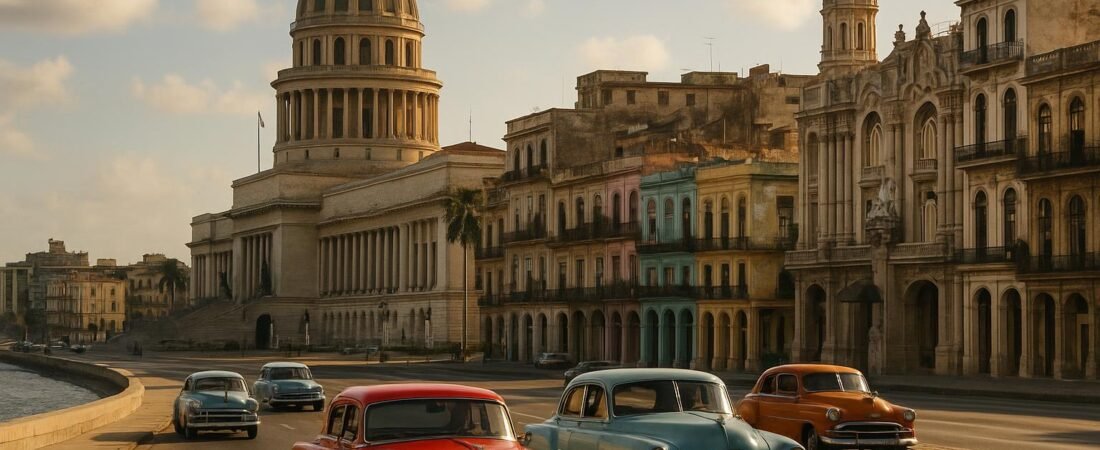
Havana is a city that overwhelms the senses in the best possible way. Classic cars glide past weathered colonial mansions, music spills onto the streets at all hours, and the sea breeze from the Malecón softens the tropical heat. Beyond the clichés, Cuba’s capital offers a complex blend of history, culture, and everyday life that rewards curious travelers willing to look beyond the postcard views. This guide explores when to go, what to see, where to stay, and how to savor Havana’s compelling culinary scene.
Best Time to Visit Havana
Climate Overview
Havana has a tropical climate with two main seasons: a dry season from November to April and a wetter, more humid season from May to October. Temperatures remain warm year-round, typically ranging from 20°C to 31°C (68°F to 88°F), but humidity and rainfall patterns significantly affect the overall experience.
The dry season is the most comfortable time to visit. From December through March, you can expect abundant sunshine, relatively low humidity, and cooler evenings. These months are ideal for walking tours of Old Havana, sunset strolls along the Malecón, and day trips to nearby beaches without the discomfort of oppressive heat.
The wet season brings higher temperatures, heavier humidity, and short but intense downpours, especially in the afternoons. Hurricane season technically runs from June to November, with the highest risk between August and October. While major storms are not guaranteed, travelers visiting in these months should monitor forecasts and consider flexible itineraries and travel insurance.
For many, the shoulder months—late November, early December, April, and early May—strike an appealing balance: fewer crowds than peak winter, more manageable prices, and generally pleasant weather.
Events and Festivals
Havana’s cultural calendar is dense, and timing your trip around a major event can transform your experience.
- Havana Jazz Festival (Festival Internacional Jazz Plaza) – Held annually in January, this world-renowned event draws Cuban and international jazz legends. Concerts take place in intimate clubs and grand theaters across the city, offering a rare chance to see extraordinary live performances in atmospheric venues.
- Havana International Book Fair – Usually held in February, this fair turns the historic fortress of La Cabaña into a sprawling literary hub. Expect book launches, readings, and cultural events that attract writers and readers from across Latin America.
- Bienal de La Habana (Havana Biennial) – Taking place roughly every two years, this contemporary art festival transforms galleries, streets, and public spaces into experimental canvases. It is an exceptional moment to engage with Cuba’s vibrant artistic community and regional artists.
- International Ballet Festival of Havana – Hosted every two years, usually in October or November, this festival celebrates classical and contemporary ballet. Performances at the Gran Teatro de La Habana Alicia Alonso are particularly memorable.
- Carnaval de La Habana – Traditionally held in July or August along the Malecón, Havana’s carnival features colorful parades, congas, and live music. It is lively, loud, and offers a powerful insight into Cuban popular culture.
If you prefer a quieter atmosphere, avoid Christmas and New Year’s, as well as Easter Week, when both international visitors and Cubans on holiday converge on the capital, driving up prices and reducing availability.
Top Attractions in Havana
Historic Sites and Landmarks
Havana’s historic core, La Habana Vieja (Old Havana), is a UNESCO World Heritage Site and the city’s most compelling district for architecture and history. Its cobbled streets and restored plazas illustrate centuries of Spanish colonial rule, trade, and revolution.
- Plaza Vieja – This beautifully restored square showcases eclectic architecture from the 17th to the 20th centuries. Elegant mansions, art galleries, and rooftop bars frame a lively public space where you can observe daily life and appreciate the city’s preservation efforts.
- Plaza de la Catedral – Dominated by the baroque Catedral de San Cristóbal, this atmospheric plaza is one of Havana’s most iconic sights. The surrounding palaces, arcades, and stone facades convey the austere grandeur of colonial Spain.
- El Capitolio – Once the seat of government and now home to the Cuban Academy of Sciences, El Capitolio is one of Havana’s most imposing structures. Its neoclassical dome and grand interior recall Washington’s Capitol but with distinctly Caribbean flourishes.
- Castillo de los Tres Reyes del Morro & Fortaleza de San Carlos de la Cabaña – Guarding the entrance to Havana Bay, these 16th–18th century fortresses form an impressive complex of ramparts and bastions. Visit at sunset for sweeping views and stay for the traditional cañonazo de las nueve, a nightly cannon ceremony reenacting colonial-era routines.
- Malecón – Havana’s iconic seaside boulevard stretches for several kilometers along the city’s northern shore. More than a promenade, it is an open-air living room where locals gather to fish, talk, play music, and watch the waves crash against the seawall.
- Revolution Square (Plaza de la Revolución) – This vast square is symbolically important, framed by stark government buildings and dominated by the José Martí Memorial. The iconic steel image of Che Guevara on the Ministry of the Interior is a powerful reminder of Cuba’s revolutionary legacy.
Cultural Experiences
Havana’s cultural life is immersive. Music, dance, literature, and visual arts are woven into the everyday, and visitors have countless opportunities to engage with them beyond surface-level tourism.
- Live Music and Dance – From salsa and son to rumba and jazz, music is omnipresent. Explore classic venues such as Casa de la Música, Floridita, or the atmospheric paladares with nightly bands. For a more local experience, look for neighborhood peñas (informal gatherings) where residents dance and sing late into the night.
- Fábrica de Arte Cubano – Part contemporary art gallery, part nightclub, part performance space, this multidisciplinary cultural complex in Vedado is one of Havana’s most dynamic institutions. Rotating exhibits, live music, film screenings, and design installations make it an inspiring evening out.
- Museo Nacional de Bellas Artes – Split into two main buildings, one dedicated to Cuban art and the other to international collections, this museum offers a deep dive into the island’s artistic evolution—from colonial religious painting to modernist experimentation and post-revolution works.
- Callejón de Hamel – This narrow alleyway in Centro Habana is a vibrant open-air shrine to Afro-Cuban culture and Santería-inspired art. Colorful murals, sculptures, and Sunday rumba sessions create a powerful, immersive experience, especially for those interested in the island’s African heritage.
- Literary Havana – Fans of Ernest Hemingway can visit his favorite haunts, including La Bodeguita del Medio and El Floridita, and take a short trip to Finca Vigía, his former home just outside the city. The house-museum preserves his books, personal items, and fishing trophies, offering insight into his life in Cuba.
- Classic Car Rides – Cruising through Havana in a lovingly maintained 1950s convertible may be a quintessential tourist experience, but it also offers a memorable way to absorb the city’s urban landscape. Opt for a guided ride that includes historical commentary to add context to the spectacle.
Where to Stay in Havana
Best Neighborhoods for Tourists
Havana is a mosaic of distinct districts, each with its own character. Choosing the right neighborhood will shape how you experience the city.
- Old Havana (La Habana Vieja) – Ideal for first-time visitors who want to be within walking distance of major historic sites, plazas, and museums. The area is atmospheric and lively, especially in the evenings, but it can be crowded and noisy.
- Centro Habana – Just west of Old Havana, this dense, lived-in neighborhood offers a more authentic snapshot of everyday life. Buildings are more decayed, streets more chaotic, and tourist infrastructure less polished, but it is excellent for travelers seeking a raw, energetic environment and lower prices.
- Vedado – A tree-lined residential area with mid-century buildings, wide avenues, and a more relaxed pace. Vedado is home to notable hotels, embassies, cultural institutions, and nightlife spots. It suits visitors looking for comfort, a bit more tranquility, and easier access to modern conveniences.
- Miramar – Once a wealthy suburb, Miramar is characterized by large villas, embassies, and a growing number of high-end hotels and restaurants. It is farther from the historic center but offers a more spacious, upscale setting that appeals to business travelers and visitors prioritizing comfort over proximity.
Recommended Hotels and Accommodations
Accommodation in Havana ranges from grand historic hotels to intimate guesthouses known as casas particulares. Availability and standards can vary, so it is worth booking well ahead, especially during peak season.
- Gran Hotel Manzana Kempinski La Habana (Old Havana) – A luxury property set in a restored 19th-century building overlooking Parque Central. Its rooftop terrace, elegant rooms, and central location make it one of the city’s premier addresses for high-end travelers.
- Iberostar Parque Central (Old Havana) – Offering both a colonial and a modern wing, this hotel combines classic aesthetics with contemporary amenities. A rooftop pool and panoramic views of El Capitolio make it a popular choice for those who want comfort in the heart of the city.
- Hotel Nacional de Cuba (Vedado) – An enduring icon of Havana, this 1930s hotel exudes old-world glamour. Its clifftop gardens overlooking the Malecón, historic bar, and storied guest list give it a unique atmosphere, even if some rooms feel traditional rather than ultra-modern.
- NH Capri La Habana (Vedado) – A well-located modern hotel with comfortable rooms, a rooftop pool, and easy access to Vedado’s nightlife and restaurants. It suits travelers wanting contemporary facilities in a central yet less touristed area.
- Memories Miramar Habana (Miramar) – Positioned in the embassy district, this hotel offers extensive amenities, including pools and spacious public areas. It works well for travelers who do not mind taking taxis into the historic center in exchange for a resort-like environment.
- Casas Particulares – Privately run guesthouses and apartments are often the most rewarding accommodation option. Staying in a thoughtfully managed casa provides more direct contact with Cuban hosts, home-cooked breakfasts, and a better sense of daily life. Look for licensed properties in Old Havana, Centro Habana, or Vedado, and read recent reviews to gauge reliability and comfort.
Regardless of where you stay, confirm whether your accommodation has reliable air conditioning, hot water, and secure payment options. Internet access remains limited in some properties, so clarify expectations before arrival.
Food and Dining in Havana
Traditional Cuban Dishes to Try
Cuban cuisine reflects Spanish, African, and Caribbean influences, with an emphasis on slow-cooked meats, rice, beans, root vegetables, and tropical fruits. In Havana, the culinary scene has improved markedly in recent years, especially through privately run restaurants, yet it remains shaped by the island’s economic realities and occasional shortages.
- Ropa Vieja – Shredded beef stewed in a rich tomato-based sauce with peppers, onions, and garlic. This national classic is typically served with white rice, black beans, and fried plantains.
- Moros y Cristianos – A flavorful blend of black beans and white rice cooked together with spices and sometimes pork fat. It is one of the most common and satisfying side dishes you will encounter.
- Lechón Asado – Slow-roasted pork marinated in garlic, bitter orange juice, and spices. Crispy skin and tender meat make it a festive dish often reserved for special occasions, but some restaurants feature it regularly.
- Picadillo a la Habanera – Ground beef sautéed with onions, bell peppers, olives, raisins, and capers, creating a savory-sweet contrast. Typically served with rice and plantains, it is a staple of Havana home cooking.
- Tostones and Maduros – Twice-fried green plantain slices (tostones) and sweet ripe plantains (maduros) are ubiquitous accompaniments that add texture and sweetness to many meals.
- Yuca con Mojo – Boiled cassava drizzled with a garlicky citrus sauce. Earthy and comforting, it pairs well with roasted meats.
- Flan and Dulce de Leche – For dessert, creamy caramel flan and various sweets based on condensed milk and tropical fruits are common and often excellent.
Alongside these traditional dishes, Havana’s emerging culinary scene includes creative interpretations of Cuban flavors, as well as international influences from Spain, Italy, and the broader Caribbean.
Best Restaurants and Cafés
The most interesting places to eat in Havana are usually paladares, privately operated restaurants that often occupy restored homes or small urban spaces. Menus change with ingredient availability, and service can be unhurried, but the best paladares deliver genuine personality and memorable meals.
- La Guarida (Centro Habana) – Perhaps Havana’s most famous paladar, set in a crumbling yet romantic mansion. The combination of inventive Cuban cuisine, atmospheric staircases, and rooftop views justifies its reputation. Reservations are essential.
- San Cristóbal Paladar (Centro Habana) – Known for hosting high-profile guests, this restaurant offers richly decorated interiors and hearty Cuban dishes with refined touches. Expect attentive service and an extensive rum selection.
- El del Frente (Old Havana) – A stylish rooftop restaurant popular with younger travelers and locals alike. It serves fresh seafood, modern Cuban plates, and excellent cocktails in a casual yet thoughtfully designed space.
- Doña Eutimia (Plaza de la Catedral, Old Havana) – Tucked into a side street off the cathedral square, this cozy paladar specializes in classic Cuban comfort food, including superb ropa vieja and picadillo. It is small and in high demand; book ahead if possible.
- Iván Chef Justo (Near El Capitolio) – A creative restaurant where traditional recipes are reinterpreted with contemporary techniques. The building’s multiple levels and eclectic décor make dining here feel intimate and distinctive.
- Café El Escorial (Plaza Vieja) – A reliable stop for freshly roasted Cuban coffee and light snacks while exploring Old Havana. Its terrace tables are ideal for people-watching in one of the city’s most beautiful squares.
- Cafés and Street Stalls – Beyond well-known establishments, keep an eye out for small cafés and street vendors selling pressed sandwiches, simple pizzas, and cups of strong coffee. These modest spots provide a more everyday taste of Havana, though quality can vary widely.
When dining in Havana, bring patience and flexibility. Some menu items may be unavailable on any given day due to supply issues, and card payments are not always possible. Carry sufficient local currency or accepted foreign cash, and confirm payment methods in advance.
Conclusion
Havana is a city of layered histories and vivid contrasts, where decaying facades stand beside carefully restored palaces, and timeless rhythms coexist with gradual change. Planning your visit with an understanding of its climate, cultural calendar, key neighborhoods, and evolving dining scene will help you navigate the city with confidence and appreciation.
Whether you are wandering through the alleys of Old Havana, listening to live music in a smoky club, watching waves batter the Malecón at dusk, or sharing a home-cooked breakfast in a family-run guesthouse, Havana rewards those who linger and observe. Approach it with curiosity and openness, and you will discover a city whose complexity and character linger long after you leave.
Book
Creative AI:
Animated Drawings, Manga & Illustrations: The Complete Guide to Creating Your Own Animations and Comics with Artificial Intelligence