
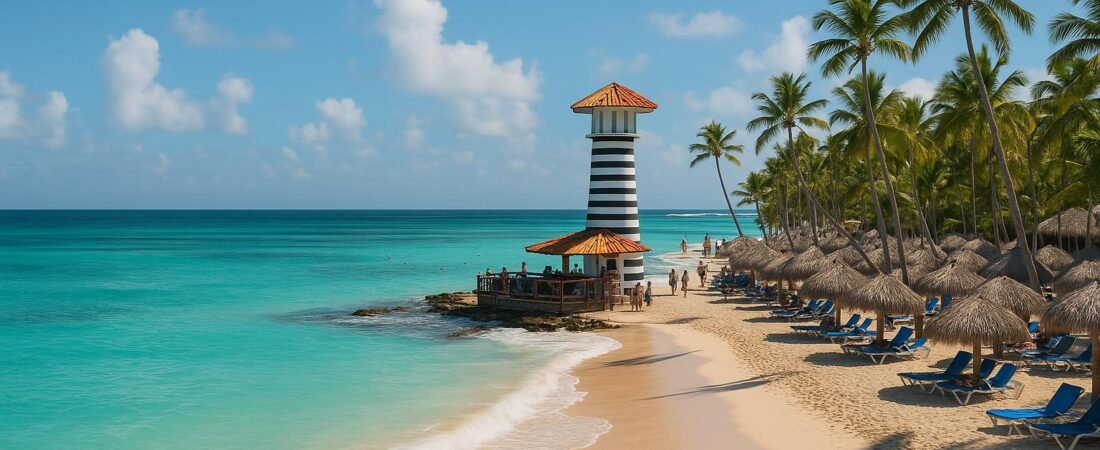
Punta Cana has become synonymous with effortless Caribbean escapes: long ribbons of palm-fringed sand, warm turquoise water, and resorts that anticipate your every need. Yet beyond the postcard perfection, this corner of the Dominican Republic offers distinct seasons, vibrant cultural events, and a surprising breadth of experiences—from quiet eco-reserves to adrenaline-charged adventures on land and sea. This guide breaks down when to go, what to see, where to stay, and what to eat so you can plan a trip that feels both relaxing and rewarding.
Best Time to Visit Punta Cana
Weather Overview by Season
Punta Cana enjoys a classic tropical climate with warm temperatures year-round, typically hovering between 77°F and 88°F (25–31°C). However, the feel of your trip can change considerably depending on the season.
December to April: Dry Season and Peak Travel Time
This is the most popular period to visit Punta Cana. Days are typically sunny and dry with lower humidity and minimal rainfall. Sea conditions are calm, ideal for snorkeling, sailing, and long days on the beach. The trade-off is higher prices and more crowded resorts, especially around Christmas, New Year’s, and Easter. If you value reliably pleasant weather and a lively atmosphere, this is the prime window.
May to June: Shoulder Season Sweet Spot
Late spring brings slightly higher humidity and a modest uptick in showers, often in short bursts rather than all-day downpours. With fewer visitors than in winter and more competitive hotel rates, this period can be an excellent balance of value and favorable conditions. Beaches and attractions feel less congested, and you’ll have a better chance of booking preferred room categories and excursions.
July to November: Wet Season and Hurricane Risk
Summer and early autumn mark the Atlantic hurricane season, with the highest statistical risk from August to October. That said, major storms are not the norm, and many days are simply hot, sunny, and humid with brief afternoon showers. Prices tend to be lower, and you’ll find attractive all-inclusive packages. If traveling in this window, consider flexible dates and comprehensive travel insurance. On the plus side, the sea is especially warm, and evening breezes can be delightful.
Events and Festivals to Experience
The Dominican Republic’s cultural calendar lends Punta Cana an energy that goes beyond the resort gates. Timing your visit around a festival can add memorable color to your stay.
Carnival (February–March)
Carnival is celebrated across the country in the weeks leading up to Lent, and while the most elaborate parades occur in cities like La Vega and Santo Domingo, Punta Cana-area festivities still showcase exuberant costumes, music, and dancing. Many resorts host their own Carnival-themed events, providing a vibrant taste of Dominican traditions without leaving the hotel zone.
Holy Week (Semana Santa, March or April)
This is one of the most important religious holidays in the Dominican Republic. Expect busier beaches and roads as locals travel, but also an opportunity to witness processions and special church services in nearby communities. If you plan to explore beyond the resort, book transportation and excursions well in advance.
Punta Cana Carnival (March)
Separate from the national Carnival period, the Punta Cana Carnival is a dedicated event held in the resort area, usually in March. It gathers dance troupes from across the country and the Caribbean, with elaborate floats and live music. It’s a fantastic way to experience Dominican folklore, merengue, and bachata performances in one place.
Music and Cultural Festivals (Throughout the Year)
Various hotels and venues in Punta Cana host music festivals and concert series, often featuring international DJs and Latin artists. Schedules change annually, so check local listings or your resort’s events calendar. These gatherings can transform a quiet beach getaway into a lively, nightlife-oriented trip.
Top Attractions in Punta Cana
Must-See Beaches
The coast around Punta Cana is a continuous sweep of sand, yet each beach has its own personality. Choosing where to spend your days can shape your experience.
Bávaro Beach
Bávaro Beach is the quintessential Punta Cana shoreline: wide, soft, and edged with coconut palms. The water is generally calm thanks to an offshore reef, making it well-suited to swimming and paddle sports. Many of the region’s flagship all-inclusive resorts line this stretch, so services and activities are abundant—parasailing boats, catamaran tours, beach bars, and water sports kiosks are all within easy reach.
Arena Gorda and Playa El Cortecito
Northwest of Bávaro, Arena Gorda features expansive sands and a slightly more open, breezy feel, which can be appealing for long walks and photographs. El Cortecito, by contrast, has more of a village atmosphere, with beachside eateries, small shops, and guesthouses. It’s a good place to experience Punta Cana beyond the confines of large resorts while still enjoying easy access to the sea.
Macao Beach
Macao Beach is less developed than Bávaro, with a more rugged and natural charm. It has long been a favorite of locals and surfers, thanks to livelier waves and a wide shore. Stop at one of the simple beachfront shacks for fresh seafood and a cold drink, or join a surf lesson if conditions permit. Its less polished ambiance offers an appealing contrast to manicured resort beaches.
Juanillo Beach (Cap Cana)
Situated in the upscale Cap Cana area, Juanillo Beach is known for its clear, shallow water and tranquil vibe. The setting is picturesque, with fishing boats bobbing offshore and plenty of open space. It’s an excellent choice if you prefer a quieter beach day with a more exclusive feel, especially if you are staying at a nearby luxury property.
Popular Excursions and Activities
Punta Cana’s appeal extends beyond sunbathing. A range of organized excursions makes it easy to explore the region’s marine life, countryside, and cultural heritage.
Catamaran Cruises and Snorkeling
Half-day or sunset catamaran trips are among the most popular outings. These usually include snorkeling stops over coral reefs, time in natural pools with shallow, crystal-clear water, and music on board. It’s a relaxed way to see the coastline from offshore and encounter tropical fish, and sometimes rays or sea turtles, depending on the site and season.
Saona Island and Catalina Island
Day trips to Saona Island or Catalina Island provide that remote, castaway feeling—swaying palm trees, gentle waves, and powdery white sand. Excursions typically combine boat travel, swimming, snorkeling, and a beach barbecue lunch. While these islands can be busy during peak season, the scenery is undeniably striking and remains a highlight for many visitors.
Zip Lining and Adventure Parks
For a break from the beach, Punta Cana’s inland areas host adventure parks offering zip lines, suspension bridges, buggies, and horseback riding. Gliding over tropical forest canopy on a zip line or navigating rural tracks in an off-road buggy gives you a glimpse of the Dominican countryside and adds some adrenaline to your itinerary.
Scape Park at Cap Cana
Scape Park combines natural attractions with adventure activities. Visitors can swim in cenote-style freshwater pools, explore caves, and ride zip lines with ocean views. It’s a good option for families or groups who want varied activities in a single location, with transport and logistics handled by the park and tour operators.
Cultural and City Tours
If you want insight into Dominican history and everyday life, consider a day trip to Santo Domingo, the nation’s capital, to explore its Colonial Zone, or tours that visit rural communities and tobacco or cocoa farms. These excursions reveal a different side of the country—colonial architecture, local markets, and small-town rhythms—beyond Punta Cana’s resort environment.
Where to Stay in Punta Cana
Best All-Inclusive Resorts
Punta Cana is renowned for its extensive array of all-inclusive resorts, ranging from family-focused complexes to adults-only retreats. Choosing the right property can define the character of your stay.
Family-Friendly Mega-Resorts
Large beachfront resorts in the Bávaro and Arena Gorda areas are ideal for families. Many feature water parks, kids’ clubs, multiple pools, and extensive entertainment programs. You’ll often find a mix of buffet and à la carte restaurants, nightly shows, and sports facilities. All-inclusive plans typically cover meals, drinks, and numerous activities, simplifying budgeting and planning, especially for multi-generational trips.
Adults-Only and Romantic Escapes
For couples or honeymooners, adults-only properties provide a more tranquil setting with refined dining, quiet pools, and spa-centric amenities. These resorts often emphasize personalized service, stylish suites—sometimes with swim-up access or private plunge pools—and elevated cocktail and wine lists. Many are situated along prime stretches of Bávaro Beach or within Cap Cana, offering both seclusion and easy access to excursions.
Luxury All-Inclusive Experiences
High-end, all-inclusive resorts in areas like Cap Cana and Uvero Alto cater to travelers seeking tailored service and upscale design. Expect spacious suites, gourmet restaurants, premium-brand beverages, attentive butler or concierge services, and well-equipped wellness centers. Guests at these properties often benefit from private beach zones, curated excursions, and additional inclusions such as golf or spa credits.
Budget-Friendly Accommodation Options
Even though Punta Cana is dominated by large resorts, there are more affordable ways to enjoy the region, particularly if you are flexible with dates and location.
Smaller Hotels and Guesthouses
In areas like El Cortecito and Pueblo Bávaro, you’ll find modest hotels, guesthouses, and boutique properties that offer comfortable rooms without resort pricing. These accommodations are well-suited to independent travelers who do not require all-inclusive amenities and prefer to sample local restaurants and arrange their own activities.
Apartment Rentals and Condos
Vacation rentals, including apartments and condos near Bávaro Beach and other coastal zones, can be cost-effective for longer stays or small groups. They provide kitchens, living spaces, and flexibility in dining. This setup suits visitors who enjoy shopping at local supermarkets, cooking some meals at home, and exploring different beaches and neighborhoods at their own pace.
Off-Peak and Package Deals
Traveling in the shoulder or low season can dramatically reduce accommodation costs, even at well-known all-inclusive resorts. Look for package deals that bundle flights, transfers, and hotel stays; these can offer excellent value, particularly from major North American and European gateways. Booking slightly outside holiday periods often yields a similar experience at a far more approachable price.
Food and Dining in Punta Cana
Local Cuisine to Try
Dominican cuisine is hearty, flavorful, and deeply rooted in Caribbean, African, and Spanish traditions. While resorts often serve international menus, seeking out local dishes will enrich your stay.
La Bandera Dominicana
Known as “the Dominican flag,” this classic plate combines rice, stewed beans, and meat (usually chicken, beef, or pork), often accompanied by salad and fried plantains. It is a staple of everyday life and an excellent introduction to local flavors.
Mofongo and Tostones
Mofongo, mashed fried plantains mixed with garlic and pork cracklings or seafood, is rich and satisfying, typically served with a savory broth or sauce. Tostones—twice-fried plantain slices—appear as a frequent side dish or snack, crisp on the outside and tender inside, often accompanied by dips or garlic sauce.
Fresh Seafood and Ceviche
Given Punta Cana’s coastal location, seafood is abundant. Grilled fish, conch, shrimp, and lobster feature prominently in many menus. Ceviche, prepared with marinated raw fish or seafood in citrus juice with onions and herbs, is especially refreshing on a hot afternoon by the sea.
Pasteles en Hoja and Empanadas
These savory bites are common at local eateries and roadside stands. Pasteles en hoja resemble tamales, made from a plantain or root-vegetable dough filled with seasoned meat and wrapped in banana leaves. Empanadas are fried or baked pastries stuffed with cheese, chicken, beef, or vegetables—ideal for a quick, flavorful snack.
Local Sweets and Drinks
Finish meals with dulce de leche desserts, flan, or local coconut-based sweets. To drink, try fresh tropical juices, Dominican coffee, or mamajuana—a traditional infusion of rum, red wine, honey, and local herbs, sometimes offered as a post-dinner digestif.
Recommended Restaurants and Dining Experiences
Punta Cana’s dining landscape spans resort restaurants, independent beach spots, and refined venues. Exploring a mix of these will give you a fuller sense of the region’s culinary character.
Resort Dining
Most major beachfront resorts feature a combination of international buffets and specialty restaurants—Italian, Asian, steakhouse, and Caribbean-themed options are common. They are convenient and typically included in all-inclusive plans. Advanced reservations for à la carte venues are often necessary, particularly during peak season, so check your hotel’s system soon after arrival.
Beachfront Eateries and Local Spots
In areas like El Cortecito and Macao Beach, you’ll find simple, open-air restaurants serving grilled fish, shrimp, and lobster alongside rice, salad, and plantains. These establishments may be less polished than resort dining rooms but often offer fresher, more authentic flavors. Seek out places where locals eat and do not hesitate to ask for the catch of the day.
Upscale and Fusion Restaurants
Within Cap Cana and around luxury resorts, several high-end restaurants specialize in sophisticated Caribbean and international cuisine, often with strong seafood and steak offerings. Many emphasize creative presentations, extensive wine lists, and attentive service, making them ideal for special occasions or romantic evenings.
Themed Tours and Culinary Experiences
Food-themed excursions, such as rum and cigar pairing experiences or cocoa and coffee farm visits, introduce you to key Dominican products. Some tour operators also offer cooking classes where you can learn to prepare local dishes and then enjoy them as a shared meal. These experiences combine gastronomy with cultural insight and are a rewarding complement to resort life.
Conclusion
Punta Cana is more than a string of all-inclusive resorts along a beautiful coast. It is a destination where timing your visit can significantly shape your experience, where serene beaches sit alongside energetic adventure parks, and where Dominican flavors reveal the country’s rich cultural tapestry. Whether you prioritize pampered luxury, budget-conscious exploration, or a balanced family holiday, you can tailor your stay through careful choices of season, accommodation, and activities.
By blending classic seaside relaxation with forays into local cuisine, cultural events, and nearby natural attractions, your time in Punta Cana can feel both restorative and engaging. With thoughtful planning, the destination’s famous beaches become the starting point—not the entirety—of a memorable Caribbean journey.
Book
Creative AI:
Animated Drawings, Manga & Illustrations: The Complete Guide to Creating Your Own Animations and Comics with Artificial Intelligence