
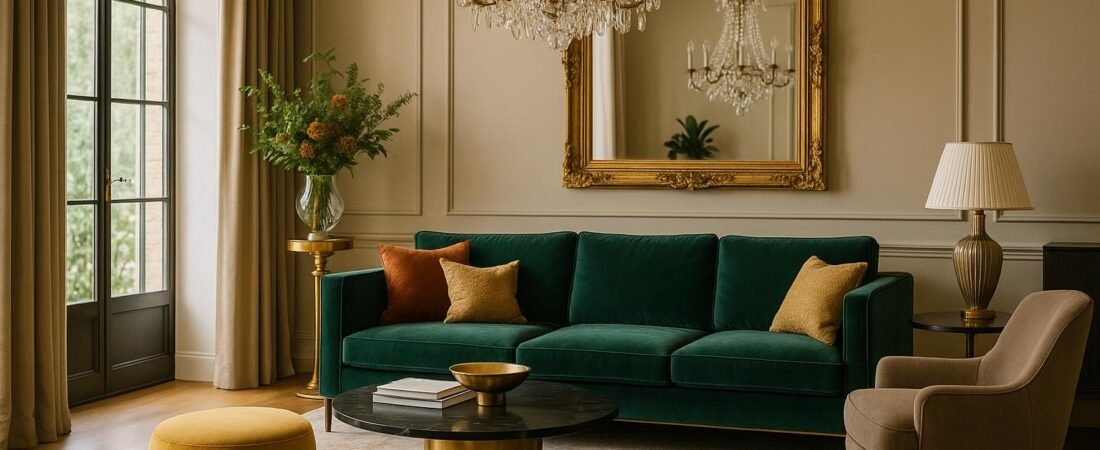
Luxury Interior Design Ideas for Truly Elegant Living
Luxury interior design in 2026 is less about showing off and more about how a space feels to live in. Think quiet luxury: tailored, comfortable rooms, beautiful natural materials, and just a few standout pieces instead of wall-to-wall ornament. The result is an elegant living space that looks expensive without trying too hard.
Whether you’re updating a single room or planning a full redesign, these luxury interior design ideas will help you create a refined, timeless home grounded in curation, craftsmanship, and comfort.
1. Start with Premium, Tactile Materials
Nothing communicates luxury faster than high-quality materials you can see and feel. Rather than filling a room with lots of new items, invest in fewer, better pieces made from enduring finishes.
High-impact luxury materials to consider
- Natural stone: Marble, travertine, and limestone for coffee tables, side tables, consoles, and accent tables.
- Warm wood: Walnut, oak, and ash in smooth, matte finishes for cabinetry, flooring, and furniture.
- Metal accents: Brushed brass, bronze, and blackened steel in lighting, hardware, and table bases.
- Rich textiles: Velvet, wool, bouclé, silk, and high-end linen for sofas, cushions, and window treatments.
Focus on touchpoints: the arm of a sofa, the handrail of a staircase, the surface of a side table. If it’s something you interact with daily, upgrade the material. A solid wood coffee table or stone-topped console can instantly elevate an otherwise simple room.
2. Build a Calm, Cohesive Color Palette
Today’s luxury interiors lean toward soothing, neutral palettes that quietly frame the architecture and furniture. Instead of dramatic color blocking, aim for subtle layers of tone.
Designing an elegant color scheme
- Base neutrals: Start with ivory, cream, pale taupe, greige, or soft gray for walls and large upholstery pieces.
- Depth with accents: Introduce one or two deeper hues—navy, charcoal, emerald, rust, or burgundy—through rugs, cushions, a statement chair, or artwork.
- Tone-on-tone layers: Mix similar shades (e.g., various creams and beiges) to add interest without visual noise.
- Limit contrast: Save strong contrasts (like black and white) for small moments: picture frames, lamp bases, a side table.
A disciplined palette makes a room feel intentional and calm. When in doubt, simplify. Pull back one color and let texture and materials bring the richness instead.
3. Layer Lighting for a Soft, Polished Glow
Luxury living rooms never rely on a single overhead bulb. The most elegant spaces use a combination of ambient, task, and accent lighting to create depth, mood, and focus.
How to layer lighting like a designer
- Ambient lighting: Use a ceiling fixture—chandelier, flush mount, or recessed lighting—as the base layer. Add dimmers to control intensity.
- Task lighting: Place table lamps by sofas and chairs for reading, and floor lamps beside armchairs or in shadowy corners.
- Accent lighting: Add wall sconces, picture lights over artwork, or LED strips in shelving and cabinetry to highlight features.
Vary the heights of your light sources—ceiling, mid-level, and low—to create a flattering, hotel-like glow. If you’re updating on a budget, changing lamp shades and upgrading to warm white bulbs (around 2700K–3000K) can transform the feel of a room instantly.
4. Choose Statement Furniture That Prioritizes Comfort
In 2026, luxury furniture is sculptural yet inviting. Instead of ornate carving and heavy patterns, look for pieces with clean lines, graceful curves, and generous proportions.
Key furniture ideas for an elegant living room
- Oversized, comfortable sofas: Deep seating with tailored upholstery in high-quality fabric. Avoid overly fussy detailing.
- Sculptural lounge chairs: Curved silhouettes, swivel bases, or unique legs that read like functional art.
- Refined coffee tables: Marble, stone, or glass-topped tables with slender metal or wood bases for a lighter visual footprint.
- Streamlined storage pieces: Low credenzas, sideboards, and built-ins that keep clutter out of sight.
Let one or two major pieces take center stage—a standout sofa, an iconic armchair, or a striking coffee table. Surround them with simpler companions so each hero piece can breathe.
5. Get Scale and Symmetry Right
Even the most luxurious materials fall flat if the furniture layout feels cramped or unbalanced. Elegant interiors rely on thoughtful scale and subtle symmetry to create harmony.
Guidelines for a balanced layout
- Float furniture: Pull seating off the walls to create conversational groupings around a focal point, such as a fireplace or coffee table.
- Use properly sized rugs: Choose a rug large enough for at least the front legs of sofas and chairs to sit on it—ideally, all main pieces rest fully on the rug.
- Balance visual weight: If you have a large sofa on one side, counter it with two chairs, a floor lamp, or a tall plant on the other.
- Add symmetry where it suits: Matching side tables, a pair of sconces, or twin chairs can create quiet order without feeling rigid.
Leave generous circulation space; walking paths should be clear and comfortable. Luxury is as much about how easily you can move through a room as it is about what you see.
6. Emphasize Architecture and Height
Architectural details instantly elevate an interior, giving even newer homes a sense of character and craftsmanship. If your space lacks features like fireplaces or moldings, you can add them through thoughtful upgrades.
Architectural elements that signal luxury
- Crown molding and baseboards: Well-proportioned trim adds definition between walls, ceilings, and floors.
- Ceiling details: Ceiling medallions, beams, or subtle coffers draw the eye up and make rooms feel grander.
- Fluted and paneled walls: Fluted panels, wainscoting, or applied molding create texture and a custom-built look.
- Fireplaces: Even a sleek, modern fireplace or electric insert with a stone surround becomes a luxurious focal point.
- Full-height drapery: Hang curtains high and wide, close to the ceiling line, to elongate windows and visually raise the ceiling.
You don’t have to renovate heavily. A single accent wall with paneling, or upgrading from short, narrow curtains to full-height, lined drapery can dramatically shift a room into more luxurious territory.
7. Curate Art and Decor with Restraint
Luxury interiors in 2026 favor an edited approach over maximal display. The aim is to highlight a few exceptional pieces instead of covering every surface.
How to style decor the luxury way
- Go big with artwork: Choose one large-scale piece or a unified diptych over a cluster of small frames.
- Elevate with sculptural pieces: A distinctive pendant light, a unique chair, or a striking vase can be enough to make a statement.
- Edit surfaces: Limit coffee table decor to a tray, a book or two, and one sculptural object or vase of flowers.
- Hide the visual clutter: Use closed storage for remotes, cables, games, and everyday items.
Think like a curator: every item should earn its place, either by function, craftsmanship, or emotional value. Negative space—the empty areas around pieces—is part of the design and makes what you do display feel more important.
8. Bring Nature Indoors for Warmth and Softness
Biophilic design has moved firmly into the luxury space. Natural elements soften formal rooms and make them feel more livable and restorative.
Elegant ways to integrate nature
- Greenery: Large potted plants, olive trees, fiddle-leaf figs, or simple branches in a tall vase add life and height.
- Organic forms: Rounded furniture, stone accessories, and irregular-shaped mirrors introduce a natural, calming rhythm.
- Natural textures: Jute or wool rugs, woven baskets, and linen throws bring warmth and depth to neutral schemes.
- Views and light: Keep windows as clear as possible, using sheer curtains to diffuse light while maintaining a connection to the outdoors.
The goal is not to turn your living room into a greenhouse, but to punctuate refined interiors with organic elements that soften edges and invite you to exhale.
9. Design for Discreet Comfort and Everyday Luxury
Ultimately, modern luxury interior design is about how gracefully you live day to day. Understated elegance means creating a space that functions beautifully behind the scenes.
Subtle comforts that feel luxurious
- Intelligent storage: Built-ins, storage ottomans, and closed cabinetry keep daily life organized and surfaces clear.
- Quality over quantity: Opt for one excellent throw blanket instead of five average ones; two perfect cushions instead of ten mismatched pillows.
- Thoughtful tech integration: Conceal cables, choose streamlined media units, and use smart dimmers or integrated lighting for ease and ambiance.
- Textural layering: Combine smooth leather with soft wool, crisp linen with plush velvet—for a sensory richness you notice when you sit down.
Luxury is felt in small rituals: the weight of a door handle, the softness of a rug underfoot, the way the lighting shifts from day to evening. Prioritize these experiences when making design decisions.
Bringing It All Together: Curation, Craftsmanship, Comfort
Elegant luxury living in 2026 is defined by what you choose to include—and what you consciously leave out. Instead of chasing trends or cluttering your home with decorative extras, focus on:
- Curation: Fewer, better pieces; intentional color palettes; edited decor.
- Craftsmanship: Quality materials, considered details, and timeless finishes.
- Comfort: Generous proportions, layered lighting, soft textures, and thoughtful storage.
By combining these principles—premium materials, a calm palette, layered lighting, statement furniture, balanced scale, architectural details, selective decor, and natural elements—you can create a luxurious interior that feels both refined and deeply comfortable. It’s not about excess; it’s about designing a home that quietly reflects your taste and supports the way you truly live.
Book
Creative AI:
Animated Drawings, Manga & Illustrations: The Complete Guide to Creating Your Own Animations and Comics with Artificial Intelligence