
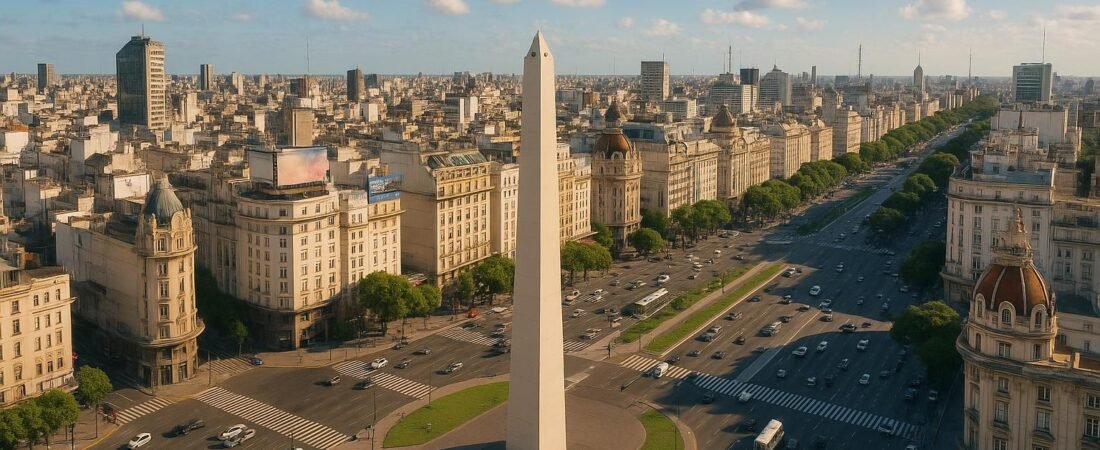
Buenos Aires seduces visitors with its grand European-style avenues, passionate tango culture, and an ever-evolving culinary scene. The Argentine capital is both nostalgic and restless, where belle époque architecture coexists with bold street art and contemporary design hotels. This guide explores when to visit, what to see, where to stay, and what to eat so you can experience Buenos Aires at its most authentic and rewarding.
Best Time to Visit Buenos Aires
Weather Overview
Buenos Aires has a temperate climate, making it a viable destination year-round, but each season offers a distinct atmosphere.
Spring (September to November) is widely regarded as the ideal time to visit. Temperatures are mild, typically between 15°C and 24°C (59°F–75°F), and jacaranda trees bloom across the city, painting parks and avenues with vibrant purple blossoms. Humidity is moderate, and outdoor cafés, markets, and rooftop terraces come to life.
Summer (December to February) can be hot and humid, with daytime temperatures frequently reaching 30°C (86°F) or more. The city slows down in January as many porteños (Buenos Aires residents) head to the coast, which slightly reduces traffic and crowds but can mean some smaller businesses close. This period suits travelers who do not mind heat and prefer a more languid city rhythm.
Autumn (March to May) brings comfortable weather similar to spring, with crisp evenings and pleasantly warm days. Parks such as Bosques de Palermo turn golden, and the cultural calendar remains busy. It is an excellent season for walking tours, wine tastings, and neighborhood exploration without extreme temperatures.
Winter (June to August) is generally mild, with temperatures often ranging from 8°C to 15°C (46°F–59°F). While grey skies are common, heavy rain is less frequent. This is the best time for travelers who prioritize museums, theater, tango shows, and indoor dining over outdoor activities. Hotel rates are often more favorable, and attractions are less crowded than in peak months.
Major Events and Festivals
Buenos Aires maintains a dense cultural calendar, and timing your visit around key events can greatly enrich your stay.
- Buenos Aires Tango Festival y Mundial (August): The world’s most important tango event, combining free concerts, open-air milongas (social dances), classes, and the official Tango World Championship. It attracts dancers and aficionados from across the globe and turns the entire city into a tango stage.
- Festival Internacional de Cine Independiente (BAFICI) (April): Latin America’s leading independent film festival, showcasing international and Argentine cinema in venues across the city, often with discussions, workshops, and outdoor screenings.
- Feria del Libro de Buenos Aires (April–May): One of the world’s largest book fairs, reflecting the city’s rich literary culture. It features author talks, signings, and special events in Spanish and other languages.
- La Noche de los Museos (usually November): For one night, more than 200 museums and cultural centers open free of charge, often until early morning, with special exhibitions, performances, and guided tours scattered throughout the city.
- Carnaval Porteño (February–March, weekends): Smaller in scale than Brazil’s festivities but full of local character. Neighborhood comparsas (troupes) parade with drums, dance, and colorful costumes, particularly in Barracas, La Boca, and Boedo.
- Pride March (November): Buenos Aires is one of South America’s most LGBTQ+ friendly cities. The annual march, starting in Plaza de Mayo and ending at Congreso, combines celebration with activism in a vibrant, inclusive atmosphere.
Top Attractions in Buenos Aires
Iconic Landmarks
The city’s landmarks reveal its political history, architectural ambition, and cultural pride.
Plaza de Mayo is the historic heart of Buenos Aires. Here you will find the pink-hued Casa Rosada, the presidential palace famous for its balcony speeches, alongside the Cabildo and the neo-classical Metropolitan Cathedral. The square has witnessed revolutions, protests, and the weekly marches of the Mothers of Plaza de Mayo, making it essential for understanding Argentina’s modern history.
From Plaza de Mayo, walk up Avenida de Mayo toward Congreso to appreciate ornate facades, cafés, and domed buildings that display the city’s European influence. Pause at the grand Palacio Barolo, whose design was inspired by Dante’s “Divine Comedy” and offers panoramic views from its lighthouse.
Obelisco, rising above the intersection of Avenida 9 de Julio and Corrientes, is Buenos Aires’ most recognizable monument. Nearby, the imposing Teatro Colón – one of the world’s premier opera houses – rewards both performance-goers and architecture enthusiasts with impeccable acoustics and opulent interiors. Guided tours are highly recommended if you cannot attend a performance.
In the riverside neighborhood of Puerto Madero, ultra-modern towers and sleek restaurants line refurbished docks. The elegant Puente de la Mujer, a white suspension footbridge by Santiago Calatrava, has become a contemporary emblem of the city.
No visit is complete without a stroll through La Recoleta Cemetery, a labyrinth of mausoleums, sculptures, and ornate tombs that function as an open-air museum. The grave of Eva Perón draws many visitors, but the true reward lies in wandering the tranquil lanes and admiring the artistry.
Cultural Experiences
Buenos Aires is above all a cultural capital, where music, dance, literature, and visual arts permeate daily life.
Tango remains the city’s most emblematic expression. Instead of limiting yourself to a tourist-oriented dinner show, consider visiting a traditional milonga in neighborhoods like San Telmo, Almagro, or Villa Crespo. Many venues offer beginner classes in the early evening before the floor fills with experienced dancers, allowing you to both learn and observe the etiquette and intimacy of the dance.
The city’s literary heritage is visible in its hundreds of bookstores. El Ateneo Grand Splendid, housed in a former theater on Avenida Santa Fe, is often cited among the world’s most beautiful bookstores, with preserved balconies, frescoes, and a stage transformed into a reading lounge. Combine this with a coffee at a nearby café notable – historic cafés such as Café Tortoni – to immerse yourself in porteño intellectual life.
For visual arts, the MALBA (Museo de Arte Latinoamericano de Buenos Aires) showcases an exceptional collection of 20th and 21st-century Latin American art, while the Museo Nacional de Bellas Artes in Recoleta offers European masters alongside Argentine painters. Contemporary art spaces in Palermo, Villa Crespo, and La Boca provide an up-to-date perspective on the local scene.
On weekends, the San Telmo Market and the open-air Feria de San Telmo fill the cobbled streets with antique dealers, artisans, vintage clothing stalls, and street performers. The neighborhood’s colonial houses and bohemian spirit make it a compelling contrast to polished Recoleta or modern Puerto Madero.
For a more local dimension, visit a feria barrial (neighborhood fair) or attend a football match. Watching Boca Juniors or River Plate in their home stadiums is an intense and unforgettable way to experience Argentine passion, but tickets and logistics should be arranged carefully in advance.
Where to Stay in Buenos Aires
Recommended Neighborhoods
Each barrio offers a different experience, and choosing the right one shapes how you engage with the city.
Palermo is the most popular area among international visitors, divided into micro-neighborhoods such as Palermo Soho and Palermo Hollywood. Expect leafy streets, design boutiques, innovative restaurants, and lively bars. It is ideal for travelers seeking nightlife, creative cuisine, and stylish boutique hotels, with easy access to parks and public transport.
Recoleta appeals to those who favor elegance, traditional cafés, and proximity to museums. This upscale neighborhood features grand apartment buildings, luxury hotels, and cultural institutions like the Recoleta Cultural Center and Fine Arts Museum. It suits travelers who appreciate a refined, walkable environment with a more sedate evening scene than Palermo.
Microcentro and San Nicolás place you close to major sights such as Plaza de Mayo, the Obelisco, and Florida Street. While this business district is bustling by day and quieter at night, it offers excellent connections to other parts of the city and a range of mid-range hotels. It is practical for short stays focused on classic sightseeing.
San Telmo provides a bohemian atmosphere, with cobblestone streets, antique shops, and tango bars. Accommodation ranges from boutique hotels in renovated mansions to simple guesthouses. The area is particularly appealing for travelers drawn to history, nightlife with character, and easy access to the Sunday market and La Boca.
Puerto Madero hosts some of Buenos Aires’ most modern and luxurious hotels, often with river views and high-end dining options. The neighborhood is clean, safe, and architecturally contemporary, though somewhat detached from the city’s traditional character. It suits business travelers and those who prioritize comfort and tranquility.
Budget Accommodation Options
Buenos Aires offers numerous choices for travelers who wish to keep accommodation costs reasonable without sacrificing too much comfort.
Well-established hostels can be found in Palermo, San Telmo, and the city center. Many provide private rooms in addition to dormitories, common kitchens, and social events. Look for properties with strong reviews regarding cleanliness and security, and consider those offering organized activities, which can be helpful for solo travelers.
Budget hotels and guesthouses (often family-run) are scattered across neighborhoods like Balvanera, Almagro, and Congreso. These areas are less polished but more residential and typically more affordable. While rooms may be simple, they often deliver solid value and a more local feel, especially for longer stays.
Short-term apartment rentals are another economical option, particularly for couples, families, or remote workers. A small studio in Palermo, Recoleta, or Belgrano can be cost-effective compared with hotels, especially if you plan to cook some meals at home. Ensure that listings have reliable internet and recent reviews, and stay close to main avenues or subway lines for convenience.
Food and Dining in Buenos Aires
Must-Try Dishes
The city’s gastronomy reflects both its immigrant roots and contemporary innovation, with Italian, Spanish, and regional Argentine influences prominently on display.
Asado, the Argentine barbecue, is central to local food culture. Cuts like bife de chorizo (sirloin), vacío (flank), and tira de asado (short ribs) are grilled slowly over charcoal or wood. A proper asado can include offal such as mollejas (sweetbreads) and chinchulines (intestines), along with provoleta – grilled provolone cheese often seasoned with oregano and chili flakes.
Empanadas are another staple: baked or fried pastries filled with minced beef, chicken, ham and cheese, or spinach. Each region of Argentina has its own style, and in Buenos Aires you will encounter numerous variations, from traditional salteñas to more experimental combinations.
Italian heritage is evident in ubiquitous pastas and pizza. Try fugazzeta, a thick pizza loaded with cheese and onions, or fresh pasta dishes such as sorrentinos and ñoquis (gnocchi). Many locals uphold the tradition of eating gnocchi on the 29th of each month.
For a lighter option, seek out milanesa (breaded meat cutlet), often served with mashed potatoes or salad, and choripán, a chorizo sandwich drenched in chimichurri sold at neighborhood grills and food stalls, particularly near parks and football stadiums.
Conclude meals with dulce de leche-based desserts, alfajores (cookie sandwiches), and creamy Argentine ice cream, which rivals that of Italy. Throughout the day, you will see locals drinking mate, the traditional herbal infusion, particularly in parks and plazas.
Popular Restaurants and Cafés
The city offers everything from historic grills to contemporary tasting menus and third-wave coffee bars.
For classic parrillas (steakhouses), well-known names include spots in Palermo and Puerto Madero that focus on premium beef, curated wine lists, and attentive service. More traditional, no-frills parrillas in neighborhoods like Chacarita or Boedo deliver excellent quality at lower prices and often provide a more local ambiance.
The city’s fine-dining scene has garnered international recognition, with several establishments appearing on lists of top restaurants in Latin America. These venues tend to showcase Argentine ingredients in creative, seasonal menus, pairing dishes with regional wines from Mendoza, Salta, and Patagonia. Reservations are essential and often must be made weeks in advance.
Café culture is deeply embedded in daily life. Historic cafés such as Café Tortoni, Los Galgos, or London City invite you to linger over strong coffee, medialunas (croissants), and newspapers, while contemporary cafés in Palermo, Colegiales, and Villa Crespo emphasize specialty coffee, minimalist design, and light brunch plates.
Vegetarian and vegan travelers will find an increasing number of dedicated restaurants, with menus that champion seasonal produce, grains, and plant-based versions of familiar Argentine dishes. In parallel, wine bars and vermuterías (vermouth-focused bars) have multiplied, offering expertly curated drinks accompanied by small plates and tapas.
Conclusion
Buenos Aires rewards those who take time to explore its neighborhoods, linger in cafés, and engage with its vibrant cultural life. Whether you come for tango, architecture, gastronomy, or simply the pleasure of strolling elegant avenues and lively markets, the city offers layers of history and creativity that reveal themselves gradually. With thoughtful planning around seasonality, accommodation, and dining, your visit to Buenos Aires can be as dynamic or unhurried as you wish – but it will almost certainly leave you eager to return.