
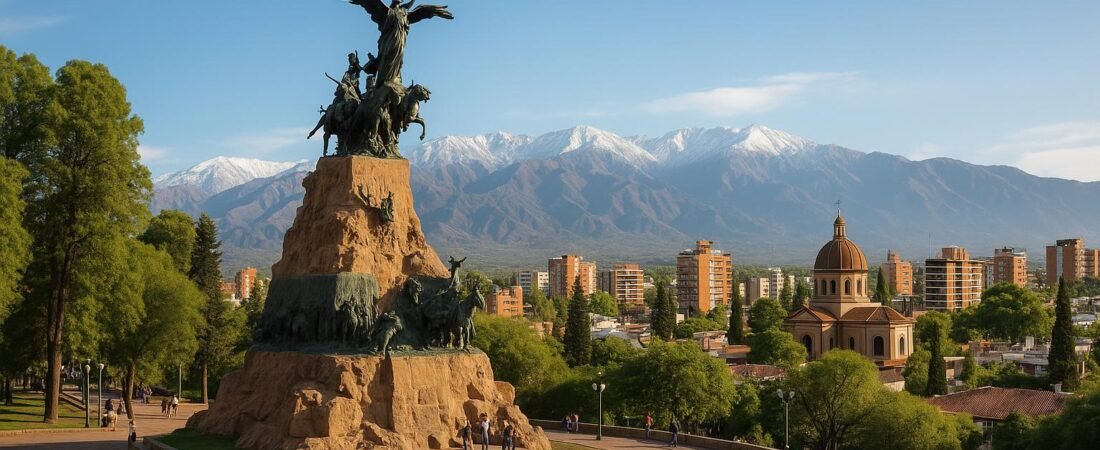
Mendoza is Argentina’s iconic wine country, set against the snow-dusted wall of the Andes. It is a place where vineyard rows lead your eyes toward rugged peaks, Malbec pours like water, and long, languid lunches stretch effortlessly into sunset. Beyond its world-class bodegas, Mendoza offers high-altitude adventures, gourmet dining, and a relaxed, Mediterranean-style lifestyle that quickly seduces visitors. This guide will help you plan when to go, where to stay, what to do, and how to make the most of your time in this remarkable region.
Best Time to Visit Mendoza
Seasons and Weather
Mendoza enjoys over 300 days of sunshine a year, with a dry, semi-desert climate moderated by altitude. Each season offers a distinct experience, so timing your trip depends on your priorities.
Summer (December to February): Hot, dry days and warm nights dominate, with daytime temperatures often reaching 30–35°C (86–95°F). This is prime time for lounging by poolside vineyards and enjoying alfresco dinners. However, it is also high season, with higher prices and more visitors, especially around Christmas and New Year.
Autumn (March to May): This is the quintessential time to visit Mendoza. March and April bring the grape harvest and spectacular foliage: vineyards glow in shades of gold, rust, and crimson, while daytime temperatures are pleasantly warm and evenings cool. May is quieter and slightly cooler, but still ideal for wine tasting and scenic drives.
Winter (June to August): Winters are generally sunny, dry, and crisp, with daytime highs around 12–15°C (54–59°F) and cold nights. Snow falls in the high Andes, turning nearby ski resorts such as Las Leñas and Penitentes into seasonal hubs. This is an excellent time for those who want to combine wine tourism with skiing, and for travelers seeking lower hotel rates.
Spring (September to November): Vineyards bud and blossom, orchards flower, and the landscape brightens with new growth. Temperatures gradually warm, and crowds are lighter than in peak summer. Late spring is an excellent time for outdoor activities like hiking, rafting, and horseback riding, with comfortable conditions and clear mountain views.
Events and Festivals
Mendoza’s calendar is anchored by the grape harvest and a strong wine tradition, with cultural events that add depth to any visit.
- Vendimia (Grape Harvest Festival, late February to early March): The Fiesta Nacional de la Vendimia is one of Argentina’s most important festivals. The city hosts parades, folkloric shows, and a spectacular amphitheater performance featuring hundreds of dancers, culminating in the crowning of the “Harvest Queen” and a dazzling fireworks display. Tickets and accommodation sell out early, so advance planning is essential.
- Wine Tasting Weeks and Open Cellar Days: Throughout harvest season, many wineries in Luján de Cuyo, Maipú, and the Uco Valley host special tastings, open-air concerts, and food-and-wine pairing events featuring local chefs and winemakers.
- Semana Santa (Holy Week): Easter brings religious processions, more subdued nights, and a reflective atmosphere. Some wineries and restaurants adjust schedules, so book ahead.
- Winter Ski Season Events: High-altitude resorts host ski competitions, music nights, and après-ski parties from July to August, attracting a mixed crowd of locals and international visitors.
Top Attractions in Mendoza
Wineries and Vineyards
Wine is at the heart of Mendoza’s identity. With elevated vineyards, abundant sunshine, and snow-fed irrigation from the Andes, this is one of the world’s great wine regions, and Malbec is its undisputed star.
- Luján de Cuyo: Considered the cradle of Argentine Malbec, Luján de Cuyo lies just south of Mendoza city. Here you will find prestigious wineries such as Catena Zapata, Bodega Norton, and Achával-Ferrer, alongside boutique bodegas focusing on small-lot, high-altitude wines. Many offer guided tastings, barrel room visits, and leisurely lunches overlooking the vines.
- Maipú: Closer to Mendoza city, Maipú combines heritage wineries with newer, design-forward projects. This is an excellent area for relaxed bike-and-wine tours, with well-marked routes connecting wineries, olive oil producers, and small family-run estates.
- Uco Valley: About 1.5–2 hours southwest of the city, the Uco Valley is Mendoza’s rising star. Set at higher elevations, it produces elegant Malbec, Cabernet Franc, and white wines with vibrant acidity. Architectural showpieces like Bodega O. Fournier (when open), Bodega Andeluna, and Bodega Salentein pair cutting-edge winemaking with panoramic Andean views. This region is ideal for a full-day excursion or an overnight escape.
- Wine Experiences: Beyond tastings, wineries increasingly offer immersive experiences: blending workshops where you create your own Malbec, vineyard picnics, horseback rides through the vines, and multi-course tasting menus that showcase local ingredients alongside curated wine pairings.
Natural Wonders
Mendoza’s landscape is defined by the Andes, a dramatic backdrop that invites exploration far beyond the vineyards.
- Aconcagua Provincial Park: Home to Mount Aconcagua, the highest peak outside Asia (6,962 m / 22,841 ft), this park offers more than challenging expeditions. Day visitors can hike short trails to viewpoints such as the Mirador de la Laguna de Horcones and admire sweeping vistas of glaciated summits and rugged valleys.
- Puente del Inca: Near Aconcagua, this natural rock bridge spans the Cuevas River, covered in mineral deposits that lend it striking yellow and orange hues. The ruins of an old thermal spa and the dramatic river gorge make this a fascinating stop on a high-Andes day trip.
- Cacheuta and the Mendoza River: The Mendoza River carves through arid canyons west of the city. The thermal baths at Cacheuta combine warm pools, spa treatments, and mountain scenery, while the river itself is a center for white-water rafting, especially in spring and early summer.
- Potrerillos Reservoir: This sapphire-blue lake ringed by mountains is popular for kayaking, stand-up paddleboarding, and scenic walks. It is often included in day tours from the city or visited independently by rental car.
- High-Altitude Adventures: Mountain biking, horseback riding with local gauchos, rock climbing, and trekking circuits around Villavicencio and the Andean foothills round out Mendoza’s outdoor offerings for active travelers.
Where to Stay in Mendoza
Recommended Neighborhoods
Mendoza province offers two main types of bases: the city itself and the wine country surrounding it. Your choice depends on whether you prefer urban conveniences or a more immersive vineyard experience.
- Downtown Mendoza (Centro): The city center concentrates hotels, restaurants, bars, and shops. Staying near Plaza Independencia or the leafy Avenida Arístides Villanueva puts you within walking distance of nightlife, cafés, and tour operators. This is the most practical choice if you plan multiple day trips to different wine regions.
- Chacras de Coria: A charming, semi-rural suburb about 20 minutes from the city, Chacras de Coria combines village ambiance with excellent dining and boutique lodging. It is ideal for travelers who want tranquility without being too far from the city and vineyards.
- Luján de Cuyo & Maipú (Wine Country): Staying on a vineyard estate here offers dawn views across the vines, easy access to nearby bodegas, and often on-site restaurants. It is perfect for a romantic escape or a slower-paced trip focused overwhelmingly on wine.
- Uco Valley: Remote and profoundly scenic, the Uco Valley lends itself to luxury retreats and secluded boutique lodges. It is best for those who want a retreat-like stay, with long lunches, spa treatments, and stargazing replacing urban distractions.
Types of Accommodations
Mendoza’s lodging options span a broad spectrum, from simple guesthouses to design-focused wine resorts.
- Boutique Wine Hotels: Vineyard lodges and small hotels integrated into wineries offer an intimate connection to the terroir. Expect tasting rooms, on-site sommeliers, private vineyard tours, and restaurant menus built around local produce and estate wines.
- City Hotels: In Mendoza city you will find everything from modern business hotels to stylish boutique properties. Many include pools and courtyards that provide an oasis from the midday heat. These are practical bases for shorter stays or for travelers relying on organized tours.
- Guesthouses and Posadas: Family-run inns and posadas can be found in Chacras de Coria, Maipú, and smaller towns. They often feature home-cooked breakfasts, personalized local advice, and warm, informal hospitality.
- Self-Catering Apartments: Apartments and apart-hotels are ideal for families or longer stays. Having a kitchen allows you to take advantage of Mendoza’s markets, cook simple meals, and better control your budget.
- Luxury Resorts and Spas: High-end properties, especially in the Uco Valley and Luján de Cuyo, feature award-winning architecture, full-service spas, infinity pools, and curated experiences such as yoga among the vines or private Andean excursions.
Food and Dining in Mendoza
Local Cuisine to Try
Mendoza’s culinary scene marries traditional Argentine flavors with modern techniques, always with an eye toward perfect wine pairings.
- Asado (Argentine Barbecue): Grilled meats are central to local food culture. Look for cuts like bife de chorizo (sirloin), ojo de bife (ribeye), and tira de asado (short ribs), cooked slowly over wood or charcoal and served simply with chimichurri.
- Empanadas Mendocinas: These baked pastries, typically filled with minced beef, onion, hard-boiled egg, and olives, are seasoned with mild spices and often enjoyed as a starter or snack. Each region has its own twist; Mendoza’s version is particularly beloved.
- Locro and Stews: In cooler months, try locro, a hearty stew of corn, beans, and meat, or carbonada, a sweet-and-savory beef stew with pumpkin and fruit, sometimes served in a hollowed-out squash.
- Olive Oil and Regional Produce: Maipú and surrounding areas produce excellent olive oil, often available to taste at small producers. Almonds, cherries, peaches, and plums feature prominently in seasonal menus and desserts.
- Desserts and Sweets: Flan with dulce de leche, alfajores (shortbread cookies filled with dulce de leche), and homemade ice creams often incorporate local fruits and Malbec reductions.
Wine remains the natural companion to nearly every meal, but do not overlook local craft beers and vermouth-based aperitifs, increasingly popular in city bars.
Best Restaurants and Cafés
Mendoza’s dining landscape is dynamic, balancing traditional parrillas with innovative wine-country cuisine.
- Winery Restaurants: Many of the region’s top meals are found at wineries. Multi-course tasting menus at estates in Luján de Cuyo and the Uco Valley often showcase seasonal ingredients: grilled vegetables from organic gardens, local cheeses, and carefully aged meats, each dish paired with a specific wine.
- Parrillas in the City: Classic steak houses in and around downtown serve generous grills, house-made sausages, and a wide selection of local wines. They are good places to sample asado in a convivial atmosphere.
- Modern Bistros and Wine Bars: Around Avenida Arístides Villanueva and the city center, contemporary bistros serve inventive small plates, shareable boards with charcuterie and cheeses, and tasting flights of regional wines. These spots attract a younger crowd and remain lively late into the evening.
- Cafés and Bakeries: Mendoza’s café culture thrives on strong coffee, medialunas (buttery croissants), and leisurely conversation. Terrace cafés around Plaza Independencia offer people-watching along with light lunches and pastries.
- Vegetarian and Vegan Options: While Mendoza is meat-centric, an increasing number of restaurants offer thoughtful plant-based dishes featuring grilled vegetables, legumes, and locally grown produce, especially in the city and more internationally oriented winery restaurants.
Budgeting for Your Trip
Estimated Costs
Costs in Mendoza vary widely depending on travel style, time of year, and your chosen level of comfort. The following ranges provide a general framework (excluding international flights):
- Accommodation per night: Budget guesthouses and hostels: US$20–50; mid-range hotels or boutique inns: US$60–150; luxury vineyard lodges and resorts: US$200–600+.
- Meals: Casual lunch or café meal: US$8–15; mid-range dinner with wine: US$20–40 per person; high-end winery tasting menu with pairings: US$60–150 per person.
- Wine Tastings and Tours: Standard winery tasting: US$10–25; half-day group tour (2–3 wineries): US$40–80; full-day small-group tour with lunch: US$80–150; private tours significantly higher.
- Transportation: City buses and metrotranvía: very economical; taxis and rideshares: modest fares within the city; full-day private driver in wine country: US$120–200 depending on distance and itinerary.
- Activities: Rafting, horseback riding, or day trips to the Andes: US$40–150 depending on duration and level of service; entry to Aconcagua Provincial Park: modest, with separate fees for longer treks or expeditions.
Tips for Saving Money
With a few strategic choices, Mendoza can be surprisingly affordable.
- Travel in Shoulder Seasons: Visiting in spring (September–November) or late autumn (April–May) can yield lower hotel rates and more availability at wineries, without sacrificing good weather.
- Base in the City: Staying in Mendoza city often costs less than vineyard lodges. You can then join shared tours or use rideshares to visit wine regions, rather than relying on pricier private transfers.
- Plan Winery Visits Independently: Instead of booking multiple packaged tours, alternate days of organized excursions with self-planned visits, especially in Maipú and Luján de Cuyo where wineries are closer together.
- Leverage Lunch Menus: Many winery restaurants and city bistros offer more affordable lunch menus than dinner tasting menus. Enjoy your main gastronomic splurge at midday, then choose a simpler dinner.
- Use Public Transport and Rideshares: City buses and the light rail (metrotranvía) are cheap and reliable for getting around Mendoza city and nearby suburbs. Rideshare apps and taxis are cost-effective at night or when traveling in small groups.
- Buy Wine Strategically: Prices at wineries can be attractive, but consider baggage allowances and potential customs limits. Sometimes purchasing at local wine shops or supermarkets in the city offers comparable value without logistical complications.
Getting Around Mendoza
Transportation Options
Mendoza’s compact city center, outlying suburbs, and wine regions can be navigated using a mix of public transport, organized tours, and private transfers.
- On Foot: Downtown Mendoza is walkable, with tree-lined avenues, plazas, shops, and many restaurants within reasonable distance. Strolling along the wide, shady sidewalks is part of the city’s charm.
- Buses and Metrotranvía: The public transport network connects the city with nearby neighborhoods and some suburban areas. Reloadable cards are used to pay fares. While not ideal for vineyard-hopping, buses are practical for commuting within the city.
- Taxis and Rideshares: Readily available in the city and at the airport, taxis and rideshares offer a convenient option, especially at night or when traveling between accommodation and restaurants. Confirm that the meter is used or agree on a fare in advance for longer trips.
- Organized Tours: Many travelers opt for half-day or full-day tours to wine regions, the Andes, or adventure destinations. These typically include hotel pickup, transportation, and a set itinerary of wineries or viewpoints, reducing logistical stress.
- Car Rental: Renting a car is the most flexible way to explore Luján de Cuyo, Maipú, and the Uco Valley at your own pace. Roads are generally in good condition, though signage in rural areas can be sparse. Designate a sober driver if your itinerary involves multiple tastings.
- Bicycles: In Maipú and Chacras de Coria, bike rentals allow for leisurely vineyard visits along relatively flat roads. Always ride cautiously, as shoulders can be narrow and traffic variable.
Navigating the City
Mendoza city is laid out on a grid, making it straightforward to navigate.
- City Layout: The central area radiates from Plaza Independencia, with smaller plazas forming a cross pattern. Main avenues such as Avenida San Martín and Avenida Colón help orient visitors, while Parque General San Martín to the west acts as a green reference point.
- Plazas and Landmarks: Use key squares—Plaza España, Plaza Italia, Plaza Chile—as waypoints. They are attractive places to pause, admire local tilework and statues, and reorient yourself.
- Parque General San Martín: This expansive park hosts lakes, rose gardens, sports fields, and viewpoints. Walking or cycling here offers a reprieve from city traffic. The Cerro de la Gloria monument provides a sweeping view over the city and toward the foothills.
- Driving and Parking: Downtown streets can be busy at rush hour, but traffic is manageable compared to larger cities. Street parking is often metered; watch for signage and, when in doubt, ask at your hotel about secure parking options.
- Orientation Tools: Offline maps and navigation apps are invaluable, particularly when exploring wine routes where mobile coverage can intermittently drop. Download maps ahead of time and save winery locations for easier routing.
Travel Tips for Mendoza
Safety Information
Mendoza is generally considered one of Argentina’s safer cities for visitors, but common-sense precautions still apply.
- Petty Crime: Pickpocketing and opportunistic theft can occur in crowded areas, markets, and on public transport. Keep valuables secure, avoid displaying expensive jewelry or electronics, and carry only what you need for the day.
- Nighttime Precautions: Central areas and popular restaurant zones remain lively and reasonably safe after dark, but stick to well-lit streets and use taxis or rideshares for longer distances, particularly late at night.
- Road and Outdoor Safety: When driving in the Andes or rural regions, be cautious of sharp curves, changing weather, and occasional livestock on the road. For hiking or high-altitude excursions, always check conditions, respect park regulations, and consider guided tours if you lack experience.
- Sun and Hydration: Mendoza’s altitude and dry air amplify sun exposure. High-SPF sunscreen, a hat, sunglasses, and regular hydration are essential, especially during wine tours and outdoor activities.
- Wine Consumption: Tastings can add up quickly. Pace yourself, drink water between pours, and never drink and drive. Many wineries offer spittoons, which professionals use liberally—there is no stigma in using them.
Cultural Etiquette
Understanding local customs helps you connect more easily with Mendocinos and enriches your experience.
- Greetings: A single kiss on the right cheek is the standard greeting among friends and acquaintances, including between men and women. In more formal contexts, a handshake is common. As a visitor, follow your host’s lead.
- Language: Spanish is the dominant language, and while many people working in tourism speak English, learning a few key phrases in Spanish is appreciated and can make interactions smoother.
- Dining Times: Argentines typically eat dinner late, often after 9 p.m. Restaurants may feel quiet early in the evening and come alive later. Plan snacks or a merienda (afternoon coffee and pastry) if you are used to earlier dining.
- Tipping: A 10% tip in restaurants is customary if service is good. Small tips are also appreciated for hotel staff, guides, and drivers.
- Respect for Wine Culture: Wineries are both working facilities and showcases of local heritage. Arrive on time for reservations, follow staff instructions during cellar tours, and treat tasting rooms and vineyards with care—do not pick grapes or wander into production areas unescorted.
- Dress Code: Casual but neat attire is widely acceptable. For upscale winery restaurants or fine-dining venues, smart casual clothing is appropriate, but formal wear is rarely necessary.
Mendoza rewards those who linger. It is a destination where time slows among vineyards, where clear mountain air sharpens the senses, and where each glass tells a story of altitude, sun, and soil. Whether you come for a weekend of tastings, a week of Andean adventures, or an extended immersion in Argentine wine culture, the region offers experiences that are both refined and deeply grounded in the landscape. With thoughtful planning around seasons, neighborhoods, and activities, your journey to Mendoza can be as nuanced and memorable as the wines that made it famous.