
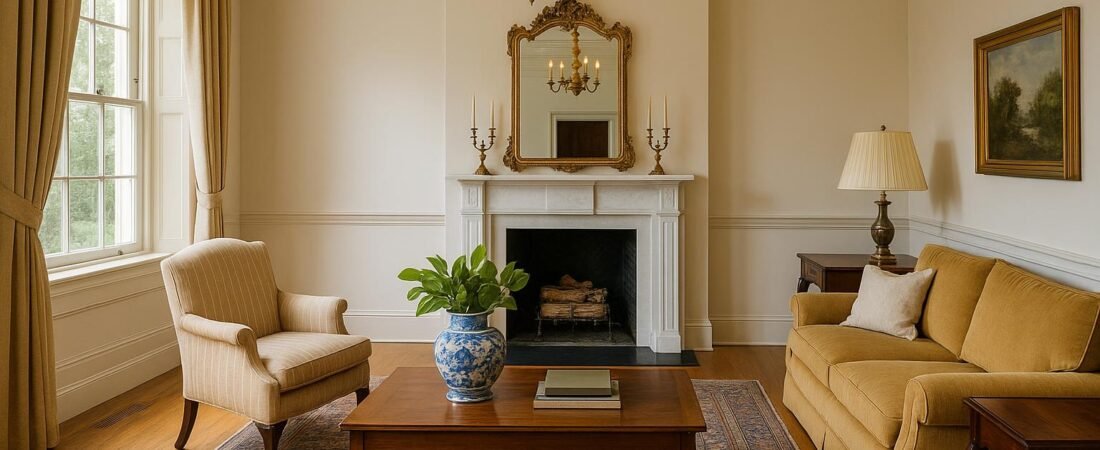
Classic Interior Design Ideas That Stand the Test of Time
Trends come and go, but some interiors always look right. They feel calm, considered, and quietly confident—whether the year is 1995 or 2025. That’s the essence of classic interior design: spaces built on strong fundamentals rather than the latest “must-have” look.
If you’re tired of redecorating every few years, this guide is for you. We’ll look at the timeless design principles that never date, and how to apply them in a modern home so your rooms stay relevant, adaptable, and beautiful for years to come.
What Makes an Interior “Timeless”?
Timeless interiors aren’t about copying a single style (like “traditional” or “modern classic”). Instead, they rely on a few enduring ideas:
- Balance and symmetry over visual chaos
- Quality materials that age gracefully
- Restrained, adaptable color palettes
- Simple, well-proportioned furniture instead of novelty pieces
Think of classic design as a strong architectural shell and furniture “framework” that can evolve. You can change cushions and art as your taste shifts, but the bones of the room remain solid and stylish.
1. Start With a Neutral Foundation
One of the most consistent hallmarks of timeless interiors is a neutral base. Rather than committing to a bold color trend on walls or large furniture, classic rooms rely on:
- Warm whites
- Creams and ivories
- Soft taupes and greiges
- Stone and mushroom greys
- Light, warm beiges
These hues create a calm backdrop that works with almost any accent color or style. They’re forgiving, easy to live with, and make spaces feel larger and more cohesive.
How to Use Neutrals Without Feeling Bland
- Layer tones: Mix several shades of white, beige, and grey in the same room to avoid flatness.
- Add texture: Combine smooth paint with textured fabrics, woven baskets, and natural wood.
- Vary finishes: Matte walls, satin trim, and a slight sheen on furniture give depth.
Neutrals should feel rich and inviting, not sterile. The goal is a warm, adaptable canvas, not an all-white showroom.
2. Use Symmetry and Balance for Instant Classic Appeal
Stand in any timeless living room, and you’ll notice one thing right away: it feels balanced. Classic interiors rely heavily on symmetry and thoughtful visual weight.
Common techniques include:
- Pairs of items: Matching lamps on either side of a sofa, twin armchairs, a pair of bedside tables.
- Mirrored arrangements: Artwork or shelves flanking a fireplace or TV.
- Centered focal points: A chandelier centered over a dining table, a bed lined up with a window or wall niche.
Where to Create Symmetry
- Living rooms: Place two matching chairs facing a sofa, or anchor the fireplace with identical sconces.
- Bedrooms: Use matching bedside tables, lamps, and aligned art above the headboard.
- Entryways: Balance a console table with a mirror above and a pair of lamps or vases.
Perfect symmetry isn’t always possible, but aiming for visual balance—where heavy and light elements feel evenly distributed—creates a sense of order that never goes out of style.
3. Choose Natural Materials That Age Well
Classic interiors lean heavily on natural, tactile materials that look even better as they wear in:
- Wood: Oak, walnut, maple, and other quality species in furniture and flooring.
- Stone: Marble, limestone, slate, or soapstone for counters, floors, and accents.
- Leather: Sofas, armchairs, or benches that patina over time.
- Linen and cotton: For upholstery, curtains, and bedding.
- Wool: Rugs, throws, and upholstery textiles.
These materials feel grounded and enduring because they’re not tied to one era. A linen sofa and oak table looked good decades ago and will still look right decades from now.
Practical Tips for Using Natural Materials
- Mix, don’t match: Combine different wood tones and textures rather than trying to match everything perfectly.
- Invest where it counts: Put budget into solid wood tables, quality rugs, and stone surfaces that will last.
- Balance with softer elements: Offset stone or wood with cushions, throws, and upholstered pieces to keep rooms comfortable, not austere.
4. Add Traditional Architectural Details
Nothing makes a home feel more “classic” than considered architectural features. Even simple additions can instantly elevate a plain box of a room.
Timeless architectural details include:
- Crown molding and baseboards
- Wainscoting and wall paneling
- Door and window trim with character
- Ceiling medallions and beams
- Built-in bookcases and window seats
How to Introduce Classic Details in a Modern Home
- Start small: Upgrade baseboards and door casings for immediate impact.
- Add paneling: Simple box molding or board-and-batten in an entry, hallway, or dining room.
- Frame focal points: Build in shelving around a fireplace or TV wall for a custom, permanent feel.
Keep profiles clean and proportions appropriate to your ceiling height and room size. Classic in 2025 doesn’t mean overly ornate; it means tailored, well-detailed, and intentional.
5. Invest in Simple, High-Quality Furniture
Truly timeless rooms are built around a few well-chosen pieces, not constant furniture churn. The key is to choose clean-lined pieces with subtle, traditional silhouettes rather than extreme shapes.
Look for:
- Sofas: Straight or slightly rolled arms, tight or semi-attached backs, and neutral upholstery.
- Chairs: Classic wingbacks, slipper chairs, or club chairs with balanced proportions.
- Tables: Solid wood dining and coffee tables with simple legs and minimal decorative carving.
- Storage: Sideboards, dressers, and consoles with timeless hardware and clean fronts.
Furniture Buying Strategy for a Timeless Home
- Spend on “anchors”: Prioritize quality in your sofa, dining table, and bed frame.
- Stay neutral: Keep major upholstery in neutral fabrics, then add color through pillows and throws.
- Avoid gimmicks: Skip odd shapes, extreme color trends, and novelty furniture that will date quickly.
Well-made furniture with simple, classic lines adapts easily to changing styles with just a change of textiles or accessories.
6. Choose Classic Window Treatments and Textiles
Window treatments and fabrics are a powerful way to signal “timeless” rather than “trendy.” Classic interiors favor:
- Linen or cotton curtains: Light-filtering, lined panels in solids or subtle patterns.
- Tailored drapery: Pinch-pleat or simple header styles, hung high and wide to frame windows gracefully.
- Layered textures: Mixing smooth cotton, nubby linen, knits, and woven fabrics.
- Enduring patterns: Stripes, checks, plaids, small-scale geometrics, and subtle florals.
Timeless Textile Combinations
- Living room: Neutral linen curtains, a wool or jute rug, cotton or linen cushions in stripes and solids.
- Bedroom: Crisp cotton sheets, a quilt or coverlet, and a wool or cashmere throw layered at the foot of the bed.
- Dining room: Upholstered dining chairs in a durable, neutral fabric plus linen napkins and a simple runner.
Stick with a limited palette and repeat colors and textures across the room for cohesion.
7. Opt for Timeless Flooring
Flooring is one of the most expensive elements to change, so choosing a classic option is essential if you want your home to age gracefully.
Enduring choices include:
- Medium-tone hardwood: Natural oak, walnut, or similar species in neither very dark nor very light stains.
- Classic patterns: Straight planks or traditional layouts like herringbone or chevron.
- Stone and tile: Neutral stone or porcelain in simple, rectangular formats.
How to Keep Flooring Timeless
- Avoid extreme stains: Very grey, orange, or black-stained floors tend to date quickly.
- Keep scale reasonable: Oversized tiles or hyper-skinny planks can be trend-driven.
- Use rugs strategically: Layer wool or natural-fiber rugs to add softness and pattern without compromising the classic base.
Well-chosen flooring provides a neutral, enduring stage for everything else in the room.
8. Layer Enduring Decor Accents
Accessories are where your personality comes through—and where you can safely mix eras. Classic interiors feel collected, not theme-driven or matchy-matchy.
Timeless accents often include:
- Antique or vintage pieces: A flea market chest, vintage side table, or inherited chair adds depth.
- Mirrors: Simple framed mirrors or classic shapes above fireplaces and consoles.
- Artwork: Original pieces, photography, or prints framed simply in wood or black.
- Statement lighting: Quality table lamps, wall sconces, and ceiling fixtures with classic silhouettes.
- Books and collected objects: Stacked on coffee tables and shelves for a lived-in, layered look.
Editing for a Classic, Not Cluttered, Look
- Curate surfaces: Style coffee tables and consoles with a few meaningful objects instead of many small items.
- Repeat materials: Echo brass, black metal, glass, or wood finishes around the room for cohesion.
- Rotate seasonally: Swap pillows, throws, and smaller pieces rather than constantly adding more.
The goal is a home that looks like it’s evolved thoughtfully over time, not assembled in a single shopping trip.
9. Keep Permanent Elements Timeless, Play With the Rest
The most practical way to create a classic interior in a modern home is to separate your design decisions into two categories:
- Permanent (or expensive) elements – floors, wall color, cabinetry, major furniture, built-ins.
- Flexible (easy-to-change) elements – cushions, rugs, smaller decor, accent paint, bedding, smaller light fixtures.
Timeless vs. Trend Checklist
Keep timeless:
- Flooring and tiles
- Kitchen and bathroom cabinetry
- Main wall colors
- Sofas and dining tables
- Built-in storage and trimwork
Feel free to experiment with trends:
- Pillows and throws
- Accent chairs or ottomans
- Table lamps and side tables