
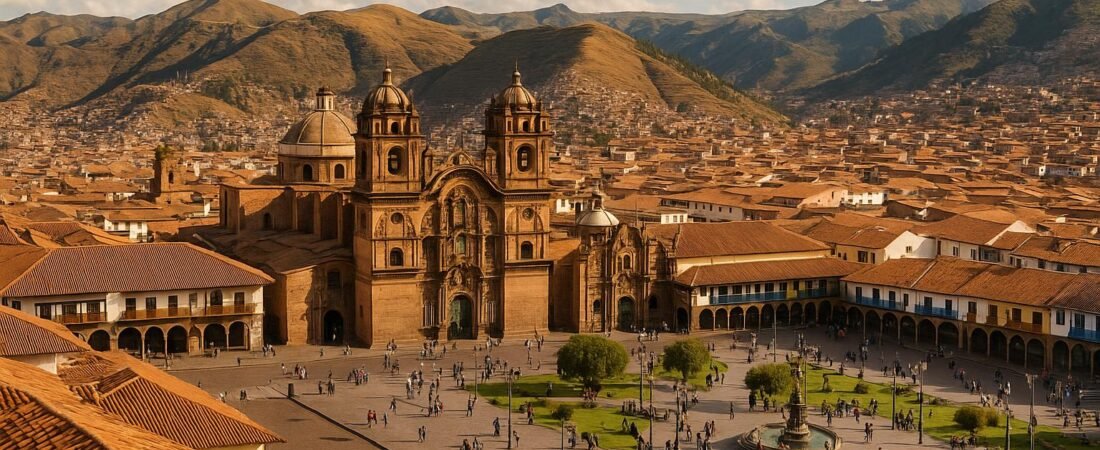
Cusco is far more than a gateway to Machu Picchu. Once the glittering capital of the Inca Empire, today it is a high-altitude city where Andean traditions, colonial architecture, and a sophisticated culinary scene coexist. Cobblestone streets climb steep hills, baroque churches rise over ancient Inca foundations, and artisan markets spill into sunlit plazas. Planning when to go, where to stay, and what to experience can transform a quick stopover into an unforgettable journey.
Best Time to Visit Cusco
Weather Overview
Cusco sits at around 3,400 meters (11,150 feet) above sea level in the Peruvian Andes. The climate is defined less by four seasons and more by a dry season and a rainy season.
From May to September, the dry season brings bright blue skies, crisp nights, and very little rainfall. Daytime temperatures usually hover between 18–21°C (64–70°F), though the sun feels stronger at altitude. Nights can drop close to freezing, so layering is essential. This is the best time for trekking in the Sacred Valley, visiting Machu Picchu, and enjoying clear views of surrounding peaks.
October to April is the rainy season. Showers range from brief afternoon downpours to prolonged rain, particularly between January and March. Daytime temperatures are milder, but humidity rises and trails can become muddy. The upside is lusher landscapes, fewer crowds outside of holidays, and more flexible pricing on accommodation and tours, especially in November and March.
Altitude affects everyone differently. Regardless of the month, allow at least a day to acclimatize, avoid heavy exertion on arrival, and stay well hydrated.
Peak Tourist Seasons
Cusco experiences several distinct tourism peaks throughout the year.
- Dry season (May–September): This is the classic high season, coinciding with clear weather and international vacation periods. June and July are particularly busy as visitors arrive for the Inti Raymi celebrations and northern hemisphere summer. Expect higher prices, booked-out hotels, and crowded marquee sites unless you reserve well in advance.
- Festive periods: Easter (Semana Santa), Christmas, and New Year draw domestic and regional travelers. Processions, fireworks, and special events bring a vibrant atmosphere but can also strain local infrastructure.
- Shoulder months: April and October are excellent for balanced conditions—fewer visitors, generally pleasant weather, and more availability for tours and accommodations.
For travelers seeking a quieter, more contemplative experience in Cusco and the Sacred Valley, the shoulder months and early rainy season (excluding major holidays) offer the best compromise between climate and crowd levels.
Top Attractions in Cusco
Historical Sites
Cusco’s historical landscape is remarkably dense, with Inca ruins and colonial monuments often sharing the same block. Many highlights can be visited on foot from the city center.
- Plaza de Armas: The heart of historic Cusco is framed by arcaded galleries, restaurants, and grand churches. It was once an Inca ceremonial center; today, it is an ideal place to get your bearings, observe local life, and join city walking tours.
- Cusco Cathedral (Catedral del Cusco): Dominating the plaza, this monumental cathedral is a masterpiece of Spanish colonial architecture built on the foundations of an Inca palace. Inside, you will find elaborate altars, paintings from the Cusco School, and a famous Andean interpretation of the Last Supper featuring local ingredients.
- Qorikancha (Coricancha) and the Convent of Santo Domingo: Once the most sacred temple in the Inca Empire, Qorikancha was reportedly lined with sheets of gold. The Spanish built the Santo Domingo convent on top of its foundations, leaving the magnificent Inca stonework visible beneath. The juxtaposition of Inca and colonial architecture is one of Cusco’s most striking sights.
- Sacsayhuamán: Overlooking the city, this fortress-temple complex is renowned for its cyclopean stone walls, some blocks weighing over 100 tons and fitting together with astonishing precision. The site offers sweeping views over Cusco and is the stage for the Inti Raymi festival in June.
- Q’enqo, Pukapukara, and Tambomachay: These smaller archaeological sites lie just outside the city center and are often combined into a half-day tour. They showcase ceremonial caves, defensive outposts, and sophisticated Inca waterworks.
- San Blas streets and Inca walls: Wandering the narrow alleys between the main square and the San Blas neighborhood reveals impeccably preserved Inca walls, including the famous twelve-angled stone on Hatun Rumiyoc Street.
Cultural Experiences
Cusco’s living culture is as compelling as its ruins. Traditional Quechua customs, vibrant festivals, and a strong artisan heritage give visitors opportunities to engage beyond sightseeing.
- San Pedro Market: Located a short walk from the historic center, this bustling market offers an immersion into local daily life. Stalls sell tropical fruits, Andean cheeses, medicinal herbs, textiles, and freshly squeezed juices. It is also a good introduction to regional ingredients used in Peruvian cuisine.
- Traditional weaving demonstrations: Numerous weaving cooperatives in and around Cusco and the Sacred Valley showcase ancestral textile techniques. Visiting a center in Chinchero or nearby communities provides insight into natural dyeing processes, Inca-era patterns, and the social role of weaving.
- Cooking classes and pisco tastings: Cusco’s culinary schools and boutique bars offer hands-on classes where you learn to prepare dishes such as ceviche, lomo saltado, and quinoa-based specialties. Pisco tastings reveal the complexity of Peru’s emblematic spirit and its role in the classic pisco sour.
- Festivals and processions: If your visit coincides with major celebrations such as Inti Raymi, Corpus Christi, or Semana Santa, you will witness elaborate parades, traditional music, and colorful costumes. These events can be crowded but offer a profound window into local spirituality.
- Art galleries and museums: The Museo de Arte Precolombino, the Inka Museum (Museo Inka), and smaller contemporary galleries help contextualize what you see at archaeological sites. They trace the evolution of Andean art from pre-Inca cultures to modern interpretations.
Experiencing Cusco’s culture also means slowing down: listening to street musicians in small plazas, watching artisans carve gourds or silver, and engaging respectfully with locals who sustain these traditions.
Where to Stay in Cusco
Recommended Neighborhoods
Choosing the right base in Cusco depends on your priorities: atmosphere, altitude adjustment, nightlife, or proximity to archaeological sites. The city’s compact historical core makes most areas within walking distance, but each neighborhood has a distinct character.
- Historic Center (Centro Histórico): Staying near the Plaza de Armas or along its surrounding streets places you at the center of activity. Museums, churches, restaurants, and travel agencies are all nearby. This area suits first-time visitors who want convenience and an architectural showcase of Inca and colonial heritage.
- San Blas: Perched uphill from the main square, San Blas is Cusco’s bohemian quarter, known for artisan workshops, charming cafés, and panoramic viewpoints. Cobblestone lanes and whitewashed houses create a picturesque ambiance. It is slightly quieter at night but involves more climbing—something to consider at altitude.
- San Cristóbal and upper neighborhoods: Above the historic center, areas such as San Cristóbal offer sweeping city views and a more residential feel. They are good choices for travelers seeking a calmer environment and boutique guesthouses, though walking back involves steep inclines.
- Avenida El Sol and surrounding streets: Slightly removed from the Plaza de Armas yet still central, this corridor provides easy access to Qorikancha, banks, and transport links. It tends to feature mid-range and business hotels rather than intimate guesthouses.
Wherever you stay, consider altitude and mobility. For the first night or two, some travelers prefer being as close as possible to services and gentle walks rather than steep climbs.
Types of Accommodations
Cusco offers an extensive range of lodging, from simple hostels serving backpackers to meticulously restored colonial mansions and wellness-focused retreats in the Sacred Valley.
- Luxury hotels: High-end properties often occupy former monasteries or noble houses, blending heritage architecture with contemporary comfort. Expect courtyards, oxygen-enriched rooms, fine-dining restaurants, and attentive service. These hotels suit travelers seeking indulgence after treks or long travel days.
- Boutique guesthouses: Smaller, design-conscious properties are abundant in San Blas and the historic center. They typically emphasize local character through original stonework, handcrafted furnishings, and curated art. Many include hearty breakfasts and personalized advice on navigating Cusco and the Sacred Valley.
- Mid-range hotels: Competitively priced, comfortable options are scattered throughout the center. These often balance modern amenities—reliable hot water, heating, and Wi-Fi—with a sense of place, making them ideal for most travelers.
- Hostels and budget stays: Cusco remains a hub for backpackers and independent travelers. Well-managed hostels provide dorms and private rooms, social spaces, luggage storage, and tour desks. Look for properties that take noise control and cleanliness seriously, particularly if you are resting before a trek.
- Sacred Valley retreats: Some visitors split their stay between Cusco and lower-altitude towns such as Urubamba or Ollantaytambo. These valley lodges are surrounded by agricultural terraces and mountains, offering a slower pace, spa facilities, and easy access to nearby ruins while easing the effects of altitude.
Advance booking is essential during peak seasons, especially for characterful boutique hotels and properties with distinctive views or heritage status.
Food and Dining in Cusco
Must-Try Dishes
Cusco is a superb place to explore Peruvian gastronomy, with menus ranging from time-honored Andean recipes to modern, ingredient-driven cuisine. Altitude influences cooking methods and ingredients, yielding distinctive mountain flavors.
- Cuy chactado or al horno (guinea pig): A traditional celebratory dish in the Andes, cuy is often roasted or pan-fried until crisp, then served whole. It is not to everyone’s taste, but it offers insight into local food culture stretching back to pre-Columbian times.
- Lomo saltado: Stir-fried beef cooked with onions, tomatoes, and soy-based seasoning, usually served with rice and fries. This emblematic Peruvian dish reflects Chinese influences and is widely available in Cusco’s restaurants.
- Trucha (Andean trout): Fresh trout from high-altitude lakes and rivers is commonly served grilled or pan-seared, paired with herbs, vegetables, or quinoa. It is a lighter option well suited to the altitude.
- Quinua and other Andean grains: Quinoa, kiwicha (amaranth), and kaniwa appear in soups, salads, and stews. They are nutritious, native to the region, and often featured in contemporary Andean cuisine.
- Chairo and other hearty soups: Thick, warming soups made with root vegetables, grains, and meat are a staple in the cooler highland climate. They are satisfying yet generally gentle on the stomach while acclimatizing.
- Chicha morada and mate de coca: Chicha morada is a non-alcoholic drink made from purple corn, spiced with cloves and cinnamon. Mate de coca, an infusion of coca leaves, is widely consumed to alleviate mild altitude discomfort.
- Pisco sour: Peru’s iconic cocktail, combining pisco, lime, sugar syrup, egg white, and bitters, is a fixture of Cusco’s bar menus. Due to the altitude, consume alcohol judiciously, especially in your first days.
Popular Restaurants and Cafes
The dining scene in Cusco has evolved significantly in recent years. You will find everything from rustic eateries frequented by locals to chef-driven restaurants showcasing regional produce in refined presentations.
- Contemporary Andean restaurants: Several establishments reinterpret traditional highland ingredients—alpaca, tubers, native herbs—through modern techniques. These venues often offer tasting menus paired with Peruvian wines and piscos, ideal for a special evening.
- Traditional picanterías: Picanterías are informal eateries serving robust, home-style dishes such as stews, roasted meats, and hearty soups. They remain among the best places to sample everyday Andean cooking alongside local clientele.
- Vegetarian and vegan options: Cusco caters well to plant-based travelers, with cafés and restaurants centering vegetables, grains, and legumes in inventive ways. Many feature organic produce from the Sacred Valley and freshly baked bread.
- Cafés with a view: San Blas and the hills encircling the historic center are dotted with cafés that overlook tiled roofs and surrounding mountains. They are ideal stops for specialty coffee, light lunches, and catching your breath between steep climbs.
- Bakeries and chocolate shops: Artisan bakeries produce excellent sourdoughs, pastries, and empanadas. Bean-to-bar chocolatiers use cacao from the Peruvian Amazon, offering tastings and workshops that showcase Peru’s role as a leading cocoa producer.
Wherever you dine, confirm opening hours in advance, particularly during holidays or festival days when schedules can change. Reservations are recommended at top-tier restaurants during high season.
Conclusion
Cusco rewards those who treat it as a destination in its own right, not merely a transit point to Machu Picchu. The city weaves together Inca stonework, colonial splendor, and a thriving contemporary culture into a remarkably cohesive whole. Thoughtful timing can spare you the worst crowds, while a considered choice of neighborhood and accommodation will shape your daily rhythm.
Whether you are tracing Inca roads above Sacsayhuamán, discovering regional flavors in a bustling market, or simply pausing in a quiet plaza as church bells ring, Cusco offers a layered experience that lingers long after you leave the Andes behind.