
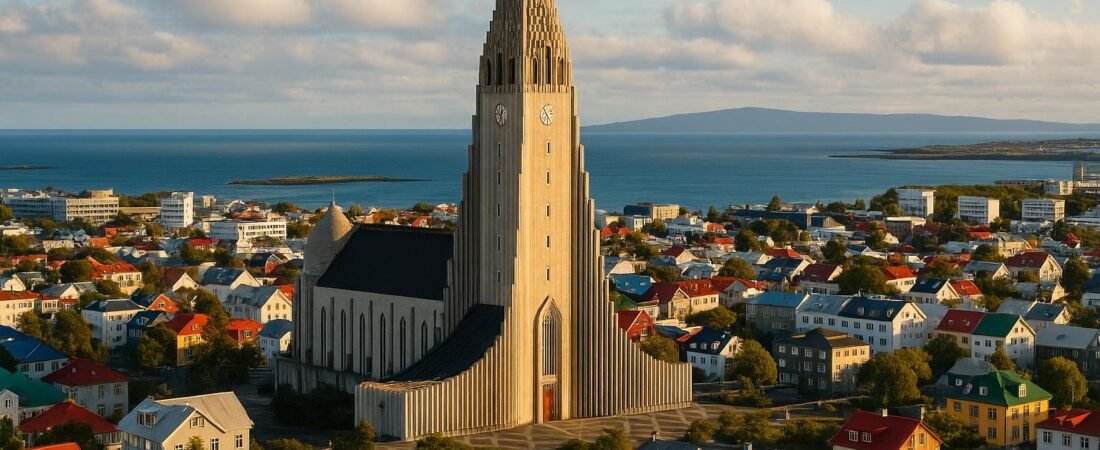
Reykjavík is a city of striking contrasts: compact yet cosmopolitan, remote yet remarkably creative. Iceland’s capital combines Nordic design, avant‑garde gastronomy, geothermal pools and a thriving music scene with easy access to dramatic landscapes. Whether you come for northern lights, midnight sun or simply to wander colorful streets framed by snow‑dusted mountains, Reykjavík rewards curious travelers with a rich, well-rounded experience.
Best Time to Visit Reykjavík
Weather and Climate Overview
Reykjavík enjoys a subarctic maritime climate, which means cooler temperatures than mainland Europe but far milder conditions than many expect from its latitude. Winters are relatively moderate, with typical temperatures hovering between -1°C and 4°C (30–39°F). Snow is common, but heavy, long‑lasting snow cover is less frequent due to the warming influence of the Gulf Stream.
From June to August, summer temperatures usually range from 10°C to 15°C (50–59°F), occasionally reaching 20°C (68°F) on particularly warm days. While it rarely becomes hot, long hours of daylight create a buoyant, energetic atmosphere. Rain and wind are possible in any season, but weather changes tend to be rapid rather than extreme, so layering is essential year‑round.
Daylight is the factor that most dramatically shapes the visitor experience. Around the December solstice, Reykjavík receives less than four hours of weak daylight, producing a blue‑grey twilight that feels almost cinematic. By contrast, in late June the sun barely dips below the horizon, bathing the city in luminous “white nights” ideal for late‑night strolls, photography and festivals.
For balanced conditions, May, early June and September are particularly appealing. These shoulder months pair relatively mild weather with fewer crowds and often lower hotel rates, while still offering strong chances of clear skies for sightseeing.
Seasonal Events and Festivals
Reykjavík’s cultural calendar is dense, with events that reflect the city’s artistic flair and close relationship with nature.
- Winter and Northern Lights Season (October–March): This period offers the best chance to see the aurora borealis on clear, dark nights just outside the city. In February, the Reykjavík Winter Lights Festival illuminates museums, swimming pools and landmarks with art installations and light projections, celebrating the gradual return of daylight.
- Spring (April–May): As snow recedes, migratory birds return and outdoor café culture reawakens. Easter often brings special menus at restaurants, and cultural venues ramp up their programming with concerts and exhibitions.
- Summer and Midnight Sun (June–August): Summer is festival high season. Secret Solstice (dates may vary) has attracted international music acts, while June’s National Day of Iceland on June 17 fills downtown with parades, street performances and family activities. In August, Reykjavík Pride colors the city with one of the most vibrant LGBTQ+ celebrations in the Nordics, and Reykjavík Culture Night (Menningarnótt) brings open‑air concerts, gallery openings and fireworks.
- Autumn (September–November): Autumn foliage in city parks and on nearby hillsides adds unexpected color. The Reykjavík International Film Festival (RIFF), usually held in late September and early October, draws filmmakers and cinephiles from around the world, while the Reykjavík Jazz Festival adds a sophisticated musical note.
Choosing when to visit Reykjavík depends on your priorities: come in winter for northern lights and cozy, candlelit interiors; in summer for long days, lively streets and open roads; or during the shoulder seasons for quieter charm and nuanced light.
Top Attractions in Reykjavík
Must-See Landmarks
Reykjavík’s compact core makes it easy to explore major landmarks on foot, each revealing a different aspect of the city’s character.
- Hallgrímskirkja: This striking Lutheran church, inspired by basalt lava formations, dominates the skyline from its hilltop location. Take the elevator to the tower for panoramic views over colorful corrugated‑iron rooftops, Faxaflói Bay and the surrounding mountains. Visiting early in the morning or at dusk offers particularly atmospheric vistas.
- Harpa Concert Hall and Conference Centre: Harpa’s glass honeycomb façade, designed in collaboration with artist Olafur Eliasson, captures Reykjavík’s changing light in endlessly shifting reflections. Even if you do not attend a concert, wandering through its multi‑level atrium and viewing the harbor from its large windows is worthwhile. Guided tours provide insight into the building’s architecture and acoustics.
- Sun Voyager (Sólfar): This gleaming steel sculpture on the waterfront resembles a Viking ship but is officially a dreamboat, symbolizing hope and undiscovered territory. It is one of Reykjavík’s most photographed sites, especially at sunset or with snow‑capped Esja mountain in the background.
- Old Harbour (Gamla höfnin): Once purely functional, the rejuvenated harbor is now an appealing blend of working docks, tour operators, art studios and seafood restaurants. From here you can embark on whale‑watching excursions, puffin tours and seasonal northern lights cruises.
- Perlan: Perched on Öskjuhlíð hill, Perlan combines hot water storage tanks with an observation deck, an interactive nature exhibition and a man‑made ice cave. The views from the glass dome extend across the city and toward the Reykjanes Peninsula, making it a strong choice for orientation on your first day.
- National Museum of Iceland and Reykjavík City Museum: For visitors interested in history and culture, these institutions offer context for everything from Viking heritage to modern urban development. Exhibits are well curated, with English explanations and engaging multimedia presentations.
Unique Experiences and Activities
Beyond its landmarks, Reykjavík excels at immersive experiences that highlight Icelandic nature, culture and daily life.
- Geothermal Swimming Pools: Public pools are central to local life. Laugardalslaug, the city’s largest complex, features outdoor pools, slides, hot tubs and steam rooms fueled by geothermal energy. Smaller neighborhood pools, such as Sundhöllin, offer a more intimate atmosphere. Joining residents in the hot pots is an authentic way to socialize and unwind.
- Northern Lights and Midnight Sun Excursions: From September to April, guided northern lights tours depart Reykjavík nearly every clear night, heading into darker countryside for better viewing conditions. In summer, alternative evening excursions showcase the surreal glow of the midnight sun on nearby volcanoes, lava fields and coastal cliffs.
- Day Trips to Iconic Nature Sites: Reykjavík is the gateway to many of Iceland’s most famous landscapes. The Golden Circle (Þingvellir National Park, Geysir geothermal area and Gullfoss waterfall) can be visited on a day tour or self‑drive from the city. The Reykjanes Peninsula, now UNESCO‑listed, offers lava fields, steaming vents and coastal viewpoints within an hour’s drive.
- Whale Watching and Marine Wildlife: Departing from the Old Harbour, whale‑watching boats seek minke whales, humpbacks, dolphins and porpoises in Faxaflói Bay. In summer, puffin‑spotting tours visit small offshore islands, offering close but responsible encounters with these charismatic seabirds.
- Street Art and Design Shopping: Reykjavík’s walls are canvases for large‑scale murals, many by renowned street artists. A self‑guided walk through central streets like Laugavegur and Hverfisgata reveals ever‑changing works. Along the way, browse local design boutiques for woolen knitwear, ceramics and minimalist home goods that reflect contemporary Icelandic aesthetics.
- Music, Nightlife and Culture: Despite its size, Reykjavík supports an impressive live music scene in intimate venues and bars. The city hosts numerous gigs spanning indie, electronica, jazz and classical genres. Nightlife is concentrated around the downtown core, where bars often fill late due to Iceland’s tradition of “rúntur”, or late‑night bar‑hopping.
Where to Stay in Reykjavík
Best Neighborhoods for Tourists
Reykjavík’s lodging options cluster in a few compact districts, each with distinct advantages depending on your interests and travel style.
- Downtown (Miðbær): Centered around Laugavegur, Austurstræti and the streets leading to the harbor, downtown is ideal for first‑time visitors who prioritize walkability. Here you will find many of the city’s restaurants, bars, galleries and boutiques within a short stroll of major attractions. It can be lively—especially on weekend nights—but offers unmatched convenience.
- Old Harbour and Grandi District: The western waterfront area around the Old Harbour has evolved into a trendy quarter with converted warehouses, contemporary eateries, the Whale Museum and art spaces. Staying here places you near marine excursions and scenic waterfront walks while remaining only 10–15 minutes on foot from central shopping streets.
- Hlíðar and Hlemmur Area: Just east of the main downtown strip, residential Hlíðar offers a quieter environment with good bus connections. The redeveloped Hlemmur area, built around the former bus terminal now functioning as a food hall, boasts a growing number of modern hotels and guesthouses. It suits travelers who want proximity to the center without late‑night noise.
- Laugardalur: Slightly farther from the core, Laugardalur is a green district known for its park, botanical garden, family‑friendly attractions and Reykjavík’s main sports stadium. It is a pragmatic choice for families or those seeking more space and easy access to Laugardalslaug swimming pool. Public buses and walking paths link it to central Reykjavík.
Recommended Hotels and Accommodations
Reykjavík provides a broad spectrum of accommodations, from design‑driven boutique hotels to apartment rentals and budget hostels. Book well in advance for summer and major festival periods.
- Boutique and Design Hotels:
- Canopy by Hilton Reykjavík City Centre: Spread across refurbished buildings near Laugavegur, this hotel combines industrial touches with warm textures. It offers a complimentary tasting of local bites and is well positioned for both shopping and the harbor.
- ION City Hotel: A sleek, contemporary property on Laugavegur featuring minimalist interiors, floor‑to‑ceiling windows and an emphasis on Icelandic design. Rooms facing the street or bay offer engaging city views.
- Sand Hotel: Nestled along Laugavegur with subtle Art Deco influences, Sand Hotel blends comfort with curated artwork and an excellent on‑site bakery, convenient for early departures.
- Upscale and Full‑Service Options:
- Apótek Hotel: Located in a landmark former pharmacy building, this stylish hotel pairs heritage architecture with a contemporary brasserie and cocktail bar, making it suitable for travelers who value ambiance and centrality.
- Hotel Borg: Overlooking Austurvöllur square, Hotel Borg is a Reykjavík institution with distinctive Art Deco interiors. It suits those seeking a sense of history and close proximity to the Parliament and cathedral.
- Mid‑Range Hotels and Guesthouses:
- Fosshotel Reykjavík: A large, modern property near the waterfront, within walking distance of Laugavegur. Many rooms offer sea or mountain views, and the on‑site restaurant specializes in Nordic cuisine.
- Skuggi Hotel: A sensibly priced option inspired by Icelandic photography, with clean lines, functional rooms and easy access to the main shopping and dining streets.
- KEX Hostel: Housed in a former biscuit factory, KEX combines dormitory rooms, private accommodations, a lively bar and regular cultural events. It appeals to social, design‑conscious travelers on a budget.
- Apartment‑Style Stays:
- Serviced apartments and aparthotels in and around Laugavegur are ideal for longer stays or families who appreciate kitchen facilities. Properties with parking can be particularly useful if you plan multiple day trips beyond the city.
When choosing accommodation, consider your priorities: walking distance versus quiet nights, proximity to tour pickups, parking availability, and access to pools or wellness facilities that can enhance your stay in the often brisk Icelandic climate.
Food and Dining in Reykjavík
Traditional Icelandic Cuisine
Icelandic cuisine is rooted in resourcefulness and respect for seasonal ingredients. Historically, the island’s isolation and harsh conditions shaped a culinary culture centered on preservation, dairy and simple, robust flavors. Today, Reykjavík’s chefs reinterpret this heritage with finesse, blending Nordic techniques with global influences.
Fresh seafood is the undisputed star. Cod, haddock, langoustine, Arctic char and mussels appear on menus across the capital, often prepared with minimal adornment to highlight their quality. Hearty fish stew (plokkfiskur) and creamy shellfish soups are especially satisfying on colder days.
Lamb is another cornerstone of Icelandic gastronomy. Free‑ranging sheep graze on wild herbs and grasses, producing tender, flavorful meat. You will find lamb in stews, grilled chops, gourmet dishes and traditional kjötsúpa, a rustic soup with root vegetables and herbs. High‑quality dairy products—skyr, cultured butter, cheeses—feature prominently at breakfast and in desserts.
Adventurous diners may seek out more traditional specialties. Harðfiskur (dried fish) served with butter is a popular snack, while fermented shark (hákarl) and other historical preservation methods survive mostly as curiosities for curious travelers. While not essential to enjoy Reykjavík’s food scene, they provide insight into how earlier generations adapted to limited resources.
Modern Reykjavík restaurants embrace foraging, seasonal produce and low‑waste cooking. Local barley, potatoes, rhubarb, berries and seaweed appear alongside classic ingredients, resulting in inventive dishes that still feel intimately connected to the landscape.
Top Restaurants and Cafés
Reykjavík’s dining landscape is sophisticated yet approachable, with venues ranging from intimate bistros to relaxed cafés and lively food halls.
- Fine and Modern Nordic Dining:
- Dill: Widely regarded as a pioneer of New Nordic cuisine in Iceland, Dill offers carefully composed tasting menus focused on seasonal, locally sourced ingredients. Expect inventive flavor combinations, precise plating and thoughtful wine or juice pairings.
- ÓX: An intimate chef’s table experience where a small group of guests share a multicourse journey through Icelandic flavors, served and explained directly by the culinary team. Reservations are essential.
- Sumac Grill + Drinks: Blending Icelandic ingredients with Levantine and North African influences, Sumac delivers bold, aromatic dishes in a warm, contemporary setting, perfect for an atmospheric evening out.
- Casual and Classic Icelandic Spots:
- Messinn: Known for generous skillet‑served fish dishes, including buttery pan‑fried Arctic char and cod with potatoes and vegetables. The atmosphere is relaxed, making it ideal for lunch or an early dinner.
- Snaps Bistro: A perennial favorite among locals, Snaps serves French‑inspired comfort food with Icelandic touches in a greenhouse‑style space. Its convivial ambience and consistent quality keep it busy most evenings.
- Bæjarins Beztu Pylsur: This modest hot‑dog stand near the harbor is a Reykjavík institution. Order your lamb‑and‑pork hot dog “with everything” (all the toppings) for an inexpensive, quintessential local snack.
- Seafood‑Focused Restaurants:
- Fiskfélagið (Fish Company): Situated near the old harbor area in an atmospheric building, this restaurant showcases Icelandic seafood in globally inspired preparations, offering both à la carte and tasting menus.
- Saegreifinn (The Sea Baron): A rustic harbor‑side favorite famous for its skewered fish and hearty lobster soup, served in a simple, canteen‑like space that emphasizes substance over formality.
- Cafés, Bakeries and Coffee Culture:
- Reykjavík Roasters: With multiple locations, Reykjavík Roasters is central to the city’s specialty coffee scene. Expect meticulously prepared brews and a pared‑back, relaxed interior conducive to lingering.
- Brauð & Co.: This colorful bakery is beloved for its sourdough loaves, cinnamon rolls and other pastries. Arriving early increases your chances of sampling still‑warm baked goods.
- Mokka Kaffi: One of Reykjavík’s oldest cafés, Mokka maintains a retro charm, serving waffles, coffee and hosting rotating art exhibitions, making it a pleasant pause during a day of sightseeing.
- Food Halls and Street‑Food Style Dining:
- Hlemmur Mathöll: Once a bus terminal, Hlemmur has transformed into a vibrant food hall showcasing a mix of Icelandic and international concepts. It is an efficient way to sample different culinary styles in one place.
- Grandi Mathöll: Located in the Grandi harbor district, this food hall offers everything from fresh fish dishes to gourmet hot dogs and vegan options, ideal after a walk along the waterfront.
Due to the city’s popularity and limited seating in many venues, advance reservations are strongly recommended for dinner, especially on weekends and in high season. Lunch, café visits and food halls offer more flexibility and are excellent opportunities to experience Reykjavík’s dynamic culinary scene without formal planning.
Conclusion
Reykjavík is more than a convenient base for Iceland’s natural spectacles; it is a destination in its own right, with a distinct cultural identity and a remarkably rich offering for its size. From the angular silhouette of Hallgrímskirkja to Harpa’s crystalline façade, from geothermal pools to inventive tasting menus, the city seamlessly weaves tradition and modernity.
Choosing the right season, neighborhood and experiences can shape your stay profoundly—whether you seek luminous northern lights, festival‑filled summer nights or contemplative shoulder‑season calm. With its walkable center, refined yet unpretentious dining scene, and effortless access to dramatic landscapes, Reykjavík stands out as one of Europe’s most compelling small capitals, rewarding both brief stopovers and extended, immersive visits.
Discover More from Didier Lancelot
Amazon Author page: amazon.com/author/didierlancelot
Narmer Store: narmerstore.org
AI and Technology Ebooks
- Creative AI: Animated Drawings, Manga & Illustrations
- Build a Game with AI: The No-Code Guide
- AI Image Generation Made Easy
- Build a Website with AI: The No-Code Guide
- How to Connect AI to Your Blog: The Ultimate Automation Guide
- AI Productivity Habits: Get More Done in Less Time
- AI Avatars Made Easy
- The Book of AI Prompts: 100+ Proven Prompts
- Make Music with AI: Suno, Udio and AI Music Generators
- Click to Cash
- The Automated Edge: Outwork, Outpace, and Outperform with AI
- AI Side Hustle: How to Make Money with ChatGPT and AI Tools
- Work Smarter with AI
Health, Lifestyle and Home Ebooks
- Hidden Superfoods: The World’s Most Powerful Healing Foods
- Spanish Food: The Complete Cookbook for Authentic Home Cooking
- The Science of Happiness Explained
- The Psychology of Success
- The Secret Sauce of Consistency: What the Experts Don’t Tell You About Fitness
- The Complete Home Bartender’s Guide: Link 1 | Link 2
- Natural Beauty, Made Simple: Easy DIY Organic Skincare Recipes
- Garden Made Simple: Easy, Beginner-Friendly Techniques
- The Dog Training Bible