
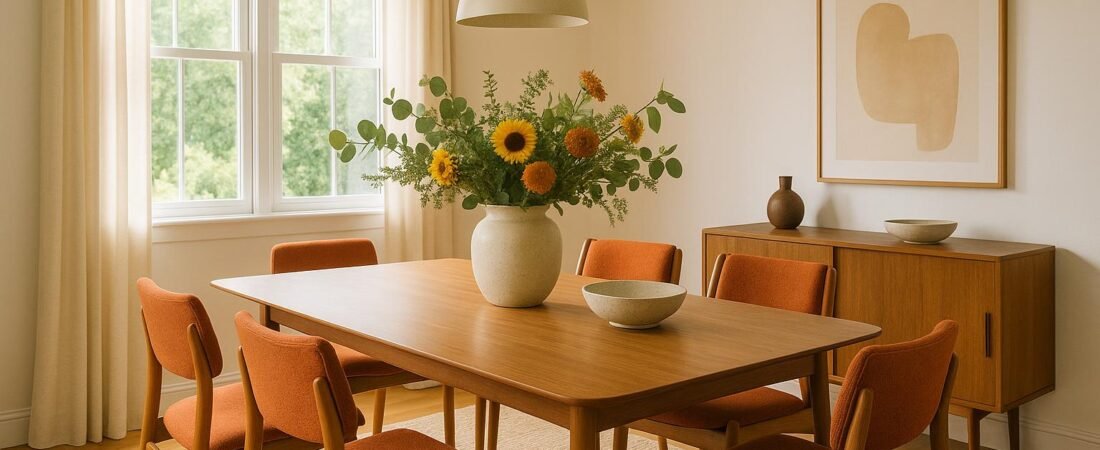
Dining Room Interior Design Ideas for Memorable Meals
A memorable dining room does more than look stylish in photos. It supports the way you actually live: weeknight dinners, long conversations with friends, holiday gatherings, and everything in between. The most successful dining rooms feel intentional, comfortable, and personal, with good lighting, practical storage, and a clear sense of style.
Instead of starting with a paint color or a trendy chair, begin with how you use the space. Then layer in furniture, lighting, and decorative details that make it easy to linger over a meal. These dining room interior design ideas will help you create a room that feels warm, functional, and unforgettable for your guests.
Start With How You Dine
Before you buy anything, get clear on what happens in your dining room most of the time:
- How many people do you usually seat? Daily family meals need different solutions than occasional dinner parties for eight.
- Do you host often? If you entertain, you may want an extension table, extra chairs, and a sideboard for serving.
- Is the space multi-purpose? In many homes the dining room doubles as a homework zone or work area, which affects storage and lighting choices.
Then measure your room carefully. Aim to leave at least 36 inches of clearance behind each chair so people can move comfortably, and even more where there are doors, walkways, or storage pieces that need to open. This single step prevents the cramped feeling that can ruin an otherwise beautiful dining room.
Choose a Table That Encourages Conversation
The dining table is the anchor of the room. Invest here first and look for proportions that suit your space and your lifestyle.
Round and Oval Dining Tables
- Best for: Smaller rooms, square rooms, or intimate gatherings.
- Why they work: No sharp corners and equal sight lines make it easy for everyone to talk. They also improve circulation in tight spaces.
- Design tip: Center a round table under a single pendant or chandelier to visually ground the room.
Rectangular Dining Tables
- Best for: Longer rooms or families who regularly host bigger groups.
- Why they work: They maximize seating and can double as a buffet for casual gatherings.
- Design tip: Make sure the table isn’t so wide that guests feel far from each other; a width of 36–42 inches usually feels intimate yet functional.
Extension and Drop-Leaf Tables
- Best for: Smaller homes and open-plan spaces where flexibility is key.
- Why they work: Leaves tuck away for everyday use and expand when you host.
- Design tip: Choose a style that looks proportional even when closed; you’ll see it that way most of the time.
Whatever shape you choose, prioritize quality construction and a finish that can handle real life—especially if the dining room is used daily.
Prioritize Comfortable, Flexible Seating
Uncomfortable chairs send people away from the table faster than anything else. Dining room seating should be supportive, inviting, and tailored to your space.
Mix and Match Seating Styles
Combining different seating types makes the room feel collected rather than like a furniture showroom set:
- Chairs + bench: Use a bench on one side of the table to fit more people and add a relaxed feel.
- Upholstered end chairs: Slightly more substantial “host” chairs at the head and foot of the table add comfort and visual weight.
- Accent chairs reused: Pull in accent chairs from nearby rooms as overflow seating when you entertain.
Banquettes and Built-In Nooks
For smaller dining rooms or breakfast areas, a banquette is an efficient and cozy solution:
- Pushes seating to the wall, saving floor space.
- Can include hidden storage beneath the seat.
- Pairs well with a round or oval table to keep traffic flowing.
Whichever route you take, check seat height (typically 18–19 inches) and table height (around 29–30 inches) to ensure a comfortable fit. Medium-firm cushions and supportive backs encourage lingering after the meal.
Create a Warm, Layered Lighting Plan
Lighting can make or break your dining room design. The goal is a warm, flattering glow that can shift from bright family meals to moody dinner parties.
Anchor the Table With a Statement Fixture
A chandelier or pendant over the table is both functional and decorative:
- Size: A common guideline is to choose a fixture that’s about half to two-thirds the width of your table.
- Height: Hang it roughly 30–34 inches above the table surface to avoid glare while keeping it within the visual field.
- Long tables: Consider two or more smaller pendants in a row instead of one large fixture for more even light.
Layer in Softer, Eye-Level Light
Overhead light alone can feel harsh. Add warmth with:
- Wall sconces: On dimmers, these add ambient light and visual interest.
- Table lamps: On a sideboard or console, they cast a soft, inviting glow.
- Candles: Real or flameless, grouped down the center of the table for special occasions.
Install dimmer switches wherever possible. Being able to dial the lighting up or down lets the room adapt instantly from a kids’ craft session to an intimate dinner.
Give the Dining Room a Strong Point of View
Memorable dining rooms have personality. They’re not just a table and chairs against beige walls. Use color, pattern, and texture to create an atmosphere that feels distinctly yours.
Expressive Walls and Ceilings
- Bold wallpaper: A floral, geometric, or mural-style print can transform a simple room into a dramatic backdrop.
- Saturated paint: Deep greens, inky blues, or warm terracottas make the space feel intimate and cocooning.
- Architectural details: Add interest with wainscoting, picture frame molding, or a contrasting ceiling color.
Mix Modern and Traditional Pieces
A curated mix gives your dining room interior design depth:
- Pair antiques with clean lines: For example, a contemporary table with vintage wooden chairs or an antique sideboard with sleek upholstered chairs.
- Intentionally mismatched chairs: Keep one element consistent (color, material, or height) so the mix feels deliberate rather than random.
- Personal art and collections: Hang meaningful artwork or display ceramics, glassware, or travel pieces on a console or open shelving.
These details turn your dining room into a reflection of your story, not a copy of a catalog spread.
Add Smart Storage and Serving Surfaces
Clutter-free surfaces make it easier to host and to enjoy your dining room daily. Well-planned storage keeps everything you need within arm’s reach.
Key Storage Pieces
- Sideboard or buffet: Ideal for storing dishes, linens, and serving platters; the top doubles as a serving station during parties.
- Bar cabinet or bar cart: Keeps glassware and drinks organized and frees up kitchen space.
- Built-ins: If the room layout allows, built-in cabinetry or shelving offers tailored storage and a place to display special pieces.
When placing these pieces, remember clearance: allow extra room around drawers and cabinet doors so they can open fully without bumping chairs or walls.
Choose Materials That Work for Real Life
Beautiful is important, but so is durability—especially in a frequently used dining room.
Tabletop and Furniture Materials
- Wood: Warm and timeless; expect patina and minor marks over time, which can add character.
- Quartz, ceramic composite, or stone tops: Good for busy households that want more stain and scratch resistance.
- Metal or glass accents: Use sparingly for contrast; glass tops can show fingerprints easily but keep a small room feeling open.
Textiles and Finishes
- Performance fabrics: On upholstered chairs or banquettes, they resist stains and are easier to clean.
- Flatweave or low-pile rugs: Better under dining tables; they’re easier to vacuum and chairs slide more smoothly.
- Woven textures: Rattan, cane, and natural fibers add softness and a relaxed feel.
Think honestly about how the room is used. If it’s the hub of daily family life, choose materials that can handle spills, art projects, and frequent cleaning without stress.
Finish With a Simple, Impactful Centerpiece
The dining table should feel special, but not over-styled. You want space for plates and serving dishes, plus the flexibility to set different tablescapes over time.
Easy Centerpiece Ideas
- Single statement vase: Fill it with seasonal branches, greenery, or fresh flowers for changing color and texture.
- Cluster of objects: Group three items—like a low bowl, candle, and small sculpture—for a curated but simple look.
- Art as a focal point: A large artwork or mirror on the main wall can become the visual “centerpiece,” letting the table stay mostly clear.
Keep centerpieces low enough that guests can see and talk over them. For everyday living, a runner and a single decorative object are often all you need.
How to Prioritize Your Dining Room Design Budget
If you’re designing or refreshing your dining room in stages, it helps to know where to invest first for the biggest impact.
- Step 1: Table and seating. Choose a well-proportioned table and comfortable chairs or banquette. This is the foundation of both function and style.
- Step 2: Lighting. Add a statement pendant or chandelier on a dimmer, then layer in sconces or lamps for flexibility.
- Step 3: Color and texture. Paint, wallpaper, rugs, and textiles come next, shaping the mood of the room.
- Step 4: Storage and serving pieces. Sideboards, consoles, and bar storage improve daily usability and make hosting easier.
- Step 5: Personal details. Artwork, meaningful objects, and simple centerpieces are the finishing touch that makes the room feel uniquely yours.
Bringing It All Together
An unforgettable dining room isn’t about one dramatic feature—it’s about the balance of comfort, practicality, and personality. Start with how you dine, choose a table and seating that encourage conversation, and give as much thought to lighting and circulation as you do to color and style. Then layer in storage that supports easy entertaining, materials that can handle real life, and decor that reflects your taste.
When the proportions feel right, the chairs invite lingering, and the lighting flatters everyone at the table, meals naturally turn into moments. That combination is what turns a simple room with a table into a truly memorable dining space.
Discover More from Didier Lancelot
Amazon Author page: amazon.com/author/didierlancelot
Narmer Store: narmerstore.org
AI and Technology Ebooks
- Creative AI: Animated Drawings, Manga & Illustrations
- Build a Game with AI: The No-Code Guide
- AI Image Generation Made Easy
- Build a Website with AI: The No-Code Guide
- How to Connect AI to Your Blog: The Ultimate Automation Guide
- AI Productivity Habits: Get More Done in Less Time
- AI Avatars Made Easy
- The Book of AI Prompts: 100+ Proven Prompts
- Make Music with AI: Suno, Udio and AI Music Generators
- Click to Cash
- The Automated Edge: Outwork, Outpace, and Outperform with AI
- AI Side Hustle: How to Make Money with ChatGPT and AI Tools
- Work Smarter with AI
Health, Lifestyle and Home Ebooks
- Hidden Superfoods: The World’s Most Powerful Healing Foods
- Spanish Food: The Complete Cookbook for Authentic Home Cooking
- The Science of Happiness Explained
- The Psychology of Success
- The Secret Sauce of Consistency: What the Experts Don’t Tell You About Fitness
- The Complete Home Bartender’s Guide: Link 1 | Link 2
- Natural Beauty, Made Simple: Easy DIY Organic Skincare Recipes
- Garden Made Simple: Easy, Beginner-Friendly Techniques
- The Dog Training Bible