
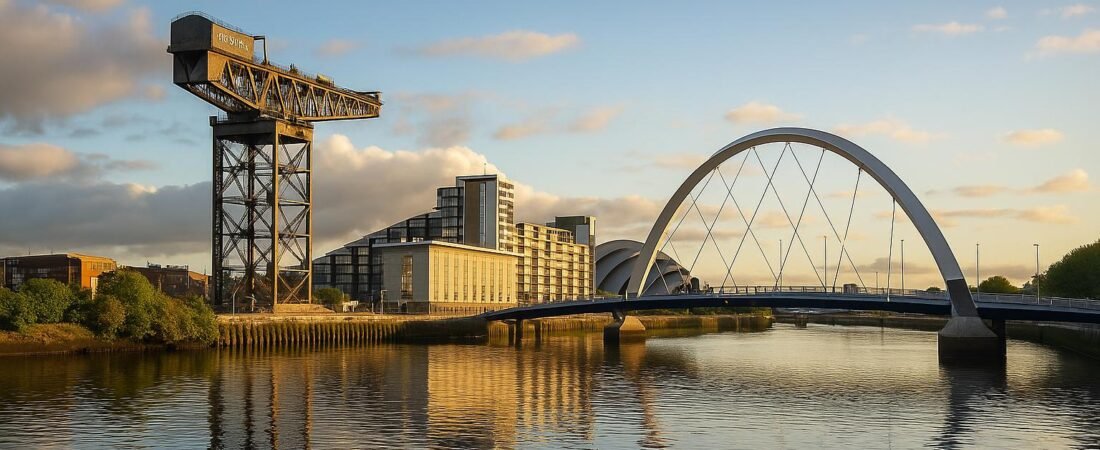
Glasgow is one of Europe’s most compelling city-break destinations: a place where grand Victorian architecture frames cutting-edge design, and where world-class culture collides with a famously warm, down‑to‑earth local spirit. Scotland’s largest city excels at museums, live music, and dining, yet remains refreshingly unpretentious. Whether you are drawn by Charles Rennie Mackintosh’s iconic Art Nouveau, the Clyde’s industrial heritage, or the bar and restaurant scene in the West End, Glasgow rewards slow exploration and curiosity.
Best Time to Visit Glasgow
Seasonal Highlights
Glasgow is a year-round destination, but the character of the city shifts with the seasons, shaping the kind of trip you will have.
Spring (March–May) brings longer daylight and a sense of renewal. Kelvingrove Park and the Botanic Gardens begin to bloom, riverside paths become more inviting, and outdoor terraces tentatively reopen. This is an excellent time for museum-hopping without summer crowds, and for combining the city with day trips to Loch Lomond before high season rates set in.
Summer (June–August) is the liveliest period. The city hosts numerous festivals and events, from outdoor concerts to cultural celebrations. Extended daylight hours allow you to fit in galleries, riverside walks along the Clyde, and evening dining in a single day. Accommodation prices peak, but the overall atmosphere—particularly in the West End and Merchant City—is vibrant and sociable.
Autumn (September–November) offers a more contemplative side of Glasgow. Parkland turns shades of gold and copper, and cooler temperatures pair well with museum visits and lingering in cafés. Early autumn often feels like an extension of summer, while late autumn has a cosy, indoor-focused appeal, ideal for live music, theatre, and exploring whisky bars.
Winter (December–February) is quieter but atmospheric. Christmas lights illuminate George Square, and seasonal markets appear. This is prime time for city-centre shopping, museum visits, and enjoying hearty Scottish cuisine. Shorter days and cooler weather encourage a slower pace, and hotel deals are easier to find, making winter attractive for budget-conscious travellers.
Weather Overview
Glasgow’s maritime climate means relatively mild temperatures year-round and a fair amount of rainfall. Summers are temperate rather than hot, with average highs around 19°C (66°F), while winters typically hover between 1–7°C (34–45°F). Snow is possible but not guaranteed, usually appearing in light, short-lived spells.
Rain is frequent, though rarely extreme; it often arrives as passing showers rather than all-day downpours. Pack a light, waterproof jacket regardless of season, and consider layers to adapt to rapidly changing conditions. The advantage of Glasgow’s climate is that it rarely becomes too hot or too cold to explore. With most major attractions indoors, rain seldom disrupts an itinerary; it simply encourages more time in galleries, museums, and cafés.
Top Attractions in Glasgow
Must-See Museums and Galleries
Glasgow’s cultural scene is one of the most impressive in the UK, remarkable both for its quality and accessibility. Many of the city’s most important institutions offer free admission, allowing visitors to explore without constraints.
- Kelvingrove Art Gallery and Museum – Housed in a striking red-sandstone building beside Kelvingrove Park, this museum is the city’s cultural cornerstone. Its eclectic collections span European masters, Scottish art, natural history, and arms and armour. Do not miss the Salvador Dalí masterpiece “Christ of Saint John of the Cross” and the soaring central hall, often animated by organ recitals.
- Riverside Museum – Set on the banks of the Clyde in a dazzling Zaha Hadid–designed structure, the Riverside Museum explores Glasgow’s transport and maritime heritage. Historic locomotives, vintage cars, trams, and an atmospheric re-created city street trace the city’s evolution from industrial powerhouse to modern metropolis. The tall ship Glenlee, moored alongside, adds a compelling maritime dimension.
- The Hunterian – Scotland’s oldest public museum sits within the University of Glasgow campus. The Hunterian Museum covers archaeology, medical history, and zoology, while the Hunterian Art Gallery showcases paintings by the Glasgow Boys and displays a meticulously reconstructed Charles Rennie Mackintosh domestic interior. Its intimate scale makes it ideal for a focused cultural afternoon.
- Gallery of Modern Art (GoMA) – Located in the city centre, GoMA hosts thought-provoking contemporary art exhibitions in a neoclassical former exchange building. The rotating programme frequently tackles social issues, making it a stimulating counterpoint to the city’s more historical collections. Outside, the equestrian statue of the Duke of Wellington, often crowned with a traffic cone, has become an emblem of Glaswegian humour.
Popular Historical Sites
Glasgow’s built heritage reveals layers of religious, mercantile, and industrial history. Exploring these sites offers insight into how the city evolved from medieval settlement to trading hub and modern cultural centre.
- Glasgow Cathedral – This majestic Gothic cathedral, also known as St Mungo’s, stands on one of the earliest Christian sites in Scotland. Its vaulted interior, intricate stonework, and atmospheric crypt convey a palpable sense of antiquity. The surrounding Necropolis, a vast Victorian cemetery on a nearby hill, features elaborate monuments and panoramic views across the city.
- George Square and City Chambers – George Square forms the ceremonial heart of Glasgow, framed by grand 19th‑century architecture and statues commemorating notable Scots. The ornate City Chambers, seat of the city council, is particularly impressive; its lavish interior, with sweeping marble staircases and mosaic ceilings, can be visited on guided tours.
- Merchant City – Once the domain of wealthy tobacco and cotton merchants, this area east of the city centre showcases elegant Georgian and Victorian warehouses, now repurposed as apartments, galleries, boutiques, and restaurants. Walking its streets offers a tangible sense of Glasgow’s commercial heyday.
- Glasgow School of Art Area – Although the original Mackintosh-designed building suffered fire damage, the surrounding district still reflects the city’s artistic legacy. Nearby, the Centre for Contemporary Arts (CCA) and design shops highlight Glasgow’s ongoing creative energy, while Mackintosh trails across the city allow visitors to trace his influence in tearooms, churches, and public buildings.
Where to Stay in Glasgow
Recommended Neighborhoods
Glasgow’s compact layout makes it straightforward to navigate, and each neighbourhood offers a distinct atmosphere. Choosing where to stay depends on your priorities—nightlife, culture, tranquillity, or convenience.
- City Centre – Ideal for first-time visitors who want immediate access to major shopping streets, theatres, and transport links. You will be within walking distance of George Square, GoMA, and Central and Queen Street stations. The area suits those planning day trips by train or short stays focused on core attractions.
- West End – Centred around Byres Road and the University of Glasgow, the West End feels leafy, intellectual, and bohemian. It is perfect for travellers who enjoy independent boutiques, vintage cinemas, and lively yet relaxed nightlife. With Kelvingrove, the Botanic Gardens, and numerous restaurants nearby, it offers an excellent base for a longer stay.
- Merchant City – Stylish and historic, Merchant City appeals to visitors who value architecture, dining, and nightlife in equal measure. Its converted warehouses now host chic apartments, bars, and galleries. Staying here places you between the core shopping district and the creative energy of the East End.
- Finnieston – Once industrial, now one of the city’s most fashionable quarters, Finnieston lies between the West End and the River Clyde. It is a prime choice for food-focused travellers and those attending events at the SEC and OVO Hydro. The area’s restaurant and bar scene is among Glasgow’s most dynamic.
Best Hotels and Accommodations
Glasgow’s accommodation ranges from design-driven boutique hotels to reliable chains and characterful guesthouses. Booking in advance is recommended for weekends and during major events.
- Kimpton Blythswood Square Hotel (City Centre) – Overlooking a graceful Georgian square, this luxury hotel blends classic architecture with contemporary interiors. Its spa, sophisticated bar, and refined rooms make it a strong option for an indulgent city break.
- Dakota Glasgow (City Centre)
Situated near Blythswood Hill, Dakota offers understated, urbane style with dark, moody décor and an excellent in-house grill. It suits travellers who value sleek design, professional service, and a central yet slightly tucked-away location.
- Radisson Blu Hotel (City Centre) – With a striking modern façade and immediate access to Glasgow Central station, this hotel is particularly convenient for those arriving by train or planning day trips. Rooms are contemporary, and facilities are geared towards both leisure and business travellers.
- ABode Glasgow (City Centre) – Housed in a former Edwardian townhouse, ABode combines period features with modern comforts. Its location allows easy access to theatres, shopping streets, and the busier nightlife areas without being overly noisy.
- One Devonshire Gardens by Hotel du Vin (West End) – Occupying a row of Victorian townhouses in a tranquil part of the West End, this boutique hotel is known for its characterful rooms, fine dining, and attentive service. It is an excellent choice for a romantic stay or a slower-paced visit.
- Boutique Guesthouses and B&Bs (West End & Southside) – Smaller properties scattered around the West End and areas such as Pollokshields offer a more residential feel and can be good value. They suit travellers who prefer quieter streets and a more personal, local connection.
Food and Dining in Glasgow
Iconic Dishes to Try
Glasgow’s culinary identity reflects both Scottish traditions and its multicultural population. From classic comfort food to inventive contemporary cuisine, the city offers considerable depth.
- Haggis, Neeps and Tatties – This quintessential Scottish dish—seasoned offal with oats, served alongside mashed turnip and potato—is widely available in both traditional pubs and modern brasseries. Many venues now offer vegetarian or vegan versions that preserve the spice and texture without meat.
- Fish and Chips – Glasgow’s take on this British staple is generous and unfussy. Look for crisp batter, flaky white fish, and proper chips, ideally eaten soon after ordering. Some places offer locally sourced fish and modern accompaniments, elevating a familiar classic.
- Scottish Seafood – West coast waters supply excellent shellfish and white fish. Menus often feature Scottish salmon, mussels, langoustines, and hand-dived scallops. Even in the city, you are never far from high-quality seafood cooked with confidence.
- Pakora and Curries – Glasgow’s longstanding South Asian communities have shaped its food culture. Informal eateries and “curry houses” serve excellent pakora, tandoori dishes, and regional curries, often at reasonable prices. This side of the culinary scene is integral to the city’s identity.
- Scottish Breakfast – Many cafés and hotels serve substantial cooked breakfasts featuring items such as black pudding, tattie scones, grilled tomatoes, and local sausages. It is a robust way to begin a day of walking and museum visits.
Recommended Restaurants and Cafés
From refined dining rooms to relaxed brunch spots, Glasgow’s restaurant scene is diverse and continually evolving. Reservations are advisable for weekend evenings and popular venues.
- Finnieston Strip (Argyle Street, Finnieston) – This stretch has become synonymous with contemporary Glasgow dining. Seafood-focused restaurants, small-plate bistros, and inventive cocktail bars line the street. It is ideal for an evening of bar-hopping and grazing, allowing you to sample multiple kitchens in one night.
- Ubiquitous Chip (West End) – A long-established institution on Ashton Lane, Ubiquitous Chip showcases modern Scottish cuisine in a whimsical, plant-filled space. Seasonal, locally sourced ingredients underpin the menu, making it a fitting choice for a special meal that still feels distinctly Glaswegian.
- Ox and Finch (Finnieston) – Known for its contemporary small plates and polished yet relaxed atmosphere, Ox and Finch blends Mediterranean influences with Scottish produce. Sharing several dishes is the best way to experience the menu’s range.
- Stravaigin (West End) – Embracing the motto “think global, eat local,” Stravaigin pairs Scottish ingredients with worldwide flavours. Its blend of informality and culinary ambition captures the city’s creative spirit.
- The Gannet (Finnieston) – A refined option focusing on seasonal Scottish ingredients, The Gannet offers carefully constructed dishes in a stylish but understated dining room. It is particularly suited to those seeking a tasting-menu experience rooted in local terroir.
- Singl-end Café & Bakehouse (Garnethill & Merchant City) – Popular for brunch, artisan baking, and excellent coffee, Singl-end serves inventive takes on breakfast and lunch classics, including numerous vegetarian and gluten-free options. Its relaxed atmosphere makes it a welcome pause during a day of sightseeing.
- Speciality Coffee and Independent Cafés – Districts such as the West End and Merchant City are rich in independent coffee shops and bakeries. These are ideal for refuelling between museums, sampling local baking, and observing everyday city life.
Conclusion
Glasgow rewards visitors who look beyond first impressions. Its grandeur lies not only in cathedral spires and museum collections, but also in tenement-lined streets, murals on warehouse walls, and the unforced friendliness of its residents. The city combines serious culture with an easygoing rhythm: mornings in galleries, afternoons in parks or along the Clyde, evenings in lively bars and ambitious kitchens.
Whether you visit during the long-light days of summer or the atmospheric evenings of winter, Glasgow offers a compelling blend of history, creativity, and hospitality. With thoughtful planning around seasons, neighbourhoods, and dining, you can shape a stay that reveals why this city has become one of the most engaging urban destinations in the UK.
Discover More from Didier Lancelot
Amazon Author page: amazon.com/author/didierlancelot
Narmer Store: narmerstore.org
AI and Technology Ebooks
- Creative AI: Animated Drawings, Manga & Illustrations
- Build a Game with AI: The No-Code Guide
- AI Image Generation Made Easy
- Build a Website with AI: The No-Code Guide
- How to Connect AI to Your Blog: The Ultimate Automation Guide
- AI Productivity Habits: Get More Done in Less Time
- AI Avatars Made Easy
- The Book of AI Prompts: 100+ Proven Prompts
- Make Music with AI: Suno, Udio and AI Music Generators
- Click to Cash
- The Automated Edge: Outwork, Outpace, and Outperform with AI
- AI Side Hustle: How to Make Money with ChatGPT and AI Tools
- Work Smarter with AI
Health, Lifestyle and Home Ebooks
- Hidden Superfoods: The World’s Most Powerful Healing Foods
- Spanish Food: The Complete Cookbook for Authentic Home Cooking
- The Science of Happiness Explained
- The Psychology of Success
- The Secret Sauce of Consistency: What the Experts Don’t Tell You About Fitness
- The Complete Home Bartender’s Guide: Link 1 | Link 2
- Natural Beauty, Made Simple: Easy DIY Organic Skincare Recipes
- Garden Made Simple: Easy, Beginner-Friendly Techniques
- The Dog Training Bible