
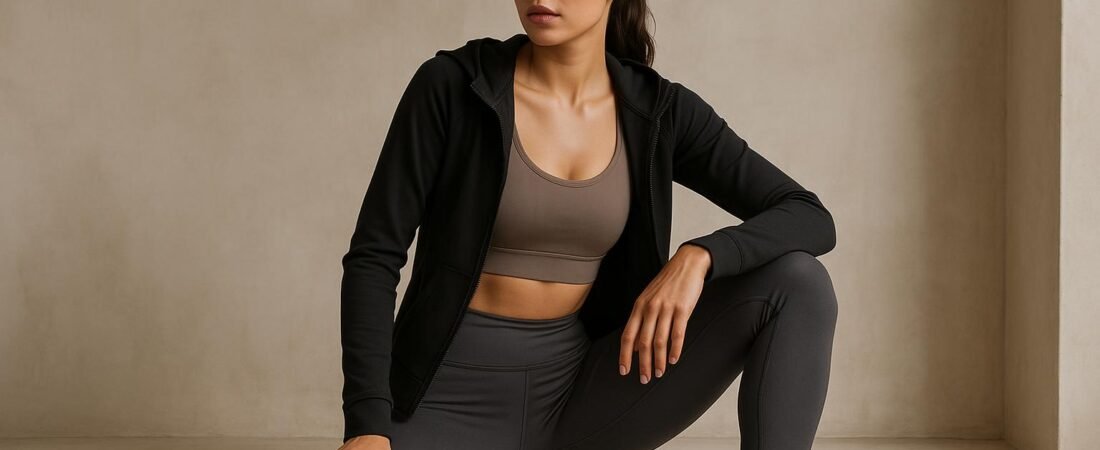
Understanding Modern Activewear Design
Activewear design now sits at the intersection of performance engineering, fashion innovation, and conscious consumption. What began as purely functional gym wear has evolved into a sophisticated category that shapes how we dress, move, and express ourselves every day. From women’s activewear design that supports high-intensity training to streamlined, gender-neutral athleisure fashion, the discipline balances technical performance with aesthetics and sustainability.
What Is Activewear Design? Definition and Key Elements
Activewear design is the specialized process of creating garments and accessories intended for physical activity, sport, and movement-driven lifestyles. It encompasses everything from sports bras and leggings to performance tops, jackets, and multipurpose sets that transition from a training session to daily life.
Several core elements define high-quality, functional activewear:
- Performance fabrics: Materials engineered for stretch, breathability, moisture management, and durability, such as technical polyester blends, nylon, and elastane.
- Ergonomic construction: Seam placement, paneling, and pattern cutting that allow full range of motion and reduce friction, especially in high-chafe areas.
- Support systems: Features like compression zones, built-in bras, waistbands, and strategic reinforcement tailored to specific sports and intensities.
- Thermal regulation: Fabric weights, ventilation zones, and layering concepts that maintain comfort across climates and workout styles.
- Design language: Visual elements—color, silhouette, and styling—that communicate identity while remaining aligned with the garment’s purpose.
At its best, activewear design is invisible in motion: the wearer does not think about the garment because fit, feel, and function are perfectly in sync.
The Evolution of Activewear: From Gym-Only to Everyday Fashion
The evolution of gym wear design mirrors wider cultural shifts. In the 1980s and 1990s, workout clothing largely remained in the studio or on the field. Fluorescent leotards, oversized sweatshirts, and basic tracksuits emphasized practicality, with little emphasis on styling beyond the exercise context.
In the early 2000s, performance fabrics and sportswear technology advanced rapidly, driven by professional athletics. Technical leggings, moisture-wicking tops, and anatomically engineered sneakers moved from elite sport into mainstream wardrobes. At the same time, urban streetwear culture began to borrow from sportswear silhouettes, blurring boundaries between training gear and casual fashion.
The rise of athleisure fashion in the 2010s completed this transformation. Leggings, crop tops, and performance hoodies became everyday staples, worn to the office, brunch, or travel as much as to the gym. Activewear trends now respond not only to fitness movements—such as yoga, CrossFit, and running—but also to broader lifestyle needs, like remote work and wellness tourism. The result is a category where performance and aesthetics are inseparable.
Key Principles of Functional Activewear Design
Behind every successful collection lies a set of technical principles that ensure the garments perform under pressure. Functional activewear is defined by fabric science, engineering-led pattern cutting, and an in-depth understanding of different body types and movement patterns.
Fabric Technology: Breathability, Moisture-Wicking, and Compression
Performance fabrics are the backbone of contemporary activewear. The right textile can dramatically improve comfort, endurance, and even perceived confidence during a workout.
Three core properties dominate modern fabric technology:
- Breathability: Breathable textiles allow air to circulate and heat to escape. Lightweight knits, mesh panels, and micro-perforations are strategically placed in high-heat zones such as the back, underarms, and behind the knees. This ventilation reduces overheating and helps maintain a stable body temperature.
- Moisture-wicking: Moisture-wicking fabrics pull sweat away from the skin and move it to the fabric surface, where it evaporates more quickly. Technical polyester blends and engineered fibers achieve this capillary action, ensuring the wearer feels dry even during high-intensity sessions.
- Compression: Compression garments apply graduated pressure to targeted muscle groups, which may help support blood flow, reduce muscle oscillation, and enhance proprioception (body awareness). In practice, this can translate to improved comfort, reduced fatigue perception, and faster recovery.
Beyond these fundamentals, designers consider additional fabric factors: UV protection for outdoor training, abrasion resistance for high-contact sports, and four-way stretch for unrestricted mobility. Thoughtful gym wear design integrates multiple properties, prioritizing what each activity demands most. A runner’s tight, for instance, emphasizes lightweight breathability and reflectivity, while a powerlifting legging focuses on opacity, structure, and robust stretch.
Fit, Support, and Comfort: Designing for Different Body Types and Activities
Fit is where activewear succeeds or fails. Even the most advanced textile cannot compensate for poor pattern cutting or inadequate support.
Effective fit strategy involves:
- Body mapping: Analyzing pressure points, muscle groups, and movement patterns to determine where garments should be more supportive, more flexible, or more ventilated.
- Precision grading: Scaling patterns across sizes without distorting proportions. Proper grading ensures that plus-size and petite wearers experience the same performance benefits as core sizes.
- Inclusive design: Creating silhouettes that respect diverse body shapes—curved waistbands, varied inseam options, and differentiated fits for hips, bust, and thighs.
Support must be calibrated to both the activity and the wearer. High-impact sports bras require encapsulation, strong underbands, stable straps, and adjustable closures. Low-impact activities such as yoga can accommodate softer, more flexible structures. For lower-body garments, compression panels around the quads, hamstrings, and calves can provide additional stability, while wide, non-digging waistbands help garments stay in place during dynamic movement.
Comfort ties everything together: flatlock seams reduce chafing, brushed interiors add softness, gussets enhance range of motion, and tagless labels prevent irritation. Modern women’s activewear design, in particular, has advanced rapidly in these areas, integrating shapewear-inspired contouring and supportive, sculpting fits that still feel effortless to wear.
Style and Aesthetics in Activewear Design
While performance is non-negotiable, aesthetics are now equally vital. Consumers expect gym wear that feels as considered as their everyday wardrobe. Activewear designers therefore work with a sophisticated visual toolbox—color theory, print design, and silhouette—to create garments that empower the wearer in and out of the studio.
Color, Prints, and Minimalist vs. Bold Activewear Trends
Color and print strategy is central to shaping brand identity and customer appeal. The activewear sector moves through a spectrum of aesthetic trends, often co-existing within the same season.
- Minimalist palettes: Neutrals such as black, charcoal, stone, and deep navy offer a streamlined, timeless look. These hues are favored for their slimming effect, longevity, and ease of styling. Minimalist activewear often relies on subtle texture contrasts, tonal paneling, and clean lines rather than overt branding.
- Bold statements: Vivid tones—electric blue, neon green, cherry red—and high-contrast color blocking evoke energy and performance. They are particularly visible in running, cycling, and HIIT-focused collections, where visibility and motivation are key.
- Prints and patterns: From animal motifs and camo to abstract geometrics and soft marbling, prints allow personal expression. Placed prints are often used strategically to contour the body, while all-over patterns can disguise sweat marks and add depth to simpler silhouettes.
Activewear trends also respond to broader fashion cycles. Pastel collections echo spring ready-to-wear palettes, while earth tones align with the growing emphasis on sustainable activewear and nature-centric wellness. The challenge for designers is to balance seasonal freshness with longevity, ensuring that consumers can integrate new pieces with existing wardrobes.
Designing Versatile Pieces: From Workout Studio to Streetwear
The rise of athleisure has redefined how activewear integrates into daily life. Consumers now expect pieces that deliver performance at the gym and sophistication on the street.
Versatile design focuses on:
- Refined silhouettes: Tapered joggers, high-waisted leggings with clean waistbands, and streamlined sports bras that double as crop tops transition easily under blazers, oversized shirts, or tailored outerwear.
- Elevated details: Matte finishes, subtle hardware, minimal logos, and tonal stitching create a polished aesthetic. Laser-cut edges and concealed pockets maintain a sleek profile without sacrificing utility.
- Layering potential: Lightweight performance tanks under a structured jacket, technical hoodies that resemble fashion-forward sweatshirts, and performance dresses designed for both training and travel.
Designers who excel in this space understand context. A legging that feels appropriate for a reformer Pilates class, a coffee meeting, and a flight requires restraint in branding, superior fabric quality, and a balanced silhouette. This convergence of functionality and polish is now central to modern activewear design strategy.
Sustainable and Ethical Activewear Design
As the industry matures, environmental and social responsibility have become defining markers of quality. Consumers increasingly scrutinize not only how garments perform, but also how they are made. Sustainable activewear and ethical production practices are no longer niche; they are reshaping the entire category.
Eco-Friendly Materials and Low-Impact Production Methods
Switching to eco-conscious materials is the first step towards responsible design, but it must be accompanied by thoughtful production practices.
Key material innovations include:
- Recycled synthetics: Recycled polyester and nylon, often derived from post-consumer bottles or industrial waste, reduce reliance on virgin fossil fuels. When engineered correctly, these fabrics can match the durability and performance of traditional synthetics.
- Plant-based fibers: Organic cotton, TENCEL™ Lyocell, bamboo-derived fibers, and other cellulosic materials offer breathability and softness, particularly suited to low-impact or lifestyle pieces.
- Bio-based and innovative textiles: Emerging materials, such as bio-nylon or fabrics infused with natural additives for odor control, are pushing sustainable activewear into a more experimental phase.
Low-impact production methods are equally crucial. Designers and manufacturers increasingly prioritize:
- Water-efficient dyeing and finishing processes that reduce pollution.
- Non-toxic dyes and chemistry that limit harmful substances in wastewater and on the skin.
- Waste-minimizing pattern cutting, including digital pattern layouts and, in some cases, zero-waste designs.
Longevity is another pillar of sustainability. Durable stitching, pilling-resistant fabrics, and timeless silhouettes extend the lifespan of each garment, counteracting the disposable mindset often associated with fast fashion. High-quality functional activewear is inherently more sustainable when it remains in use for many seasons.
Ethical Manufacturing, Transparency, and Conscious Consumer Choices
Sustainable materials are only one dimension of responsibility. Ethical activewear also depends on fair labor practices, safe working conditions, and supply chain transparency.
Leading ethical activewear brands typically:
- Work with certified factories that uphold labor standards, including fair wages, reasonable working hours, and safe environments.
- Publish information about their suppliers, audits, and codes of conduct, enabling customers to understand who makes their clothing.
- Engage in continuous improvement, partnering with suppliers to reduce environmental impact and support local communities.
For consumers, conscious choice means looking beyond surface-level sustainability claims. It can involve examining care labels, researching brand initiatives, and considering repairability and end-of-life options for garments. Opting for fewer, higher-quality pieces, supporting transparent brands, and caring properly for clothing all contribute to a more ethical wardrobe.
From a design standpoint, integrating ethics from the outset leads to better decisions. Designers may select trims that are easier to recycle, avoid unnecessary components, and design collections with modularity—pieces that mix and match over time rather than becoming quickly obsolete.
Conclusion
Activewear design has grown into a sophisticated discipline that blends performance technology, fashion-forward aesthetics, and responsible production. Today’s garments must breathe, support, sculpt, and inspire—whether they are used for marathon training, studio practice, or daily errands.
Functional activewear relies on advanced fabrics, precise fit, and activity-specific engineering. At the same time, style considerations—color palettes, prints, and versatile silhouettes—ensure that pieces feel current and wearable far beyond the gym. Layered over these foundations, sustainable and ethical frameworks are reshaping how collections are conceived and made, and how brands communicate their values.
As consumer expectations continue to evolve, the most successful designers will be those who treat performance, aesthetics, and responsibility not as separate goals, but as interdependent pillars. In doing so, activewear can continue to empower movement while respecting both the wearer and the world they inhabit.
Discover More from Didier Lancelot
Amazon Author page: amazon.com/author/didierlancelot
Narmer Store: narmerstore.org
AI and Technology Ebooks
- Creative AI: Animated Drawings, Manga & Illustrations
- Build a Game with AI: The No-Code Guide
- AI Image Generation Made Easy
- Build a Website with AI: The No-Code Guide
- How to Connect AI to Your Blog: The Ultimate Automation Guide
- AI Productivity Habits: Get More Done in Less Time
- AI Avatars Made Easy
- The Book of AI Prompts: 100+ Proven Prompts
- Make Music with AI: Suno, Udio and AI Music Generators
- Click to Cash
- The Automated Edge: Outwork, Outpace, and Outperform with AI
- AI Side Hustle: How to Make Money with ChatGPT and AI Tools
- Work Smarter with AI
Health, Lifestyle and Home Ebooks
- Hidden Superfoods: The World’s Most Powerful Healing Foods
- Spanish Food: The Complete Cookbook for Authentic Home Cooking
- The Science of Happiness Explained
- The Psychology of Success
- The Secret Sauce of Consistency: What the Experts Don’t Tell You About Fitness
- The Complete Home Bartender’s Guide: Link 1 | Link 2
- Natural Beauty, Made Simple: Easy DIY Organic Skincare Recipes
- Garden Made Simple: Easy, Beginner-Friendly Techniques
- The Dog Training Bible