
Introduction to Hummus
What is Hummus?
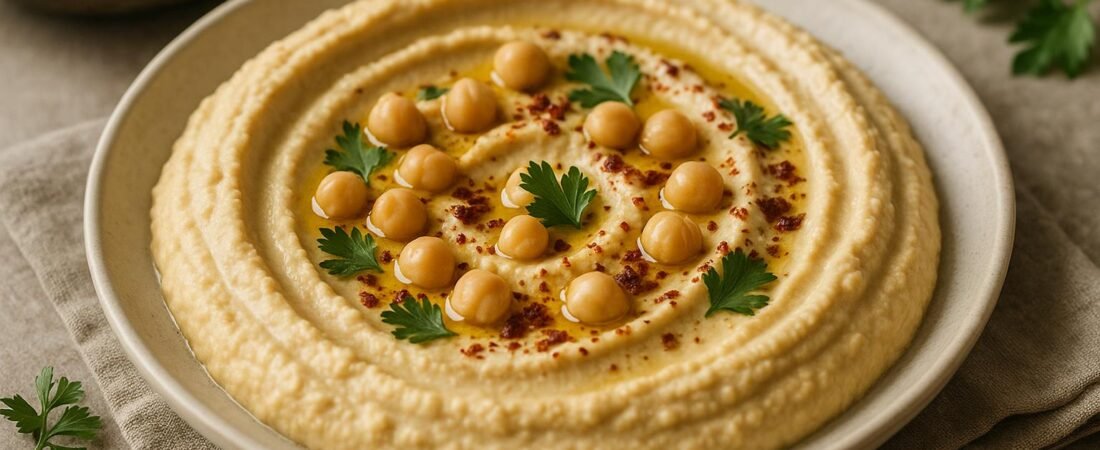
Hummus is a velvety chickpea-based spread originating from the Eastern Mediterranean and Middle Eastern regions. At its core, it is a purée of cooked chickpeas blended with tahini (sesame seed paste), olive oil, lemon juice, garlic, and salt. These simple ingredients, when properly balanced, produce a remarkably rich and nuanced flavor profile: nutty from the tahini, earthy from the chickpeas, bright with citrus, and rounded out by the fruitiness of extra-virgin olive oil.
Although usually classed as a dip, hummus is far more versatile. It functions as a spread, a side dish, a component in grain bowls and salads, and even a base for sauces. Its appeal lies in both its taste and its practicality: it is easy to prepare, nutritionally dense, and suitable for many dietary patterns, including vegetarian and vegan diets.
History and Cultural Significance
The precise history of hummus is the subject of lively debate across the Levant and the broader Middle East. Lebanon, Israel, Palestine, Syria, and surrounding countries all claim cultural ties to the dish. Historical references to hummus-like preparations appear in medieval Arabic cookbooks, where mashed chickpeas with vinegar and herbs were documented as early as the 13th century. While these recipes were not identical to the modern version, they highlight hummus as part of a long culinary tradition.
Beyond arguments of origin, hummus carries deep cultural significance. It is a staple at family gatherings, religious holidays, and communal feasts. Shared platters of hummus encourage a style of eating that is convivial and communal, emphasizing hospitality. In many households, a carefully prepared hummus recipe reflects pride and heritage, with subtle variations passed down through generations. The dish has also become a symbol of regional identity, featured prominently in restaurants and street food stalls throughout the Eastern Mediterranean.
In recent decades, hummus has moved from a regional specialty to an international favorite, embraced in Europe, North America, and beyond. Its global popularity demonstrates how a modest, traditional food can adapt to new culinary landscapes while retaining links to its original cultures.
Health Benefits of Hummus
Nutritional Value
The nutritional value of hummus is one of the main reasons for its widespread adoption. Chickpeas provide complex carbohydrates, plant-based protein, and significant amounts of dietary fiber. A typical serving offers a steady, sustained source of energy, helping to prevent the rapid blood sugar spikes associated with refined carbohydrates.
Tahini contributes heart-healthy fats, particularly unsaturated fats, along with minerals such as calcium, magnesium, and iron. Olive oil further increases the monounsaturated fat content, which is associated with improved cardiovascular health when consumed as part of a balanced diet. Garlic and lemon juice add not only flavor but also vitamin C, antioxidants, and phytochemicals that support overall wellness.
Hummus is naturally free of cholesterol and, when prepared without excessive salt, relatively low in sodium. It offers a host of micronutrients, including folate, manganese, and B vitamins, all of which support metabolic functions and cellular health. This combination of macronutrients and micronutrients makes hummus a nutrient-dense food rather than an empty-calorie snack.
Hummus and Diet: Weight Loss and More
The health benefits of hummus extend beyond basic nutrition. Thanks to its high fiber and protein content, it promotes satiety, which can be valuable for individuals managing calorie intake. When used strategically, hummus can support a hummus diet approach focused on whole foods and portion control, helping to reduce reliance on more processed spreads and dips.
Fiber plays a key role in digestive health by supporting regular bowel movements and nourishing beneficial gut bacteria. A healthier gut environment, in turn, is associated with improved immune function and better metabolic regulation. Protein contributes to muscle maintenance and recovery, especially for those following plant-based eating patterns.
From a heart health perspective, the unsaturated fats in tahini and olive oil can help improve lipid profiles when they replace saturated fats in the diet. The low glycemic index of chickpeas may assist in stabilizing blood sugar levels, making hummus a smart choice for individuals monitoring glucose. While hummus alone will not cause weight loss, integrating it into balanced meals—paired with vegetables, whole grains, and lean proteins—can support long-term, sustainable health goals.
How to Make Hummus at Home
Essential Ingredients and Equipment
Learning how to make hummus at home offers superior flavor and control over ingredients compared with many store-bought versions. The foundation remains constant, though proportions can be adjusted to taste.
- Chickpeas (garbanzo beans): Cooked from dried or canned, thoroughly rinsed. Dried beans, when properly cooked, often yield a creamier texture.
- Tahini: A smooth, high-quality sesame paste, ideally made from hulled sesame seeds for a milder flavor.
- Olive oil: Extra-virgin for a pronounced, fruity character, or a milder olive oil if preferred.
- Lemon juice: Freshly squeezed for brightness and acidity.
- Garlic: Fresh cloves, added to taste, either raw or lightly blanched for a gentler flavor.
- Salt: Fine sea salt or kosher salt to season and enhance the other ingredients.
- Optional additions: Cumin, paprika, ice-cold water, or aquafaba (chickpea cooking liquid) for texture and complexity.
For equipment, a food processor is ideal for achieving a silky, homogeneous consistency. A high-speed blender can also work but may require more liquid and frequent scraping down of the sides. A simple spatula is necessary to ensure even blending, and a fine-mesh strainer can be useful if you cook chickpeas from scratch and wish to save some cooking liquid for thinning.
Step-by-Step Recipe
The following homemade hummus recipe provides a reliable starting point that you can later adapt to your taste.
-
Step 1: Prepare the chickpeas.
If using canned chickpeas, drain and rinse them thoroughly under cool water. For an exceptionally smooth dip, you may optionally remove some of the skins by gently rubbing the chickpeas between your hands in a bowl of water. If using dried chickpeas, soak them overnight and cook until very tender; reserve some of the cooking liquid.
-
Step 2: Build the tahini base.
In the bowl of a food processor, combine tahini and freshly squeezed lemon juice. Process for 30–60 seconds until the mixture becomes thick and creamy. This aeration step helps create a fluffier final texture.
-
Step 3: Add flavorings.
Add garlic and a pinch of salt to the tahini-lemon mixture. Blend again until the garlic is finely incorporated. At this stage, you may incorporate ground cumin or other spices for additional depth.
-
Step 4: Incorporate the chickpeas.
Add half of the chickpeas to the processor and blend until mostly smooth. Scrape down the sides, then add the remaining chickpeas. Process for several minutes until the mixture appears thick and uniform.
-
Step 5: Adjust texture and seasoning.
With the processor running, slowly drizzle in olive oil and a few tablespoons of ice-cold water or chickpea cooking liquid. Continue blending until the hummus is creamy and light. Taste and adjust with more lemon juice, salt, or garlic as needed.
-
Step 6: Rest and serve.
Transfer the hummus to a serving bowl, cover, and allow it to rest in the refrigerator for at least 30 minutes. This brief resting period allows the flavors to meld. Before serving, drizzle with additional olive oil and garnish as desired.
Once you understand how to make hummus using this method, you can easily adapt it for different palates and occasions.
Creative Ways to Enjoy Hummus
Popular Hummus Variations
There are countless hummus variations that build on the classic formula while preserving its essential character. By altering vegetables, spices, and toppings, you can create diverse flavors suited to different menus and seasons.
- Roasted red pepper hummus: Blends sweet, charred peppers into the base, yielding a vibrant color and subtle smokiness.
- Herb-infused hummus: Fresh parsley, cilantro, basil, or dill can be incorporated to provide a bright, aromatic profile.
- Spicy hummus: Chili flakes, harissa, jalapeños, or smoked paprika add heat and complexity, ideal for those who enjoy bold flavors.
- Beet hummus: Roasted beets impart a striking magenta hue and a gentle earthiness, especially attractive on appetizer platters.
- Olive or sun-dried tomato hummus: Chopped olives or sun-dried tomatoes contribute umami and richness, pairing well with Mediterranean-inspired spreads.
- Alternative legume hummus: While not strictly traditional, white beans, lentils, or black beans can replace or supplement chickpeas to create distinctive textures and flavors.
Each variation follows the same general procedure as the classic hummus recipe, with additional ingredients folded in during the blending stage. This adaptability makes hummus a highly customizable element of your culinary repertoire.
Serving Suggestions and Pairings
Thoughtful serving suggestions for hummus can elevate it from a simple dip to a central component of a balanced meal. Traditional presentations often involve spreading it onto a shallow plate, creating a slight well in the center, and finishing with olive oil, chopped herbs, ground sumac, or toasted pine nuts.
- With breads and crackers: Serve alongside warm pita, flatbreads, whole-grain crackers, or sourdough slices. These options offer a satisfying contrast between crispness and creaminess.
- With raw and roasted vegetables: Carrot sticks, cucumber spears, bell pepper strips, radishes, and cherry tomatoes pair beautifully with hummus, adding crunch and freshness. Roasted cauliflower, sweet potatoes, or asparagus provide deeper, caramelized notes.
- In sandwiches and wraps: Use hummus as a spread in place of mayonnaise or butter. It complements grilled vegetables, falafel, baked tofu, or lean meats, adding moisture and flavor while enhancing nutritional quality.
- In grain bowls and salads: Add a generous spoonful to bowls featuring quinoa, bulgur, or brown rice, along with greens, roasted vegetables, and seeds. Hummus can also serve as the base for creamy salad dressings when thinned with water and lemon juice.
- As a protein-rich snack: Pair a modest portion with vegetable sticks or whole-grain crackers for a balanced snack that provides fiber, protein, and healthy fats, supporting stable energy between meals.
By integrating these pairings into everyday meals, you can take full advantage of the health benefits of hummus without monotony. Substituting it for less nutritious condiments is an effective and enjoyable way to improve the overall quality of your diet.
Conclusion
Hummus stands at the intersection of tradition, flavor, and nutrition. Rooted in centuries of Eastern Mediterranean and Middle Eastern culinary history, it remains relevant today because it adapts effortlessly to modern tastes and health priorities. Its impressive nutritional value, built on chickpeas, tahini, and olive oil, makes it a smart addition to diverse eating patterns, from plant-based diets to Mediterranean-inspired menus.
Mastering a reliable homemade hummus recipe offers control over texture, seasoning, and ingredient quality, while opening the door to countless hummus variations. Whether served as a simple dip with vegetables, a spread in sandwiches, or a centerpiece in composed bowls, hummus provides both gastronomic pleasure and meaningful health advantages. With a few staple ingredients and a straightforward technique, this enduring classic can become a regular, enriching part of your table.
Discover More from Didier Lancelot
Amazon Author page: amazon.com/author/didierlancelot
Narmer Store: narmerstore.org
AI and Technology Ebooks
- Creative AI: Animated Drawings, Manga & Illustrations
- Build a Game with AI: The No-Code Guide
- AI Image Generation Made Easy
- Build a Website with AI: The No-Code Guide
- How to Connect AI to Your Blog: The Ultimate Automation Guide
- AI Productivity Habits: Get More Done in Less Time
- AI Avatars Made Easy
- The Book of AI Prompts: 100+ Proven Prompts
- Make Music with AI: Suno, Udio and AI Music Generators
- Click to Cash
- The Automated Edge: Outwork, Outpace, and Outperform with AI
- AI Side Hustle: How to Make Money with ChatGPT and AI Tools
- Work Smarter with AI
Health, Lifestyle and Home Ebooks
- Hidden Superfoods: The World’s Most Powerful Healing Foods
- Spanish Food: The Complete Cookbook for Authentic Home Cooking
- The Science of Happiness Explained
- The Psychology of Success
- The Secret Sauce of Consistency: What the Experts Don’t Tell You About Fitness
- The Complete Home Bartender’s Guide: Link 1 | Link 2
- Natural Beauty, Made Simple: Easy DIY Organic Skincare Recipes
- Garden Made Simple: Easy, Beginner-Friendly Techniques
- The Dog Training Bible