
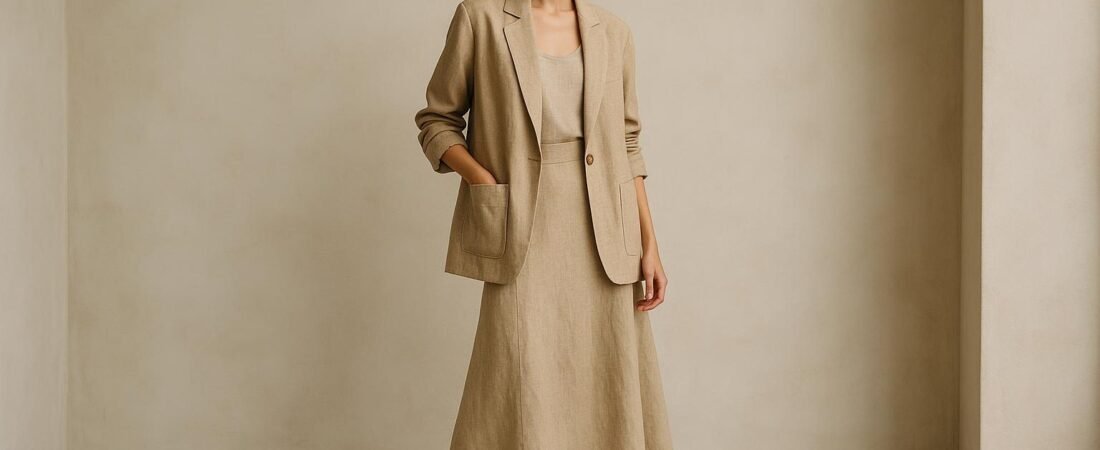
Eco-friendly fabric fashion is no longer a niche. It sits at the intersection of design, ethics, and environmental responsibility. As consumers become more aware of the impact of their wardrobes, interest in sustainable fabrics and conscientious production has surged. Understanding which materials are truly responsible—and how to care for them—allows you to build a wardrobe that respects both style and the planet.
What Is Eco-Friendly Fabric Fashion?
Defining Sustainable and Eco-Friendly Fabrics
Eco-friendly fabric fashion refers to clothing made from materials and processes designed to minimise harm to the environment and people. This involves more than simply choosing “natural” textiles. It includes how fibres are grown or produced, how they are dyed and finished, and what happens to them at the end of their life.
Sustainable and eco-friendly fabrics typically meet some or all of the following criteria:
- Reduced resource use: They require less water, energy, and land than conventional alternatives, or use those resources more efficiently.
- Lower chemical impact: They avoid or significantly limit toxic pesticides, fertilisers, and hazardous dyes.
- Ethical production: They are manufactured in conditions that respect workers’ health, safety, and fair wages.
- Durability and circularity: They are designed to last, be repaired, recycled, or biodegrade responsibly instead of ending up in landfill.
In practice, eco-friendly fabric fashion encompasses everything from organic cotton clothing and hemp and linen clothing to bamboo fabric clothing and innovative fibres such as TENCEL and lyocell. The key is to consider the entire lifecycle of the garment rather than a single “green” claim.
Why Eco-Conscious Fashion Matters for the Planet
The fashion industry is a major contributor to environmental degradation. It consumes enormous quantities of water, uses vast amounts of land for fibre cultivation, and accounts for a significant share of global carbon emissions. Conventional cotton farming, for instance, is pesticide intensive, while synthetic fibres derived from fossil fuels contribute to microplastic pollution.
Eco-conscious fashion focuses on reducing these impacts at every stage:
- Climate: Lower-emission fibres and cleaner energy in manufacturing help cut greenhouse gas emissions.
- Water and soil: Organic and regenerative farming methods improve soil health, biodiversity, and water quality by avoiding harmful chemicals.
- Waste: Durable designs, recycled polyester garments, and closed-loop production systems reduce textile waste and reliance on virgin resources.
- Biodiversity: Responsible land use and reduced chemical inputs protect ecosystems and wildlife.
By prioritising eco-friendly fabric fashion, consumers signal demand for better practices and encourage brands to invest in cleaner technologies and more transparent supply chains.
Types of Eco-Friendly Fabrics to Know
Natural Sustainable Fabrics (Organic Cotton, Linen, Hemp, Bamboo)
Not all natural fibres are automatically sustainable, but certain plant-based textiles, especially when grown responsibly, can have a substantially lower footprint than conventional options.
- Organic cotton
Organic cotton clothing is made from cotton grown without synthetic pesticides, genetically modified seeds, or artificial fertilisers. This can reduce water pollution and improve soil health. When combined with responsible water management and fair labour practices, organic cotton becomes a considerably more sustainable choice than standard cotton. - Linen
Linen is derived from the flax plant, which grows well in cooler climates and typically requires fewer inputs. It can thrive on rainwater and does not usually demand heavy pesticide use. High-quality linen is exceptionally durable and breathable, ideal for warm climates. Hemp and linen clothing often share similar qualities: strength, comfort, and excellent moisture management. - Hemp
Hemp grows rapidly, requires relatively little water, and is naturally resistant to many pests. It enriches the soil with organic matter and can be cultivated without synthetic chemicals. Hemp fabrics are robust yet soft with wear, making them suitable for everyday basics and outdoor garments. - Bamboo
Bamboo is a fast-growing grass that can regenerate from its roots and needs minimal irrigation. However, the sustainability of bamboo fabric depends heavily on processing methods. Mechanically processed bamboo (similar to linen production) is preferable, but more commonly the plant is turned into a viscose-type fibre using chemicals. Look for bamboo fabric clothing certified for responsible chemical management and closed-loop processing when possible.
Innovative Eco Materials (TENCEL, Piñatex, Recycled Polyester & Nylon)
Alongside traditional fibres, a new generation of materials is reshaping eco-friendly fabric fashion with a focus on innovation and circularity.
- TENCEL and lyocell
TENCEL is a branded form of lyocell produced mainly from sustainably sourced wood pulp, often from eucalyptus, beech, or spruce. The fibre is manufactured in a closed-loop system that recovers and reuses the majority of the solvent and water, reducing emissions and waste. TENCEL and lyocell fashion pieces are known for their softness, breathability, and elegant drape, making them versatile for both casual and formal wear. - Piñatex
Piñatex is a leather alternative created from cellulose fibres extracted from pineapple leaves, a by-product of the pineapple industry. By repurposing agricultural waste, it provides additional income for farmers and avoids the impacts associated with conventional leather, such as livestock emissions and chemical tanning. Piñatex is commonly used in footwear, accessories, and outerwear. - Recycled polyester and nylon
Recycled polyester garments and recycled nylon pieces are produced from post-consumer plastics (such as bottles) or pre- and post-consumer textile waste. This approach reduces dependence on virgin fossil fuels and helps divert plastic from landfills and oceans. While recycled synthetics still shed microfibres during washing, pairing them with responsible laundering practices and microfibre filters can significantly mitigate this issue. They remain especially valuable for performance wear and outerwear that require durability and stretch.
These innovative materials complement natural sustainable fabrics, offering a broader palette for designers and consumers seeking eco-conscious fashion that does not compromise on quality or aesthetics.
How to Choose Eco-Friendly Fabric Clothing
Reading Labels, Certifications, and Fabric Composition
The label in a garment is one of your most powerful tools. Taking a moment to read it carefully helps you distinguish between genuine eco-friendly fabric fashion and superficial marketing claims.
Key elements to examine include:
- Fibre content: Look for clear percentages, such as “100% organic cotton” or “70% TENCEL lyocell, 30% organic linen.” A detailed breakdown is more trustworthy than vague terms like “eco fabric.”
- Certifications: Independent standards help verify claims:
- GOTS (Global Organic Textile Standard): Certifies organic fibres and ensures strict environmental and social criteria throughout production.
- OEKO-TEX STANDARD 100: Tests for harmful substances, ensuring the finished product is safe for human health.
- Responsible Wool Standard, Responsible Down Standard, FSC, PEFC: For animal fibres and wood-based fibres such as TENCEL and lyocell.
- Global Recycled Standard (GRS), Recycled Claim Standard (RCS): For recycled polyester garments and other recycled fibres.
- Country of origin and production details: Some eco-conscious fashion brands provide traceability down to the mill and farm. Transparency is a strong indicator of serious sustainability efforts.
Be cautious of generic phrases like “green,” “natural,” or “conscious” that lack supporting information. Robust documentation, clear fibre content, and recognised certifications are more reliable than marketing language.
Practical Tips for Building a Sustainable Wardrobe
Choosing sustainable fabrics is only one part of the equation. The way you curate and use your wardrobe has a profound influence on your overall environmental footprint.
- Prioritise quality over quantity
Invest in well-made garments constructed from durable fabrics such as hemp, linen, organic cotton, or high-quality TENCEL. Sturdy seams, thoughtful finishes, and timeless designs extend the lifespan of your clothes, reducing the need for frequent replacement. - Clarify your personal style
Identify silhouettes, colours, and fabrics you consistently reach for. A clear sense of style reduces impulse purchases and helps you build a cohesive wardrobe where each piece is worn regularly. - Choose versatile pieces
Opt for garments that can transition between settings. A TENCEL blouse suitable for the office and evening, or hemp and linen clothing that works for both casual and smart occasions, will earn more wear and deliver better value. - Embrace pre-loved and vintage
Shopping second-hand dramatically reduces demand for new resources. High-quality natural fibres and classic designs often age beautifully and can be altered to suit your current preferences. - Support eco-conscious fashion brands
Seek labels that publish detailed sustainability reports, disclose supplier lists, and commit to fair labour and environmental goals. Evaluate whether their materials align with your values, from organic cotton clothing to innovative recycled fibres. - Create a purchase checklist
Before buying, ask:- Will I wear this at least 30 times?
- Is the fabric composition aligned with my sustainability criteria?
- Can it be repaired or altered if needed?
- Does it work with at least three pieces I already own?
This simple filter helps you apply practical, sustainable wardrobe tips consistently.
Caring for Eco-Friendly Fabrics to Make Them Last
Low-Impact Washing, Drying, and Storage Tips
Thoughtful care can significantly extend the life of your garments and reduce their ongoing environmental impact, regardless of how sustainable the original fabric may be.
- Wash less frequently
Over-washing is one of the main reasons clothes wear out prematurely. Spot clean small stains, air garments between wears, and reserve full washes for when pieces are genuinely soiled. - Use cold water and gentle cycles
Washing at lower temperatures conserves energy and is kinder to natural fibres such as organic cotton, linen, and bamboo, as well as to TENCEL and lyocell fashion pieces. Gentle cycles reduce abrasion and preserve fabric structure. - Choose mild, eco-certified detergents
Detergents free from optical brighteners, chlorine, and phosphates are less harmful to waterways and gentler on fabrics. - Address microfibre pollution
For synthetic and recycled polyester garments, consider using a microfibre-catching washing bag or a filter installed on your machine. These tools trap fibres that would otherwise enter rivers and oceans. - Air dry whenever possible
Line or flat drying saves energy, prevents shrinkage, and reduces wear compared to tumble drying. Keep garments out of direct, intense sunlight to preserve colour. - Store garments thoughtfully
Hang structured pieces like coats and jackets on sturdy hangers. Fold knitwear made from natural or regenerated fibres to prevent stretching. Ensure wardrobes and drawers are dry, clean, and well-ventilated to deter moths and mildew.
Repairing, Upcycling, and Responsibly Recycling Clothes
Truly eco-friendly fabric fashion extends beyond purchase and care to include what happens when a piece no longer fits, suits your style, or is too worn to wear as is.
- Repair first
Simple mending—replacing buttons, darning small holes, fixing hems—can add years to a garment’s life. Many eco-conscious fashion brands now offer repair services or provide guidance so you can learn basic skills yourself. - Alter to extend use
Tailoring can transform a piece that no longer fits or feels current. Adjusting waistlines, shortening hemlines, or reshaping shoulders can bring older garments into alignment with your evolving style. - Upcycle creatively
When wear is too extensive for standard repairs, consider turning fabrics into new items. A worn linen dress can become a top or tote bag. Sturdy hemp canvas can be repurposed into cushion covers. Upcycling preserves the embodied resources in the fabric and encourages imaginative use of materials. - Resell or donate responsibly
High-quality items in good condition can be sold on resale platforms or consigned through boutiques, extending their life in someone else’s wardrobe. If you donate, choose organisations with clear policies on how they handle excess stock to avoid contributing to overseas textile waste. - Recycle textiles correctly
When pieces are genuinely beyond reuse, look for textile recycling schemes. Some brands and retailers accept used garments, including worn-out T-shirts or damaged recycled polyester garments, for fibre-to-fibre recycling or downcycling into insulation, padding, and industrial materials.
By treating repair, upcycling, and recycling as integral parts of your clothing lifecycle, you help close the loop and reduce the flow of textiles to landfill.
Conclusion
Eco-friendly fabric fashion is about aligning your wardrobe with your values, without compromising on elegance or comfort. By understanding the strengths and limitations of different sustainable fabrics—from organic cotton and robust hemp to refined TENCEL and recycled fibres—you can make informed, nuanced choices.
Thoughtful purchasing, combined with diligent care and responsible end-of-life decisions, significantly reduces the environmental footprint of your clothing. Each garment you choose and maintain with intention becomes part of a broader shift towards a fashion system that is resilient, transparent, and respectful of both people and the planet.
Discover More from Didier Lancelot
Amazon Author page: amazon.com/author/didierlancelot
Narmer Store: narmerstore.org
AI and Technology Ebooks
- Creative AI: Animated Drawings, Manga & Illustrations
- Build a Game with AI: The No-Code Guide
- AI Image Generation Made Easy
- Build a Website with AI: The No-Code Guide
- How to Connect AI to Your Blog: The Ultimate Automation Guide
- AI Productivity Habits: Get More Done in Less Time
- AI Avatars Made Easy
- The Book of AI Prompts: 100+ Proven Prompts
- Make Music with AI: Suno, Udio and AI Music Generators
- Click to Cash
- The Automated Edge: Outwork, Outpace, and Outperform with AI
- AI Side Hustle: How to Make Money with ChatGPT and AI Tools
- Work Smarter with AI
Health, Lifestyle and Home Ebooks
- Hidden Superfoods: The World’s Most Powerful Healing Foods
- Spanish Food: The Complete Cookbook for Authentic Home Cooking
- The Science of Happiness Explained
- The Psychology of Success
- The Secret Sauce of Consistency: What the Experts Don’t Tell You About Fitness
- The Complete Home Bartender’s Guide: Link 1 | Link 2
- Natural Beauty, Made Simple: Easy DIY Organic Skincare Recipes
- Garden Made Simple: Easy, Beginner-Friendly Techniques
- The Dog Training Bible