
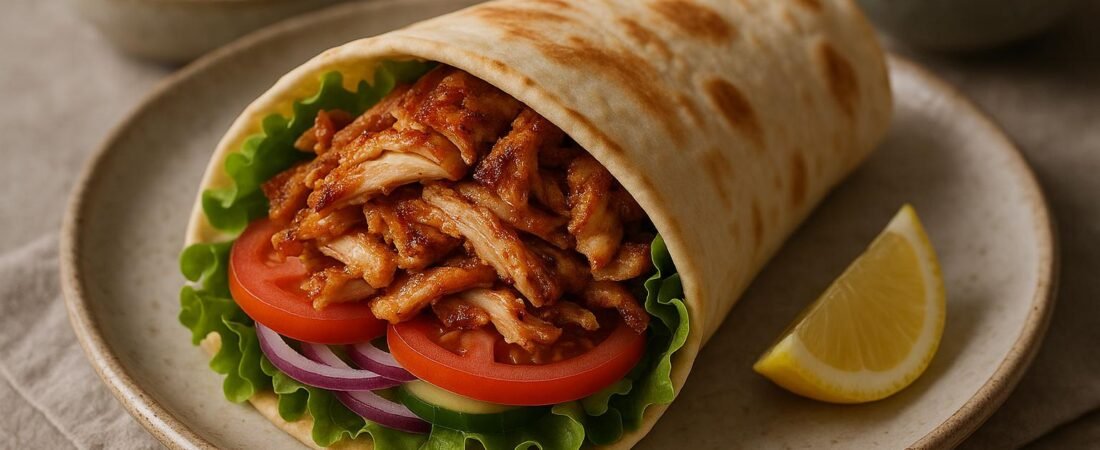
Shawarma is one of those dishes that can stop you in your tracks with a single aroma. The scent of spiced, slow-roasted meat spinning on a vertical rotisserie is unmistakable and deeply evocative of bustling streets across the Middle East and the broader Mediterranean. Beyond its irresistible flavor, shawarma carries a rich history, rooted in centuries of culinary exchange and adaptation. Today, it has become a global favorite, easily recreated at home with the right techniques, ingredients, and a bit of patience.
What is Shawarma?
Shawarma is a seasoned meat preparation, traditionally made from lamb, beef, or chicken, stacked in a cone shape on a vertical spit and slowly roasted as it turns. Thin slices are shaved off the outer layers as they cook, resulting in tender, caramelized pieces of meat that are usually served in flatbreads with salads, pickles, and a distinctive sauce. It stands at the crossroads of Mediterranean and Middle Eastern cuisine, reflecting influences that stretch from the Ottoman Empire to modern urban street food culture.
Origins and History of Shawarma
The history of shawarma is intertwined with the evolution of spit-roasted meats in the Eastern Mediterranean. Its roots can be traced back to the Ottoman Empire, where a similar preparation known as doner kebab emerged in the 19th century. Meat cooked on a horizontal spit had existed for centuries, but the innovation of the vertical rotisserie allowed the juices to baste the stack from top to bottom, preserving moisture and intensifying flavor.
As the Ottoman cultural sphere extended through present-day Turkey, Syria, Lebanon, and beyond, the technique of vertical roasting spread and evolved. In Arabic-speaking regions, the dish came to be known as “shawarma,” likely derived from a word related to “turning” or “rotating.” Over time, local cooks adapted seasonings to match regional palates, incorporating spices such as cumin, coriander, cinnamon, and sumac. With 20th-century migration, shawarma traveled further—to Europe, the Americas, and Australia—where it continued to adapt, giving rise to a wide range of contemporary interpretations.
Traditional Ingredients and Preparation Methods
Traditional shawarma relies on a few key elements: well-chosen cuts of meat, a complex marinade, and slow, consistent heat. Lamb leg, lamb shoulder, beef sirloin, or chicken thighs are most common, chosen for their balance of tenderness and fat. The meat is sliced thinly, marinated for hours—often overnight—and then stacked onto a large skewer in a tight cone, sometimes interspersed with pieces of fat or onion to maintain succulence.
The marinade typically combines olive oil, garlic, lemon juice or vinegar, and a blend of warm spices. While recipes vary from household to household, common seasonings include cumin, coriander, paprika, allspice, cardamom, cloves, cinnamon, turmeric, and sometimes nutmeg. As the stack slowly rotates in front of a heat source, the outer layer browns and crisps while the inside remains juicy. Cooked slices are shaved off and served in pita or other flatbreads, accompanied by salads, pickled turnips or cucumbers, and either tahini-based or yogurt-based sauces.
How to Make Shawarma at Home
Recreating authentic shawarma at home is entirely possible, even without a restaurant-style rotisserie. By focusing on the right ingredients, thoughtful marination, and intelligent use of household equipment, you can get remarkably close to the flavors of your favorite street stand.
Key Ingredients for Authentic Shawarma
For a classic homemade version, you will need:
- Meat: Boneless, skinless chicken thighs, beef flank, or lamb shoulder work especially well. Chicken is the most forgiving and widely accessible.
- Fat: A modest amount of oil (often olive or neutral vegetable oil) is essential for moisture and flavor. Some traditional recipes add a little rendered fat or ghee for richness.
- Acid: Lemon juice or vinegar tenderizes the meat and brightens the flavor. Yogurt is also frequently used in chicken shawarma marinades for additional tenderness.
- Aromatic base: Garlic and onion—fresh, grated, or powdered—form the backbone of the flavor profile.
- Spices: A typical shawarma spice mix may include ground cumin, coriander, sweet or smoked paprika, turmeric, cinnamon, allspice, and black pepper. Some blends also add cardamom, cloves, or sumac.
- Salt: Essential to bring out the full depth of the spices and meat.
- Flatbreads: Pita, laffa, saj, or other pliable breads suitable for wrapping or folding.
- Accompaniments: Sliced tomatoes, cucumbers, onions, parsley, pickled turnips or cucumbers, and shredded lettuce are all common.
- Sauces: A traditional shawarma sauce might be a garlicky tahini blend or a yogurt-garlic sauce. In some regions, a potent garlic emulsion similar to toum is preferred.
Selecting quality ingredients is fundamental. Fresh spices, good olive oil, and properly trimmed meat will significantly elevate the final result.
Step-by-Step Shawarma Recipe
The following recipe focuses on chicken shawarma, as it is both approachable and widely loved. The same technique can be adapted to beef or lamb with minor adjustments in marinating time and cooking duration.
Serves: 4–6 people
Ingredients:
- 1.2–1.5 kg (about 2.5–3 lb) boneless, skinless chicken thighs
- 3–4 tbsp olive oil
- 3 tbsp plain yogurt (optional but recommended)
- Juice of 2 lemons (or 3–4 tbsp white wine vinegar)
- 5–6 cloves garlic, finely minced or grated
- 1.5 tsp salt (adjust to taste)
- 1 tsp freshly ground black pepper
- 2 tsp ground cumin
- 2 tsp ground coriander
- 2 tsp sweet paprika (smoked if preferred)
- 1 tsp turmeric
- 0.5 tsp ground cinnamon
- 0.5 tsp ground allspice (optional but traditional)
- Pinch of cayenne or chili flakes (optional for heat)
For the shawarma sauce (garlic yogurt-tahini):
- 0.5 cup plain yogurt
- 2 tbsp tahini
- 1–2 cloves garlic, finely grated
- 1–2 tbsp lemon juice
- Salt to taste
- Water as needed to thin
To serve: Warm pita or flatbreads, sliced tomatoes, cucumbers, onions, pickles, and fresh herbs.
Method:
- 1. Prepare the marinade. In a large bowl, combine olive oil, yogurt, lemon juice, garlic, salt, pepper, and all the spices. Whisk until you have a smooth mixture.
- 2. Marinate the chicken. Cut the chicken thighs into large strips or leave them whole for oven roasting. Add them to the bowl, ensuring each piece is thoroughly coated. Cover and refrigerate for at least 4 hours, ideally overnight, to allow the flavors to penetrate.
- 3. Preheat and prepare for cooking. About 30 minutes before cooking, remove the chicken from the refrigerator to come closer to room temperature. Preheat your oven to 220°C (425°F) or prepare a grill or stovetop pan.
- 4. Choose your cooking method.
- Oven “stack” method: Thread the marinated pieces onto a vertical skewer stuck into a halved onion or potato placed on a baking tray, forming a compact mound. Roast for 35–45 minutes, turning occasionally if necessary, until charred at the edges and cooked through. Shave off thin slices and return the stack to the oven if needed.
- Sheet pan method: Spread the chicken pieces in a single layer on a lined baking tray. Roast for 20–25 minutes, turning once, until browned and fully cooked, then slice thinly.
- Grill or skillet method: Cook the strips over medium-high heat, allowing them to char slightly. Work in batches to avoid overcrowding, then slice or chop into small pieces.
- 5. Prepare the sauce. While the chicken cooks, whisk yogurt, tahini, garlic, lemon juice, and salt in a small bowl. Add a splash of water to reach a pourable yet creamy consistency. Adjust seasoning to taste.
- 6. Assemble the shawarma. Warm the flatbreads briefly in a dry pan or oven. Place a handful of sliced chicken in the center, top with tomatoes, cucumbers, onions, pickles, herbs, and a generous drizzle of sauce. Roll tightly or fold, and serve immediately.
This method yields a deeply flavored, aromatic shawarma that closely mirrors what you might find in traditional Middle Eastern eateries, while remaining practical for the home kitchen.
Popular Variations of Shawarma
As shawarma has traveled, it has taken on numerous forms. Differences in ingredients, cooking fats, and accompaniments create distinctive regional and stylistic variations, each with its own character and loyal following.
Regional Differences in Shawarma
Across the Levant—Lebanon, Syria, Jordan, and Palestine—shawarma is often marinated with warm spices such as cinnamon and allspice, and typically accompanied by pickled vegetables, fries, and either garlic sauce or tahini. In Lebanon, chicken shawarma is especially popular, often served with a strong garlic emulsion and thinly sliced cabbage or lettuce.
In Turkey, the closely related döner kebab uses similar vertical roasting techniques but a slightly different spice profile, leaning more heavily on oregano, paprika, and sometimes tomato paste. Greek gyros, another cousin, often incorporates pork and is seasoned with herbs like oregano and thyme, then served with tzatziki.
In the Gulf region, beef and lamb shawarma may feature more robust spicing and may be served with additional sauces, including chili-based condiments. Some North African adaptations integrate local spices such as harissa, giving the dish a sharper, smokier heat. In Western cities, shawarma frequently merges with local tastes, appearing in wraps with unconventional toppings or fusion sauces, from chili mayo to barbecue-style dressings.
Vegetarian and Vegan Shawarma Options
The popularity of plant-based diets has led to creative vegetarian and vegan shawarma interpretations that preserve the dish’s signature spice profile while substituting the meat base. These versions offer a satisfying option for those who avoid animal products or simply wish to explore new textures.
- Falafel shawarma-style wraps: While falafel is a distinct dish, its use in wraps with classic shawarma salads and sauces has become increasingly common. The contrast between crunchy chickpea patties and creamy tahini pays homage to the original flavor combination.
- Mushroom shawarma: Thick slices of oyster or portobello mushrooms marinated in shawarma spices and roasted or grilled replicate the meaty texture and deep umami flavors of traditional versions.
- Seitan or soy-based shawarma: Plant-based proteins, sliced thinly and marinated in the same mixture used for meat, can be pan-seared until crisp at the edges. These absorb spices well and work particularly well in wraps with garlic or yogurt-style vegan sauces.
- Cauliflower shawarma: Whole or florets of cauliflower, coated in a shawarma spice blend and roasted until browned and tender, offer a lighter variation that pairs beautifully with tahini and fresh herbs.
In each of these cases, the defining feature is the seasoning and the layering of components—flatbread, vegetables, pickles, and sauce—rather than the protein itself. This flexibility has helped shawarma maintain relevance in contemporary, health-conscious food cultures.
Shawarma in Global Cuisine
From its roots in Middle Eastern dishes to its current status as an international staple, shawarma has become emblematic of culinary exchange and adaptability. It appears in food courts, fine-dining reinterpretations, and small family-run shops, attesting to its broad appeal and cultural significance.
Cultural Significance and Influence
In many countries, shawarma is more than a simple meal; it is part of daily life and social ritual. Families gather around shared platters, office workers queue at lunch breaks, and late-night crowds seek out their preferred vendor. The dish serves as a bridge between tradition and modernity, preserving old-world flavors while fitting neatly into contemporary urban lifestyles.
Shawarma has also played a role in diaspora communities, helping maintain cultural identity abroad. Immigrant entrepreneurs often open shawarma shops as a way to connect with their heritage while introducing local populations to Middle Eastern and Mediterranean cuisine. In this sense, a shawarma stand can be both a livelihood and a cultural ambassador.
Culinarily, shawarma has influenced and been influenced by similar preparations around the world. Its kinship with döner kebab, gyros, and Mexican tacos al pastor illustrates how a single cooking method—vertical roasting—can traverse geographies and adapt to available ingredients and tastes. This cross-pollination underscores the dynamic nature of street food and its capacity to evolve without losing its essence.
Shawarma as Popular Street Food
One of the reasons shawarma has become a global sensation is its suitability as street food. It is portable, customizable, quick to assemble once the meat has been cooked, and relatively affordable. Vendors can serve a continuous stream of customers simply by shaving fresh slices off the spit and wrapping them to order.
In many cities, shawarma stalls and small restaurants are woven into the urban landscape. The visual spectacle of the rotating spit and the enticing aroma of grilling meat act as a natural advertisement. Moreover, the dish adapts well to local preferences: some places emphasize extra spice and chili, others focus on generous salads and sauces, while some highlight artisanal breads or organic ingredients.
Its format also invites personalization. Diners choose their fillings, from traditional pickled turnips and parsley to modern additions like grilled vegetables or unconventional condiments. This versatility has helped shawarma remain relevant amid evolving food trends, from fast-casual dining to late-night street snacks.
Conclusion
Shawarma encapsulates the best qualities of enduring culinary traditions: depth of flavor, adaptability, and an ability to bring people together around a shared love of food. Its journey from Ottoman-era roast meat to an international symbol of street cuisine reflects centuries of migration, cultural exchange, and innovation.
Whether you enjoy it as a quick meal from a bustling vendor or prepare a carefully marinated shawarma recipe at home, the dish offers far more than convenience. It is a gateway into Middle Eastern and Mediterranean food cultures, a testament to the power of simple ingredients transformed by technique and time. With a well-stocked spice cabinet and a bit of practice, you can recreate its unmistakable taste in your own kitchen and participate in a culinary story that spans continents.
Discover More from Didier Lancelot
Amazon Author page: amazon.com/author/didierlancelot
Narmer Store: narmerstore.org
AI and Technology Ebooks
- Creative AI: Animated Drawings, Manga & Illustrations
- Build a Game with AI: The No-Code Guide
- AI Image Generation Made Easy
- Build a Website with AI: The No-Code Guide
- How to Connect AI to Your Blog: The Ultimate Automation Guide
- AI Productivity Habits: Get More Done in Less Time
- AI Avatars Made Easy
- The Book of AI Prompts: 100+ Proven Prompts
- Make Music with AI: Suno, Udio and AI Music Generators
- Click to Cash
- The Automated Edge: Outwork, Outpace, and Outperform with AI
- AI Side Hustle: How to Make Money with ChatGPT and AI Tools
- Work Smarter with AI
Health, Lifestyle and Home Ebooks
- Hidden Superfoods: The World’s Most Powerful Healing Foods
- Spanish Food: The Complete Cookbook for Authentic Home Cooking
- The Science of Happiness Explained
- The Psychology of Success
- The Secret Sauce of Consistency: What the Experts Don’t Tell You About Fitness
- The Complete Home Bartender’s Guide: Link 1 | Link 2
- Natural Beauty, Made Simple: Easy DIY Organic Skincare Recipes
- Garden Made Simple: Easy, Beginner-Friendly Techniques
- The Dog Training Bible