
Small Space Interior Design: Big Style for Tiny Homes
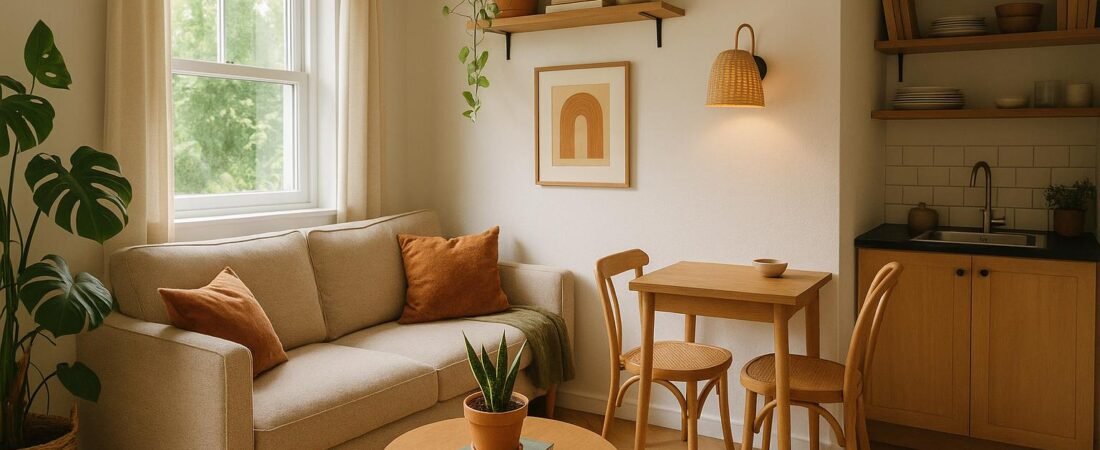
Designing a tiny home or compact apartment isn’t about giving things up. It’s about being intentional. When every piece has a purpose and the layout supports how you actually live, even the smallest space can feel open, calm, and stylish—without looking like it’s been overplanned or staged.
This guide walks through practical, modern small space interior design strategies that add function, comfort, and personality to your home.
Start With How You Live, Not What You Like
Before buying a single piece of furniture, get clear on two things:
- Measurements: Measure the full room, ceiling height, window and door locations, and any awkward corners or niches.
- Daily activities: List what needs to happen in that space every day: sleeping, working, dining, entertaining, exercising, hobbies, storage.
When you know your dimensions and your lifestyle, you can prioritize what the room must do instead of squeezing in furniture you’ve already fallen in love with. In small home design, function comes first—style is layered on top.
Choose Furniture That Adapts
In a small home, every major piece of furniture should earn its footprint. Look for items that adapt to different activities, transform easily, and offer hidden storage.
Multifunctional pieces that work hard
- Sofa beds or daybeds: Let your living room double as a guest room (or your studio double as a bedroom) without needing a second room.
- Storage ottomans and benches: Use them as coffee tables, extra seating, and concealed storage for blankets, games, or office supplies.
- Fold-down desks and wall-mounted tables: Ideal for work-from-home setups or dining areas that can disappear when not in use.
- Expandable dining tables: Keep a compact footprint day to day, then extend when you’re hosting.
- Modular seating: Sectionals with movable pieces or armless chairs that can be grouped or separated as needed.
Scale and profile matter
In small space interior design, size is as important as function:
- Choose slim profiles: Chairs with open legs, sofas with narrow arms, and raised bases feel visually lighter than bulky pieces that sit flat on the floor.
- Avoid oversized furniture: One too-large sofa can make a room feel cramped faster than several smaller, well-scaled pieces.
- Mind proportions: Leave comfortable walking paths (aim for at least 24–30 inches) between furniture pieces.
The goal is flexibility without clutter. Furniture should support how you live, not limit it.
Use Vertical Space Like a Pro
Floor space is limited; wall space often isn’t. Smart small space design turns walls, corners, and overlooked nooks into storage and display zones.
Go up, not out
- Floating shelves: Store books, plants, and decor without taking up floor space. Staggered arrangements can double as wall art.
- Tall, slim cabinets: Use full-height units in kitchens, entryways, and living rooms to store rarely used items up high and everyday essentials within easy reach.
- Wall hooks and rails: Perfect for coats, bags, hats, and even kitchen tools—especially useful near doors or in narrow hallways.
Make the most of “hidden” areas
- Under-bed storage: Use lift-up beds, built-in drawers, or clean-lined storage boxes to keep seasonal clothing, linens, or bulky items out of sight.
- Storage benches: Place them under windows, behind sofas, or at the foot of the bed for seating plus hidden storage.
- Built-ins and niches: Custom or semi-custom built-ins around beds, sofas, or doors turn awkward corners into valuable storage.
By lifting storage up and off the floor, you make the room feel larger and less crowded, even when it’s working very hard behind the scenes.
Plan Distinct Zones Without Adding Walls
Open-plan small homes can quickly feel like a multipurpose blur. Creating clear “zones” helps your space feel organized, calm, and intentional—even when one room has to do it all.
How to define zones in a small space
- Rugs: Use area rugs to visually mark the living area, dining nook, or workspace. In studios, a rug under the bed instantly defines a sleeping zone.
- Furniture placement: Position a sofa with its back toward the dining or entry area to create a living room “boundary” without blocking light.
- Lighting: A pendant over a dining table, a floor lamp by a reading chair, or a task lamp on a desk signals different activity areas.
Keep pathways clear
Zone planning only works if you can move comfortably through the space:
- Ensure a clear route from the main entry to windows, the kitchen, and the bathroom.
- Avoid placing furniture right in the natural walking path.
- Choose pieces that don’t force you to “zig-zag” through the room.
When zones are well-defined but circulation stays open, even a tiny home feels organized and more generous.
Layer Light to Open Up the Space
Lighting is one of the most powerful tools in small space interior design. Done well, it makes rooms feel bigger, more welcoming, and much more functional.
Maximize natural light
- Use light window treatments: Sheer or light-filtering curtains let daylight in while offering privacy.
- Avoid heavy, dark drapes: They visually close in the room and block precious daylight.
- Place mirrors strategically: Hang mirrors opposite or adjacent to windows to bounce natural light around the room and visually extend the space.
Layer artificial lighting
Relying on a single overhead fixture creates harsh shadows and a flat atmosphere. Instead, combine:
- Ambient lighting: Ceiling lights, flush mounts, or large pendants to illuminate the whole room.
- Task lighting: Desk lamps, under-cabinet lights, or reading lamps where you work, cook, or read.
- Accent lighting: Wall sconces, picture lights, or small table lamps to highlight art, plants, or architectural features.
This layered approach adds depth and warmth, and it lets each zone feel tailored to its purpose without adding any physical bulk.
Create a Cohesive Look With Color and Texture
In small interiors, visual unity matters. A cohesive design makes your home feel more spacious and calm, while still leaving room for personality.
Build a light, neutral foundation
- Walls: Soft whites, warm beiges, gentle grays, or pale greiges reflect light and create an airy backdrop.
- Key furniture: Choose larger items (sofa, bed, dining table) in neutral tones that can adapt to evolving styles.
- Flooring: If possible, keep flooring consistent throughout to visually unify different zones.
Add character with accents and texture
- Accent colors: Layer in a few richer hues through cushions, throws, and artwork rather than on major furniture pieces.
- Textures: Mix materials—linen, wool, wood, rattan, metal—to add depth and interest without visual clutter.
- One or two statement pieces: A bold artwork, a sculptural light fixture, or an antique side chair can define the room’s personality without overwhelming it.
A restrained palette that flows from one area to the next helps tiny homes feel unified, not choppy, even when they serve multiple functions.
Edit, Don’t Erase, Your Personality
Minimalism in small space design doesn’t mean living without character. It simply means being selective about what you display.
Curate, don’t crowd
- Avoid overloading surfaces: Leave breathing room on shelves, counters, and coffee tables so the eye has places to rest.
- Rotate decor: Instead of displaying everything at once, store some pieces and swap them seasonally to keep the space fresh.
- Highlight meaningful objects: Choose a few items that tell your story—travel souvenirs, heirlooms, favorite books—rather than lots of generic decor.
Use textiles and art for impact
- Textiles: Throws, cushions, and rugs add color and pattern without consuming floor space.
- Wall art: A gallery wall or one large-scale piece can anchor a room and draw the eye upward.
- Plants: A few well-placed plants bring life and softness, especially when placed on shelves or window sills instead of the floor.
The aim is a space that feels lived in and personal, not staged or empty.
Putting It All Together: A Simple Action Plan
To bring big style to your tiny home, follow this practical sequence:
- 1. Measure and map: Sketch your room with accurate dimensions, windows, and doors.
- 2. List your needs: Identify everything the room must support daily (sleep, work, dining, storage, hobbies).
- 3. Plan zones: Decide where each activity will happen and how you’ll define those areas with rugs, furniture, and lighting.
- 4. Prioritize storage and adaptable furniture: Select multifunctional pieces and vertical storage solutions before buying decor.
- 5. Choose a cohesive palette: Set a light, neutral base and add a few accent colors and textures.
- 6. Edit decor: Curate meaningful objects, use textiles and art for impact, and avoid overcrowding surfaces.
Conclusion: Small Space, Big Intentions
Successful small space interior design isn’t about tricks; it’s about clarity. When you know what you need your home to do, choose furniture that adapts, use your walls wisely, layer your lighting, and curate what you display, your tiny home can feel surprisingly expansive.
Start with measurements and daily habits, then let storage and flexible furniture lead your decisions. With a cohesive look and a few well-chosen personal touches, you’ll have a compact home that feels both highly functional and deeply yours.
Discover More from Didier Lancelot
Amazon Author page: amazon.com/author/didierlancelot
Narmer Store: narmerstore.org
AI and Technology Ebooks
- Creative AI: Animated Drawings, Manga & Illustrations
- Build a Game with AI: The No-Code Guide
- AI Image Generation Made Easy
- Build a Website with AI: The No-Code Guide
- How to Connect AI to Your Blog: The Ultimate Automation Guide
- AI Productivity Habits: Get More Done in Less Time
- AI Avatars Made Easy
- The Book of AI Prompts: 100+ Proven Prompts
- Make Music with AI: Suno, Udio and AI Music Generators
- Click to Cash
- The Automated Edge: Outwork, Outpace, and Outperform with AI
- AI Side Hustle: How to Make Money with ChatGPT and AI Tools
- Work Smarter with AI
Health, Lifestyle and Home Ebooks
- Hidden Superfoods: The World’s Most Powerful Healing Foods
- Spanish Food: The Complete Cookbook for Authentic Home Cooking
- The Science of Happiness Explained
- The Psychology of Success
- The Secret Sauce of Consistency: What the Experts Don’t Tell You About Fitness
- The Complete Home Bartender’s Guide: Link 1 | Link 2
- Natural Beauty, Made Simple: Easy DIY Organic Skincare Recipes
- Garden Made Simple: Easy, Beginner-Friendly Techniques
- The Dog Training Bible