
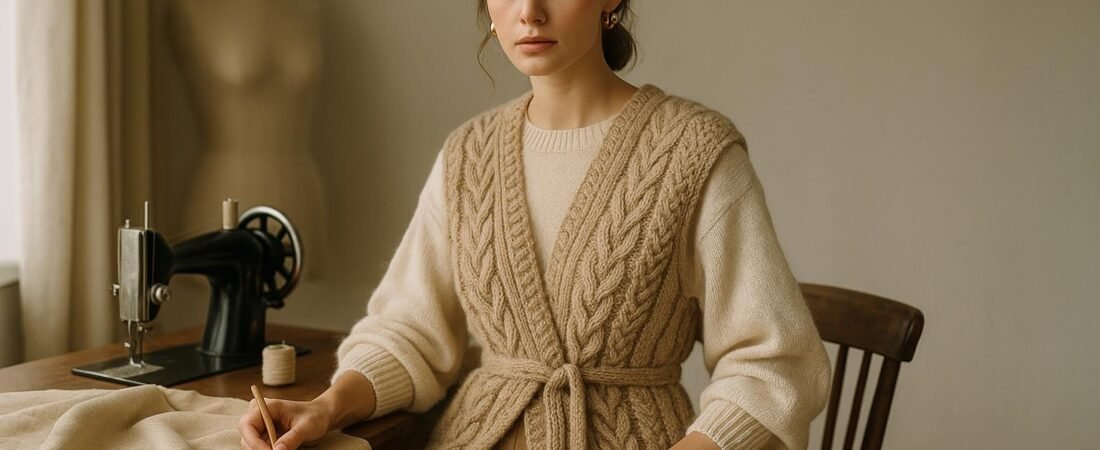
What Is Handmade Fashion Design?
Handmade fashion design sits at the intersection of craftsmanship, creativity, and conscious consumption. It reflects a return to clothing that is thoughtfully conceived, carefully constructed, and deeply connected to the person who wears it. In a world dominated by fast-changing trends and overproduction, handmade clothing offers a slower, more meaningful approach to style.
Defining Handmade Fashion in Today’s Industry
In today’s industry, handmade fashion design refers to garments and accessories created primarily by hand, rather than entirely by industrial machinery and automated processes. While tools and sewing machines are often used, the defining feature is the human touch throughout the process: drafting patterns, cutting fabric, stitching, finishing edges, and adding decorative details.
Unlike standard production lines, handmade fashion design usually involves one designer or a small team overseeing each step. This allows for meticulous attention to fit, tailoring, and construction methods—elements often compromised in mass-market pieces. A handmade jacket, for instance, might incorporate hand-basted canvassing, individually set pockets, and custom button placement based on the wearer’s proportions.
Today’s handmade designers often blend traditional craftsmanship—such as hand embroidery or couture-level finishing—with modern silhouettes and contemporary fabrics. The result is clothing that aligns with current style but retains the character and integrity of artisanal work.
Handmade vs. Mass-Produced Clothing: Key Differences
Handmade fashion differs from mass-produced clothing in several critical ways that affect quality, ethics, and customer experience.
- Production scale: Mass-produced garments are manufactured in huge quantities, usually in large factories. Handmade pieces are created in small batches or as one-of-a-kind items, limiting volume but enhancing individuality.
- Quality and durability: Industrial production prioritizes speed and cost efficiency, which often means simplified construction and weaker seams. Handmade fashion design typically employs stronger stitching, better pattern matching, and superior finishing, resulting in garments that retain their shape and structure for longer.
- Fit and customization: Ready-to-wear clothing follows standardized sizing systems. Handmade pieces can be tailored to body measurements, posture, and personal preferences, offering enhanced comfort and a more refined silhouette.
- Ethical transparency: With mass production, it can be difficult to trace who made your clothes and under what conditions. Handmade fashion frequently offers direct insight into the maker or small studio responsible for each garment.
- Emotional value: A mass-produced garment is easy to discard when trends change. A hand-crafted dress or custom made fashion piece often carries a story—of the designer, the materials, and the wearer’s input—making it more likely to be cherished and preserved.
These distinctions shape not just the clothes themselves, but the entire relationship a wearer has with their wardrobe.
Why Choose Handmade Fashion?
Opting for handmade fashion is not simply a stylistic preference; it is a deliberate choice that influences environmental impact, social conditions, and personal identity. For many, it represents a quiet form of resistance against disposable culture and a commitment to value over volume.
Sustainability, Ethics, and Slow Fashion Benefits
Handmade fashion aligns naturally with the principles of slow fashion—a movement that advocates for fewer, better garments made under fair conditions. By its nature, handmade production discourages overconsumption and encourages thoughtful purchases.
On an environmental level, artisans and small labels often produce to order or in very limited quantities, reducing unsold inventory and textile waste. They may also prioritize deadstock, organic, or recycled fabrics. In contrast, large-scale factories often overproduce, leading to surplus stock that is discounted, destroyed, or sent to landfill.
From an ethical perspective, handmade fashion frequently offers a higher degree of accountability. Many independent makers share their working processes, studio environments, and sourcing methods openly. This transparency stands in stark contrast to opaque supply chains where underpaid labor and unsafe conditions are still prevalent.
Supporting designers and small sustainable fashion brands that focus on artisanal methods helps redistribute value away from mass retailers and towards skilled craftspeople. It sustains techniques such as hand weaving, smocking, beadwork, and traditional dyeing, ensuring these practices are not eclipsed by purely industrial processes.
Unique Style, Fit, and Personal Expression
Beyond ethics and sustainability, the appeal of handmade clothing lies in its ability to capture the personality of the wearer. Because each piece is designed and constructed with intention, there is room for nuance: a particular neckline to suit your shoulders, a slightly adjusted waistline, or a specific sleeve length to balance proportions.
Handmade pieces often feature distinctive details that would be too time-consuming for factory production: hand-stitched hems, carefully placed pleats, artisanal buttons, or intricate embellishment. These characteristics lend depth and individuality, transforming everyday garments into unique handmade outfits.
For clients seeking a wardrobe that does not mirror every store window or social media feed, custom made fashion offers a powerful alternative. You can collaborate with a designer, communicate your preferences, and see them translated into tangible garments. Over time, this relationship can produce a cohesive, highly personalized wardrobe that reflects not just trends, but your lifestyle, values, and evolving sense of self.
Techniques and Materials in Handmade Fashion Design
Behind every well-crafted garment lies a combination of technical skill and material knowledge. Understanding these elements illuminates why handmade fashion feels—and performs—differently from mass-produced alternatives.
Essential Skills: Pattern Making, Sewing, and Embroidery
Successful handmade fashion design begins with pattern making. A pattern is the two-dimensional map of a three-dimensional garment, dictating its fit, drape, and structure. Skilled pattern cutters consider body measurements, posture, movement, and fabric behavior. They know when to add shaping through darts, panels, or pleats, and how to balance seam placement for both aesthetics and comfort.
Sewing is the next foundational skill. While domestic or industrial machines are common, the ethos remains hands-on. A handmade piece often combines machine stitching for durability with hand finishing for refinement. This may include:
- Hand-stitched hems and linings to avoid visible topstitching.
- Delicate hand-sewn closures such as hooks, snaps, or covered buttons.
- Couture techniques like underlining, pad stitching, or hand-set zippers.
Decorative techniques like embroidery, appliqué, and beading further distinguish handmade work. Embroidery can be used to create subtle monograms, botanical motifs, or bold graphic elements. These artisanal details require time and precision, reinforcing the sense that each piece is truly singular.
Other specialized methods may include draping directly on a dress form, fabric manipulation (smocking, pleating, gathering), and surface design through printing or dyeing. Together, these techniques enable designers to move beyond standardized forms and explore sculptural, experimental, or heritage-inspired silhouettes.
Choosing Fabrics, Trims, and Eco-Friendly Materials
Material selection is a defining element of any garment and a key area where handmade designers can pursue more responsible choices. Thoughtful fabric sourcing prioritizes not only appearance and feel but also performance and environmental impact.
Common fabric categories include:
- Natural fibers: Cotton, linen, wool, and silk offer breathability and comfort. Organic and responsibly sourced variants help reduce pesticide use and protect ecosystems.
- Regenerated fibers: Materials like TENCEL™ lyocell or modal are produced from wood pulp and can offer a lower-impact alternative to conventional synthetics when responsibly sourced.
- Recycled textiles: Recycled polyester, nylon, or cotton helps divert waste from landfills and reduces resource extraction, especially when used in linings or outerwear.
- Deadstock and surplus fabric: Many designers work with high-quality leftover rolls from larger manufacturers, giving new life to textiles that might otherwise go unused.
Trims and notions also play a role in both aesthetics and sustainability. Artisans may favor natural buttons (shell, corozo, wood), organic cotton thread, and biodegradable interfacings where possible. Choosing quality zippers, snaps, and closures improves durability, extending the life of the garment.
By carefully selecting materials and trims, handmade fashion creators not only elevate the look and feel of their pieces, but also contribute to a more responsible and traceable supply chain—an increasingly important aspect of ethical fashion design.
How to Start Your Own Handmade Fashion Journey
Entering the world of handmade fashion can be transformative, whether your goal is to refine your personal wardrobe or develop a handmade clothing business. With the right approach, you can progress from curious beginner to confident maker or brand founder.
Beginner Steps to Designing and Making Your Own Clothes
Learning how to make your own clothes is both a practical skill and a creative outlet. Start with achievable projects and build complexity as your confidence grows.
- Learn the fundamentals: Begin with basic sewing skills: operating a sewing machine, sewing straight seams, finishing raw edges, and pressing correctly. Invest time in understanding seam allowances, grainlines, and simple closures.
- Start with simple patterns: Choose beginner-friendly garments such as elastic-waist skirts, boxy tops, or pull-on dresses. These silhouettes allow you to focus on accuracy and finishing without complex tailoring.
- Study fit and measurements: Take precise body measurements and compare them to pattern charts. Learn basic pattern adjustments—lengthening, shortening, or grading between sizes—to achieve a more personalized fit.
- Practice on accessible fabrics: Stable woven fabrics like cotton poplin or linen are easier to manage than slippery or stretchy materials. As skills develop, you can experiment with knits, silks, or structured wools.
- Refine finishing techniques: Even simple garments look elevated with neat hems, well-pressed seams, and carefully aligned patterns. Focus on these details; they distinguish handmade from “homemade.”
As you grow more comfortable, you can incorporate design elements such as unique collars, statement sleeves, or surface embellishment. This progression naturally leads from replicating existing silhouettes to developing your own signature style in handmade fashion design.
Tips for Selling Handmade Fashion Online and Building a Brand
Turning your skills into a handmade clothing business requires more than technical ability. It demands strategic thinking, branding, and a clear understanding of your ideal customer.
- Define your aesthetic and values: Clarify what sets your work apart. Are you focused on minimalist silhouettes, romantic detailing, avant-garde cuts, or heritage-inspired pieces? Are sustainability and transparency central to your brand message? Articulate these elements clearly.
- Curate a cohesive collection: Even a small range benefits from consistency. Ensure fabrics, color stories, and shapes work together. A curated selection of tops, skirts, and dresses can communicate a strong identity more effectively than a scattered assortment.
- Develop accurate sizing and custom options: Provide detailed size charts, measurement guides, and notes on fit. Consider offering made-to-measure or minor alterations to bridge the gap between ready-made and fully custom made fashion.
- Present professional imagery: High-quality photography is essential for selling handmade clothing online. Use clear, well-lit images that show front, back, and detail views, as well as garments in motion on different body types.
- Communicate your process: Share insight into your techniques, materials, and production timeline. Customers who appreciate slow fashion value transparency and are often willing to wait for made-to-order pieces.
- Choose the right sales platforms: Options include your own e-commerce site, curated marketplaces, or platforms dedicated to artisanal work. Select channels that align with your price point, target audience, and brand positioning.
- Price sustainably: Account for materials, labor, overhead, and profit. Underpricing your work is unsustainable and can undermine perceptions of quality. Educate your audience on why ethically made garments carry a higher but fair cost.
- Build long-term relationships: Encourage feedback, offer alterations or repairs where feasible, and reward returning clients. Loyal customers often become brand advocates, especially in niches centered on ethical fashion design.
By steadily refining your craft and brand narrative, you can establish a presence in the slow fashion space that feels both commercially viable and creatively fulfilling.
Conclusion
Handmade fashion design represents far more than an aesthetic preference; it is a holistic approach to clothing that values craft, responsibility, and individuality. Choosing or creating handmade clothing invites a slower rhythm of consumption, where fewer garments hold deeper meaning and perform better over time.
Whether you are a designer, aspiring maker, or considered consumer, engaging with handmade fashion encourages greater awareness of how garments are conceived, constructed, and cared for. It offers an alternative to disposability and uniformity, replacing them with authenticity, respect for labor, and refined personal expression.
As interest in slow fashion continues to grow, those who invest in learning, creating, or supporting thoughtful, small-scale production help shape a more ethical and imaginative future for the fashion industry—one beautifully crafted garment at a time.
Discover More from Didier Lancelot
Amazon Author page: amazon.com/author/didierlancelot
Narmer Store: narmerstore.org
AI and Technology Ebooks
- Creative AI: Animated Drawings, Manga & Illustrations
- Build a Game with AI: The No-Code Guide
- AI Image Generation Made Easy
- Build a Website with AI: The No-Code Guide
- How to Connect AI to Your Blog: The Ultimate Automation Guide
- AI Productivity Habits: Get More Done in Less Time
- AI Avatars Made Easy
- The Book of AI Prompts: 100+ Proven Prompts
- Make Music with AI: Suno, Udio and AI Music Generators
- Click to Cash
- The Automated Edge: Outwork, Outpace, and Outperform with AI
- AI Side Hustle: How to Make Money with ChatGPT and AI Tools
- Work Smarter with AI
Health, Lifestyle and Home Ebooks
- Hidden Superfoods: The World’s Most Powerful Healing Foods
- Spanish Food: The Complete Cookbook for Authentic Home Cooking
- The Science of Happiness Explained
- The Psychology of Success
- The Secret Sauce of Consistency: What the Experts Don’t Tell You About Fitness
- The Complete Home Bartender’s Guide: Link 1 | Link 2
- Natural Beauty, Made Simple: Easy DIY Organic Skincare Recipes
- Garden Made Simple: Easy, Beginner-Friendly Techniques
- The Dog Training Bible