
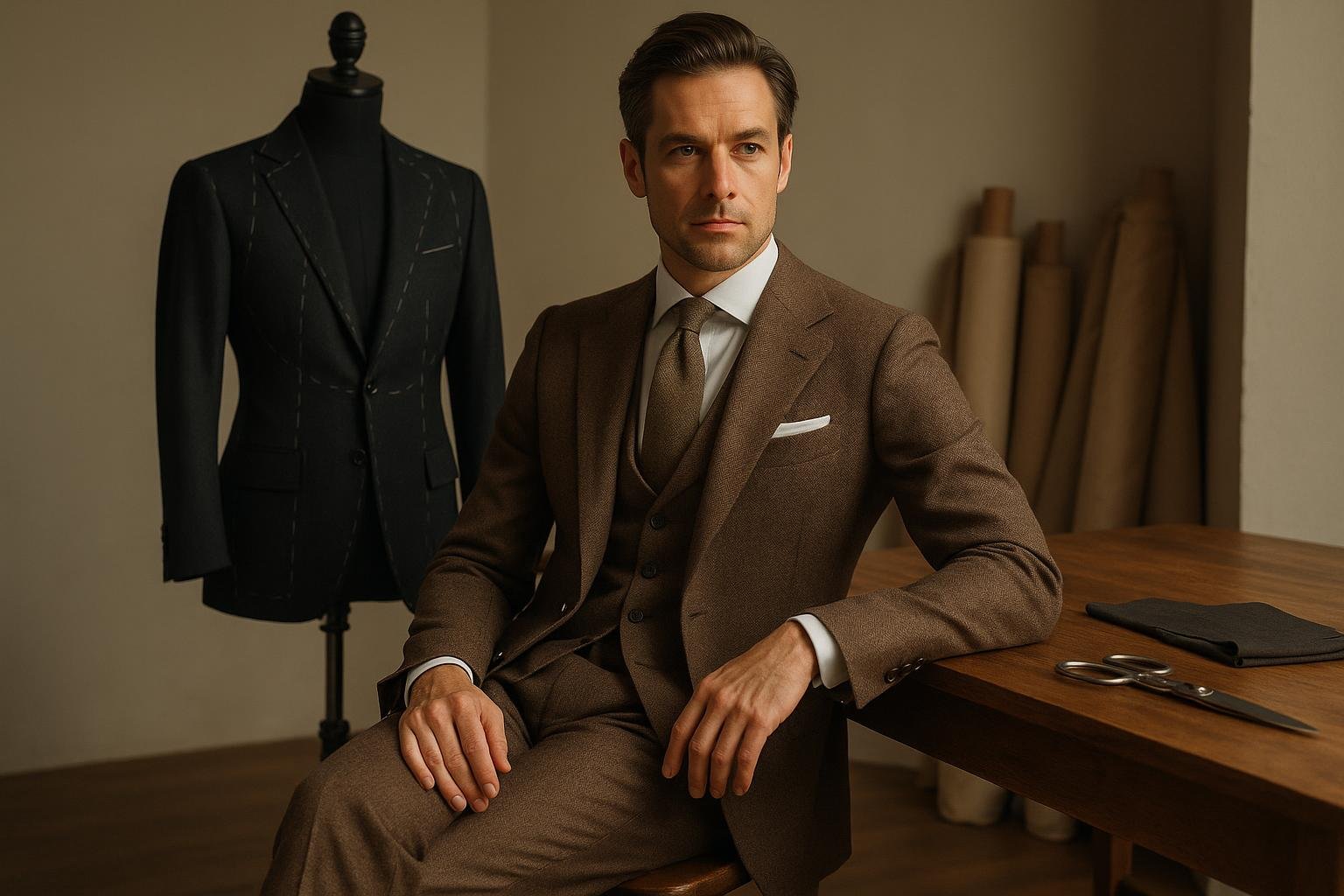
What Is Custom Tailoring Fashion?
Custom tailoring fashion is the art of creating clothing around the individual, not the other way around. Rather than forcing your body into a standardized size chart, garments are cut, shaped, and finished according to your precise measurements, posture, lifestyle, and aesthetic preferences. The result is clothing that feels natural, looks refined, and enhances the way you move through the world.
Definition of Custom Tailoring in Modern Fashion
In contemporary fashion, custom tailoring refers to garments designed with a specific client in mind, guided by both technical precision and style consultation. It sits at the intersection of craftsmanship and personalized fashion. A tailor or atelier analyzes your body proportions, stance, shoulder slope, and even how you use your pockets, then translates these insights into a pattern that belongs only to you.
Unlike mass-produced pieces, which are constructed for an “average” body, custom tailoring focuses on individual differences: one shoulder slightly lower than the other, a fuller chest, narrower hips, or a longer torso. Every seam, dart, and hem is strategically placed to flatter these nuances. This approach applies across categories—custom suits, jackets, trousers, dresses, shirts, and even outerwear—gradually building a tailored wardrobe that feels cohesive and intentional.
Bespoke vs Made-to-Measure vs Off-the-Rack
To fully understand custom tailoring fashion, it is essential to distinguish between three main categories: bespoke, made-to-measure, and off-the-rack.
- Bespoke tailoring: The highest level of customization. A unique pattern is drafted from scratch for each client. Multiple fittings are scheduled, often with hand-basted garments that can be opened, reshaped, and refined during the process. Bespoke suits and dresses involve extensive handwork, from canvassing to hand-sewn buttonholes, and allow almost complete freedom over silhouette, lapel style, pocket placement, lining, and fabric. This is true luxury bespoke fashion.
- Made-to-measure clothing: A mid-point between ready-to-wear and bespoke. Instead of starting from a blank pattern, the tailor begins with a standardized base pattern and adjusts it to your measurements and preferences. You select details such as fabric, buttons, lapels, collar shapes, and lengths, but there are fewer structural changes than in full bespoke. The result is excellent fit and personalisation at a more accessible price and with fewer fittings.
- Off-the-rack (ready-to-wear): Garments are produced in fixed sizes and stocked in stores. You purchase an item and may later have basic alterations—hemming, waist suppression, sleeve shortening—performed by a tailor. While convenient, this approach cannot fully address complex fit issues or posture-related adjustments, as the underlying pattern remains unchanged.
Most people navigate among all three categories. You might rely on off-the-rack pieces for casual wear, invest in made-to-measure clothing for work, and reserve bespoke tailoring for special occasions or foundational pieces that you wear frequently.
Benefits of Custom Tailoring for Your Wardrobe
A tailored wardrobe is not only about aesthetics; it is a strategic way to dress. Custom pieces enhance comfort, project confidence, and often prove more economical over time than constant cycles of buying and discarding ill-fitting garments.
Perfect Fit for Every Body Type
No two bodies are identical, yet mass fashion is built on rigid sizing systems. Custom tailoring solves this mismatch by starting from your body, not a predetermined size. Whether you are tall and lean, petite and curvy, athletic, or have a unique combination of proportions, a skilled tailor can carve out clothing that honors your shape.
For men, this might mean a jacket with a balanced shoulder line, a nipped waist, and correctly placed armholes that allow free movement without pulling across the back. Trousers can be shaped to accommodate strong thighs without gaping at the waist. For women, custom dress tailoring can eliminate gaping at the bust, twisting at the hips, or the constant need to adjust straps and waistlines. Dresses and skirts can be cut to fall exactly where your legs look longest and most harmonious.
Furthermore, custom tailoring addresses posture and asymmetry—sloping shoulders, a slightly rotated pelvis, or one leg marginally longer than the other. While subtle, these adjustments transform how clothing sits on the body, resulting in the elusive perfect fit clothing that feels as though it belongs exclusively to you.
Longevity, Quality, and Cost-Per-Wear Advantages
One of the most compelling arguments for custom tailoring fashion is durability. Tailors tend to work with higher-grade materials and construction techniques than mass producers. Full or half-canvassed jackets, reinforced seams, quality zippers, and sturdy linings allow garments to withstand frequent wear and professional cleaning with less degradation.
Although the initial investment is higher than typical ready-to-wear, cost-per-wear often tells a different story. A well-made custom suit worn weekly for several years can be more economical than inexpensive pieces that lose shape, fade, or fall apart after a single season. Because the fit and style are designed for longevity rather than trends, you are less likely to tire of the garment or feel it has become dated overnight.
Additionally, custom pieces are easier to maintain and alter over time. If your body changes slightly, a tailor can adjust seams, let out fabric, or reshape the silhouette without compromising the garment’s integrity. This flexibility preserves your investment and supports a more sustainable approach to dressing—fewer impulsive purchases, more deliberate choices, and a curated wardrobe that works harder for you.
How to Get Started with Custom Tailoring
Beginning your journey into custom tailoring does not require an immediate leap into full bespoke. It starts with selecting the right professional, understanding the process, and choosing where to invest first based on your lifestyle and needs.
Choosing the Right Tailor or Atelier
Selecting a tailor is as important as choosing a doctor or financial advisor. You are entrusting them with how you present yourself to the world. Consider the following criteria when evaluating a tailor or atelier:
- Specialization: Some tailors focus on structured menswear (suits, sport coats, trousers), while others excel in womenswear, gowns, or soft tailoring. Seek a professional whose portfolio aligns with your goals, whether that is business attire, eveningwear, or everyday pieces.
- Reputation and reviews: Look for client testimonials and before-and-after photos. Recommendations from well-dressed colleagues or friends are particularly valuable; you see the results in real life.
- Communication: A skilled tailor will ask detailed questions about how you work, commute, travel, and socialize. They will guide you through fabric selection, advise on style details, and explain what is possible within your budget.
- In-house work vs outsourcing: Some ateliers perform all work on-site; others outsource certain tasks. Neither is inherently inferior, but transparency matters. Ask where garments are made and who will handle fittings and final adjustments.
- Consistency: For a tailored wardrobe, long-term collaboration is invaluable. Favor a professional with a stable practice and clear processes so your pattern and preferences can be refined over time.
When meeting a prospective tailor, bring garments you like and those you dislike. Explaining why a particular jacket feels restrictive or why a dress is especially flattering helps them understand your preferences beyond simple measurements.
Key Measurements and Fitting Process Explained
The custom process begins with an in-depth measurement and assessment session. While exact steps vary, most tailors will:
- Take body measurements: Neck, chest, waist, hips, seat, thigh, inseam, outseam, arm length, shoulder width, biceps, wrist, and more. For womenswear, bust point, underbust, waist-to-hip, and vertical measurements (e.g., shoulder to waist) are critical.
- Evaluate posture and stance: The tailor analyzes whether your shoulders are square or sloped, if you lean forward or backward slightly, and how your arms rest. These observations influence shoulder padding, jacket length, and trouser balance.
- Discuss style preferences: Slim vs classic cuts, higher or lower rise on trousers, skirt length, lapel width, vent style, pocket shape, sleeve taper, and other design elements.
- Select fabric and details: Wool weight, cotton type, linen blends, linings, buttons, stitching level, and internal construction. These choices alter not only the look but also breathability, drape, and durability.
After this consultation, a pattern is drafted (bespoke) or adjusted (made-to-measure). A first fitting follows, sometimes using a basted garment—loosely assembled with large stitches, allowing the tailor to pin, mark, and reshape easily. You will see the overall silhouette and how it sits on your body.
The second fitting refines balance, sleeve length, collar placement, and trouser break. For complex pieces, a third fitting may be scheduled to perfect subtle nuances. Once complete, the final garment is delivered, often with a follow-up check to ensure performance in real life. Over time, as your tailor gathers more feedback, the pattern becomes increasingly precise, enhancing each future commission.
Style Tips for Incorporating Custom Tailoring into Everyday Looks
Custom tailoring is not only for black-tie occasions or boardrooms. Strategic pieces can integrate seamlessly into your daily wardrobe, elevating even the simplest outfits with structure and polish.
Essential Custom Pieces Every Wardrobe Needs
Building a tailored wardrobe is most effective when approached methodically. Focus first on high-impact items you will wear frequently and that anchor multiple outfits.
- The foundational blazer or sport coat: A well-cut jacket—navy, charcoal, or a subtle pattern—instantly refines denim, chinos, or tailored trousers. For men, a custom blazer becomes a versatile layer for meetings, dinners, and travel. For women, a sharply tailored jacket over a dress or separates creates a strong, modern silhouette.
- Custom suits: For professionals, a small rotation of suits in versatile colors (navy, mid-grey, charcoal) is invaluable. Made-to-measure clothing in this category offers a balance of personalization and practicality. Once the base pattern is perfected, commissioning additional suits becomes more efficient and predictable.
- Tailored trousers: Even if you rarely wear suits, individually tailored trousers in wool, cotton, or linen transform everyday dressing. They can be combined with knitwear, dress shirts, or minimalist tops, creating a streamlined look that feels considered but not over-formal.
- Custom dress tailoring: For women, a perfectly fitted day dress or sheath dress can serve as a wardrobe workhorse. When the waist seam, bust darts, and hem length are tailored precisely, the dress becomes a go-to option for work, social events, and travel.
- Shirts and blouses: Shirts cut for your shoulders, neck, and torso eliminate gaping buttons and excess fabric around the waist or hips. A few well-crafted shirts in crisp cotton or fluid silk anchor both formal and relaxed outfits.
Begin with one or two of these categories, evaluate how much more confident and comfortable you feel, and then expand strategically. Over time, the proportion of custom pieces in your wardrobe can grow, reducing your reliance on impulse purchases and ill-fitting garments.
Custom Tailoring Trends in Men’s and Women’s Fashion
While the essence of tailoring is timeless, the way it is interpreted evolves constantly. Current trends in custom tailoring fashion reflect both a return to classicism and a desire for ease and individuality.
For men, there is a noticeable movement toward softer construction and relaxed elegance. Unstructured jackets with minimal padding, natural shoulders, and slightly wider trousers offer comfort without sacrificing sophistication. Earth tones, textured fabrics, and subtle patterns (such as herringbone or windowpane) are frequently chosen for personalized fashion that feels contemporary but not loud. Made-to-measure casual tailoring—like chore jackets, overshirts, and tailored drawstring trousers—is also gaining ground.
For women, custom tailoring emphasizes power and fluidity in equal measure. Double-breasted blazers, high-waisted wide-leg trousers, and architectural dresses with clean lines are popular choices. Many clients request day-to-evening versatility: a tailored dress that works in the office but transforms with different accessories for evening events. There is also a rise in gender-neutral and androgynous tailoring, where silhouettes are designed less around traditional gender codes and more around proportion and personal comfort.
Across all genders, sustainability is shaping the conversation. Clients increasingly prefer fewer, better garments, made with traceable fabrics and craftsmanship intended to last. Luxury bespoke fashion houses respond by offering fabric archives, repair services, and pattern updates, encouraging long-term relationships rather than seasonal churn.
Conclusion
Custom tailoring fashion is more than an aesthetic upgrade; it is a considered approach to how you dress and how your clothing serves your life. By prioritizing fit, quality, and personal expression, you step away from the compromises of generic sizing and fleeting trends.
Whether you invest in full bespoke tailoring, opt for made-to-measure essentials, or simply refine key off-the-rack pieces with a trusted tailor, the impact on your confidence and comfort is substantial. Over time, a tailored wardrobe not only looks more polished but also proves more sustainable and cost-effective.
Beginning is straightforward: identify the garments you rely on most, choose a reputable tailor or atelier, and commission a single piece that truly fits. Once you experience the difference of clothing created specifically for you, it becomes clear that custom tailoring is not an indulgence reserved for a select few, but a practical, enduring strategy for dressing well.
Discover More from Didier Lancelot
Amazon Author page: amazon.com/author/didierlancelot
Narmer Store: narmerstore.org
AI and Technology Ebooks
- Creative AI: Animated Drawings, Manga & Illustrations
- Build a Game with AI: The No-Code Guide
- AI Image Generation Made Easy
- Build a Website with AI: The No-Code Guide
- How to Connect AI to Your Blog: The Ultimate Automation Guide
- AI Productivity Habits: Get More Done in Less Time
- AI Avatars Made Easy
- The Book of AI Prompts: 100+ Proven Prompts
- Make Music with AI: Suno, Udio and AI Music Generators
- Click to Cash
- The Automated Edge: Outwork, Outpace, and Outperform with AI
- AI Side Hustle: How to Make Money with ChatGPT and AI Tools
- Work Smarter with AI
Health, Lifestyle and Home Ebooks
- Hidden Superfoods: The World’s Most Powerful Healing Foods
- Spanish Food: The Complete Cookbook for Authentic Home Cooking
- The Science of Happiness Explained
- The Psychology of Success
- The Secret Sauce of Consistency: What the Experts Don’t Tell You About Fitness
- The Complete Home Bartender’s Guide: Link 1 | Link 2
- Natural Beauty, Made Simple: Easy DIY Organic Skincare Recipes
- Garden Made Simple: Easy, Beginner-Friendly Techniques
- The Dog Training Bible