
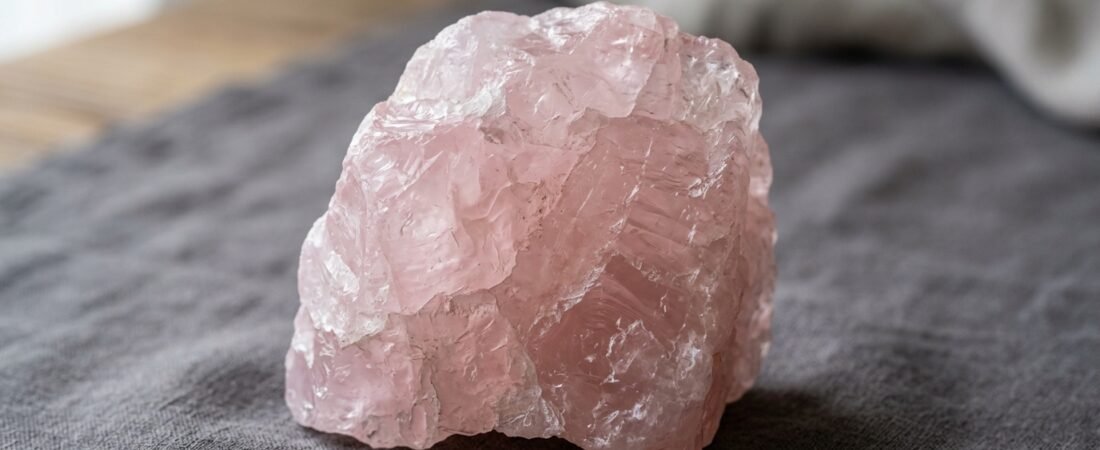
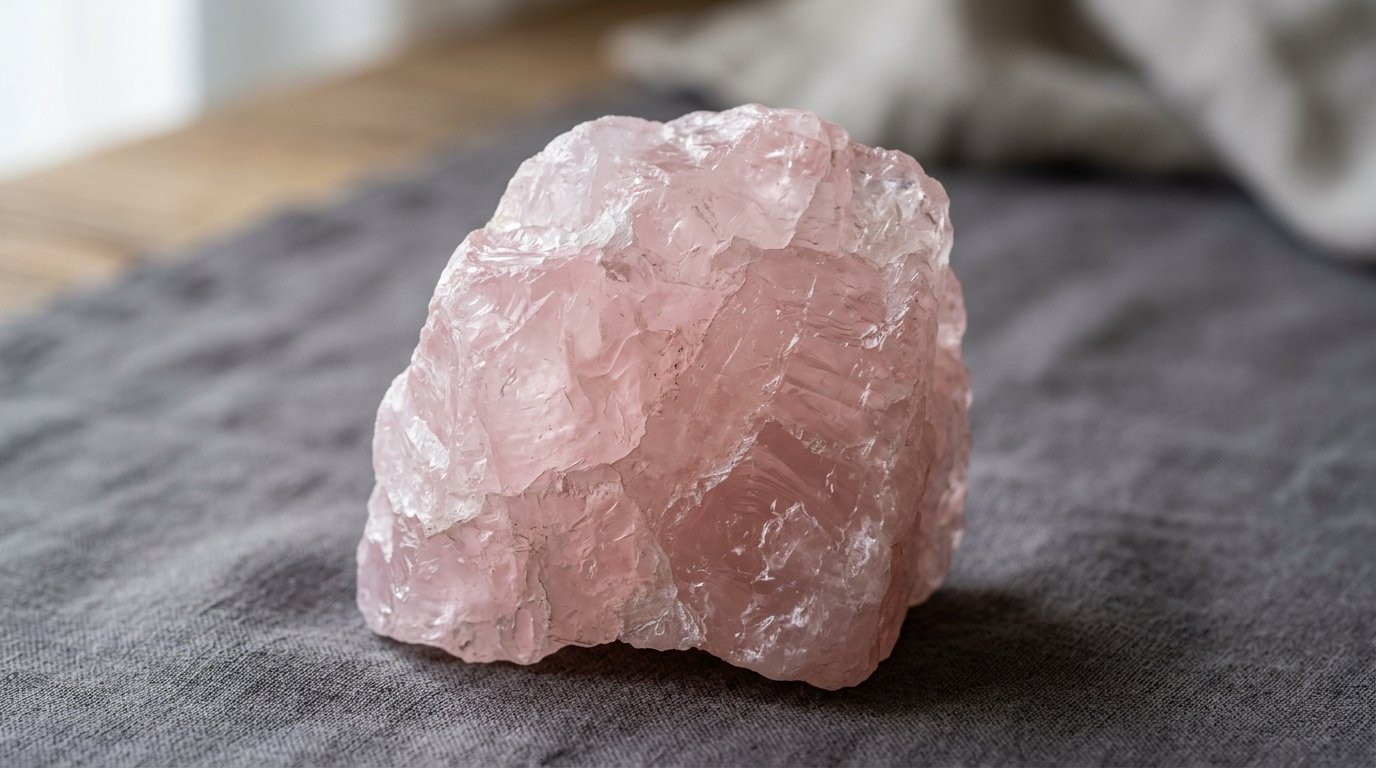
Few stones have captured the human imagination quite like rose quartz. Its delicate blush hue, ranging from the palest whisper of pink to a deeper, dusty rose, has made it one of the most recognizable and beloved crystals in the world. But beyond its visual appeal lies a rich history, a complex geological story, and a set of properties that have made it central to healing practices, spiritual traditions, and fine jewelry for thousands of years.
Whether you are drawn to it for its aesthetic beauty, its reputation as a stone of love and compassion, or simply out of curiosity, this guide covers everything you need to know — from how rose quartz forms deep within the earth to how you can incorporate it meaningfully into your everyday life.
What Is Rose Quartz and Where Does It Come From?
Rose quartz is a variety of the mineral quartz, distinguished by its characteristic pink coloration. It belongs to the trigonal crystal system and shares the same silicon dioxide composition as clear quartz, amethyst, and citrine. What sets it apart is its color — a quality that has long made it a subject of fascination for both scientists and spiritual seekers alike.
The Geological Origins and Formation of Rose Quartz
Rose quartz forms primarily in pegmatites, which are igneous rocks characterized by exceptionally large crystal structures. These geological formations develop during the final stages of magma crystallization, when residual fluids rich in minerals cool slowly enough to allow substantial crystal growth. The specific conditions required for rose quartz are quite particular, which partly explains why fine specimens are relatively rare compared to other quartz varieties.
The pink coloration has been a subject of scientific debate for decades. The prevailing theory suggests it results from microscopic fibrous inclusions of a pink borosilicate mineral called dumortierite, rather than from trace elements within the crystal lattice itself. This is an important distinction because it means rose quartz typically occurs in massive form — large, opaque to translucent formations — rather than as the well-defined individual crystals seen with amethyst or smoky quartz. Specimens displaying a true crystalline habit with visible terminations are exceptionally rare and highly prized by collectors.
Some rose quartz also exhibits asterism, a phenomenon where light reflects off internal fibrous inclusions to create a six-rayed star on the polished surface. These “star rose quartz” specimens are among the most coveted in the gemstone world.
Major Mining Locations and Sources Around the World
Brazil is by far the world’s most prolific producer of rose quartz, with the state of Minas Gerais yielding enormous quantities of high-quality material. The deposits found there supply a significant portion of the global market, from raw rough stones to finished carvings and cabochons.
Madagascar is another critically important source, particularly for the rare crystalline variety. The rose quartz found on this island nation often displays exceptional clarity and depth of color, making Madagascan specimens especially sought after among collectors and jewelers. South Africa, Mozambique, and Namibia also contribute notable quantities to the global supply.
In the United States, the Black Hills of South Dakota have a historical reputation as a source of rose quartz, with material from this region having been mined since the late 19th century. Smaller deposits also exist in states like Maine and California. India produces both raw material and a wide range of finished goods, given its long-standing tradition of gemstone carving and polishing.
Rose Quartz Healing Properties and Metaphysical Benefits
The metaphysical tradition surrounding rose quartz is as layered as its geological story. Across cultures and throughout history, this stone has been associated with love, healing, and the heart. Ancient Egyptians used it in facial masks, believing it could prevent aging and preserve beauty. Roman mythology connected it to the goddess Venus. In Chinese tradition, it has long been carved into ornamental objects symbolizing good fortune and harmonious relationships.
Today, it remains one of the most widely used crystals in both alternative healing practices and mainstream wellness culture.
Emotional and Spiritual Healing Powers of Rose Quartz
Within the framework of crystal healing, rose quartz is most commonly associated with the heart chakra — the energy center believed to govern love, empathy, compassion, and emotional balance. Practitioners work with this stone to open and activate this chakra, with the intention of releasing emotional blockages, healing past wounds, and cultivating a greater capacity for both giving and receiving love.
The rose quartz meaning, at its core, is unconditional love. This encompasses romantic love, but extends well beyond it. Self-love, familial bonds, friendship, and compassion for others are all said to fall within its energetic domain. For those working through grief, heartbreak, or patterns of self-criticism, it is often recommended as a gentle, nurturing companion.
From a spiritual perspective, the stone is thought to raise the vibration of the environment in which it is placed, making it a popular choice for the home and workspace. It is frequently used in rituals intended to attract love or strengthen existing relationships — placed beneath pillows, set on altars, or carried as a touchstone throughout the day. Its energy is generally described as soft, warm, and reassuring rather than intense or energizing, which makes it particularly suitable for sensitive individuals or those in the early stages of emotional healing.
Beyond romantic and interpersonal dimensions, rose quartz is also valued for its role in spiritual growth. It encourages forgiveness — not only of others but of oneself — and is thought to dissolve old resentments, fears, and emotional defenses that prevent genuine connection. In this sense, its benefits extend into areas of personal development and inner peace.
Physical Healing Benefits Associated With Rose Quartz
It is important to approach the physical healing associations of any crystal with appropriate discernment. Crystal healing is a complementary practice and should never replace professional medical advice or treatment. That said, within the tradition of holistic wellness, rose quartz is associated with several physical benefits.
The stone is most commonly linked to the circulatory system and the heart. Crystal healers often place it over the chest during sessions intended to support cardiovascular health and improve circulation. It is also associated with skin health, which explains its enduring popularity in beauty rituals — rose quartz facial rollers and gua sha tools have become mainstream wellness accessories, praised for their cooling properties and their reported ability to reduce puffiness and improve lymphatic drainage.
Additionally, rose quartz benefits in a physical context include its reputed ability to support restful sleep. Placed near the bed or beneath the pillow, it is believed to have a calming effect on the nervous system, reducing anxiety and promoting a more peaceful night’s rest. Some practitioners also associate it with fertility and reproductive health, given its connection to love and nurturing energy.
How to Use Rose Quartz in Your Daily Life
The beauty of working with rose quartz lies in its versatility. It integrates naturally into a wide range of practices and environments, and its gentle energy makes it accessible even to those with no prior experience with crystals.
Rose Quartz Crystals for Meditation, Sleep, and Manifestation
Incorporating rose quartz into a meditation practice is one of the most direct ways to work with its properties. Holding a smooth tumbled stone or a palm stone in the hands during meditation creates a tactile point of focus that can deepen concentration. Some practitioners place it directly on the chest, over the heart chakra, to facilitate emotional release or to set intentions related to love and compassion.
For those using rose quartz for sleep, placing one or more pieces on the nightstand or tucking a small tumbled stone beneath the pillow is a common approach. The intention is to create a calming, heart-centered energy in the sleeping environment that encourages deep rest and meaningful dreams. If anxiety or emotional turbulence disrupts your sleep, this practice may be worth exploring as a gentle, non-invasive complement to other sleep hygiene strategies.
When it comes to manifestation, rose quartz is frequently incorporated into intention-setting rituals. Writing down what you wish to call into your life — whether a relationship, a deeper sense of self-worth, or a more loving atmosphere in your home — and placing the written intention beneath a rose quartz cluster or point is a widely practiced technique. The crystal is thought to amplify and hold the energy of the intention, serving as a continuous reminder and energetic anchor.
Feng shui practitioners recommend placing rose quartz in the southwest corner of the home or bedroom, which corresponds to the area of love and relationships. A pink or red-hued crystal in this zone is thought to attract and sustain romantic energy.
How to Cleanse and Charge Your Rose Quartz Stone
Like all crystals used in healing or spiritual practice, rose quartz benefits from regular cleansing to clear any accumulated energy and restore its natural vitality. There are several effective methods, each suited to different preferences and circumstances.
Running water is among the simplest cleansing methods — holding your stone under cool running water for a minute or two while setting a clear intention to release any stagnant energy. Natural water sources such as streams are ideal, though tap water is perfectly acceptable. Rose quartz is relatively durable, with a Mohs hardness of 7, so water cleansing is safe for this stone.
Moonlight is another highly regarded cleansing and charging method, particularly effective during the full moon. Placing your rose quartz on a windowsill or outdoors overnight allows it to bathe in lunar energy, which many practitioners believe is especially aligned with the stone’s feminine, heart-centered qualities. Sunlight can also be used, though extended exposure may cause some fading of the pink color, so brief morning light is preferable to prolonged direct sun.
Sound cleansing — using a singing bowl, tuning fork, or bell — is an excellent option when you want to cleanse multiple stones simultaneously. The vibrations produced by these instruments are thought to dislodge stagnant energy without any physical contact. Selenite is another popular cleansing tool; placing rose quartz on or beside a selenite charging plate overnight is believed to restore its energy without risk of damage.
Smudging with sage, palo santo, or other aromatic herbs passes the stone through cleansing smoke, a practice rooted in indigenous traditions and widely adopted in modern crystal work. Burying rose quartz briefly in dry earth or a bowl of sea salt is also an option, though the latter should be done with care to avoid potential surface damage over time.
Rose Quartz Jewelry and How to Identify Real vs. Fake Stones
Rose quartz has been fashioned into jewelry for millennia, and its popularity in contemporary design shows no signs of waning. Its soft, romantic color makes it extraordinarily versatile, complementing both casual and formal styles with equal ease.
Popular Rose Quartz Jewelry Styles and How to Wear Them
Rose quartz jewelry encompasses an impressive range of forms. Cabochon-cut stones — smooth, rounded, and polished without facets — are among the most traditional and are frequently set into rings, pendants, and brooches. The stone’s translucency is showcased beautifully in this cut, allowing light to pass through and illuminate its inner warmth.
Faceted rose quartz, though less common due to the stone’s typical opacity, produces a spectacular effect when the material is sufficiently clear. Rings featuring large faceted rose quartz stones have become particularly fashionable in recent years, often set in rose gold to create a harmonious tonal palette. Earrings, from simple studs to elaborate drop designs, are another highly popular choice.
Rose quartz beaded bracelets and necklaces are perhaps the most widely accessible form of rose quartz jewelry, offered at a broad range of price points. They carry both aesthetic and symbolic appeal, making them popular gifts for birthdays, anniversaries, and occasions of emotional significance. Wearing rose quartz jewelry close to the heart — as a long pendant necklace, for instance — is thought by many to enhance its energetic influence throughout the day.
In terms of care, rose quartz jewelry should be stored away from harder gemstones that might scratch its surface. It responds well to gentle cleaning with mild soap and warm water, applied with a soft cloth or brush. Ultrasonic cleaners are generally safe for unfractured specimens, but should be avoided for stones with visible inclusions or cracks.
How to Tell if Rose Quartz Is Real or a Fake Crystal
As demand for rose quartz has grown, so too has the market for imitations. Learning to distinguish real rose quartz from synthetic or fraudulent alternatives is an important skill for anyone purchasing this stone.
The most common imitation is dyed glass or synthetic pink glass. One of the most reliable tests involves temperature: genuine rose quartz, like all natural quartz, remains noticeably cool to the touch even after being held for some time. Glass warms more quickly in the hand. If a stone reaches body temperature rapidly, that is a red flag.
Visual examination is equally informative. Real rose quartz will typically contain natural inclusions — subtle variations in color, minor cloudiness, fine internal fractures, or microscopic fibrous structures. A stone that appears perfectly uniform in color and completely flawless throughout is more likely to be glass or synthetic material. Hold the stone up to a strong light source and look for these natural characteristics.
Hardness testing, while somewhat impractical for finished jewelry, is a definitive method. Genuine quartz has a Mohs hardness of 7, meaning it will not be scratched by a steel knife (hardness approximately 5.5) but will scratch glass. If you are purchasing rough or unset stones and want certainty, this test can be conclusive.
Price is another practical indicator. Exceptionally cheap rose quartz sold in large quantities — particularly perfectly spherical balls or flawlessly uniform pieces — warrants scrutiny. Genuine material of high quality has a fair market value, and prices that seem too good to be true often are.
Purchasing from reputable dealers who provide information about the stone’s origin and can answer questions about sourcing is the most reliable safeguard. Established crystal shops, gemological laboratories, and certified gemologists can provide authoritative assessments when authenticity is in question.
Conclusion
Rose quartz occupies a unique position at the intersection of geology, history, spirituality, and contemporary wellness. Its gentle pink color is not merely decorative — it carries centuries of symbolic weight and a tradition of healing that spans cultures and continents. Whether you are drawn to it as a healing tool, a meditation aid, a piece of jewelry, or simply a beautiful object to keep in your home, understanding its origins and properties allows you to engage with it more intentionally and meaningfully.
As with any holistic practice, the value of working with rose quartz is deeply personal. Its effects are subtle, cumulative, and often most apparent when approached with patience and an open mind. What remains consistent across all of its applications is the quality it has always represented: the transformative, sustaining power of love in its most expansive form.
Discover More from Didier Lancelot
Amazon Author page: amazon.com/author/didierlancelot
Narmer Store: narmerstore.org
AI and Technology Ebooks
- Creative AI: Animated Drawings, Manga & Illustrations
- Build a Game with AI: The No-Code Guide
- AI Image Generation Made Easy
- Build a Website with AI: The No-Code Guide
- How to Connect AI to Your Blog: The Ultimate Automation Guide
- AI Productivity Habits: Get More Done in Less Time
- AI Avatars Made Easy
- The Book of AI Prompts: 100+ Proven Prompts
- Make Music with AI: Suno, Udio and AI Music Generators
- Click to Cash
- The Automated Edge: Outwork, Outpace, and Outperform with AI
- AI Side Hustle: How to Make Money with ChatGPT and AI Tools
- Work Smarter with AI
Health, Lifestyle and Home Ebooks
- Hidden Superfoods: The World’s Most Powerful Healing Foods
- Spanish Food: The Complete Cookbook for Authentic Home Cooking
- The Science of Happiness Explained
- The Psychology of Success
- The Secret Sauce of Consistency: What the Experts Don’t Tell You About Fitness
- The Complete Home Bartender’s Guide: Link 1 | Link 2
- Natural Beauty, Made Simple: Easy DIY Organic Skincare Recipes
- Garden Made Simple: Easy, Beginner-Friendly Techniques
- The Dog Training Bible