
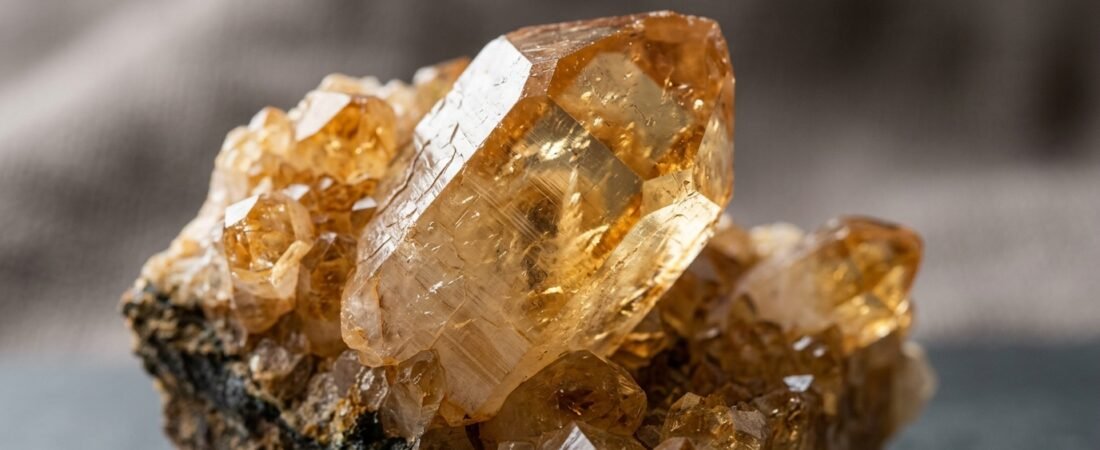
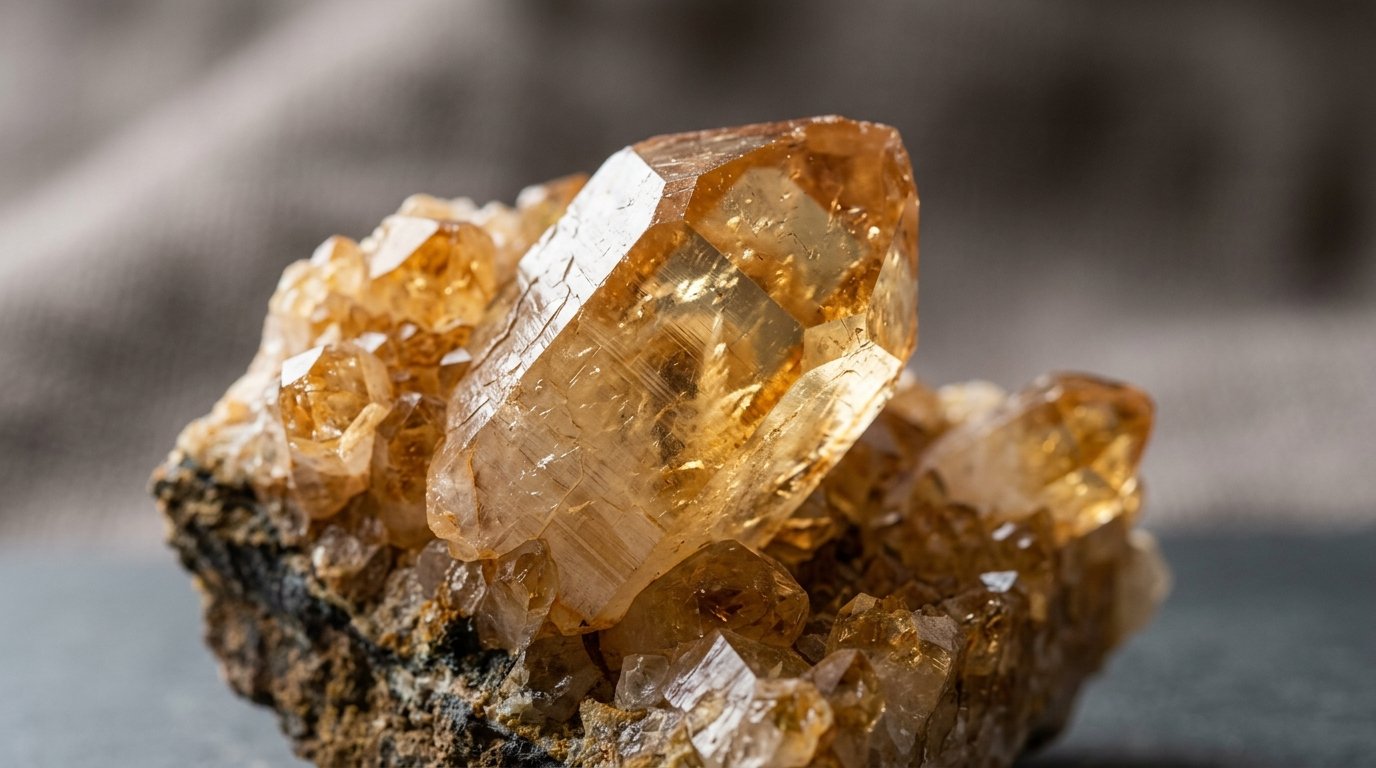
Few crystals carry the warmth and luminosity of citrine. With its golden hues ranging from pale lemon to deep amber, this stone has captivated collectors, healers, and jewelers alike for centuries. Beyond its visual appeal, citrine holds a distinguished place in the world of crystal healing, long associated with abundance, clarity, and solar energy. Whether you are drawn to it for its aesthetic qualities or its reputed metaphysical properties, understanding citrine in depth allows you to work with it more intentionally and effectively.
What Is Citrine and Where Does It Come From?
The Geological Origins of Citrine
Citrine is a variety of quartz, one of the most abundant mineral families on Earth. Its characteristic yellow to orange coloration comes from trace amounts of iron within the silicon dioxide structure. The intensity of the color depends on both the concentration of iron and the conditions under which the crystal formed, including temperature, pressure, and the mineral-rich environment of its host rock.
Naturally occurring citrine is relatively rare compared to other quartz varieties. It forms primarily in igneous and metamorphic rocks, as well as in hydrothermal veins where superheated, mineral-laden water deposits crystalline structures over thousands of years. Brazil remains the world’s leading producer, particularly the state of Rio Grande do Sul, though significant deposits are also found in Bolivia, Madagascar, Spain, and parts of Russia. The Bolivian variety, often marketed under the trade name “Ametrine” when it occurs alongside amethyst, is particularly prized for its unique dual coloration.
On the Mohs hardness scale, citrine registers at a 7, making it a durable and practical stone suitable for both display and everyday wear. Its trigonal crystal system gives it a hexagonal prismatic form with pointed terminations, a shape that many crystal practitioners believe amplifies its energetic output.
Natural vs. Heat-Treated Citrine: What’s the Difference?
The distinction between natural and heat-treated citrine is one of the most important considerations for anyone purchasing this stone. Because naturally occurring citrine is relatively scarce, the vast majority of citrine sold on the market today is actually amethyst or smoky quartz that has been artificially heated to transform its color. This process, while entirely legal and widely practiced, can significantly affect the stone’s value and, according to many crystal practitioners, its energetic quality.
Natural citrine tends to display softer, more translucent yellow tones, often with a pale or whitish base. Heat-treated versions, by contrast, typically exhibit deeper orange and reddish-brown hues with a more opaque or cloudy appearance, particularly at the base of the crystal. The color in heat-treated specimens often appears more concentrated and uneven, saturating the tips while fading toward the root.
From a mineralogical standpoint, heat treatment permanently alters the oxidation state of the iron ions within the crystal lattice, producing the warmer orange tones that consumers often associate with citrine. While some buyers prefer the vivid aesthetics of heated stones, purists and experienced crystal collectors generally seek out natural specimens for both their rarity and their perceived energetic authenticity. When purchasing citrine, always request provenance information from reputable vendors and inspect the color gradient carefully.
Citrine Meaning and Healing Properties
Emotional and Spiritual Benefits of Citrine
Citrine has long been called the “Merchant’s Stone” or the “Stone of Success,” a reputation rooted in its enduring association with prosperity, confidence, and creative power. In metaphysical traditions, it is considered one of the few crystals that does not accumulate negative energy, instead transmuting and dispersing it. This quality makes citrine particularly valued in spiritual practice, where it is regarded as an energizing and purifying force.
On an emotional level, the citrine crystal meaning centers on optimism and mental clarity. It is thought to dissolve feelings of self-doubt, fear, and emotional stagnation, replacing them with a renewed sense of purpose and motivation. For those navigating periods of creative block or personal uncertainty, working with citrine is believed to stimulate the imagination and encourage decisive thinking.
Spiritually, citrine is closely associated with the solar plexus chakra, the energy center located in the upper abdomen that governs personal power, willpower, and self-esteem. By activating and balancing this chakra, citrine is said to strengthen one’s sense of identity and support the alignment of intention with action. Some traditions also connect it to the sacral chakra, linking it to creative expression and emotional fluidity.
The stone’s solar energy is frequently described as uplifting and expansive. Many practitioners use it during meditation to cultivate an internal atmosphere of abundance and possibility, shifting perspective away from scarcity and toward gratitude. Its warm, radiant frequency is thought to harmonize well with manifestation practices, making it a staple in intentional ritual work.
Physical Healing Properties Associated with Citrine
While citrine’s physical healing properties should never be considered a substitute for professional medical care, many holistic practitioners attribute a range of supportive benefits to the stone. These claims are rooted in traditional healing systems and anecdotal accounts rather than clinical evidence, and they are best approached as complementary rather than curative.
Citrine is commonly associated with the digestive system, believed by some to support the health of the stomach, spleen, and pancreas. Given its alignment with the solar plexus region, this connection is considered symbolically and energetically consistent. It is also said to promote vitality and combat fatigue, offering a gentle energetic boost to those experiencing depletion or low motivation.
Some crystal healing traditions link citrine to endocrine system support, suggesting that its energy may help regulate hormonal balance and promote metabolic function. It has also been used in energy work to address issues related to the thyroid and to encourage greater physical resilience. Additionally, its purported ability to encourage a positive emotional state is considered to have downstream effects on physical well-being, reflecting the widely accepted connection between mental outlook and overall health.
How to Use Citrine for Manifestation and Daily Life
Citrine in Feng Shui and the Home
In traditional feng shui, citrine is regarded as one of the most powerful stones for attracting wealth and positive energy into the home. Its placement within a space is deliberate and purposeful, guided by the bagua map, which divides a home or room into zones corresponding to different life areas.
The wealth corner, known in feng shui as the Xun position, is located in the far left corner of a space when viewed from the entrance. Placing a citrine cluster, geode, or tumbled stone in this area is a common practice intended to activate the flow of abundance and financial opportunity. Many feng shui practitioners also recommend placing citrine in the home office or near a cash register in a business setting for similar reasons.
Beyond wealth activation, citrine is used throughout the home to maintain an atmosphere of positivity and clarity. Placing it in common areas such as the living room or kitchen is thought to uplift the energetic quality of shared spaces, encouraging harmonious interactions and a general sense of well-being. Its bright energy is particularly well-suited to rooms that receive natural sunlight, as the interplay of light through the crystal enhances both its visual beauty and its perceived energetic radiance.
As a stone that is said to repel negative energy rather than absorb it, citrine requires less frequent energetic maintenance than many other crystals, making it a practical and low-maintenance choice for home placement.
Wearing Citrine Jewelry for Abundance and Positivity
Wearing citrine in jewelry form is one of the most effective ways to maintain continuous contact with the stone’s energy throughout the day. When worn close to the body, citrine is believed to create a sustained energetic field that supports confidence, creativity, and emotional equilibrium.
Rings and bracelets allow citrine to remain in contact with the skin, which many crystal practitioners consider optimal for energy transmission. Necklaces and pendants, particularly those that rest near the solar plexus or heart center, are also popular choices. The specific placement can be tailored to the wearer’s intention — a pendant resting near the stomach reinforces solar plexus activation, while a bracelet on the receiving hand (typically the left) is said to draw abundance inward.
For those interested in citrine manifestation practices, wearing the stone while setting intentions or during affirmation work is thought to amplify the energetic signal of those intentions. The act of consciously engaging with the stone — holding it, visualizing goals, or simply acknowledging its presence — is considered a meaningful part of the practice.
From a purely aesthetic standpoint, citrine’s warm golden tones pair beautifully with both yellow and rose gold settings, making it a versatile and elegant choice for everyday jewelry. Its durability also ensures that pieces can withstand regular wear without significant risk of scratching or damage.
How to Cleanse, Charge, and Care for Your Citrine Crystal
Best Methods to Cleanse and Recharge Citrine
Although citrine is widely regarded as a self-cleansing stone, periodic intentional cleansing is still recommended, particularly after periods of intense use or emotional turbulence. Understanding how to cleanse citrine properly ensures that the stone continues to function at its highest energetic potential.
Sunlight is among the most appropriate and symbolically resonant methods for cleansing citrine, given the stone’s inherent solar associations. Placing citrine in direct sunlight for one to two hours allows the light to purify and recharge the crystal’s energy. However, extended exposure to intense sunlight should be avoided, as prolonged UV radiation can gradually fade the stone’s color, particularly in heat-treated specimens that may be more susceptible to discoloration.
Moonlight offers a gentler alternative for those concerned about color fading. Placing citrine on a windowsill or outdoors during a full moon overnight is considered an effective and safe cleansing method. Sound cleansing using singing bowls, tuning forks, or bells is another excellent option, as the vibrational frequencies produced are thought to dislodge stagnant energy without any risk to the stone’s physical integrity.
Smudging with sage, palo santo, or other cleansing herbs is also widely used. Passing citrine through the smoke for thirty seconds to a minute while holding a clear intention of purification is considered sufficient. For those who prefer a more tactile approach, briefly running citrine under cool, clean water and then drying it thoroughly can serve as both a physical and energetic cleansing. Avoid prolonged water exposure, however, particularly with raw or porous specimens.
How to Store and Maintain Citrine’s Natural Energy
Proper storage is essential to preserving both the physical condition and the energetic quality of your citrine. Although the stone is relatively hard and resistant to everyday wear, it can still be scratched by harder materials such as diamonds or corundum, and it can chip if subjected to sharp impacts.
Store citrine separately from other crystals and gemstones, ideally wrapped in a soft cloth or placed in a padded pouch or box. This prevents surface contact that could lead to scratching and also helps maintain the stone’s distinct energetic signature, free from interference with surrounding crystals. Some practitioners prefer to store their stones on a dedicated altar or display surface where they remain energetically active and visually honored.
Avoid storing citrine in direct sunlight for extended periods, as previously noted. Similarly, keep the stone away from extreme heat sources and harsh chemical cleaners, which can damage both its surface and its structural integrity. Gentle cleaning with a soft cloth or a mild soap solution followed by thorough drying is all that is required to maintain its natural luster.
Periodically revisiting your intention with the stone — through meditation, affirmation, or simply holding it with awareness — is considered a meaningful part of ongoing crystal care. Stones that are worked with regularly and treated with conscious respect are believed by many practitioners to retain a more vibrant and responsive energy over time.
Conclusion
Citrine is a stone of remarkable depth — geologically fascinating, visually striking, and rich with symbolic and energetic significance. From its origins deep within the Earth’s crust to its role in modern crystal healing and feng shui practice, it occupies a distinctive and well-earned place in the world of gemstones. Whether you are drawn to it for its golden beauty, its associations with abundance and clarity, or its practical durability, citrine rewards thoughtful engagement. By understanding its origins, respecting the distinction between natural and treated specimens, and incorporating it meaningfully into daily life, you allow this luminous crystal to offer its fullest potential.
Discover More from Didier Lancelot
Amazon Author page: amazon.com/author/didierlancelot
Narmer Store: narmerstore.org
AI and Technology Ebooks
- Creative AI: Animated Drawings, Manga & Illustrations
- Build a Game with AI: The No-Code Guide
- AI Image Generation Made Easy
- Build a Website with AI: The No-Code Guide
- How to Connect AI to Your Blog: The Ultimate Automation Guide
- AI Productivity Habits: Get More Done in Less Time
- AI Avatars Made Easy
- The Book of AI Prompts: 100+ Proven Prompts
- Make Music with AI: Suno, Udio and AI Music Generators
- Click to Cash
- The Automated Edge: Outwork, Outpace, and Outperform with AI
- AI Side Hustle: How to Make Money with ChatGPT and AI Tools
- Work Smarter with AI
Health, Lifestyle and Home Ebooks
- Hidden Superfoods: The World’s Most Powerful Healing Foods
- Spanish Food: The Complete Cookbook for Authentic Home Cooking
- The Science of Happiness Explained
- The Psychology of Success
- The Secret Sauce of Consistency: What the Experts Don’t Tell You About Fitness
- The Complete Home Bartender’s Guide: Link 1 | Link 2
- Natural Beauty, Made Simple: Easy DIY Organic Skincare Recipes
- Garden Made Simple: Easy, Beginner-Friendly Techniques
- The Dog Training Bible