
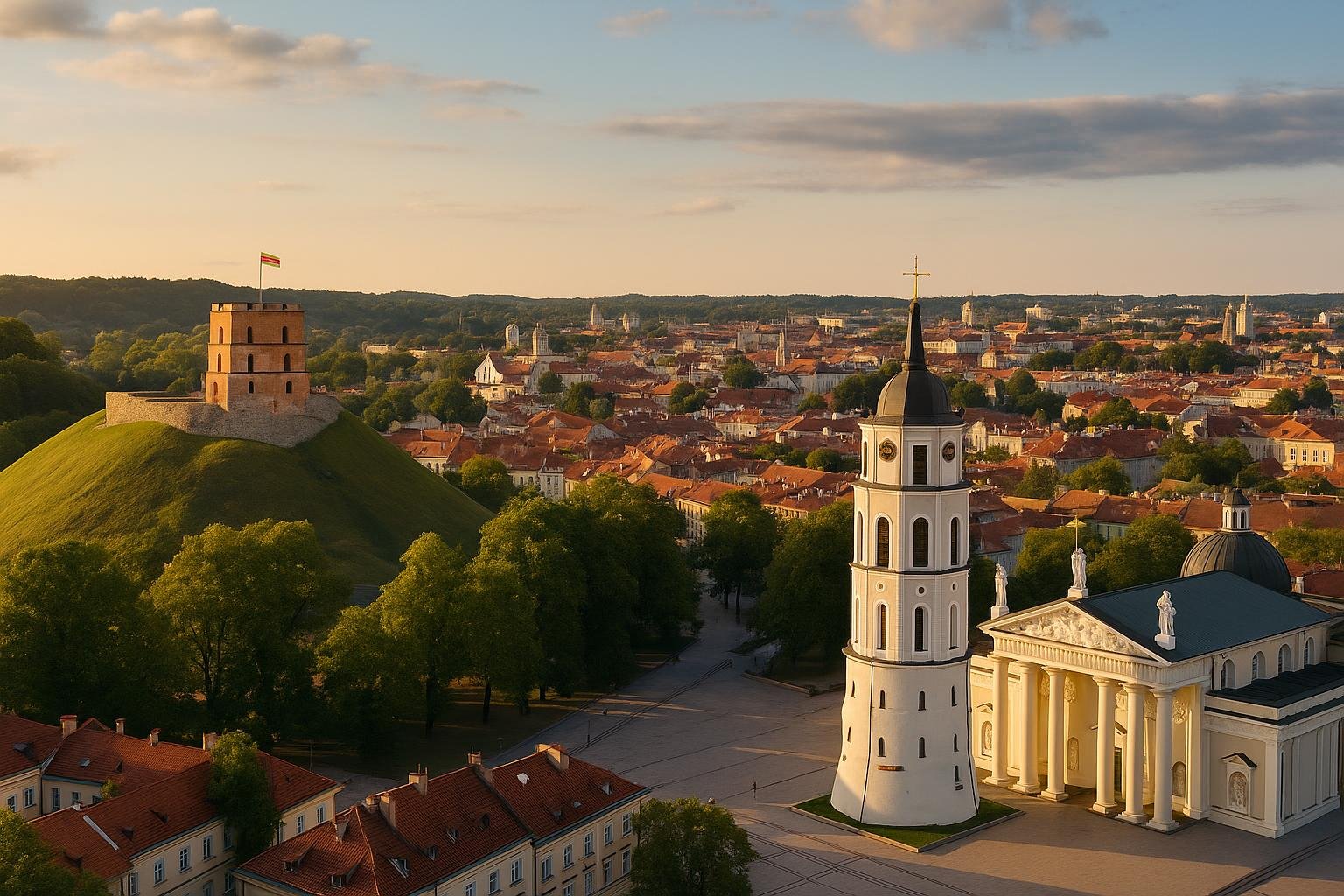
Vilnius, Lithuania’s capital, is one of Europe’s most engaging small cities: a place where baroque church spires rise above cobbled lanes, street art covers former industrial zones, and centuries of history coexist with an inventive contemporary scene. Compact yet layered, the city rewards unhurried exploration, inviting visitors to wander between UNESCO-listed Old Town courtyards, leafy riverbanks, and independent cafés buzzing with local life.
Whether you are planning a long weekend or a deeper journey through the Baltics, this guide will help you decide when to visit, where to stay, what to see, and how to experience Vilnius like a well-prepared insider.
Best Time to Visit Vilnius
Weather Overview
Vilnius has a distinctly seasonal climate, with noticeable contrasts between winter and summer. Winters (December to February) are cold and often snowy, with average temperatures hovering around -2°C to -6°C, shorter daylight hours, and a serene, sometimes austere atmosphere. It is a beautiful time for snow-dusted rooftops and Christmas markets, but requires proper winter clothing.
Spring (March to May) can be unpredictable. March is still chilly and often grey, but by late April the city begins to warm, trees leaf out along the Neris River, and outdoor terraces slowly reopen. Average temperatures range from 5–15°C.
Summer (June to August) is the most popular season. Days are long and often sunny, with temperatures commonly between 18–26°C. This is when Vilnius truly lives outdoors: parks fill with picnickers, festival stages appear in squares, and cafés spill across pavements. Occasional rain showers are common but usually brief.
Autumn (September to November) brings crisp air and striking foliage. September is pleasantly mild and less crowded than summer, making it an excellent time for sightseeing. By late October and November, temperatures fall towards 5°C and days become noticeably shorter, but the city gains a quiet, introspective charm.
Seasonal Events and Festivals
Vilnius has a busy cultural calendar, particularly from spring through early autumn. Planning around major events can significantly enrich your trip.
- Kaziukas Fair (Kaziuko mugė) – early March: One of the oldest traditional fairs in Lithuania, this three-day event fills Old Town streets with folk crafts, regional delicacies, and live music. It offers a vivid introduction to local traditions, though it can be crowded.
- Street Music Day – May: On a designated Saturday in May, professional and amateur musicians perform across the city: in courtyards, squares, and street corners. The entire centre becomes an open-air stage.
- Vilnius Festival – June: A major classical music and performing arts festival drawing international orchestras, soloists, and ensembles. Concerts take place in concert halls and historic venues.
- Cultural Night (Kultūros naktis) – June or July: A one-night celebration during which museums, galleries, and institutions stay open late, with installations, performances, and light shows scattered around the city.
- St. John’s Day (Joninės) – late June: Midsummer traditions—bonfires, music, and folk rituals—animate city parks and riverbanks.
- Vilnius City Fiesta – early September: A multi-day city celebration with parades, concerts, art events, and fireworks, signalling the transition from summer to autumn.
- Christmas Markets – December: Cathedral Square and Town Hall Square host festive markets with seasonal food, mulled wine, artisan gifts, and elaborate light displays.
For comfortable weather and a wide choice of events, late May to mid-September is generally the best time to visit. For a quieter, more atmospheric trip, consider late September or early December.
Top Attractions in Vilnius
Must-See Landmarks
Vilnius’ compact centre brings together Gothic, Renaissance, baroque, and neoclassical architecture, much of it concentrated in the UNESCO-listed Old Town. Several landmarks form the backbone of most itineraries.
- Vilnius Cathedral and Cathedral Square: This neoclassical landmark, with its iconic bell tower, stands at the edge of Old Town. Inside, the cathedral houses important chapels and royal tombs. The square outside is a central meeting point and frequent venue for public events.
- Gediminas’ Tower: The remaining tower of the medieval Upper Castle sits atop Gediminas Hill, accessible by a short hike or funicular. From the top, you gain one of the finest panoramic views over Old Town’s red roofs and the modern business district beyond.
- Vilnius University and its courtyards: Founded in 1579, Vilnius University is among the oldest in Eastern Europe. Its ensemble of courtyards and the ornate St. John’s Church provide a serene, scholarly atmosphere. The church’s bell tower offers another exceptional viewpoint.
- Gate of Dawn (Aušros Vartai): The only surviving gate of the city’s original fortifications, it houses a revered chapel and icon of the Virgin Mary. Pilgrims and visitors alike are drawn to its religious and historical significance.
- Town Hall Square (Rotušės aikštė): Surrounded by pastel façades, cafés, and galleries, this square is a natural place to pause. It hosts markets, cultural events, and seasonal celebrations throughout the year.
- St. Anne’s Church: A masterpiece of late Gothic architecture, constructed from intricate red bricks. Napoleon is said to have admired it so much he wished to carry it back to Paris. The church’s elaborate façade and intimate interior justify its reputation.
- Bernardine Church and Bernardine Garden: Adjacent to St. Anne’s, this church and the nearby park create a tranquil corner of the city by the Vilnia River. In good weather, the garden is ideal for a short rest or a leisurely stroll.
Hidden Gems Off the Beaten Path
Beyond the headline attractions, Vilnius reveals its character in smaller spaces and lesser-known districts. Allocating time for these areas will deepen your sense of the city.
- Užupis Republic: Across the Vilnia River lies Užupis, a self-declared “republic” known for its bohemian spirit. Its “constitution” is displayed on a wall in multiple languages and humorously outlines the rights of residents and visitors. Explore small galleries, quirky sculptures, and quiet side streets that retain a village-like feel.
- Literatų Street: A short but evocative alley lined with artistic plaques dedicated to writers connected to Lithuania. Each piece is different, forming an open-air literary gallery that encourages slow wandering.
- Marshrutka courtyard cafés and backstreet bars: In Old Town and the neighbouring district of Naujamiestis, courtyards hide intimate cafés, wine bars, and creative studios. Poke your head through archways; many seemingly closed gates lead to inviting communal spaces.
- MO Museum and surroundings: This contemporary art museum stands near Gedimino Avenue in a modern building designed by Daniel Libeskind. The exhibitions focus on Lithuanian and regional art from the 20th century onwards, while the area around it showcases new architecture, design shops, and stylish cafés.
- Paneriai Memorial (Paneriai / Ponary): Located a short train or bus ride from the centre, this forest site commemorates mass executions during World War II. The open-air memorials and small museum are stark and moving, offering essential context for understanding Vilnius’ 20th-century history.
- Belmontas and Pavilniai Regional Park: East of the city centre, this green area offers walking trails, river views, and a restored mill complex housing a restaurant. It is a refreshing escape if you want a taste of Lithuanian nature without venturing far.
Where to Stay in Vilnius
Recommended Neighborhoods
Choosing the right area to stay in Vilnius largely depends on your priorities—proximity to historic sights, nightlife, or a quieter local experience.
- Old Town (Senamiestis): Ideal for first-time visitors who want to walk everywhere. You will be surrounded by churches, museums, and restaurants. Streets can be lively in the evenings, especially near popular bars and squares.
- Užupis: Perfect for travellers seeking a creative, slightly alternative atmosphere within easy reach of Old Town. Expect small guesthouses, apartments, and riverside paths rather than large hotels.
- Naujamiestis (New Town): Just west of Old Town, this district offers a mix of 19th- and 20th-century buildings, shops, and a growing number of restaurants and bars. It feels more residential and often provides better value on accommodation.
- Šnipiškės and the business district: North of the Neris River, this area blends new high-rises with older wooden houses and offers efficient tram and bus connections. It suits business travellers and those looking for modern hotels and quieter evenings.
- Žvėrynas: A leafy, mostly residential neighbourhood west of the centre, known for wooden architecture and calm streets. It is a good choice for longer stays and travellers who prefer a peaceful base with park access.
Hotel and Accommodation Options
Vilnius’ accommodation scene ranges from boutique heritage hotels to stylish apartments and budget hostels. Booking in advance is recommended during major festivals and summer weekends.
- Historic and boutique hotels: In Old Town you will find carefully restored townhouses transformed into intimate hotels, often with vaulted cellars, inner courtyards, and individually designed rooms. These properties are ideal for travellers who appreciate character and proximity to main sights.
- Modern design hotels: Along Gedimino Avenue and in the business district stand contemporary hotels with clean lines, large windows, and full amenities. They typically provide excellent Wi-Fi, fitness facilities, and good connections to the airport and train station.
- Guesthouses and B&Bs: Smaller, family-run properties are scattered through Old Town, Užupis, and residential districts. They often offer more personal interaction with hosts and insights into local life.
- Apartment rentals: Short-term rental apartments are plentiful and suit families, longer stays, or anyone who prefers a kitchen and more space. Look for apartments within walking distance of the centre to minimise reliance on transport.
- Budget hostels: For budget-conscious travellers, Vilnius offers several well-run hostels, many with private rooms in addition to dormitories. Some are located in characterful older buildings and include communal kitchens and social areas.
Food and Dining in Vilnius
Traditional Lithuanian Dishes to Try
Lithuanian cuisine is hearty and rooted in agricultural traditions, with potatoes, rye, beets, and dairy playing leading roles. In Vilnius, classic dishes have been reinterpreted by contemporary chefs, so you can experience both rustic and refined versions.
- Cepelinai: Large potato dumplings typically filled with minced meat or cottage cheese and served with sour cream and fried bacon or onions. They are substantial, so consider sharing if you want to sample multiple dishes.
- Šaltibarščiai: A vivid pink cold beetroot soup, usually served with dill, cucumbers, eggs, and a side of hot potatoes. It is especially popular in summer and offers refreshing contrast to heavier fare.
- Kibinai: Originally associated with the Karaim community, these baked pastries are filled with meat, vegetables, or cheese. They make an excellent snack on the go or a light lunch.
- Bulviniai blynai: Crispy potato pancakes, often topped with sour cream or mushroom sauce. Variations appear on traditional and modern menus alike.
- Herring and rye bread: Marinated herring served with dark rye bread, onions, and sometimes boiled potatoes is a classic starter that pairs well with Lithuanian beer.
- Lithuanian desserts: Look for honey cakes, poppy seed rolls, and šakotis (a distinctive spit cake), often enjoyed with coffee or tea.
Best Restaurants and Cafés in Vilnius
Vilnius’ dining scene balances traditional taverns with forward-thinking restaurants and plentiful cafés. While specific openings change over time, certain areas and concepts are consistently rewarding.
- Traditional Lithuanian restaurants: In and around Old Town you will find numerous places focusing on local dishes—rustic interiors, wooden tables, and menus showcasing cepelinai, stews, and regional specialities. These venues are ideal for a first introduction to Lithuanian flavours.
- Modern Baltic and tasting menus: A growing number of chefs reinterpret local ingredients with contemporary techniques. Expect seasonal tasting menus, foraged herbs, and elegant plating, often at prices notably lower than in Western European capitals.
- International cuisine: Italian, Georgian, Japanese, and Middle Eastern restaurants are firmly established, particularly along Vilniaus, Totorių, and Vokiečių streets and near Gedimino Avenue. This variety is useful for longer stays when you want alternatives to traditional food.
- Cafés and coffee culture: Vilnius has a sophisticated café scene, fuelled in part by students and creative professionals. Specialty coffee shops roast their own beans, and many cafés double as co-working spaces or small art galleries. Užupis and Naujamiestis hide some of the most characterful spots.
- Bakeries and markets: Local bakeries offer rye breads, pastries, and cakes perfect for breakfast or a quick snack. The city markets, such as Halės Turgus, are excellent places to sample smoked meats, cheeses, pickles, and seasonal produce, and to observe everyday life.
- Bars and craft beer: Lithuania has a strong beer tradition, and Vilnius is home to craft beer bars and brewpubs where you can taste regional ales, stouts, and experimental brews. Wine bars focusing on European varieties have also multiplied in recent years.
Budgeting for Your Trip to Vilnius
Average Daily Costs
Vilnius remains relatively affordable compared to many Western European capitals. Actual expenses depend on your travel style, but approximate daily budgets (excluding flights) are as follows:
- Budget travellers: Around €40–€60 per day. Staying in hostels or basic guesthouses, eating at inexpensive cafés or markets, using public transport, and focusing on free or low-cost attractions.
- Mid-range travellers: Approximately €80–€140 per day. Accommodation in comfortable hotels or central apartments, meals at mid-range restaurants, and occasional guided tours or cultural events.
- Higher-end travellers: €180+ per day. Boutique or luxury hotels, frequent fine dining, private tours, and extensive use of taxis or ride-hailing services.
Typical price ranges include:
- Accommodation: Hostel beds from around €15–€25; mid-range hotel rooms from €60–€120; upscale hotels from €130 upwards, depending on location and season.
- Meals: A simple lunch at a café or market stall might cost €7–€12; a main course in a mid-range restaurant, €10–€18; a three-course dinner in a refined restaurant, €30–€50 per person excluding drinks.
- Transport: Single public transport tickets typically cost a few euros or less, with day passes offering savings. Taxis and ride-hailing services are generally modestly priced within the city centre.
- Attractions: Many churches and viewpoints are free or accept small donations. Museum tickets commonly range from €5–€12, with discounts for students and seniors.
Tips for Saving Money
With some planning, you can experience Vilnius comfortably on a modest budget.
- Travel off-peak: Visiting in late spring or autumn usually yields lower accommodation prices and flight deals compared with July and August.
- Use lunch specials: Many restaurants offer discounted lunch menus on weekdays. These “business lunches” can be excellent value, often including soup and a main dish.
- Cook occasionally: If your accommodation has a kitchen, buy fresh ingredients at markets or supermarkets and prepare simple meals. This is particularly useful for breakfasts and picnic-style dinners.
- Walk whenever possible: Vilnius’ centre is compact; walking between key attractions is feasible and enjoyable. This reduces transport costs and allows discoveries off the main routes.
- Seek free cultural events: Check local listings for free concerts, gallery openings, and outdoor performances, especially in summer. Many cultural institutions host occasional free-entry days.
- Use city cards and combined tickets: If available during your dates, tourist cards can bundle public transport and museum entries at a discount. Some museums also offer reduced-price combined tickets.
Getting Around Vilnius
Public Transportation Options
Vilnius benefits from a straightforward public transport system and manageable distances, making it easy to navigate even on a first visit.
- Buses and trolleybuses: The primary public transport network is formed by buses and trolleybuses that cover the city and its suburbs. Tickets can usually be purchased via mobile apps, kiosks, or sometimes from the driver. Validating your ticket upon boarding is essential.
- Airport connections: Vilnius International Airport lies only a short distance from the city centre. Public buses and trains connect the terminal with central stations and key stops; the journey takes roughly 15–20 minutes. Taxis and ride-hailing apps provide convenient alternatives, still at reasonable prices compared with many European capitals.
- Suburban trains: For day trips to destinations such as Trakai or Paneriai, suburban trains depart from Vilnius Railway Station. They are generally punctual and inexpensive.
- Taxis and ride-hailing: Official taxis and ride-hailing services operate throughout the city. They can be practical late at night or when travelling with luggage, but always verify the approximate fare before starting your journey.
Walking and Biking in the City
Walking is often the most rewarding way to experience Vilnius’ historic centre. Distances between major Old Town attractions are short, and many streets are pedestrianised or lightly trafficked.
- Pedestrian-friendly centre: From Cathedral Square, you can comfortably walk to the Gate of Dawn, Užupis, Vilnius University, and most museums. Comfortable footwear is advisable due to cobblestones and occasional hills.
- Biking and shared bicycles: Vilnius has been expanding its cycling infrastructure, with bike lanes along key arteries and riverside paths. During warmer months, bike-sharing schemes and rental shops allow visitors to explore beyond the centre, reaching green spaces and residential districts.
- Riverside and park routes: The paths along the Neris River and through Bernardine Garden and other parks are particularly pleasant for walking or cycling, offering quieter perspectives on the city.
Tips for Visiting Vilnius
Cultural Etiquette
Lithuanians tend to be reserved at first encounter but are generally helpful and hospitable. Observing a few basic points of etiquette will make interactions smoother.
- Greetings and formality: A simple “labas” (hello) or “laba diena” (good day) is appreciated when entering shops or cafés. In more formal settings, a handshake and eye contact are customary.
- Language: Lithuanian is the official language, but many younger residents speak English, and older generations may speak Russian or Polish. Learning a few phrases—such as “ačiū” (thank you) and “prašau” (please/you’re welcome)—is a meaningful gesture.
- Churches and religious sites: Modest dress and respectful behaviour are expected in churches. Speak softly, avoid flash photography where prohibited, and be especially considerate during services.
- Tipping: Tipping is customary but not excessive. In restaurants, leaving around 10% for good service is common. Rounding up the bill or leaving small change suffices in cafés and bars.
- Public behaviour: Lithuanians generally value personal space and quiet in public transport. Keeping conversations at a moderate volume and avoiding blocking sidewalks or doors is appreciated.
Safety and Health Considerations
Vilnius is widely regarded as a safe city for visitors, with relatively low violent crime rates. As in any urban destination, basic precautions apply.
- General safety: Petty theft can occur in busy areas, especially around transport hubs, markets, and crowded events. Keep valuables secure, avoid displaying large amounts of cash, and be mindful of your belongings in bars and cafés.
- Night-time: The city centre is usually safe in the evening, but stick to well-lit streets and use licensed taxis or ride-hailing services if returning late at night, particularly if you are unfamiliar with the area.
- Health and medical care: Pharmacies are common in the centre and shopping districts. For non-emergency medical issues, private clinics and public hospitals provide competent care. Carry travel insurance that covers medical treatment and possible evacuation.
- Weather preparedness: In winter, icy pavements and low temperatures require warm, layered clothing and shoes with good grip. In summer, sunscreen, a hat, and hydration are important during prolonged outdoor activities.
- Water and food safety: Tap water is generally safe to drink. Food hygiene standards in restaurants and markets are solid, and travellers rarely encounter serious issues when dining out.
Conclusion
Vilnius rewards curiosity. It is a city where you can spend the morning visiting centuries-old churches and university courtyards, the afternoon exploring contemporary galleries and riverside paths, and the evening sampling inventive Baltic cuisine in a relaxed, welcoming setting. Its manageable scale, layered history, and evolving creative scene make it both accessible and genuinely memorable.
By timing your visit to align with the seasons and festivals that appeal to you, choosing a neighbourhood that suits your style, and embracing local flavours and customs, you will gain far more than a checklist of sights—you will experience a Baltic capital in the midst of confident renewal. Whether you stay for a weekend or a week, Vilnius has a way of lingering in memory long after you depart.
Discover More from Didier Lancelot
Amazon Author page: amazon.com/author/didierlancelot
Narmer Store: narmerstore.org
AI and Technology Ebooks
- Creative AI: Animated Drawings, Manga & Illustrations
- Build a Game with AI: The No-Code Guide
- AI Image Generation Made Easy
- Build a Website with AI: The No-Code Guide
- How to Connect AI to Your Blog: The Ultimate Automation Guide
- AI Productivity Habits: Get More Done in Less Time
- AI Avatars Made Easy
- The Book of AI Prompts: 100+ Proven Prompts
- Make Music with AI: Suno, Udio and AI Music Generators
- Click to Cash
- The Automated Edge: Outwork, Outpace, and Outperform with AI
- AI Side Hustle: How to Make Money with ChatGPT and AI Tools
- Work Smarter with AI
Health, Lifestyle and Home Ebooks
- Hidden Superfoods: The World’s Most Powerful Healing Foods
- Spanish Food: The Complete Cookbook for Authentic Home Cooking
- The Science of Happiness Explained
- The Psychology of Success
- The Secret Sauce of Consistency: What the Experts Don’t Tell You About Fitness
- The Complete Home Bartender’s Guide: Link 1 | Link 2
- Natural Beauty, Made Simple: Easy DIY Organic Skincare Recipes
- Garden Made Simple: Easy, Beginner-Friendly Techniques
- The Dog Training Bible