
Master meditation techniques for better sleep and quiet your mind. Discover proven mindfulness practices and breathing exercises to end insomnia and wake up refreshed.
Restful sleep is not merely the absence of wakefulness; it is a biological repair cycle that depends on a calm nervous system, steady breathing, and a mind that can release the day’s mental noise. When stress, stimulation, or persistent rumination interfere, learning how to sleep better naturally becomes less about “trying harder” and more about creating the conditions in which sleep can arrive. This is where meditation for sleep proves especially practical. By settling the body and guiding attention away from worry, sleep-focused meditation can shorten the time it takes to drift off and improve the quality of rest over the course of weeks.
Understanding the Link Between Meditation and Better Sleep
How Meditation Affects the Brain and Nervous System
Sleep is governed by an intricate conversation between the brain and the autonomic nervous system. When the body remains in a heightened state of alert—often driven by stress hormones—sleep becomes lighter, more fragmented, and harder to initiate. Many sleep meditation techniques work by encouraging a shift from sympathetic activation (the “fight-or-flight” mode) toward parasympathetic dominance (the “rest-and-digest” mode). This transition is associated with slower heart rate, reduced muscle tension, and steadier breathing—physiological signals that support sleep onset.
Meditation also trains attention. Instead of being pulled repeatedly into anxious forecasts or unfinished tasks, the mind learns to rest on a simple anchor such as the breath, bodily sensations, or a calming voice. Over time, this practice can soften hypervigilance and reduce the mental friction that keeps people awake. In practical terms, meditation becomes a bridge between the busy cognitive tempo of the day and the quieter, slower rhythms required for sleep.
Common Sleep Problems Meditation Can Help Improve
Meditation is not a substitute for medical evaluation when symptoms are severe or persistent, but it can be a valuable support for several common sleep challenges. Many people use meditation to fall asleep when they experience:
- Difficulty initiating sleep, especially when the mind feels overstimulated late at night.
- Stress-related insomnia, where tension in the body or worries about tomorrow prolong wakefulness.
- Racing thoughts and repetitive rumination that resurfaces once the lights go out.
- Light, non-restorative sleep, often linked to elevated baseline stress and poor downregulation.
- Night awakenings that lead to extended periods of wakefulness and frustration.
By reducing arousal and improving emotional regulation, meditation can make sleep feel less elusive and more predictable.
Best Meditation Techniques for Falling Asleep Faster
Guided Sleep Meditation for Beginners
Guided sleep meditation is one of the most accessible entry points for beginners because it eliminates decision fatigue. Instead of wondering what to do next, you follow structured prompts that gradually slow the mind and relax the body. A well-designed session often includes settling instructions, gentle imagery, and a progressive descent into stillness. The voice becomes a cognitive handrail, keeping attention from drifting back to problem-solving.
To use guided meditation effectively:
- Choose a calm, neutral narrator whose pace feels unhurried.
- Keep the session length realistic; 10–20 minutes is often sufficient to build momentum.
- Lower screen exposure by using audio only when possible; if you must use a phone, dim the display and activate nighttime settings.
- Allow sleep to happen; if you drift off mid-session, the practice is working.
Beginners often benefit from consistency over intensity. A shorter practice used nightly can be more transformative than occasional long sessions.
Breathing Meditation Techniques to Calm the Mind
Breath-focused practice is a cornerstone of breathing exercises for sleep because respiration directly influences the nervous system. When exhalations lengthen and breathing becomes smoother, the body receives a clear message of safety. This is particularly helpful when sleep is disrupted by anxiety, restlessness, or somatic tension.
Try this simple breathing meditation in bed:
- Settle into a comfortable position and unclench the jaw, hands, and shoulders.
- Inhale gently through the nose for a count of 4.
- Exhale slowly for a count of 6, letting the body soften as the air leaves.
- Repeat for 3–5 minutes, keeping the breath smooth rather than forced.
If counting feels stimulating, shift to a softer approach: silently label “in” and “out,” or rest attention on the sensation of air passing through the nostrils. The goal is not perfect technique; it is lowering internal volume until sleep can take the lead.
Nighttime Meditation Practices for Deeper, Restorative Sleep
Body Scan Meditation to Release Tension Before Bed
Tension often persists in the body long after the day ends. A body scan meditation for sleep helps by directing attention through different muscle groups, inviting relaxation in places that frequently hold stress—such as the forehead, neck, chest, abdomen, and hips. This practice works well for people who feel physically tired yet cannot fully unwind.
Use this body scan sequence:
- Begin at the crown of the head. Notice sensations without judging them.
- Move slowly downward: forehead, eyes, jaw, throat, shoulders, arms, hands.
- Continue through the torso: chest, ribs, belly, lower back.
- Finish with the lower body: hips, thighs, knees, calves, ankles, feet.
At each area, try a subtle “release” on the exhale. If you discover tightness, treat it as information, not a problem to fight. Over time, this method becomes a reliable cue for the body to disengage from daytime bracing and enter recovery mode.
Mindfulness Meditation to Quiet Racing Thoughts
For many people, the primary obstacle to sleep is mental acceleration: reviewing conversations, anticipating tasks, or replaying worries. Mindfulness for better sleep does not require silencing thoughts; it trains a different relationship with them. Instead of being absorbed by each mental storyline, you observe thoughts as transient events—noticeable, yet not compulsory.
A practical mindfulness meditation for nighttime looks like this:
- Choose an anchor: the breath, the rise and fall of the abdomen, or ambient sounds.
- When thoughts appear, label them gently (“planning,” “remembering,” “worrying”) and return to the anchor.
- Keep your attitude neutral. Struggling against thoughts often strengthens them.
This approach reduces the urgency of mental content. With less emotional charge, thoughts lose their ability to keep the brain in an activated state, making deeper sleep more attainable.
How to Build a Consistent Sleep Meditation Routine
Creating a Relaxing Bedtime Meditation Ritual
A dependable nighttime meditation routine is most effective when it is part of a broader wind-down ritual. Sleep thrives on predictability. When you repeat the same sequence nightly, your brain begins to associate those cues with safety, closure, and rest.
Consider a simple routine that takes 20–30 minutes:
- Reduce stimulation by dimming lights and lowering noise.
- Set a transition point: put away work, silence notifications, and decide that problem-solving is finished for the day.
- Do a short practice: 5 minutes of breathing, followed by 10 minutes of guided sleep meditation or a body scan.
- Keep the bedroom sleep-oriented: cool temperature, minimal light, and comfortable bedding support the meditation’s calming effects.
The ritual should feel sustainable, not aspirational. When it is simple enough to repeat on busy nights, it becomes a genuine behavioral anchor for sleep.
Tips to Stay Consistent and Track Your Sleep Improvements
Consistency is the difference between an occasional relaxation exercise and a lasting shift in sleep quality. To maintain momentum and evaluate what helps, use a straightforward tracking method and refine your approach based on results.
- Start small: even 5–10 minutes nightly can create measurable changes over time.
- Practice at the same time to strengthen circadian cues and reduce decision fatigue.
- Use a brief sleep log: note bedtime, estimated time to fall asleep, number of awakenings, and how rested you feel in the morning.
- Adjust one variable at a time: if you change the technique, duration, and bedtime simultaneously, it becomes difficult to identify what is working.
- Expect gradual improvement: many people notice calmer evenings quickly, while deeper, more stable sleep often develops over several weeks.
If you experience persistent insomnia, loud snoring with daytime fatigue, or significant mood changes, consider professional guidance. Meditation is powerful, but it is most effective when paired with appropriate support and healthy sleep habits.
Conclusion
Effective meditation for sleep is less about achieving a flawless mental state and more about guiding the body toward downshift—slower breath, softer muscles, and quieter attention. Whether you begin with guided sleep meditation, rely on breathing exercises for sleep, or adopt a body scan meditation for sleep, the most important factor is consistency. Build a routine that fits your life, repeat it long enough for your nervous system to learn the cues, and track your progress with calm objectivity. With time, these practices can make it easier to fall asleep, stay asleep, and wake up feeling genuinely restored.
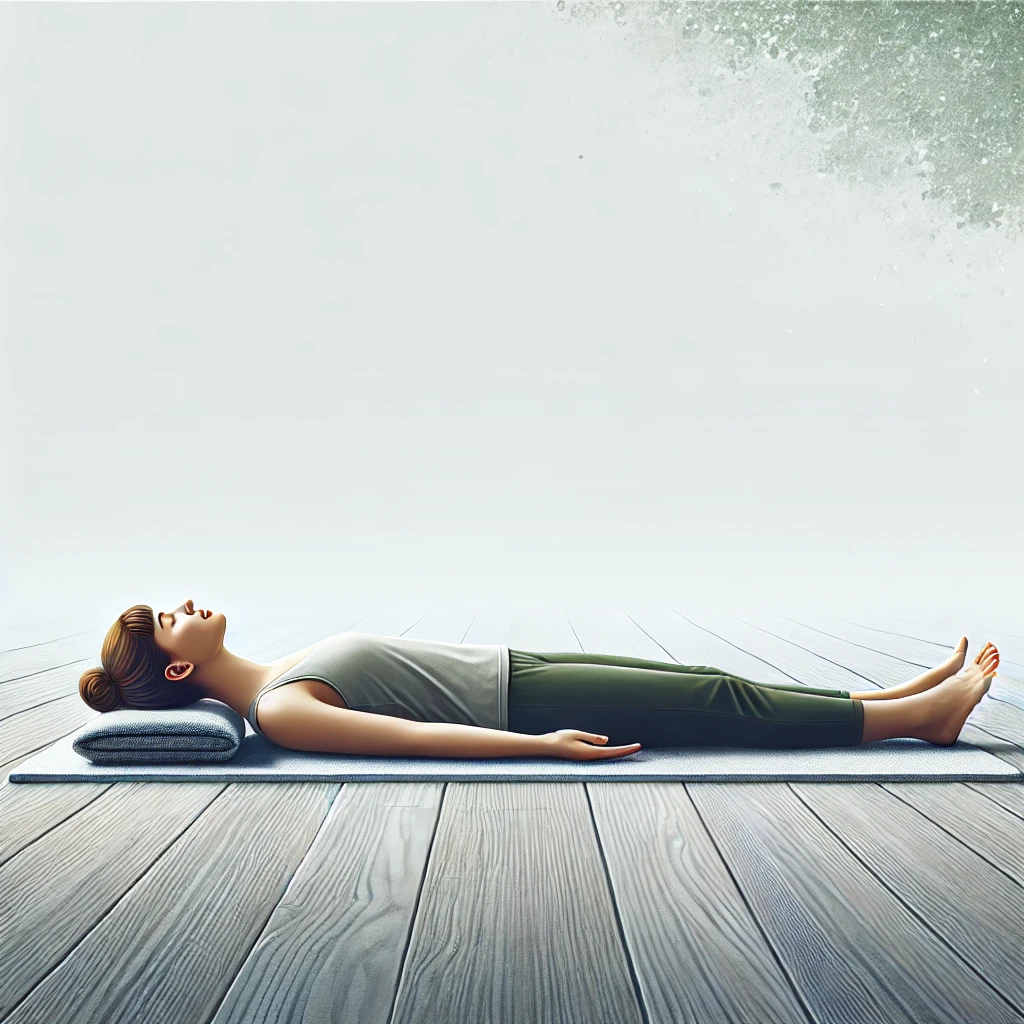
- Sleep meditation
- Deep sleep techniques
- Mindfulness for insomnia
- Guided relaxation
- Better sleep habits
- Breathing exercises for sleep
- Reducing sleep anxiety
- Evening meditation routine
- Natural sleep aids