
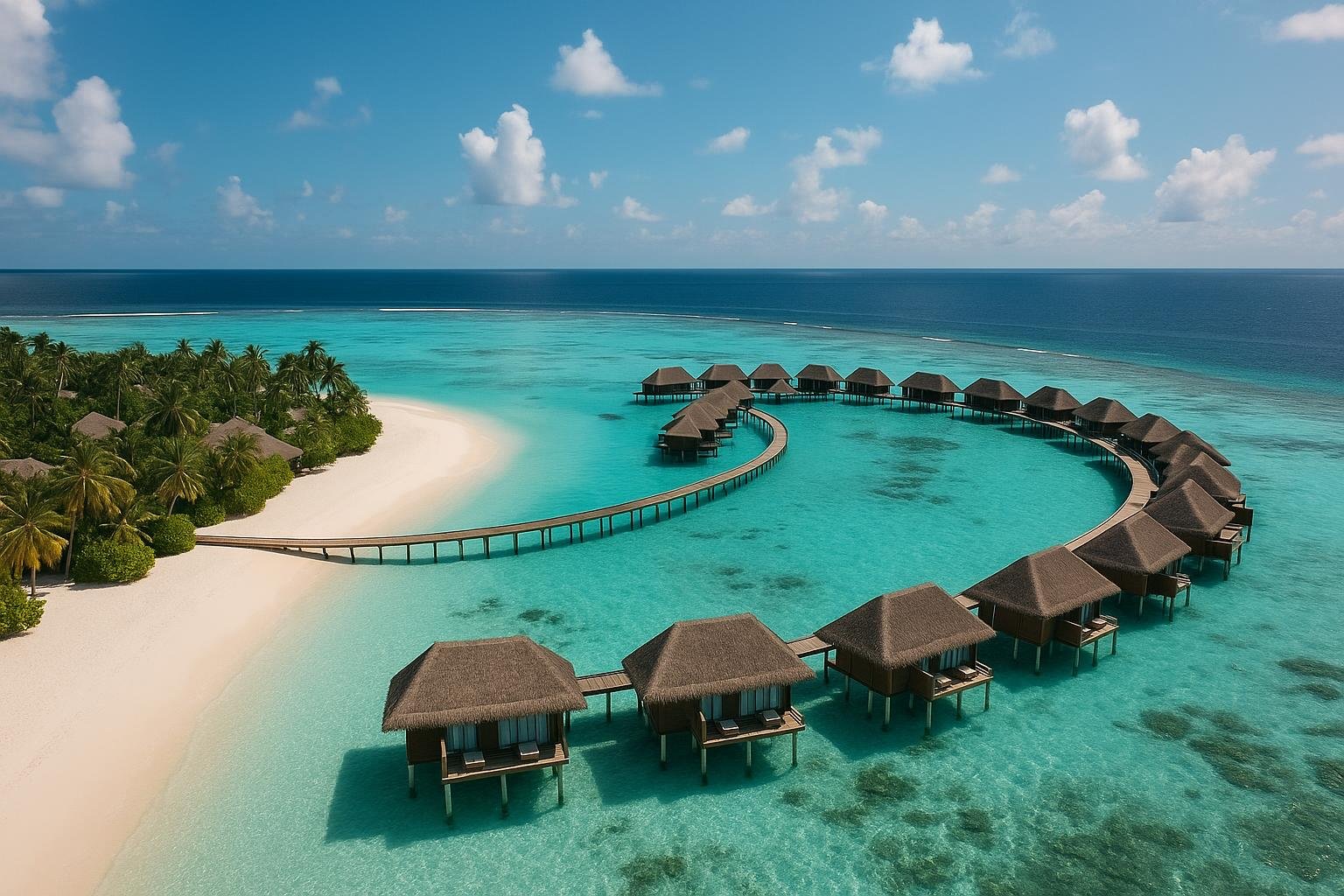
The Maldives has long embodied the archetype of tropical perfection: powder-soft sandbanks, water so clear it appears illuminated from within, and a horizon where sky and sea dissolve into one. Yet this Indian Ocean nation is far more than a collection of idyllic overwater villas. It is a living, breathing archipelago of coral atolls, centuries-old fishing culture, and extraordinary marine biodiversity. Understanding when to go, where to stay, and how to experience it thoughtfully will transform a beautiful holiday into an unforgettable journey.
Best Time to Visit the Maldives
Ideal Weather Conditions
The Maldives enjoys a warm, humid, and generally stable tropical climate year-round, with temperatures typically hovering between 25°C and 31°C (77°F–88°F). Rather than four seasons, the islands experience two main monsoon patterns: the dry northeast monsoon and the wetter southwest monsoon.
From December to April, the northeast monsoon brings predominantly clear skies, abundant sunshine, and calmer seas across most atolls. This is the optimal window for those seeking uninterrupted beach days, smooth lagoon waters, and excellent underwater visibility. Scuba divers and snorkelers often find January to March particularly rewarding, when visibility can exceed 30 meters around many reefs.
May to November marks the influence of the southwest monsoon. During this period, weather becomes more variable, with scattered showers, short-lived storms, and slightly rougher seas. While it may not promise postcard-perfect skies every day, it often brings dramatic cloudscapes and a lush, rejuvenated landscape. Surfers favor this season, as consistent swells roll across reef breaks on eastern atoll fringes.
Peak vs. Off-Peak Seasons
Tourism in the Maldives closely tracks the weather patterns, resulting in a marked difference between peak and off-peak periods in both cost and ambiance.
The peak season runs from December through March, with a particular surge over Christmas, New Year, and Easter holidays. During these months, resort occupancy is high, and nightly rates rise accordingly. In return, travelers enjoy the most predictable conditions, a lively atmosphere, and a full range of excursions operating daily.
The shoulder seasons—late April to early June and late September to early November—offer an attractive compromise. Short tropical showers punctuate otherwise pleasant days, but traveler numbers remain lower, and prices become more negotiable. Visibility under water may vary, yet marine life remains abundant, and sandbanks feel more secluded.
Low season typically coincides with the wetter months of June to August. Frequent discounts and package deals emerge, making luxury properties more accessible to budget-conscious travelers. While you must be prepared for more rain and occasional choppy crossings between islands, you will also find quieter beaches, fewer crowds at dive sites, and a sense of tranquil isolation that many visitors cherish.
Top Attractions in the Maldives
Must-See Islands
The Maldives comprises 26 natural atolls and over 1,000 coral islands, but only a fraction are accessible to visitors. Each offers a distinct character, from refined private-resort enclaves to authentic local communities.
- Malé and Surroundings: The capital, Malé, is one of the world’s smallest yet densest capitals, and serves as the main gateway. While few stay long, it is worth a short exploration for its bustling markets, the historic Hukuru Miskiy (Friday Mosque), and the colorful harbor. Nearby resort islands in North Malé Atoll are popular for quick getaways and short speedboat transfers.
- Baa Atoll: A UNESCO Biosphere Reserve, Baa Atoll is famed for Hanifaru Bay, where seasonal aggregations of manta rays and whale sharks converge to feed on plankton. The atoll’s reefs are rich and varied, making it a premier destination for ecological tourism and conscious luxury resorts.
- Ari Atoll (Alifu Alifu and Alifu Dhaalu): Often considered the heartland of Maldivian diving, Ari Atoll is scattered with islands hosting both ultra-luxury and mid-range resorts. Its channels and pinnacles are renowned for encounters with whale sharks, reef sharks, and large schools of pelagic fish.
- Addu Atoll: Located in the far south, Addu Atoll offers a more off-the-beaten-path experience. Its inhabited islands are linked by causeways, creating a rare opportunity in the Maldives: exploring several communities by bicycle. The atoll features WWII shipwrecks, healthy coral gardens, and a calmer, more local rhythm of life.
- Local Islands such as Maafushi, Thoddoo, and Fulidhoo: For a window into everyday Maldivian culture, staying on a local island can be profoundly rewarding. Guesthouses and small hotels have multiplied in recent years, making it possible to swim, snorkel, and dine alongside residents rather than within resort enclaves.
Unique Underwater Experiences
The true grandeur of the Maldives lies beneath the surface. Vast coral reefs, coral-studded channels known as kandus, and thilas (submerged pinnacles) create an underwater topography that captivates divers and snorkelers alike.
- House Reef Snorkeling: Many resorts are encircled by thriving house reefs accessible directly from the beach or jetty. These reefs can provide daily encounters with turtles, reef sharks, rays, and a kaleidoscope of reef fish. Snorkeling at dawn or just before sunset can reveal particularly active marine life.
- Manta Ray Encounters: Seasonal manta cleaning stations are scattered across atolls such as Baa, Ari, and Laamu. Guided excursions often allow guests to drift quietly while these graceful rays circle cleaning stations, sometimes in large numbers during plankton-rich months.
- Whale Shark Safaris: South Ari Atoll is one of the best places in the world to see whale sharks year-round. Many local operators and resort dive centers run dedicated expeditions where, with a bit of luck and patience, you may snorkel alongside these gentle giants in open water.
- Night Dives and Fluorescent Snorkeling: Once the sun sets, nocturnal species emerge. Night dives reveal hunting moray eels, octopus, and bioluminescent plankton. Some operators also offer fluorescent snorkeling using special torches and masks, revealing corals and organisms glowing in otherworldly colors.
- Submarine Rides and Underwater Restaurants: In selected atolls, non-divers can still witness the underwater realm via semi-submersibles or small submarines. For a more refined experience, several resorts feature underwater restaurants or lounges, allowing diners to watch fish schools glide past floor-to-ceiling glass while enjoying gourmet cuisine.
Where to Stay in the Maldives
Luxury Resorts
Luxury in the Maldives has become an art form. Private-island resorts set new standards with sprawling villas, dedicated butlers, sustainably built overwater bungalows, and world-class spa sanctuaries perched above lagoons.
High-end properties in atolls such as North and South Malé, Baa, and Ari often offer multiple fine-dining venues, extensive wine cellars, and holistic wellness centers featuring Ayurvedic treatments, hydrotherapy circuits, and open-air yoga pavilions. Many of these resorts focus heavily on sustainability, including coral-restoration projects, marine biology centers, and renewable energy initiatives.
Accommodation categories range from beach villas with direct access to powdery shores to iconic overwater suites with private pools, glass floors, and direct reef access. Some ultra-luxury estates are only reachable by private boat and come with multiple bedrooms, infinity pools, spas, and dedicated staff, ideal for multi-generational families or discerning honeymooners.
Seaplane-accessible resorts, often located in more remote atolls, provide an additional level of exclusivity. The flight itself is a highlight, offering aerial views of coral reefs, lagoons, and ring-shaped atolls that help guests grasp the country’s unique geography before landing at a floating jetty.
Budget-Friendly Options
While the Maldives has a reputation for opulence, it has become increasingly accessible. The emergence of guesthouses, small hotels, and budget-friendly resorts has opened the door to travelers who once considered the destination out of reach.
On local islands such as Maafushi, Himmafushi, Gulhi, and Thoddoo, guesthouses provide comfortable rooms, often just steps from the beach. These accommodations are typically more modest than resort villas, but many are thoughtfully designed, air-conditioned, and include breakfast. They serve as an excellent base for independent exploration at a fraction of resort prices.
Budget-conscious travelers should note that local islands follow Islamic customs. Alcohol is not permitted, and visitors are expected to dress modestly in village areas, covering shoulders and knees. Many islands, however, now designate “bikini beaches” where swimwear is allowed for tourists. Ferries between atolls are inexpensive but less frequent and slower than speedboats, making planning essential.
There are also more affordable private-island properties that position themselves as mid-range resorts. They may offer fewer dining venues and simpler villas but still provide house-reef snorkeling, organized excursions, and the quintessential Maldivian lagoon experience. All-inclusive packages can help manage costs, especially when factoring in the high price of imported food and beverages.
Food and Dining in the Maldives
Traditional Maldivian Cuisine
Maldivian cuisine is shaped by the sea and the nation’s trading history. Three ingredients form its core: fish (primarily tuna), coconut, and starches such as rice or roshi (a flatbread similar to roti). These building blocks are elevated through the use of spices, chilies, and curries that reflect influences from South India, Sri Lanka, and the wider Indian Ocean world.
Mas huni is one of the country’s quintessential dishes, often enjoyed for breakfast. It combines finely shredded smoked tuna with grated coconut, onion, and chili, typically served with warm flatbread. Another staple is garudhiya, a clear and aromatic fish broth eaten with rice, lime, and chili. Snack culture is also strong: small fried bites known as hedhikaa—including fish-filled pastries, fritters, and dumplings—are widely available in local cafés.
Coconut milk forms the base for many curries, which may feature tuna, reef fish, octopus, or vegetables. Freshly grated coconut is used liberally, adding texture and sweetness to both savory dishes and desserts. Thanks to the archipelago’s fertile islands, fruits like papaya, banana, and watermelon are abundant, often served simply chilled and sliced after a meal.
Popular Restaurants and Cafes
Dining options vary widely depending on whether you stay in Malé, on a local island, or at a private resort. Each environment offers its own culinary character and range of experiences.
- In Malé: The capital’s compact streets host an array of cafés and small restaurants catering to residents and office workers. You will find authentic Maldivian eateries serving curries, hedhikaa, and fresh juices alongside places offering South Asian, Middle Eastern, and international dishes. Waterfront coffee shops near the harbor are ideal for watching daily life unfold while sampling local snacks and strong, sweet tea.
- On Local Islands: Small guesthouse islands typically feature casual restaurants and beachfront cafés where grilled reef fish, coconut curries, and fresh fruit juices dominate menus. Many guesthouses prepare home-style meals on request, allowing visitors to taste family recipes using locally caught fish and produce grown on the island.
- At Resorts: Private-island resorts elevate dining with a mix of buffet and à la carte venues, often helmed by internationally trained chefs. Guests can expect everything from refined Maldivian tasting menus to Mediterranean grills, Japanese omakase, and plant-based fine dining. Themed nights showcase regional cuisines, while sandbank picnics, beach barbecues, and in-villa dining allow for personalized experiences.
- Signature and Underwater Restaurants: Several high-end resorts feature destination restaurants with dramatic settings, including glass-walled underwater dining rooms and stilted pavilions reached by boardwalk. Reservations are essential, and dress codes often apply, but the combination of inventive tasting menus and panoramic reef views can justify the indulgence.
Wherever you dine, seafood remains the star. Grilled tuna steaks, lobster, red snapper, and octopus are commonly served simply with lime and spice rubs, allowing the freshness of the catch to shine. Many properties prioritize sustainable fishing practices and locally sourced ingredients, aligning indulgence with environmental responsibility.
Conclusion
The Maldives offers a rare synthesis of natural beauty, cultural depth, and tailored hospitality. Its atolls provide pristine reefs for divers, secluded sandbanks for couples, and increasingly accessible guesthouse islands for independent travelers. Timing your visit to match your priorities—be it perfect sunshine, vibrant marine encounters, or value-driven stays—can significantly enhance your experience.
Whether you are gliding above coral gardens, sharing conversation with island hosts over traditional dishes, or waking to sunrise over a glassy lagoon, the Maldives has an uncanny ability to slow time and sharpen the senses. With thoughtful planning and a willingness to go beyond the postcard image, this island nation reveals itself as not merely a luxury destination, but a rich and layered seascape worthy of deeper exploration.
Discover More from Didier Lancelot
Amazon Author page: amazon.com/author/didierlancelot
Narmer Store: narmerstore.org
AI and Technology Ebooks
- Creative AI: Animated Drawings, Manga & Illustrations
- Build a Game with AI: The No-Code Guide
- AI Image Generation Made Easy
- Build a Website with AI: The No-Code Guide
- How to Connect AI to Your Blog: The Ultimate Automation Guide
- AI Productivity Habits: Get More Done in Less Time
- AI Avatars Made Easy
- The Book of AI Prompts: 100+ Proven Prompts
- Make Music with AI: Suno, Udio and AI Music Generators
- Click to Cash
- The Automated Edge: Outwork, Outpace, and Outperform with AI
- AI Side Hustle: How to Make Money with ChatGPT and AI Tools
- Work Smarter with AI
Health, Lifestyle and Home Ebooks
- Hidden Superfoods: The World’s Most Powerful Healing Foods
- Spanish Food: The Complete Cookbook for Authentic Home Cooking
- The Science of Happiness Explained
- The Psychology of Success
- The Secret Sauce of Consistency: What the Experts Don’t Tell You About Fitness
- The Complete Home Bartender’s Guide: Link 1 | Link 2
- Natural Beauty, Made Simple: Easy DIY Organic Skincare Recipes
- Garden Made Simple: Easy, Beginner-Friendly Techniques
- The Dog Training Bible