
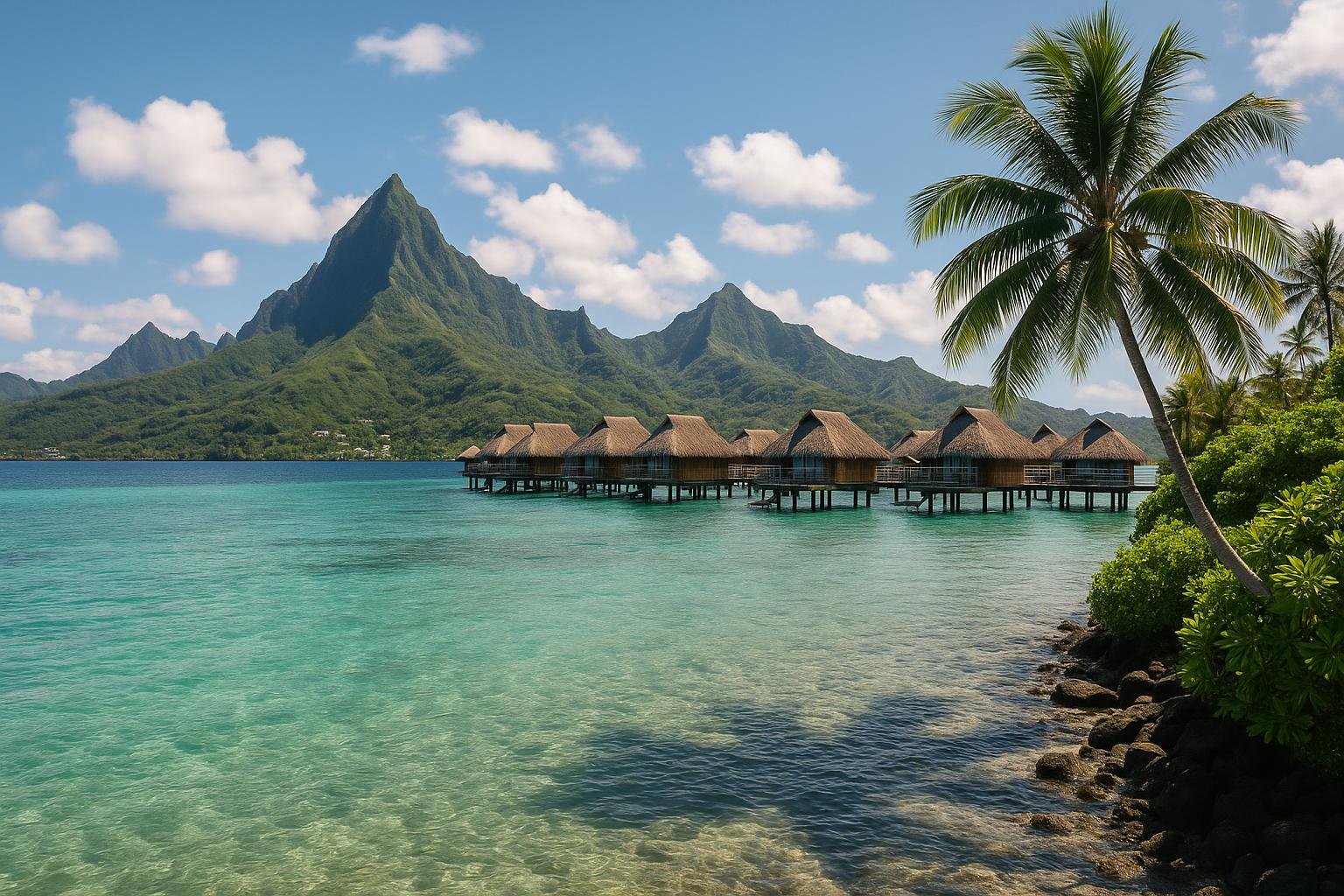
Tahiti is the beating heart of French Polynesia, a luminous island where volcanic peaks meet jade lagoons and fragrant gardens. For many travelers it is a once-in-a-lifetime destination, but with thoughtful planning, you can go beyond the classic postcard image and experience its deep-rooted Polynesian culture, extraordinary landscapes, and refined hospitality. This guide breaks down the best time to visit, what to see, where to stay, how to budget, and the practical details that turn a dream of Tahiti into a seamless journey.
Best Time to Visit Tahiti
Weather Overview
Tahiti enjoys a tropical, maritime climate, warm and humid year-round, with two main seasons rather than four distinct ones.
- Dry season (April–October): This is generally the most comfortable period, with air temperatures around 24–28°C (75–82°F) and slightly cooler evenings. Rainfall decreases, humidity drops, and the trade winds create pleasant conditions for hiking, lagoon excursions, and sightseeing. July through September tend to be the peak months for international visitors.
- Rainy season (November–March): Expect warmer temperatures, often 28–31°C (82–88°F), higher humidity, and short but intense showers, usually in the late afternoon or at night. While cyclones are rare, tropical disturbances can occur. The upside: lusher landscapes, fewer crowds, and lower prices, especially outside Christmas and New Year.
Water temperatures remain warm throughout the year (typically 26–29°C / 79–84°F), making swimming, snorkeling, and diving possible in any season. If your priority is clear skies and calmer seas, choose the cooler, drier months. If value and tranquility matter most, the shoulder months of April, May, October, and early November offer a solid balance.
Events and Festivals
Tahiti’s cultural calendar is vibrant, and timing your visit to coincide with major celebrations can add a profound dimension to your trip.
- Heiva i Tahiti (July): The signature cultural festival of French Polynesia, Heiva is a spectacular showcase of traditional dance, choral singing, drumming, outrigger canoe races, and stone lifting contests. Performances in Papeete and surrounding towns bring together communities from across the archipelago.
- Matari’i i ni’a (November): Marking the reappearance of the Pleiades in the night sky, this ancestral celebration honors abundance and the traditional Polynesian new year with ceremonies, storytelling, and cultural workshops.
- Tahiti Pearl Regatta (May): While not always based solely on Tahiti itself, this sailing event in the nearby Leeward Islands energizes the nautical scene, drawing yachts and catamarans from around the world.
- Surf competitions (various dates): The legendary Teahupo’o wave on the Tahiti Iti peninsula hosts world-class surf events. Even outside formal competitions, the surf culture is strong and compelling to watch from shore.
Confirm exact dates before booking; schedules can shift from year to year. Accommodations during Heiva and large events sell out quickly, so advance planning is crucial.
Top Attractions in Tahiti
Must-See Natural Wonders
Tahiti’s allure lies foremost in its landscapes, from black-sand beaches to mist-veiled peaks.
- Fautaua Valley and Waterfall: One of the island’s most impressive waterfalls cascades into a deep basin framed by vertical cliffs. The hike requires time and some stamina, but rewards visitors with lush rainforest, old stone bridges, and sweeping views.
- Papenoo Valley: A vast, rugged interior valley carved by rivers and lined with waterfalls, ferns, and basalt walls. Guided 4×4 tours venture deep inside, revealing ancient marae (temple platforms) and panoramic ridgelines.
- Teahupo’o: On Tahiti Iti, this world-famous surf break is known for its heavy, glassy barrels. Even non-surfers can appreciate the raw power of the ocean by taking a boat tour out to the reef or viewing from strategic coastal viewpoints.
- Black-sand beaches: Tahiti’s volcanic origin gives rise to dramatic ebony shores such as Pointe Venus and Lafayette Beach. These spots offer striking photo opportunities and tranquil swimming, particularly in the early morning or late afternoon light.
- Belvedere viewpoints: Several lookout points around the island—especially on the west coast and central highlands—provide sweeping vistas over the lagoon, barrier reef, and neighboring Moorea emerging on the horizon.
Cultural and Historical Sites
Beneath its resort image, Tahiti is a cradle of Polynesian civilization with a complex history influenced by indigenous traditions, European explorers, and French colonial rule.
- Papeete Market (Le Marché de Papeete): This bustling two-level market is the social and commercial heart of the capital. Vendors sell local fruit, monoi oil, black pearls, pareos, and artisan handicrafts. Arrive early to observe the morning produce trade and sample tropical specialties.
- Museum of Tahiti and the Islands: Located in Punaauia, this museum (currently undergoing phases of renovation and modernization, so check opening status) presents archaeological artifacts, traditional navigation tools, sculptures, and exhibits on the natural environment, offering context for what you’ll see across the islands.
- Marae Arahurahu: This restored open-air temple, lined with carved tiki statues and stone platforms, provides an evocative glimpse into pre-Christian Polynesian religious practices. Ceremonial reenactments sometimes take place here during festivals.
- James Norman Hall Home: The former residence of the co-author of “Mutiny on the Bounty,” preserved as a small museum in Arue, evokes the early 20th-century era of literary expatriates and offers insight into Tahiti’s role in popular imagination.
- Pointe Venus Lighthouse and historical site: Notable for its connections to Captain Cook’s expeditions and early European contact, this scenic headland combines history with picturesque views and a calm beach.
Where to Stay in Tahiti
Best Hotels and Resorts
Tahiti offers a range of beachfront hotels and refined resorts, particularly along the northwest coast and near Papeete.
- International resorts in Punaauia: Large properties here command lagoon-front locations with views of Moorea, spacious pools, on-site restaurants, and spas. They suit travelers seeking comfort, amenities, and convenient access to both the airport and city.
- Boutique hotels along the west coast: Smaller properties with manicured gardens, intimate pools, and direct lagoon access provide a more tranquil atmosphere, often with personalized service and a sense of seclusion without being far from urban conveniences.
- City hotels in Papeete: Ideal for short stays, early departures, or travelers who prioritize proximity to the ferry terminal, markets, and nightlife. These are practical bases for business visitors or those in transit to Bora Bora, Moorea, or other outer islands.
- Tahiti Iti guest resorts: Around Teahupo’o and the southern peninsula, a few surf- and nature-focused lodges offer comfortable rooms, hearty meals, and direct access to wilder landscapes, appealing to surfers, hikers, and adventure travelers.
When choosing, consider whether you want an urban base with cultural access or a lagoon-front retreat where you can swim, paddle, and watch the sunset without leaving your property.
Alternative Accommodation Options
Beyond traditional hotels, Tahiti has characterful alternatives that allow deeper immersion in local life.
- Pensions (family-run guesthouses): These small, locally owned accommodations range from simple bungalows to charming rooms in family homes. Stays often include breakfast or half-board, with home-cooked Polynesian meals and the chance to engage with hosts.
- Vacation rentals: Apartments and villas are available in and around Papeete as well as on quieter parts of the island. They suit families or groups seeking kitchen facilities, space, and a more independent stay.
- Eco-lodges and nature retreats: In rural valleys and on the Tahiti Iti peninsula, eco-sensitive lodges emphasize sustainability, river or mountain access, and low-impact design. They are ideal for hikers and travelers interested in the island’s natural heritage.
- Surf lodges: Near Teahupo’o and other breaks, surf-focused guesthouses cater to wave-chasers, often including boat transfers to reef passes and guided surf sessions.
Alternative accommodations can be cost-effective and culturally rewarding, though they may offer fewer standardized services than large resorts. Reading recent reviews and clarifying amenities in advance helps align expectations.
Food and Dining in Tahiti
Local Cuisine to Try
Tahitian cuisine is a refined fusion of Polynesian, French, and Asian influences, anchored in fresh seafood, tropical produce, and coconut.
- Poisson cru (ia ota): The national dish: raw tuna marinated in lime juice and mixed with coconut milk, cucumber, tomato, and sometimes grated carrot. Light, fresh, and emblematic of the islands.
- Fafaru: A traditional, strongly aromatic preparation where fish or shellfish are fermented in seawater and crushed shrimp. This is an acquired taste, best tried with local guidance.
- Tahitian-style sashimi: Fresh tuna, mahimahi, or wahoo served raw with a choice of sauces, blending Japanese technique with Polynesian ingredients.
- Ma’a Tahiti (traditional feast): A banquet often cooked in an underground oven (ahima’a), featuring pork, chicken, breadfruit, taro, plantains, and poisson cru, sometimes served during festivals or at dedicated cultural evenings.
- Tropical fruits: Pineapples from Moorea, papaya, mango, banana, and soursop are abundant. Enjoy them at breakfast, in juices, or as street-side snacks.
- French pastries and baguettes: French influence is evident in bakeries offering flaky croissants, pain au chocolat, and reliably good bread, even in small towns.
Recommended Restaurants and Cafés
Tahiti’s dining scene ranges from waterfront fine dining to casual roulottes, the beloved food trucks that appear nightly in Papeete.
- Les roulottes on Place Vai’ete (Papeete): In the evening, this waterfront square fills with food trucks serving generous plates of Chinese stir-fries, grilled fish, steak-frites, crêpes, and local specialties. It is an excellent introduction to Tahiti’s convivial food culture and good value compared to many restaurants.
- Lagoon-front hotel restaurants (Punaauia and west coast): Upscale hotel dining rooms showcase refined interpretations of Tahitian and French cuisine, with tasting menus, fresh seafood, and curated wine lists overlooking the lagoon.
- Local snack bars and snack “trucks”: Throughout the island, small snack outlets offer sandwiches, poisson cru, burgers, and Chinese-influenced dishes at moderate prices. They are reliable options for quick, hearty meals.
- Cafés in Papeete: Around the city center, you will find cafés serving espresso, pastries, and simple lunches. They provide a convenient break while exploring the market or waterfront.
- Sunday brunches: Several hotels and restaurants offer elaborate Sunday brunches featuring seafood, roasted meats, salads, and desserts. Reservations are usually necessary, especially for popular buffets.
Alcohol, especially imported wine and spirits, can be expensive due to taxes and shipping costs. Budget-conscious travelers often purchase drinks at supermarkets for sunset apéritifs on their terrace or balcony.
Budgeting for Your Trip to Tahiti
Estimated Daily Costs
Tahiti is not a low-cost destination, but understanding average expenses can help you plan realistically. Approximate daily budgets per person (excluding international flights) might look like this:
- Budget traveler: €70–€120 (US$75–$130)
Staying in basic pensions or budget guesthouses, using public transport or shared shuttles, eating at markets and roulottes, and joining a limited number of guided tours. - Mid-range traveler: €150–€300 (US$160–$320)
Combining mid-range hotels or quality pensions with a mix of restaurant and casual dining, renting a car for a few days, and participating in organized excursions (4×4 tours, lagoon cruises, cultural visits). - Luxury traveler: €350+ (US$375+)
Staying at upscale resorts, dining in hotel restaurants, frequent private tours, spa treatments, and possibly inter-island flights to Moorea, Bora Bora, or the Tuamotus.
Key cost drivers are accommodation, dining in hotel restaurants, inter-island transport, and professional excursions. Many travelers combine a few nights on Tahiti with longer stays on other islands; adjust your budget if you plan extensive island-hopping.
Tips for Saving Money
With strategic choices, you can experience Tahiti more affordably without sacrificing quality.
- Travel in the shoulder season: April, May, October, and early November often bring better rates on accommodations and flights, while still offering pleasant weather.
- Choose pensions and rentals: Family guesthouses and apartments can significantly reduce nightly costs and allow you to self-cater some meals.
- Eat where locals eat: Papeete Market, supermarkets, bakeries, and roulottes offer excellent value. Pick up fresh fruit, bread, and snacks for breakfast or lunch.
- Prioritize experiences: Rather than booking numerous short tours, focus on a few high-quality activities—such as a full-day 4×4 safari in Papenoo Valley or a lagoon excursion—and spend more time enjoying free pursuits like swimming and coastal walks.
- Use public transport and shared shuttles: Buses and le truck-style services are limited but economical. For airport transfers, compare hotel shuttles, taxis, and pre-booked services.
- Book early and monitor fares: International flights and popular hotels sometimes offer promotions several months in advance. Flexibility with dates can yield meaningful savings.
Getting Around in Tahiti
Transportation Options
Tahiti is the main transport hub for French Polynesia, with Faa’a International Airport just outside Papeete and multiple options for moving around the island.
- Rental cars: Renting a car is the most flexible way to explore. The coastal ring road is straightforward to navigate and allows you to circle Tahiti Nui in a day, stopping at beaches, viewpoints, and villages. Advance booking is advisable, especially in high season.
- Buses: Local buses operate primarily along the coastal road, connecting Papeete with outlying districts. Service can be infrequent in the evening and on Sundays, so plan accordingly.
- Taxis and private transfers: Taxis are available around the airport and Papeete but can be costly for longer distances. Fixed-price transfers organized through hotels or agencies may offer better value and predictability.
- Ferries: High-speed ferries connect Tahiti with Moorea several times daily, making day trips or combined stays easy.
- Domestic flights: To reach more distant islands (Bora Bora, Huahine, Rangiroa, etc.), you will typically fly from Tahiti with the domestic carrier based at Faa’a Airport.
Navigating the Islands
Tahiti itself consists of two main landmasses: Tahiti Nui (the larger, northern portion) and Tahiti Iti (the smaller, southern peninsula) connected by a narrow isthmus.
- Tahiti Nui: Most infrastructure, including Papeete, the port, markets, and large resorts, lies on this main section. The majority of attractions are located along the ring road or within accessible valleys.
- Tahiti Iti: More rural and rugged, home to Teahupo’o and less-developed villages. Public transport is sparse, so a rental car or organized excursion is usually required. Roads do not fully circumnavigate Tahiti Iti’s coastline; some areas are accessible only by boat or on foot.
- Driving conditions: Roads are generally paved and in good condition around the coast. Traffic can be heavy near Papeete during rush hours. Interior roads may be narrow, steep, or unpaved; use a suitable vehicle and consider local guides for deeper valley exploration.
Distances are not large, but winding roads, photo stops, and varied microclimates can slow progress. Allow extra time when planning transfers to the airport or ferry terminal.
Tips for Traveling in Tahiti
Essential Packing List
Tahiti’s climate is warm, but conditions range from sun-drenched beaches to cool, misty mountains. Pack with versatility and comfort in mind.
- Lightweight clothing: Breathable shirts, shorts, sundresses, and swimwear. Opt for quick-drying fabrics.
- Sun protection: Reef-safe sunscreen, wide-brimmed hat, UV-protective sunglasses, and a light long-sleeve shirt for midday outings on the water.
- Footwear: Sandals or flip-flops for the beach, plus sturdy walking shoes or trail sandals for hikes and valley excursions.
- Rain protection: Compact rain jacket or poncho for occasional tropical showers, especially if you plan to visit interior valleys.
- Snorkeling gear (optional): Many hotels provide equipment, but bringing your own mask and snorkel ensures a good fit and hygiene.
- Waterproof bags: Dry bags or zip pouches to protect phones, cameras, and documents during boat trips or sudden rain.
- Insect repellent: Particularly useful in humid, vegetated areas and at dusk.
- Travel adapters and chargers: French Polynesia uses European-style sockets (Type E) with 220V current. Bring suitable adapters if needed.
Safety and Health Considerations
Tahiti is generally safe and welcoming, but as with any remote tropical destination, some precautions are prudent.
- Health and medical care: Basic healthcare facilities and pharmacies are available in Papeete and larger towns. Comprehensive travel insurance covering medical evacuation is highly recommended, especially if you plan to visit remote islands or engage in diving.
- Sun and heat: Dehydration, sunburn, and heat exhaustion are common risks. Drink plenty of water, seek shade during midday, and apply sunscreen frequently.
- Mosquito-borne illnesses: Conditions change over time; consult up-to-date health advisories regarding dengue or other illnesses. Use repellent, wear light long sleeves and pants in the evening, and choose accommodations with screens or air conditioning.
- Ocean safety: While lagoons are often calm, currents at reef passes and outer reefs can be strong. Swim in designated areas, heed local advice, and never underestimate surf conditions at spots like Teahupo’o.
- Crime and personal security: Violent crime against visitors is rare. Petty theft can occur, especially in urban areas. Secure valuables, lock rental cars, and avoid leaving belongings unattended on the beach.
- Respecting local culture: Modest attire is appreciated in villages, churches, and markets. Always ask before photographing people or private property. Learning a few Tahitian phrases—such as “ia ora na” (hello) and “mauruuru” (thank you)—is warmly received.
Conclusion
Tahiti is far more than a transit point to other islands; it is a richly layered destination in its own right. From the dramatic interior valleys and legendary surf of Tahiti Iti to the lively markets and waterfront promenades of Papeete, the island blends natural spectacle with a distinctive cultural identity. With thoughtful timing, careful budgeting, and a willingness to explore beyond resort gates, travelers can experience both the iconic lagoon vistas and the quieter, everyday rhythms of Polynesian life.
Whether you are planning a short stopover or a longer stay that pairs Tahiti with Moorea or the Society Islands, use this guide as a framework, then leave room for serendipity. A chance conversation at a pension, an unplanned detour to a hidden beach, or an evening at the roulottes can often become the most enduring memories of your journey to Tahiti.
Discover More from Didier Lancelot
Amazon Author page: amazon.com/author/didierlancelot
Narmer Store: narmerstore.org
AI and Technology Ebooks
- Creative AI: Animated Drawings, Manga & Illustrations
- Build a Game with AI: The No-Code Guide
- AI Image Generation Made Easy
- Build a Website with AI: The No-Code Guide
- How to Connect AI to Your Blog: The Ultimate Automation Guide
- AI Productivity Habits: Get More Done in Less Time
- AI Avatars Made Easy
- The Book of AI Prompts: 100+ Proven Prompts
- Make Music with AI: Suno, Udio and AI Music Generators
- Click to Cash
- The Automated Edge: Outwork, Outpace, and Outperform with AI
- AI Side Hustle: How to Make Money with ChatGPT and AI Tools
- Work Smarter with AI
Health, Lifestyle and Home Ebooks
- Hidden Superfoods: The World’s Most Powerful Healing Foods
- Spanish Food: The Complete Cookbook for Authentic Home Cooking
- The Science of Happiness Explained
- The Psychology of Success
- The Secret Sauce of Consistency: What the Experts Don’t Tell You About Fitness
- The Complete Home Bartender’s Guide: Link 1 | Link 2
- Natural Beauty, Made Simple: Easy DIY Organic Skincare Recipes
- Garden Made Simple: Easy, Beginner-Friendly Techniques
- The Dog Training Bible