
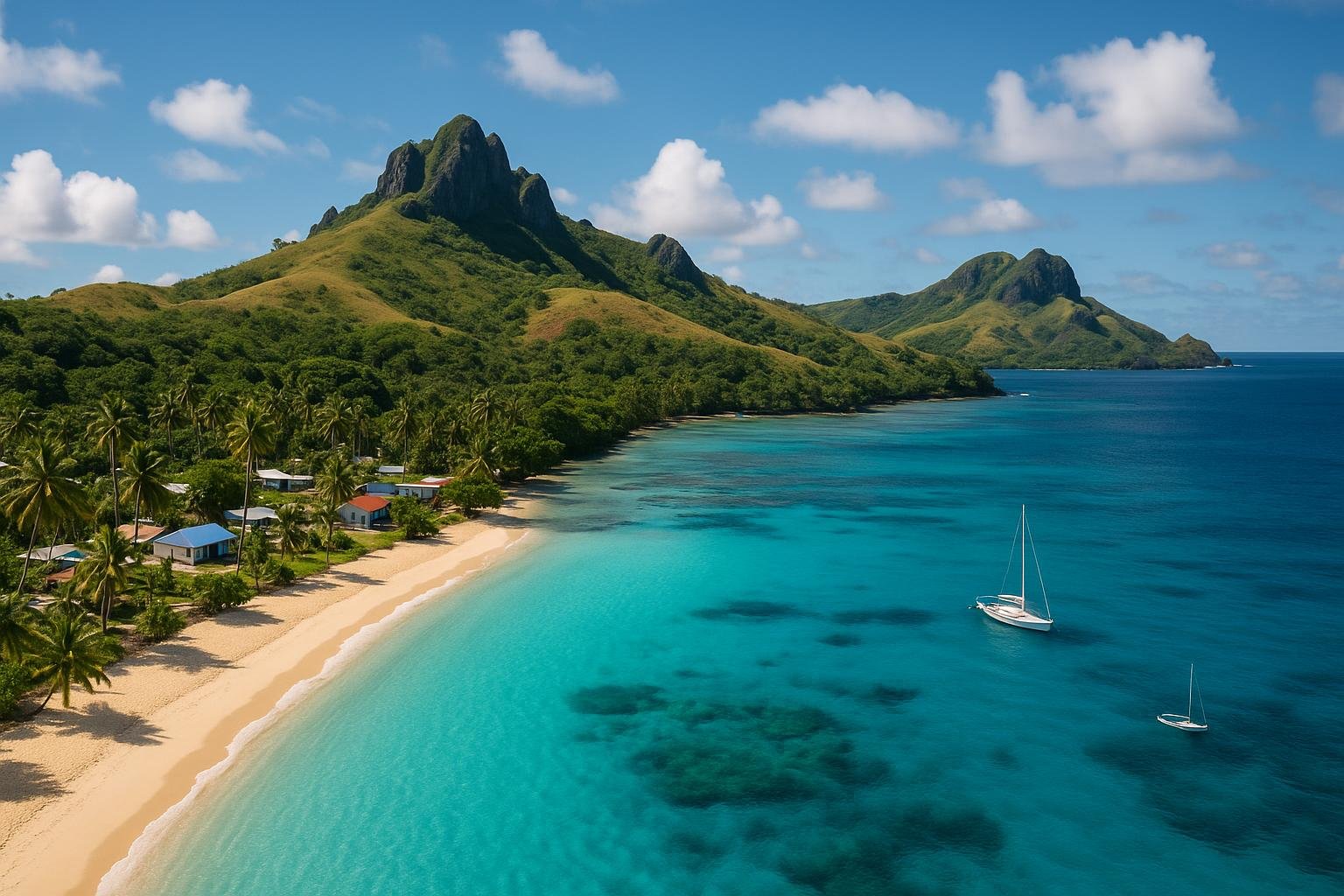
Scattered across the heart of the South Pacific, Fiji is a tapestry of emerald islands, luminous lagoons, and villages where tradition still shapes daily life. It is a destination that can be as indulgent or as down-to-earth as you choose: private-island luxury, barefoot budget bungalows, world‑class diving, or slow village visits beneath swaying palms. This guide will help you decide when to go, where to stay, what to eat, and how to experience Fiji in a way that suits your budget and travel style.
Best Time to Visit Fiji
Weather and Climate
Fiji enjoys a warm, tropical climate year-round, with temperatures generally ranging from 26–31°C (79–88°F). There are two main seasons rather than distinct summers and winters.
The dry season, from late April to October, brings lower humidity, cooler evenings, and clearer skies. Trade winds keep conditions comfortable, and visibility for snorkeling and diving is often at its best. This is an excellent time for sailing, hiking, and outdoor excursions across the islands.
The wetter season, from November to April, is hotter and more humid. Afternoon showers are common, often arriving in short, intense bursts before clearing. This period coincides with the South Pacific cyclone season, though severe storms are relatively infrequent. On the plus side, the landscape is at its most lush, waterfalls are fuller, and prices can be significantly lower outside holiday periods.
If you are sensitive to heat and humidity, aim for June to early September. If you do not mind occasional rain and want quieter beaches and better deals, consider shoulder months such as May or October.
Peak Tourist Seasons
Fiji’s busiest period runs from June to August, as travelers from Australia, New Zealand, and the Northern Hemisphere escape their own winters. School holidays in these source markets also drive up demand.
Other high‑demand windows include:
- Christmas and New Year: Resorts fill quickly, and rates climb sharply.
- Easter and regional school holidays: Particularly busy in family‑friendly island resorts and around Nadi and Denarau.
For a balance of good weather and smaller crowds, target late May, early June, or late September to October. During these shoulder periods you will often find more attractive room rates, greater availability on popular island transfers, and a more relaxed atmosphere at major attractions.
Top Attractions in Fiji
The Mamanuca Islands
The Mamanuca Islands, a short boat ride from Nadi, epitomize the idyllic South Pacific postcard: white‑sand beaches, cobalt lagoons, and coral gardens teeming with life. They are among Fiji’s most accessible island groups and ideal for first‑time visitors.
Highlights include:
- Snorkeling and diving: Sheltered reefs around islands such as Mana, Malolo, and Castaway offer calm, clear water with colorful coral and reef fish. Several operators run introductory dives and certified courses.
- Surf breaks: Advanced surfers gravitate to world‑renowned reef breaks like Cloudbreak and Restaurants, reached by boat from Tavarua and nearby islands.
- Day cruises and sandbars: Many travelers base themselves on the mainland and join day trips to the Mamanucas, visiting floating bars, sand cay picnics, or combination snorkel-and-sunset cruises.
- Water sports: Kayaking, stand‑up paddleboarding, sailing, and jet skiing are widely available, especially near larger resorts.
The Mamanucas tend to offer a polished, resort‑oriented experience, with a strong focus on leisure, ocean activities, and sunsets rather than deep cultural immersion.
Fiji’s Cultural Sites
Beyond its beaches, Fiji has a rich Fijian and Indo‑Fijian heritage that rewards curious travelers willing to look beyond the resort gates.
Key cultural sites and experiences include:
- Traditional villages: Many islands and rural areas welcome visitors for guided village visits. These often include a kava ceremony, meke (traditional dance), and storytelling. Always arrange visits through reputable operators or your accommodation to ensure they are respectful and beneficial to local communities.
- Navala Village (Viti Levu): Tucked in the highlands of Ba, Navala is known for its thatched bure houses and scenic mountain backdrop. It offers insight into more traditional architectural styles and communal living.
- Suva: Fiji’s capital hosts the Fiji Museum, with exhibits on ancient voyaging canoes, pottery, and colonial history. Nearby, Thurston Gardens provide a pleasant green respite.
- Sri Siva Subramaniya Temple (Nadi): This vibrant South Indian Hindu temple, with its elaborate Dravidian architecture and colorful murals, reflects the Indo‑Fijian influence on the islands.
- Local markets: Municipal markets in Nadi, Suva, and Lautoka highlight everyday life. You will find root crops like cassava and dalo (taro), spices, tropical fruits, and bundles of kava root.
Engaging with these cultural spaces adds nuance to a Fijian holiday, balancing days of reef exploration with a deeper understanding of the islands’ people and history.
Where to Stay in Fiji
Luxury Resorts
Fiji is renowned for secluded, upscale retreats that cater to honeymooners, couples, and travelers seeking indulgence and privacy.
Typical features of luxury stays include:
- Private bures and villas: Oceanfront, hillside, or overwater bungalows with plunge pools, outdoor showers, and expansive decks.
- All‑inclusive or full‑board options: Gourmet dining, premium beverages, and curated activities often bundled into nightly rates.
- Spa and wellness programs: Open‑air treatment rooms, traditional Fijian massage, yoga platforms overlooking lagoons, and wellness‑focused menus.
- Exclusive experiences: Private sandbank picnics, bespoke diving trips, helicopter transfers, and tailored cultural encounters.
Luxury clusters exist in the Mamanuca and Yasawa Islands, around Denarau Island (with international-brand resorts and an 18‑hole golf course), and on select private islands scattered across the archipelago. Booking well in advance is recommended, especially during peak season and for properties with only a handful of villas.
Budget-Friendly Accommodations
Fiji is often perceived as expensive, yet budget travelers have a growing range of affordable options, particularly if they are flexible on location and comfort level.
Budget choices include:
- Backpacker hostels: Found on the Coral Coast, in Nadi, and on several islands in the Yasawas and Mamanucas. Dorm beds are usually basic but social, with shared kitchens or communal dining.
- Guesthouses and homestays: Modest family‑run lodgings in small towns and villages, offering a window into Fijian daily life. Facilities can be simple, but hospitality is often a highlight.
- Affordable beach bures: Simple bungalows set a few steps from the sand, sometimes with shared bathrooms but million‑dollar views. These are common across the Yasawas and along the Coral Coast.
To keep costs low, look for accommodations that include meals, resort transfers, or certain activities in the nightly price. Traveling outside peak holiday periods can also significantly reduce room rates.
Food and Dining in Fiji
Traditional Fijian Cuisine
Fijian cuisine is a flavorful blend of indigenous, Polynesian, Melanesian, and Indo‑Fijian influences, drawing heavily on the islands’ abundance of seafood, root crops, and coconuts.
Signature dishes to seek out include:
- Kokoda: Fresh fish cured in citrus juice and mixed with coconut cream, onions, tomatoes, and chilies. Often served chilled in a coconut shell or clamshell.
- Lovo: A feast cooked in an earth oven. Meats, fish, taro, and vegetables are wrapped in banana leaves, placed over hot stones, and slow‑cooked underground for several hours, infusing them with a smoky aroma.
- Palusami: Taro leaves filled with coconut cream and sometimes fish or corned beef, then baked or cooked in the lovo.
- Indo‑Fijian curries: Fragrant goat, fish, or vegetable curries served with rice, roti, and chutneys, reflecting the large Indo‑Fijian community.
Fresh tropical fruit—mango, papaya, pineapple, banana, and watermelon—is abundant, especially in the wetter months. Coconut features prominently, whether in cooking, as a drink, or in desserts.
Popular Restaurants and Cafes
Dining options vary by region, from resort fine dining to casual roadside eateries.
- Nadi and Denarau: Expect an international mix—seafood grills, Indian restaurants, casual waterfront bars, and cafés serving espresso and pastries. Denarau’s marina precinct concentrates many choices in one walkable area.
- Suva: Fiji’s capital has a more local feel, with excellent Indo‑Fijian curry houses, Chinese restaurants, and bustling bakeries. It is an ideal place to sample authentic, everyday Fijian and Indian‑inspired dishes.
- Coral Coast and island resorts: Menus often emphasize seafood, grilled meats, and fusion cuisine drawing on local ingredients. Some properties host weekly lovo nights or meke and dinner shows.
For budget meals, look for small canteens, “takeaway” shops, bakeries, and market stalls, where you can find roti packs, curry, cassava chips, and sweet treats at modest prices.
Budget Tips for Traveling in Fiji
Estimated Daily Costs
Daily expenses in Fiji vary widely depending on your style of travel and whether you stay on the mainland or in outer islands.
- Budget travelers: Around US$40–80 per day, assuming dorm accommodation or basic bures, local buses, simple meals from markets and takeaways, and a few low‑cost activities.
- Mid‑range travelers: Approximately US$120–250 per day, covering comfortable hotels or midrange beachfront bures, restaurant meals, island day trips, and some guided excursions.
- Luxury travelers: US$400+ per day, particularly at remote resorts that include meals and activities or private island stays.
Island transfers, organized tours, and high‑end dining can raise costs quickly, so factor these into your planning from the outset.
Money-Saving Travel Tips
To stretch your budget further in Fiji, consider the following strategies:
- Travel in the shoulder season: Late April–May and September–October often deliver favorable weather with reduced accommodation and flight prices.
- Use local transport where possible: Public buses and shared minibuses on Viti Levu are inexpensive and reasonably frequent on main routes.
- Book island packages carefully: Some Yasawa and Mamanuca properties offer “bula passes” or multi‑night island‑hopping packages, which can be better value than booking individual transfers.
- Eat like a local: Swap one or two restaurant meals per day for market produce, bakery snacks, or curry from simple eateries.
- Limit paid activities: Mix costly excursions such as diving or full‑day cruises with free or low‑cost pursuits like hiking, swimming, and village walks.
- Check inclusions: When comparing room rates, note whether breakfast, snorkeling gear, kayaks, or cultural nights are included, as these extras add up.
Getting Around in Fiji
Transportation Options
Fiji’s main international gateway is Nadi International Airport on Viti Levu. From there, you can reach most regions using a combination of domestic flights, ferries, buses, and taxis.
- Domestic flights: Small aircraft link Nadi with Suva, Taveuni, Vanua Levu (Labasa and Savusavu), and some resort islands. These save time on longer distances, especially if your itinerary includes the northern islands.
- Ferries and water taxis: High‑speed catamarans, scheduled ferries, and resort water taxis connect Nadi/Port Denarau with the Mamanuca and Yasawa islands, and other services link Viti Levu with Vanua Levu and outer islands.
- Buses and minibuses: On Viti Levu and Vanua Levu, buses travel between major towns and along the Coral Coast. Minibuses fill gaps on some routes and can be slightly faster, though more cramped.
- Taxis: Widely available in cities and towns. In Nadi and Suva, ask drivers to use the meter or agree a fare before departure.
Many resorts, particularly those on smaller islands, arrange their own transfers from Nadi or other departure points. Confirm schedules when booking flights to avoid long waits between connections.
Tips for Renting a Car or Using Public Transport
Renting a car offers flexibility, especially for exploring Viti Levu’s Coral Coast, Pacific Harbour, and the highland interior.
- Driving conditions: Fiji drives on the left. Main roads between Nadi, Suva, Lautoka, and Sigatoka are sealed and generally in good condition. Rural and interior roads may be unsealed, narrow, or potholed, particularly after heavy rain.
- Documentation: A valid driver’s licence from your home country is usually sufficient; check with your rental company in advance. Ensure you understand insurance coverage and excess details.
- Navigation and fuel: Mobile coverage is decent on main routes, but can drop in remote areas. Fill up whenever you pass a service station outside major towns.
If you prefer not to drive, public transport is a practical and atmospheric alternative:
- Buses: Slower but very affordable. Open‑window buses are common; air‑conditioned coaches run some intercity routes.
- Minibuses: Depart when full and are faster but can be crowded. They are best for shorter hops between towns.
- Safety and comfort: Keep valuables secured, carry small change for fares, and allow extra time in your schedule, as services may not run exactly to timetable.
Travel Tips for Fiji
Essential Packing List
Packing for Fiji requires a balance between beach wear, modest clothing for cultural sites, and practical items for the tropical climate.
- Clothing: Lightweight, breathable fabrics; swimwear; a sarong or sulu; a light long‑sleeve layer for sun and evening breezes; and at least one modest outfit for village visits.
- Footwear: Sandals or flip‑flops, reef shoes for rocky shorelines and coral, and light walking shoes if you plan to hike.
- Sun protection: Reef‑safe sunscreen, a wide‑brimmed hat, and sunglasses. The tropical sun is intense, even on cloudy days.
- Health items: Basic first‑aid kit, personal medications, insect repellent, antiseptic cream, and motion sickness tablets if you are prone to seasickness.
- Water and gear: Reusable water bottle, dry bag for boat trips, and a snorkeling mask if you prefer your own equipment.
- Documents and money: Passport, travel insurance details, bank cards, and some local currency for markets, small shops, and rural areas.
Cultural Etiquette and Customs
Fijians are renowned for their warmth and hospitality, and visitors are generally welcomed with smiles and the greeting “Bula.” Observing basic cultural etiquette enhances interactions and shows respect for local traditions.
- Dress modestly in villages: Shoulders and knees should be covered. Wear a sulu (wrap skirt) or long shorts, and avoid hats during formal greetings.
- Remove hats indoors: In many communities, wearing a hat can be seen as disrespectful, especially in communal halls or when meeting elders.
- Kava ceremonies: When sharing kava, follow your host’s lead. Usually, you clap once before receiving the bowl and three times after drinking. It is polite, though not mandatory, to accept at least one cup.
- Ask before photographing people: Always seek permission before taking close‑up photos of individuals, especially in villages or during ceremonies.
- Respect the Sabbath: In more traditional villages, Sunday is a day of rest and church. Activities may be limited, and loud behavior is discouraged.
- Gift‑giving: When invited into a village, it is customary to bring a small sevusevu (gift), often a bundle of kava root, which can be purchased in local markets.
Simple gestures—learning a few Fijian words, greeting people as you pass, and showing patience—go a long way in building genuine connections.
Conclusion
Fiji offers far more than a beautiful backdrop for a beach holiday. It is an archipelago where radiant reefs, volcanic highlands, and palm‑framed shores coexist with strong cultural traditions and an easygoing pace of life. Whether you are seeking secluded luxury, island‑hopping on a budget, or a family escape that balances adventure and relaxation, Fiji can be shaped to suit your preferences.
By choosing the right season, understanding how to move between islands, and approaching local communities with curiosity and respect, you can experience a side of Fiji that goes beyond the postcard image. Plan thoughtfully, travel lightly, and allow time for unhurried conversations and sunset horizons—the essence of Fiji often reveals itself in the slow, simple moments between activities.
Discover More from Didier Lancelot
Amazon Author page: amazon.com/author/didierlancelot
Narmer Store: narmerstore.org
AI and Technology Ebooks
- Creative AI: Animated Drawings, Manga & Illustrations
- Build a Game with AI: The No-Code Guide
- AI Image Generation Made Easy
- Build a Website with AI: The No-Code Guide
- How to Connect AI to Your Blog: The Ultimate Automation Guide
- AI Productivity Habits: Get More Done in Less Time
- AI Avatars Made Easy
- The Book of AI Prompts: 100+ Proven Prompts
- Make Music with AI: Suno, Udio and AI Music Generators
- Click to Cash
- The Automated Edge: Outwork, Outpace, and Outperform with AI
- AI Side Hustle: How to Make Money with ChatGPT and AI Tools
- Work Smarter with AI
Health, Lifestyle and Home Ebooks
- Hidden Superfoods: The World’s Most Powerful Healing Foods
- Spanish Food: The Complete Cookbook for Authentic Home Cooking
- The Science of Happiness Explained
- The Psychology of Success
- The Secret Sauce of Consistency: What the Experts Don’t Tell You About Fitness
- The Complete Home Bartender’s Guide: Link 1 | Link 2
- Natural Beauty, Made Simple: Easy DIY Organic Skincare Recipes
- Garden Made Simple: Easy, Beginner-Friendly Techniques
- The Dog Training Bible