
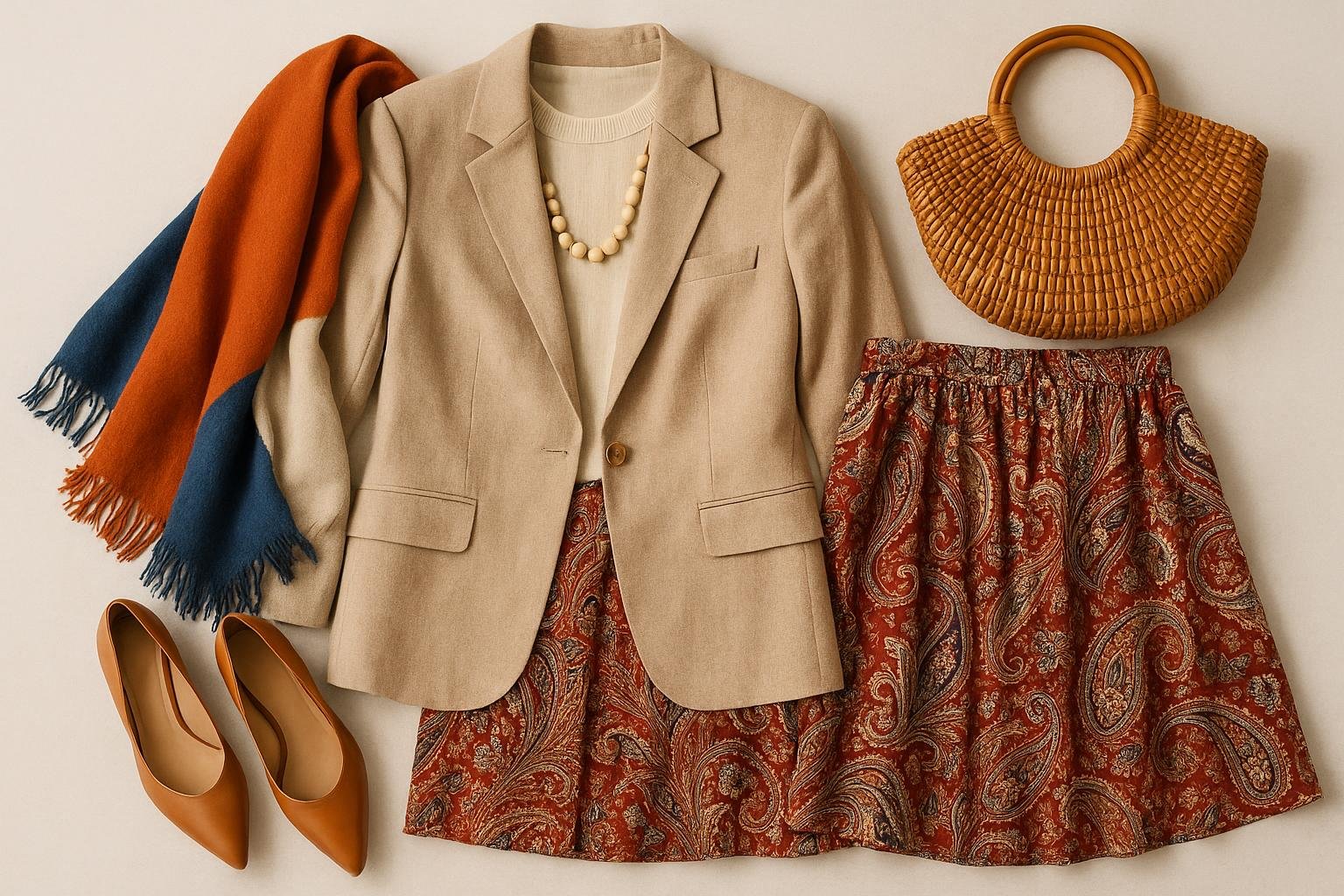
Understanding Cultural Fusion Fashion
Cultural fusion fashion is reshaping the way we dress, shop, and express identity. As borders blur and digital culture connects people instantly, wardrobes are no longer confined to a single heritage or aesthetic. Instead, they are becoming curated collages of influences: Japanese-inspired tailoring with West African prints, Scandinavian minimalism paired with Indian jewelry, or Mexican embroidery styled with contemporary streetwear.
This evolution goes beyond surface-level styling. It reflects a deeper shift in how we understand culture, belonging, and creativity in a globalized world. When approached with respect and awareness, cultural fusion fashion can celebrate diversity, keep traditional crafts alive, and challenge narrow definitions of style.
What Is Cultural Fusion Fashion?
Cultural fusion fashion refers to the intentional combination of clothing, textiles, motifs, and silhouettes from different cultures into cohesive outfits. It is not about costume dressing or cherry-picking exotic details. Rather, it is about creating modern, wearable looks that thoughtfully acknowledge their diverse sources.
At its best, this approach:
- Recognizes origins: It understands where specific patterns, garments, or accessories come from and what they signify.
- Balances elements: It blends pieces so each component feels integrated, not randomly added for visual effect.
- Respects context: It avoids sacred, ceremonial, or sensitive items outside their appropriate setting.
- Supports creators: It prioritizes artisans, designers, and ethical fashion brands from the cultures being referenced.
Cultural fusion fashion differs from novelty or “ethnic” styling because it is rooted in intention and knowledge. The goal is a dynamic multicultural style outfit that feels authentic to the wearer while honoring the communities that inspired it.
The Rise of Global Style Mixing in Modern Wardrobes
Several forces are driving the rise of global style mixing and shaping today’s global fashion trends:
- Digital access to global aesthetics: Social media, streaming platforms, and e-commerce have made it simple to discover designers, crafts, and street style from almost any country. A user in London can follow a textile collective in Oaxaca and a jewelry maker in Jaipur in the same feed.
- Migration and diasporic identities: Many people navigate multiple cultural identities at once. Their wardrobes often naturally mix heritage garments with contemporary local styles, creating personal and nuanced cultural fusion looks.
- Dissatisfaction with homogenous fast fashion: Consumers increasingly reject mass-produced, identical clothing. Cultural fusion fashion, especially when built from artisan-made or limited pieces, offers individuality and narrative value.
- Renewed interest in craft and heritage: Traditional textiles in modern fashion are being reinterpreted by young designers who want to preserve techniques while making them relevant for today.
The result is visible everywhere: from fashion weeks spotlighting cross-cultural collaborations, to everyday global street style inspiration in major cities where a single sidewalk can feel like a style atlas.
Key Elements of Cultural Fusion Style
Understanding the building blocks of cultural fusion style helps you move from vague inspiration to carefully constructed outfits. Textiles, patterns, construction, and finishing details all contribute to a look that feels intentional rather than improvised.
Textiles, Patterns, and Traditional Craft Techniques
Textiles are often the most immediate visual expression of culture. Integrating them into modern looks is one of the most powerful ways to fuse styles while supporting heritage practices.
- Traditional weaves and prints: Think of kente from Ghana, ikat from Southeast Asia and Central America, Harris tweed from Scotland, shweshwe from Southern Africa, tartan from the Celtic world, or hand-block-printed cottons from India. When carefully styled, these fabrics transition seamlessly into contemporary wardrobes.
- Embroidery and surface embellishment: Ukrainian vyshyvanka embroidery, Palestinian tatreez, Mexican Otomí motifs, or Chinese silk embroidery can be integrated via shirts, jackets, and accessories. The key is to let one striking piece stand out rather than overwhelming the outfit with competing details.
- Dyeing and printing traditions: Indigo dyeing in West Africa and Japan, batik in Indonesia, adire from Nigeria, or mudcloth from Mali each bring unique textures and color stories. Pairing these with simple silhouettes creates balance.
- Handmade versus industrial: Many artisans still use slow, labor-intensive processes. Cultural fusion fashion that values these methods not only offers visual richness but also contributes to sustainable cultural fashion by avoiding disposable trends.
When incorporating traditional textiles in modern fashion, understanding even the basics of their symbolism, regional origin, and craftsmanship deepens your connection to the garment and influences how you style it.
Silhouettes, Accessories, and Statement Pieces
Beyond fabric, shape and proportion play a crucial role in how cultural fusion outfits come together. Certain silhouettes are deeply associated with specific cultures: the kimono, the kaftan, the sari, the cheongsam, the djellaba, or the poncho, among many others. These garments can inspire design without being replicated superficially.
- Adapted silhouettes: Modern designers often reference traditional forms by reworking their lines into jackets, dresses, or trousers with similar drape or structure, rather than copying ceremonial garments directly.
- Layering strategies: Combining a tailored blazer with a handwoven wrap skirt, or styling a minimalist slip dress under an embroidered open coat, creates a subtle global dialogue within one outfit.
- Accessories as focal points: Jewelry, belts, scarves, and bags are powerful entry points if you are exploring how to mix cultural fashion for the first time. A single statement necklace from a specific region or a traditional hat can anchor a look built from simple basics.
- Footwear with heritage details: Sandals inspired by Middle Eastern or North African designs, clogs from Northern Europe, or embroidered slippers from East Asia can bring quiet yet distinct references when styled thoughtfully.
Successful cultural fusion fashion is often defined by restraint. One or two standout heritage elements, combined with clean modern pieces, create a refined balance that foregrounds craftsmanship while maintaining wearability.
How to Wear Cultural Fusion Fashion Respectfully
As global fashion trends draw more heavily from a wide range of cultures, ethical questions naturally arise. The line between inspiration and exploitation can be thin. Understanding that line—and committing to stay on the respectful side—is essential.
Avoiding Cultural Appropriation and Tokenism
The discussion around cultural appropriation vs appreciation in fashion is central to any conversation about fusion style. While definitions vary, a few guiding principles help clarify the distinction:
- Appropriation typically involves taking elements from a culture—especially one that has historically been marginalized or oppressed—without understanding, acknowledgment, or benefit to that culture. It often reduces rich traditions to trends or costumes.
- Appreciation involves learning about the origin of designs, engaging with artisans or designers from that culture, and wearing items in ways that uphold their dignity and significance.
To avoid tokenism and insensitive use of cultural symbols, consider the following:
- Research symbolic or sacred items: Some garments, prints, or accessories carry deep religious, spiritual, or ceremonial meaning. These are rarely appropriate for everyday or party styling.
- Be wary of stereotyping: An outfit that turns a culture into a caricature—such as mixing multiple unrelated “exotic” pieces for shock value—reinforces harmful clichés.
- Listen to feedback: If members of a culture express discomfort with how their heritage is used in fashion, take that perspective seriously and adjust accordingly.
- Avoid “costume” framing: Wearing a full traditional outfit as a novelty look for a festival or event, without connection or context, often crosses into appropriation.
Respectful cultural fusion shows curiosity, humility, and a willingness to learn. It is an ongoing process, not a static rulebook.
Tips for Ethical Shopping and Supporting Artisans
How you source your wardrobe matters as much as how you style it. Building multicultural style outfits that align with your values means thinking carefully about production, labor, and ownership.
- Prioritize origin-based brands: When possible, buy from designers or cooperatives based in the culture whose aesthetic you are wearing. This ensures that financial benefits flow back to the communities that created the designs.
- Seek transparent supply chains: Ethical fashion brands usually share information about their production processes, wages, and environmental impact. Look for certifications, detailed “about” pages, and artisan stories rather than vague promises.
- Support artisan collectives and fair-trade groups: These organizations often work directly with weavers, dyers, and embroiderers, ensuring fair pay and long-term partnerships. This strengthens both livelihoods and heritage crafts.
- Choose quality over quantity: Sustainable cultural fashion relies on durability. Investing in fewer, high-quality pieces respects the labor and skill involved and reduces waste.
- Buy vintage and secondhand: Vintage stores and curated resale platforms can be excellent sources of heritage garments. When purchasing such items, you are extending their lifecycle instead of fueling new, potentially exploitative production.
- Ask questions before buying: Where was this made? Who made it? Is the design attributed to a specific tradition or community? Legitimate brands are usually eager to share these details.
Ethical shopping transforms cultural fusion fashion from a purely aesthetic pursuit into a vehicle for economic and social support. Each purchase becomes a vote for the kind of fashion industry you want to see.
Cultural Fusion Fashion Trends to Watch
Cultural fusion is not a single trend; it is an evolving movement. Yet certain directions within it are gaining momentum and reshaping how designers, stylists, and consumers approach dressing.
Street Style Inspirations from Around the World
Global street style inspiration often reveals the most innovative forms of cultural fusion fashion, emerging organically rather than from runways.
- Layering heritage with sportswear: In cities such as Lagos, Tokyo, New York, and São Paulo, it is common to see traditional textiles styled with sneakers, hoodies, and technical outerwear. A handwoven skirt with a logo sweatshirt, or a classic bomber worn over a patterned tunic, embodies a confident mix of local and global influences.
- Gender-fluid takes on traditional garments: Younger generations are reinterpreting gendered clothing conventions—men wearing embroidered blouses, women styling historically masculine tailoring from their heritage, and non-binary dressers mixing silhouettes freely.
- Hybrid tailoring: Tailored jackets featuring indigenous prints, reworked saris into structured dresses, or suits lined with hand-dyed fabrics from local artisans are increasingly visible in street style photography and fashion editorials.
- Accessories as cultural touchpoints: Turbans, headwraps, beaded earrings, and handcrafted bags appear alongside minimalist outfits, adding a specific cultural reference while remaining highly wearable.
These expressions often begin at the grassroots level—among students, creatives, and local fashion communities—before influencing wider global fashion trends. Observing how people combine pieces in everyday life offers practical insights into how to mix cultural fashion in a way that feels contemporary.
Sustainable and Slow Fashion Approaches to Cultural Fusion
A growing number of designers and consumers are linking cultural fusion fashion with sustainability, recognizing that protecting heritage crafts goes hand in hand with protecting the environment.
- Local materials, global dialogues: Brands in various countries are using regionally sourced fibers and dyes while drawing design inspiration from other cultures in an openly collaborative way. This reduces transport emissions and supports local ecosystems.
- Made-to-order and small-batch production: Slow fashion models that produce only what is needed help preserve intricate craft techniques that cannot be scaled to mass production without compromise.
- Repair, customization, and upcycling: Reworking garments with embroidered patches from different traditions, adding handwoven panels, or transforming vintage pieces into new silhouettes are all ways to extend the life of clothing while experimenting with fusion aesthetics.
- Educational storytelling: Many sustainable labels now incorporate detailed storytelling about the craftspeople behind each piece—where they live, how they work, and why their skills matter. This transparency fosters appreciation rather than anonymous consumption.
Sustainable cultural fashion is not merely about using eco-friendly fabrics. It is about recognizing that time-honored techniques, if properly valued, can form the backbone of a slower, more responsible industry. When fusion is combined with ecological awareness and fair labor, it becomes a powerful alternative to fast fashion’s homogenizing influence.
Conclusion
Cultural fusion fashion reflects the realities of a connected world, where identities overlap and influence flows in multiple directions. Done thoughtfully, it honors the origins of design elements, supports artisans, and allows individuals to express layered identities through their clothing. It also invites important reflection on power, privilege, and responsibility in an industry that has too often profited from uncredited borrowing.
By learning about the histories behind garments, choosing ethical fashion brands, prioritizing sustainable practices, and listening to the voices of the communities whose aesthetics you admire, you can build a wardrobe that speaks a global language with integrity. Cultural fusion fashion, approached with care, becomes more than a visual statement—it becomes an act of respect, collaboration, and conscious style.
Discover More from Didier Lancelot
Amazon Author page: amazon.com/author/didierlancelot
Narmer Store: narmerstore.org
AI and Technology Ebooks
- Creative AI: Animated Drawings, Manga & Illustrations
- Build a Game with AI: The No-Code Guide
- AI Image Generation Made Easy
- Build a Website with AI: The No-Code Guide
- How to Connect AI to Your Blog: The Ultimate Automation Guide
- AI Productivity Habits: Get More Done in Less Time
- AI Avatars Made Easy
- The Book of AI Prompts: 100+ Proven Prompts
- Make Music with AI: Suno, Udio and AI Music Generators
- Click to Cash
- The Automated Edge: Outwork, Outpace, and Outperform with AI
- AI Side Hustle: How to Make Money with ChatGPT and AI Tools
- Work Smarter with AI
Health, Lifestyle and Home Ebooks
- Hidden Superfoods: The World’s Most Powerful Healing Foods
- Spanish Food: The Complete Cookbook for Authentic Home Cooking
- The Science of Happiness Explained
- The Psychology of Success
- The Secret Sauce of Consistency: What the Experts Don’t Tell You About Fitness
- The Complete Home Bartender’s Guide: Link 1 | Link 2
- Natural Beauty, Made Simple: Easy DIY Organic Skincare Recipes
- Garden Made Simple: Easy, Beginner-Friendly Techniques
- The Dog Training Bible