
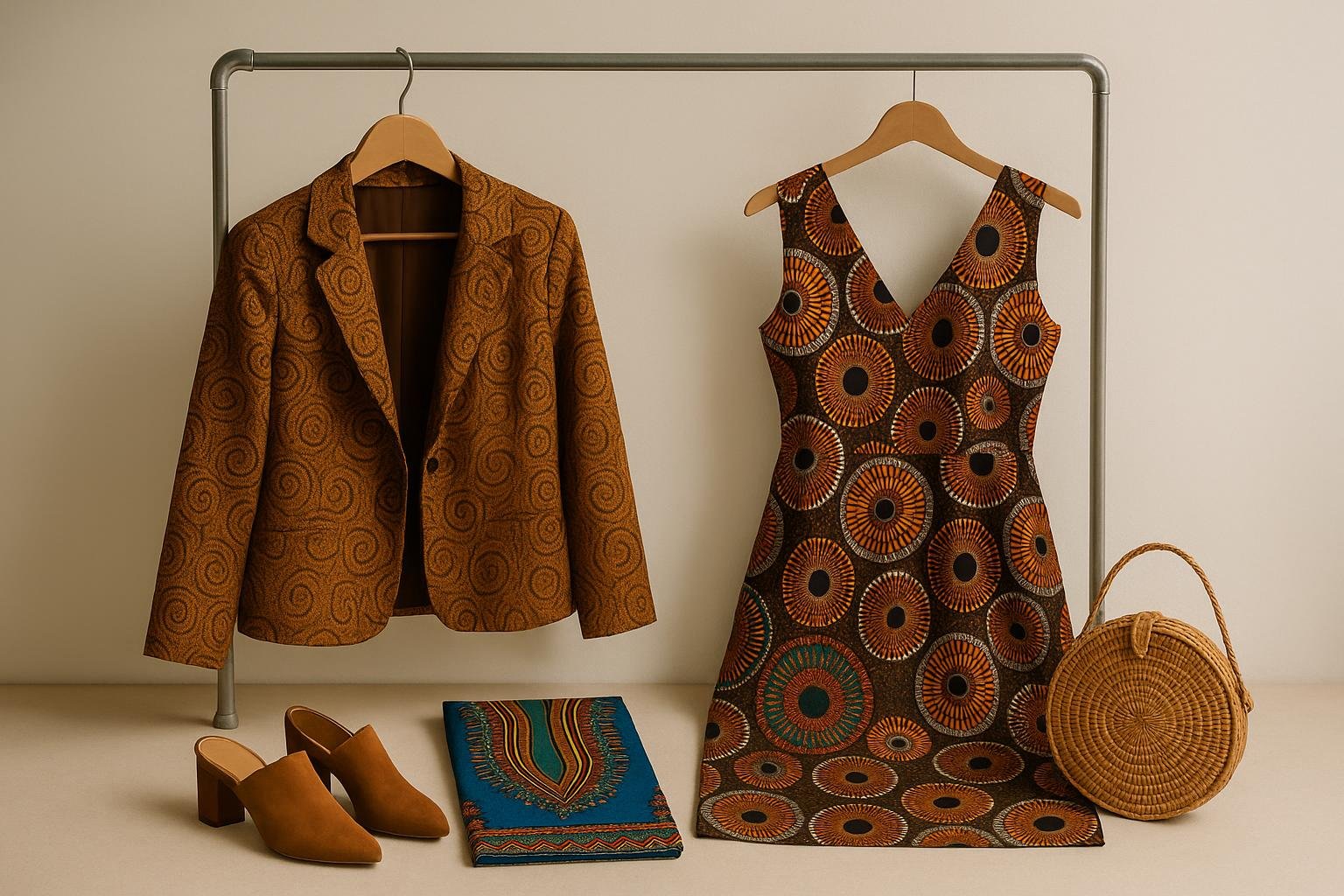
Understanding African-Inspired Fashion
African-inspired fashion has moved from the fringes of the global style scene to the center of contemporary wardrobes. It is no longer confined to runway statements or special occasions; it now informs everyday dressing, from tailored blazers trimmed with kente to sneakers lined in wax print. Yet many people still confuse African-inspired fashion with traditional African dress, overlooking the cultural depth and craftsmanship behind the designs.
This guide explores the roots, symbolism, styling options, and ethical considerations that define this powerful aesthetic, and offers practical advice on how to incorporate African print clothing and modern African clothing into a sophisticated, wearable wardrobe.
What Is African-Inspired Fashion?
African-inspired fashion refers to garments and accessories that draw visual, cultural, or technical influence from the African continent without always being strictly traditional or ceremonial. It is a design language rooted in African textiles, silhouettes, craftsmanship, and storytelling, reinterpreted through a contemporary lens for global audiences.
It can appear as a sharply tailored blazer in Ankara fabric, minimalist dresses with Maasai beadwork accents, or African inspired streetwear like hoodies with Adinkra symbols. Designers might adopt African weaving techniques, dyeing methods such as indigo or mud cloth, or iconic prints, while blending them with modern cuts, urban styling, and current African fashion trends.
Crucially, African-inspired fashion does not have to be loud or maximalist. Subtlety is common: a neutral trench with a wax print lining, a silk scarf in Shweshwe patterns, or sneakers with kente details. The inspiration lies in the codes—color, pattern, craft—rather than the volume.
Key Differences Between African-Inspired and Traditional African Fashion
Although they often intersect, there are clear distinctions between African-inspired fashion and traditional African dress:
- Function and context: Traditional garments are often tied to rituals, ceremonies, or social status—think Yoruba agbada, Xhosa umbhaco, or Maasai shúkà. African-inspired pieces are created for everyday wear, runways, and global street style, detached from strict ceremonial rules.
- Silhouette and construction: Traditional African clothing frequently follows age-old cutting and draping methods passed down through generations. By contrast, African-inspired fashion usually employs contemporary tailoring, Western silhouettes, urban sportswear shapes, or avant-garde cuts, while retaining African textile or motif influences.
- Materials and technology: Ancestral garments may be handwoven, hand-dyed, and entirely artisanal. Modern African clothing with an “inspired” approach might mix handwoven cloth with synthetic fibers, digital prints, or industrial manufacturing methods to increase accessibility and versatility.
- Cultural responsibility: Traditional dress is typically created and worn within the community that owns the heritage. African-inspired fashion may be designed by African or non-African creatives. When produced thoughtfully, it amplifies and supports African artisans and African fashion designers; when produced carelessly, it risks appropriation and exploitation.
Understanding these differences allows consumers to make informed choices, respect cultural roots, and support the right people when they invest in African-inspired pieces.
Cultural Roots and Symbolism in African-Inspired Fashion
The power of African-inspired fashion lies in its symbolism. It is not only visually striking; it also carries narratives about ancestry, politics, spirituality, and identity. Each fabric, motif, and color choice can communicate a message to those who understand its language.
Iconic African Prints, Fabrics, and Motifs
Several textiles and patterns have become synonymous with African print clothing and influence much of today’s African fashion trends:
- Ankara (wax print): Perhaps the most recognizable, Ankara is a cotton fabric printed with vibrant, often symmetrical motifs. Though historically linked to Dutch wax prints sold in West Africa, it has been embraced, localized, and given rich names and stories by African markets and designers.
- Kente: Originating from Ghana, kente is traditionally handwoven in narrow strips and then stitched together. Each color and pattern combination carries specific meanings linked to royalty, values, or proverbs. Modern uses include kente-inspired patterns in streetwear, accessories, and Ankara style outfits.
- Mud cloth (Bogolanfini): From Mali, mud cloth is made using fermented mud dyes on handwoven cotton. Its geometric motifs reference everything from social status to historical events. The visual language of mud cloth has strongly influenced African inspired streetwear and interior design.
- Adire and indigo textiles: Yoruba adire uses resist-dye techniques (tying, stitching, or waxing) to create intricate patterns in deep indigo. Contemporary designers reinterpret these motifs through digital prints or modern dyeing processes.
- Shweshwe: This printed cotton, widely worn in Southern Africa, is known for its small, intricate geometric patterns. Traditionally indigo, it now appears in many colors and is prized for structured dresses, shirts, and suits.
- Adinkra symbols: These Ghanaian visual symbols convey concepts like wisdom, unity, and courage. While originally stamped onto cloth, they now appear in jewelry, T-shirts, and accessories worldwide.
Each of these textiles and motifs can be reimagined in modern African clothing, yet their cultural roots remain present when designers approach them with respect.
The Meaning Behind Colors, Patterns, and Textiles
African-inspired fashion is deeply semiotic. Colors and patterns rarely exist for aesthetics alone; they reference beliefs, social roles, or historical narratives. While meanings vary across regions and ethnic groups, some recurring ideas can guide your understanding:
- Colors:
- Gold / Yellow: Often associated with wealth, divinity, and fertility. In kente, gold may reference royalty or glory.
- Red: Can symbolize blood, sacrifice, struggle, or spiritual power. In certain contexts, it recalls anti-colonial resistance.
- Blue: Frequently linked to peace, harmony, and love; in indigo traditions, it also symbolizes depth of knowledge and spirituality.
- Green: Tied to growth, agriculture, and renewal; often used to celebrate connection to the land.
- Black and white: Together, these may express balance, ancestry, and continuity between the living and the departed.
- Patterns:
- Geometric shapes: Triangles, chevrons, and grids often denote ideas like stability, direction, or hierarchy.
- Floral and organic motifs: Leaves, flowers, and vines can represent fertility, femininity, or renewal.
- Figurative icons: Keys, chains, birds, or umbrellas in wax prints may reference local sayings, political satire, or social commentary.
- Textile techniques:
- Weaving: Handwoven cloth often conveys prestige and heritage, signaling patient craftsmanship and intergenerational skill.
- Dyeing: Techniques like tie-dye, batik, and mud dye are more than surface decoration; they represent deep knowledge of natural resources and local ecosystems.
When African-inspired fashion harnesses these symbolic codes, it can transform everyday outfits into subtle carriers of history and personal identity, making each look more than a visual statement.
How to Style African-Inspired Fashion in Everyday Outfits
Integrating African prints into your wardrobe does not require a complete style overhaul. With thoughtful combinations, you can create polished ensembles for every setting, from casual weekends to corporate meetings and evening events.
Casual, Workwear, and Evening Outfit Ideas
Casual looks:
- Pair slim jeans with an Ankara bomber jacket and plain white T-shirt for a clean, modern silhouette. Finish with neutral sneakers to let the jacket stand out.
- Style a relaxed mud cloth-print sweatshirt with tailored joggers for an elevated African inspired streetwear look. Add leather slides or high-top trainers.
- Opt for a simple wax print midi skirt with a tucked-in chambray shirt. Neutral espadrilles or loafers keep it effortless and wearable.
Workwear outfits:
- Choose a structured blazer in a subtle African print layered over a solid sheath dress or tailored trousers. Keep accessories minimal to maintain a professional tone.
- Incorporate a kente-inspired silk scarf with a monochrome pantsuit. This small accent can instantly refresh classic office attire.
- Wear a button-down shirt with Shweshwe detailing on the collar and cuffs. Pair it with smart chinos or a pencil skirt to respect formal dress codes while expressing individuality.
Evening and occasionwear:
- Opt for a floor-length gown using Ankara or adire, with a contemporary neckline and defined waist. Metallic heels and understated jewelry keep the focus on the textile.
- Choose a tailored jumpsuit with bold wax print panels. A sleek blazer and statement earrings transition it seamlessly from dinner to cocktail events.
- For a minimalist approach, select a solid-color dress and elevate it with an intricately beaded clutch or kente sash.
These combinations illustrate how to style African prints with sophistication and balance, allowing the textiles to shine without overwhelming the outfit.
Tips for Mixing African-Inspired Pieces with Your Wardrobe
Successfully incorporating African-inspired fashion into your existing wardrobe requires a strategic approach. Consider the following guidelines:
- Begin with accents: If you are new to bold prints, start with accessories—scarves, belts, bags, or shoes in wax print or kente-inspired patterns. These pieces pair easily with neutral basics.
- Anchor with solids: When wearing a strong African print, keep other elements solid and understated. A patterned skirt with a black turtleneck or a bold blazer over a white shirt preserves harmony.
- Respect proportion: Balance volumes. If your top is voluminous (for example, a peplum Ankara blouse), choose slim trousers or a pencil skirt. Conversely, wide-leg wax print trousers work best with fitted tops.
- Limit competing patterns: Mixing patterns can work, but it demands precision. Combine one African print with either stripes, subtle checks, or a micro-print in a shared color palette. Avoid too many large motifs in one look.
- Mind color harmony: Draw two or three colors from the print and repeat them in other parts of the outfit—shoes, bag, or outerwear. This creates visual coherence.
- Adapt to your personal style: If your aesthetic is minimal, choose African-inspired pieces with restrained palettes or smaller motifs. For a more maximalist approach, embrace bolder Ankara style outfits or layered beaded accessories.
- Consider context and meaning: Some patterns and color combinations may carry specific cultural or ceremonial significance. When possible, research their origins or ask the designer to ensure that your styling choices are respectful.
By building gradually and intentionally, you can create a wardrobe where African-inspired pieces feel integrated rather than costume-like, aligning with your lifestyle and aesthetic preferences.
Ethical Shopping and Top African-Inspired Fashion Brands
As demand for African-inspired fashion grows, so does the risk of cultural appropriation, unfair labor practices, and mass-produced imitations of traditional textiles. Conscious consumers increasingly seek ethical African fashion brands that honor heritage, pay fair wages, and minimize environmental harm.
How to Choose Authentic and Ethically Made Pieces
When assessing African-inspired garments, consider these benchmarks:
- Transparent sourcing: Ethical labels disclose where their fabrics come from and who makes their clothes. Look for brands that name specific regions, cooperatives, or artisan groups rather than vague “Africa-inspired” sourcing.
- Fair labor practices: Investigate whether the company pays living wages, offers safe working conditions, and supports long-term economic development for communities involved in production.
- Collaboration with artisans: Authentic modern African clothing often results from partnerships between designers and local artisans—handweavers, dyers, embroiderers, or beadworkers. Brands should credit these collaborators and share their stories.
- Cultural respect, not exploitation: Ethical brands acknowledge the origins of motifs and textiles, avoid sacred or restricted designs, and reinvest in the cultures they draw from. Be wary of companies that treat cultural symbols as mere decoration without credit or context.
- Quality over quantity: Durable fabrics, strong seams, and carefully considered design details are hallmarks of responsible production. Well-made garments reduce waste and honor the time invested by artisans.
- Sustainable materials and processes: Many forward-thinking designers use organic cotton, plant-based dyes, deadstock fabrics, or zero-waste cutting techniques. While perfection is rare, genuine efforts toward sustainability are important.
Before purchasing, review a brand’s website, social channels, and independent reviews. If information about sourcing and labor is absent or vague, proceed cautiously.
Emerging African Designers and Sustainable Fashion Labels
A dynamic generation of African fashion designers and diaspora creatives is redefining how the world sees African-inspired fashion. While specific labels evolve rapidly, the following categories highlight where to look and what to expect:
- Artisan-centered brands: These labels work directly with weaving collectives in Ghana, embroidery groups in Senegal, or dyeing communities in Nigeria, transforming heritage techniques into contemporary garments. Expect handwoven kente jackets, indigo-dyed shirtdresses, and limited-edition accessories.
- Urban streetwear houses: African inspired streetwear brands blend wax print panels with hoodies, cargo pants, and sneakers. They often integrate political messages, hip-hop influences, or Afrofuturist visuals, creating clothing that functions as cultural commentary.
- Luxury and ready-to-wear designers: High-end labels led by African creatives are gaining global recognition for their tailoring, innovation, and refined approach to African fashion trends. Look for clean silhouettes accentuated by sculptural sleeves, architectural draping, or subtle textile inserts.
- Sustainable concept labels: These brands emphasize circularity, using reclaimed fabrics, deadstock Ankara, or upcycled denim reworked with African prints. They tend to release small, thoughtful collections rather than large seasonal drops.
- Accessory and jewelry studios: From brass cuffs inspired by ancient adornment to beadwork rooted in Maasai or Ndebele traditions, accessory-focused labels offer an accessible way to explore African-inspired aesthetics with lower environmental impact.
When you support ethical African fashion brands, you do more than purchase clothing. You participate in sustaining craft traditions, generating income for communities, and amplifying diverse voices shaping global style.
Conclusion
African-inspired fashion is far more than a passing trend. It is a vibrant, evolving language of color, craft, and narrative that connects the past to the present. By distinguishing it from traditional garments, understanding the symbolism of fabrics and motifs, and learning how to style African prints with nuance, you can build a wardrobe that is both visually compelling and culturally aware.
As you explore African print clothing, Ankara style outfits, and work by contemporary African fashion designers, prioritize authenticity and ethics. Seek brands that collaborate with artisans, respect heritage, and commit to sustainable practices. In doing so, your clothing choices become a form of storytelling—honoring the creativity, resilience, and ingenuity that define African-inspired fashion today.
Discover More from Didier Lancelot
Amazon Author page: amazon.com/author/didierlancelot
Narmer Store: narmerstore.org
AI and Technology Ebooks
- Creative AI: Animated Drawings, Manga & Illustrations
- Build a Game with AI: The No-Code Guide
- AI Image Generation Made Easy
- Build a Website with AI: The No-Code Guide
- How to Connect AI to Your Blog: The Ultimate Automation Guide
- AI Productivity Habits: Get More Done in Less Time
- AI Avatars Made Easy
- The Book of AI Prompts: 100+ Proven Prompts
- Make Music with AI: Suno, Udio and AI Music Generators
- Click to Cash
- The Automated Edge: Outwork, Outpace, and Outperform with AI
- AI Side Hustle: How to Make Money with ChatGPT and AI Tools
- Work Smarter with AI
Health, Lifestyle and Home Ebooks
- Hidden Superfoods: The World’s Most Powerful Healing Foods
- Spanish Food: The Complete Cookbook for Authentic Home Cooking
- The Science of Happiness Explained
- The Psychology of Success
- The Secret Sauce of Consistency: What the Experts Don’t Tell You About Fitness
- The Complete Home Bartender’s Guide: Link 1 | Link 2
- Natural Beauty, Made Simple: Easy DIY Organic Skincare Recipes
- Garden Made Simple: Easy, Beginner-Friendly Techniques
- The Dog Training Bible