
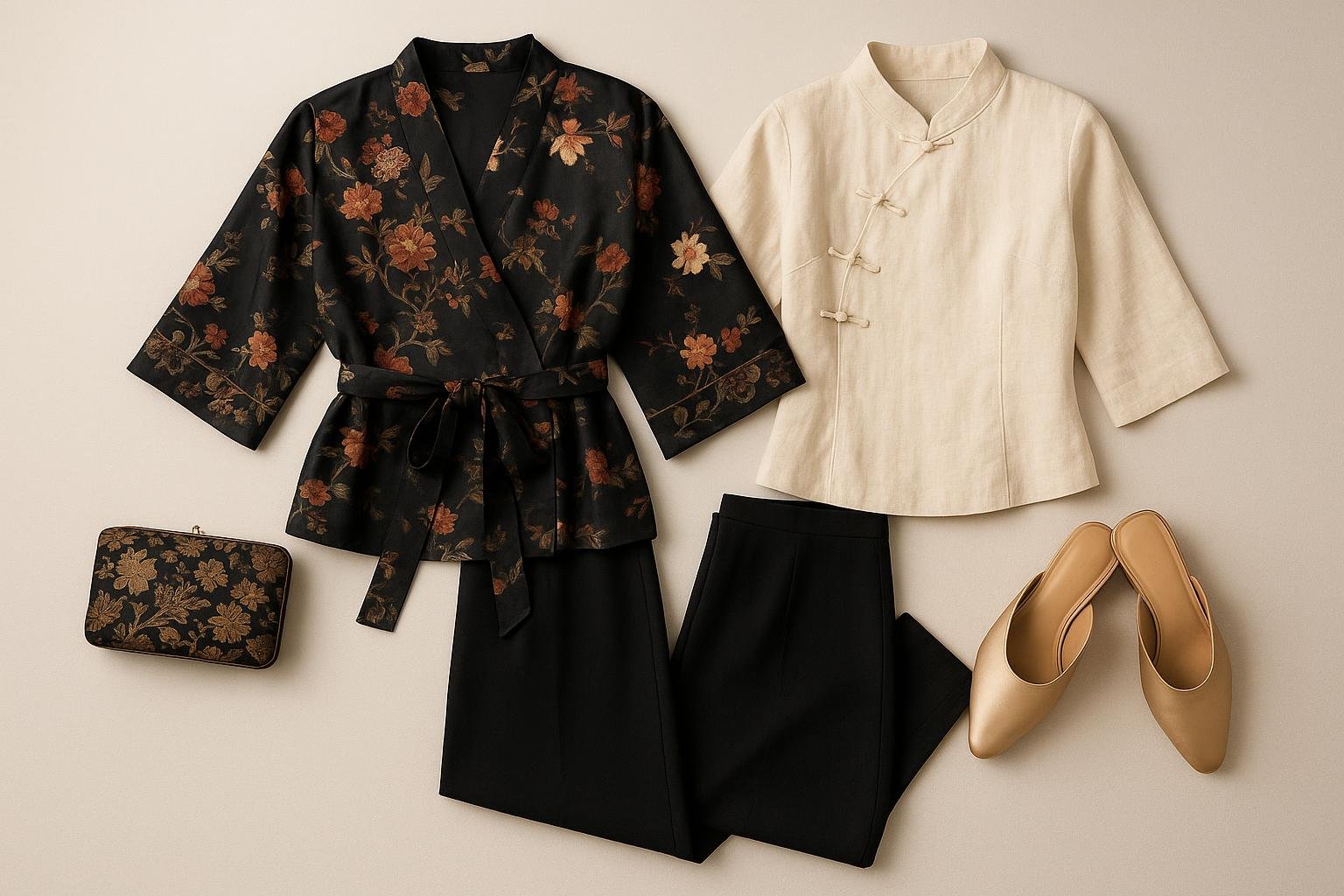
Understanding Asian-Inspired Fashion
Asian-inspired fashion has moved far beyond fleeting trends. It now shapes global style through silhouettes, textiles, and aesthetics drawn from centuries of craftsmanship across the continent. From the fluid lines of the kimono to the sharp tailoring of modern Korean street style, these influences can be seen in everything from luxury runways to everyday wardrobes.
For fashion-conscious consumers, the challenge is twofold: understanding what “Asian-inspired” truly means and learning how to wear these pieces in a way that is both contemporary and culturally respectful. This guide explores the roots of Asian fashion trends, how they translate into modern outfits, and how to shop ethically while honoring the heritage behind the clothes.
What Is Asian-Inspired Fashion?
Asian-inspired fashion refers to clothing and accessories that draw design elements from diverse Asian cultures without necessarily being traditional or ceremonial garments. Designers reinterpret signature motifs, shapes, and construction techniques from countries such as Japan, China, Korea, India, Thailand, and Vietnam, blending them with modern cuts and global influences.
Common features include:
- Distinctive silhouettes: Wrap fronts, side ties, mandarin collars, and wide sleeves reminiscent of the kimono, cheongsam (qipao), or hanbok jeogori.
- Artisanal fabrics: Silk, handwoven cotton, ikat, batik, and brocade reimagined in contemporary pieces like blazers, dresses, and trousers.
- Symbolic patterns: Florals such as cherry blossoms or lotuses, dragons, cranes, clouds, and geometric motifs adapted for modern prints.
- Hybrid styling: Traditional details paired with Western staples, such as a modern kimono outfit worn over jeans and a camisole.
Unlike costumes or direct replicas of ceremonial dress, Asian-inspired clothing is created for everyday life: work, weekends, special events. The best designs acknowledge their references while remaining functional, versatile, and rooted in the present.
Key Differences Between Asian-Inspired and Traditional Asian Clothing
It is crucial to understand the difference between inspiration and tradition. Traditional Asian clothing usually has deep cultural, regional, and sometimes religious significance. It is often associated with milestones, rituals, and national identity. Asian-inspired fashion, by contrast, borrows visual codes but adapts them to current lifestyles and markets.
Key differences include:
- Function and context: Traditional garments such as a formal kimono, Korean hanbok, Indian sari, or Vietnamese áo dài are often worn on specific occasions. Inspired pieces are meant for everyday wear and do not typically carry ceremonial meaning.
- Construction and formality: Authentic ceremonial pieces tend to have intricate construction, layers, and precise rules on how to wear them. Modern Japanese-inspired clothing, for example, may mimic the wrap front or obi-like belt while using simplified patterns, zips, or elastic waistbands.
- Cultural symbolism: Specific colors, motifs, or accessories can signify marital status, mourning, or social position in traditional contexts. Asian-inspired designs may use similar motifs aesthetically, but they generally lack those encoded messages.
- Materials and craftsmanship: Traditional clothing often relies on handcrafted textiles and time-intensive techniques. Contemporary fashion might echo the look using machine-made fabrics, or it may consciously support artisans through ethical collaborations.
Recognizing these distinctions is the first step toward wearing Asian-inspired outfits thoughtfully. It allows you to appreciate the artistry without unintentionally misusing garments that hold sacred or ceremonial meaning.
Cultural Roots and Influences Across Asia
Asia is not a monolith. Each region has its own sartorial language, shaped by climate, history, religion, and craftsmanship. Understanding some of the main influences from different areas will help you identify design references and style them with greater sensitivity.
East Asian Fashion Influences: Japan, China, Korea
East Asia has had a profound impact on contemporary global fashion, particularly through minimalist design, sharp tailoring, and conceptual silhouettes.
-
Japan:
Japanese aesthetics emphasize harmony, asymmetry, and an appreciation for imperfection. In fashion, this translates into:
- Kimono-inspired coats and wrap dresses with clean lines.
- Obi-style belts cinching otherwise loose garments.
- Layering of fluid fabrics, often in muted tones like indigo, charcoal, cream, and black.
- Avant-garde draping and volume seen in many Japanese-inspired clothing collections.
Contemporary Japanese streetwear also contributes bold graphics, oversized silhouettes, and unexpected pairings, influencing how people build a modern kimono outfit for urban settings.
-
China:
Chinese dress heritage is rich in symbolism and opulence. The cheongsam or qipao, with its high mandarin collar and form-fitting cut, has inspired countless adaptations. Key features include:
- Frog closures, stand collars, and side slits reimagined on dresses and tops.
- Gold embroidery, intricate brocade, and glimmering satin used sparingly in modern designs.
- Motifs like dragons, phoenixes, peonies, and clouds reinterpreted as subtle prints or jacquards.
Modern Chinese-influenced pieces are often streamlined and versatile, avoiding the ornate excess of formal wear while retaining distinctive details.
-
Korea:
Korean fashion has become a global reference point thanks to K-pop, K-dramas, and an extremely trend-sensitive urban scene. Distinctive elements from traditional hanbok and Korean street style include:
- Short, structured jackets and high-waisted skirts echoing hanbok proportions.
- Soft, voluminous sleeves and A-line shapes juxtaposed with sharp tailoring.
- Layered, athleisure-driven looks featuring oversized shirts, blazers, and sneakers.
- Playful color blocking, from pastels to vibrant neons, balanced with neutral staples.
Today, Korean street style illustrates how to blend heritage with cutting-edge silhouettes, creating outfits that feel both polished and dynamic.
South & Southeast Asian Fashion Influences: India, Thailand, Vietnam
South and Southeast Asia offer a wealth of textile traditions and draping techniques that have shaped global fashion, from resort wear to couture.
-
India:
Indian dress spans countless regions and communities, but certain elements are particularly influential in contemporary design:
- Rich embroideries such as zardozi and mirror work featured on jackets, skirts, and evening gowns.
- Sari-inspired drapes adapted into gowns, skirts, or asymmetrical tops.
- Hand-block prints, ikat, and natural-dye techniques used on modern silhouettes like shirt dresses and culottes.
- Jewel tones and metallic accents used as strategic highlights rather than head-to-toe statements.
Designers often collaborate with Indian artisans to develop ethically made, limited-edition pieces that merge heritage textiles with streamlined forms.
-
Thailand:
Thai traditional clothing features intricate woven fabrics, draped skirts, and elegant tailoring. In modern collections, these influences appear as:
- Wrap skirts and sarong-style trousers in handwoven cotton or silk.
- Subtle metallic threads and detailed borders running along hemlines.
- Fitted tops or jackets paired with fluid bottoms for a balanced silhouette.
Resort and holiday wear often draw from Thai shapes and fabrics, offering relaxed yet refined pieces that transition easily from beach to city.
-
Vietnam:
Vietnamese fashion heritage is strongly associated with the áo dài: a long tunic with side slits worn over trousers. Its modern influences include:
- Tunic-style dresses with side slits layered over tailored pants.
- Slim, elongated silhouettes that visually lengthen the body.
- Minimalist necklines and clean seams, often in solid colors or delicate prints.
These features work particularly well in office and occasion wear, offering a polished alternative to conventional dresses and suits.
How to Style Asian-Inspired Fashion in Everyday Outfits
Incorporating Asian-inspired elements into daily dressing does not require a complete wardrobe overhaul. Focus on one or two key pieces, then build balanced outfits that feel organic to your personal style. The goal is to create looks that are stylish, comfortable, and clearly contemporary.
Modern Street Style Looks with an Asian-Inspired Twist
Streetwear is an ideal space for experimentation. It allows you to fuse casual staples with distinctive details drawn from across Asia.
-
Layered kimono-style jackets:
Opt for a lightweight kimono-inspired jacket in solid linen or cotton and wear it open over a simple T-shirt and straight-leg jeans. Finish with minimal sneakers or leather sandals. This approach highlights the silhouette without veering into costume territory.
-
Korean street style ensembles:
Emulate Korean street style by combining oversized tops, tailored shorts or wide-leg trousers, and sleek trainers. Add a bomber jacket with subtle embroidery or a shirt featuring a mandarin collar for a refined nod to East Asian design. Keep the color palette cohesive to maintain sophistication.
-
Print mixing with restraint:
Try pairing a Japanese-inspired floral shirt with neutral chinos or a black midi skirt. Allow the patterned piece to be the focal point while the rest of the outfit remains understated. Limit yourself to one statement motif per look to preserve visual balance.
-
Street sarong or wrap elements:
A sarong-style wrap skirt in a muted batik or ikat fabric can be styled with a tank top, denim jacket, and low-profile trainers. This creates a relaxed look that still feels carefully curated.
By anchoring distinctive items with familiar basics, you can integrate Asian fashion trends into your everyday wardrobe without overwhelming your overall look.
Office, Evening, and Special Occasion Outfit Ideas
Asian-inspired fashion is also highly effective for work and formal events, provided you focus on elegant silhouettes and refined details.
-
Office-ready pieces:
Look for mandarin-collar blouses in high-quality cotton or silk, paired with tailored trousers or a pencil skirt. A structured blazer featuring subtle jacquard patterns or cheongsam-style frog closures can replace a standard jacket and instantly elevate your work attire.
-
Áo dài-inspired workwear:
Select a tunic-length shirt or dress with side slits and wear it over slim, ankle-length trousers. Keep accessories minimal and shoes polished. This silhouette nods to Vietnamese heritage while remaining perfectly aligned with modern office dress codes.
-
Contemporary evening looks:
For evening events, consider a sari-inspired draped dress, a minimalist gown with obi-style waist detailing, or a sleek qipao-inspired dress with a contemporary, less restrictive cut. Deep jewel tones, fine embroidery, or strategic metallic highlights can provide drama without excess.
-
Special occasions and celebrations:
At weddings or formal gatherings, a coordinated set featuring a richly embroidered jacket and a simple column dress can be striking. Alternatively, a wrap skirt in Thai silk paired with a modern, tailored top creates a look that feels both festive and timeless.
In all cases, pay attention to proportion. Let one statement piece take the lead and keep the rest of the outfit streamlined. This ensures that Asian-inspired details read as thoughtful design rather than costume.
Shopping Ethically and Styling Tips for Asian-Inspired Pieces
As demand for Asian-inspired clothing grows, so do concerns about cultural appropriation, fast fashion exploitation, and the erasure of local artisans. Choosing where and how you shop is as important as what you wear.
How to Choose Authentic, Ethical Asian-Inspired Fashion Brands
Supporting ethical Asian fashion brands means prioritizing transparency, fair labor, and genuine respect for cultural origin. Consider the following when evaluating a label or retailer:
-
Origin and authorship:
Research who designs the clothing. Brands founded or led by people from the cultures being referenced are more likely to approach traditional elements with care. This does not exclude others from designing, but authentic participation and collaboration matter.
-
Artisan partnerships:
Look for brands that work directly with weaving communities, embroidery collectives, or dyeing cooperatives, and that disclose how artisans are paid. True collaboration acknowledges specific communities, not just “inspired by Asia” as a vague reference.
-
Material sourcing and production:
Ethical brands often share details about their supply chains, from organic or responsibly sourced fabrics to environmentally conscious dyeing processes. Certifications can help, but clear, specific storytelling is often a stronger indicator of integrity.
-
Cultural context and storytelling:
Responsible labels provide information about the history and significance of their designs. Product descriptions may explain the origin of a motif or technique, helping customers understand what they are wearing.
-
Longevity and design quality:
Prioritize timeless cuts and durable construction. Pieces that you can wear for many seasons reduce waste and honor the labor and traditions embedded in the garment.
When shopping, consider investing in fewer, higher-quality items that you plan to wear often. This approach respects the value of the craftsmanship and helps to counter fast fashion’s extractive patterns.
Styling Dos and Don’ts to Respect Cultural Heritage
How you style Asian-inspired outfits is just as important as where you purchase them. Thoughtful choices can prevent misrepresentation and help you express admiration rather than appropriation.
-
Do learn about the garment’s background:
Before wearing a piece with clearly recognizable traditional elements, take time to understand its origins. Learn what the specific pattern, color, or shape might symbolize. This knowledge helps you avoid inappropriate contexts, such as wearing something with sacred imagery to a casual party.
-
Do integrate, not imitate:
Use individual design elements as accents within your own aesthetic rather than trying to “look” like a specific nationality or culture. Combine Asian-inspired pieces with your existing wardrobe rather than assembling a head-to-toe imitation of traditional dress.
-
Do be mindful of accessories and hair:
Certain hairstyles and accessories carry cultural, religious, or historical weight. Research whether wearing specific items, such as ceremonial hair ornaments or religious symbols, could be insensitive outside their intended context.
-
Don’t wear sacred or ceremonial items as trends:
Avoid garments or accessories that are explicitly intended for rituals, worship, or major life events. Transforming these into everyday fashion erases their significance and can be deeply disrespectful.
-
Don’t reduce cultures to costumes:
Be especially careful around parties, festivals, or events where “themed” dress is encouraged. Treat Asian cultures as living, evolving communities, not aesthetics to be donned temporarily for amusement.
-
Don’t ignore feedback:
If someone from the culture being referenced expresses discomfort with how a piece is styled or used, listen and reconsider. Being open to dialogue is part of practicing culturally respectful fashion.
Ultimately, the most respectful approach is guided by curiosity, humility, and a willingness to learn. When you understand the stories behind your clothes, you are better equipped to wear them with dignity and appreciation.
Conclusion
Asian-inspired fashion offers a rich palette of silhouettes, techniques, and motifs that can profoundly elevate a modern wardrobe. From the clean lines of Japanese-inspired clothing to the vivid textiles of South and Southeast Asia and the directional energy of Korean street style, these influences deserve both admiration and thoughtful engagement.
By distinguishing between traditional Asian clothing and contemporary reinterpretations, you can choose garments that suit everyday life while honoring their cultural roots. Shopping from ethical Asian fashion brands, supporting artisans, and styling with awareness transforms your personal style into a form of cultural appreciation rather than appropriation.
Approach each piece with respect, learn the narratives behind its design, and let those stories inform how you wear it. In doing so, you not only refine your aesthetic but also contribute to a more conscious, connected, and culturally literate fashion landscape.
Discover More from Didier Lancelot
Amazon Author page: amazon.com/author/didierlancelot
Narmer Store: narmerstore.org
AI and Technology Ebooks
- Creative AI: Animated Drawings, Manga & Illustrations
- Build a Game with AI: The No-Code Guide
- AI Image Generation Made Easy
- Build a Website with AI: The No-Code Guide
- How to Connect AI to Your Blog: The Ultimate Automation Guide
- AI Productivity Habits: Get More Done in Less Time
- AI Avatars Made Easy
- The Book of AI Prompts: 100+ Proven Prompts
- Make Music with AI: Suno, Udio and AI Music Generators
- Click to Cash
- The Automated Edge: Outwork, Outpace, and Outperform with AI
- AI Side Hustle: How to Make Money with ChatGPT and AI Tools
- Work Smarter with AI
Health, Lifestyle and Home Ebooks
- Hidden Superfoods: The World’s Most Powerful Healing Foods
- Spanish Food: The Complete Cookbook for Authentic Home Cooking
- The Science of Happiness Explained
- The Psychology of Success
- The Secret Sauce of Consistency: What the Experts Don’t Tell You About Fitness
- The Complete Home Bartender’s Guide: Link 1 | Link 2
- Natural Beauty, Made Simple: Easy DIY Organic Skincare Recipes
- Garden Made Simple: Easy, Beginner-Friendly Techniques
- The Dog Training Bible