
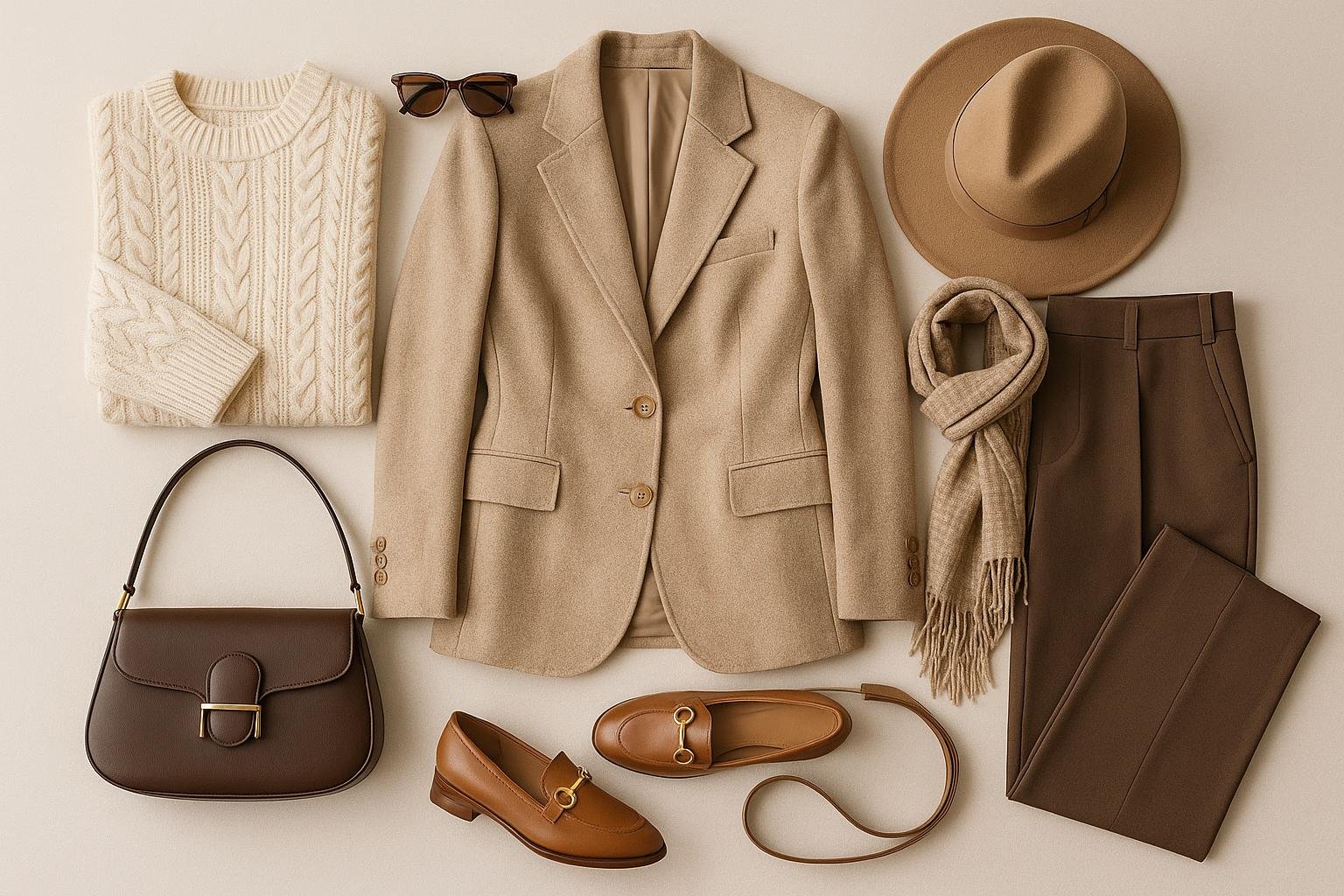
The Essence of European Classic Fashion
European classic fashion evokes an image of ease, refinement, and enduring elegance rather than fleeting trends. Rooted in quality craftsmanship and understated luxury, it is a style philosophy that privileges longevity over novelty. From Parisian nonchalance to Italian polish, this aesthetic offers a blueprint for dressing with poise in any setting.
Unlike overtly trend-driven wardrobes, a timeless European wardrobe is curated slowly. Each piece earns its place through impeccable fit, superior fabric, and versatile design. The result is a collection of garments that can be worn and re-worn across seasons and years, always looking relevant and composed.
Defining European Classic Style: Timeless vs. Trend-Driven
At its core, European classic style is about intention. Instead of chasing every seasonal microtrend, it focuses on silhouettes and pieces that transcend fashion cycles. Think of a well-cut camel coat, a navy blazer, a silk blouse, or a pair of perfectly tailored trousers. These items form the backbone of classic European outfits, anchoring your look regardless of passing fads.
Trend-driven fashion often relies on novelty: bold logos, exaggerated proportions, or fleeting “it” colors. By contrast, classic European clothing favors restraint. Prints are subtle, logos are minimal, and details are refined rather than ostentatious. The overall impression is quietly luxurious: the sort of old money European style that signals discernment without shouting for attention.
This does not mean European classic fashion is static or conservative. Instead, it absorbs elements of the contemporary—updated cuts, modern accessories, fresh color accents—without compromising its essence. The foundation remains timeless; the details evolve.
Key Characteristics: Tailoring, Fabrics, Colors, and Silhouettes
The power of a European classic wardrobe lies in four pillars: tailoring, fabrics, color palette, and silhouette.
- Tailoring: Fit is non-negotiable. Blazers skim the shoulders, trousers graze the ankle cleanly, and dresses follow the natural line of the body. Even relaxed pieces are cut in a way that respects proportion. Many Europeans routinely visit tailors to refine ready-to-wear garments, transforming simple pieces into made-for-you staples.
- Fabrics: Natural fibers dominate—wool, cashmere, cotton, linen, and silk. These materials age gracefully, drape beautifully, and feel pleasant against the skin. The emphasis on quality textiles is key to the long life of a European capsule wardrobe; well-chosen fabrics maintain their structure, color, and finish over time.
- Colors: Neutrals anchor the palette: black, navy, charcoal, beige, camel, ivory, and white. Soft blues, muted burgundies, and deep greens frequently appear as sophisticated accents. This restrained chromatic range makes mixing and matching effortless, an essential feature of timeless European dressing.
- Silhouettes: Shapes are clean and harmonious. Straight-leg or gently tapered trousers, pencil or A-line skirts, wrap or sheath dresses, and structured outerwear all contribute to an elegant, balanced look. Excessive volume or overly tight fits are avoided in favor of graceful lines that flatter the body without constricting it.
When these elements combine, the result is an elegant European clothing style that looks considered but never overworked, polished but never stiff.
Iconic European Classic Fashion Capitals
While the ethos of European classic style can be found across the continent, certain cities have shaped its image on the global stage. Paris and major Italian fashion hubs—Milan, Florence, and Rome—are particularly influential, each offering its own interpretation of refinement.
Parisian Chic: Effortless Elegance and Minimal Wardrobes
Parisian classic style is synonymous with ease. It champions a curated, minimal wardrobe in which every item fulfills multiple roles. French dressing revolves around discreet sophistication: nothing appears overly coordinated, yet everything works in harmony.
Key elements of Parisian chic include:
- Signature outerwear: Trench coats, tailored wool coats, and cropped leather jackets provide structure and instant polish.
- Simple staples: Breton striped tops, crisp white shirts, slim dark denim, and black cigarette pants form the daily uniform.
- Low-key footwear: Ballet flats, loafers, ankle boots, or classic pumps—shoes that prioritize both form and function.
- Subtle details: A silk scarf knotted at the neck, red lipstick, or a delicate gold necklace often serves as the focal point.
Rather than stockpiling clothes, Parisians tend to invest in fewer, better pieces. This approach creates a truly timeless European wardrobe, where repetition is not just accepted but celebrated. The same blazer may be worn to the office, a dinner, and a weekend outing, styled differently each time yet always appearing fresh.
Italian Refinement: Luxe Fabrics, Sharp Tailoring, and La Dolce Vita Style
Italian classic fashion exudes warmth and confidence. It shares the European commitment to quality, but brings an extra dose of flair. In cities like Milan and Florence, the tailoring traditions are extraordinary: jackets hug the shoulders, trousers are cut just so, and dresses skim the figure with precision.
Defining features of Italian refinement include:
- Exceptional tailoring: Blazers and suits are engineered for movement and comfort, often with softly structured shoulders and a nipped waist.
- Luxe textiles: Fine wools, cashmere blends, silk twill, and supple leather are standard. Their richness is immediately perceptible, even in simple designs.
- Rich neutrals and color accents: Camel, chocolate, charcoal, and navy are common foundations, with strategic use of bolder hues—saffron, emerald, or deep red—to add vitality.
- La dolce vita attitude: Clothing is worn with a sense of pleasure. Sunglasses, leather gloves, and well-crafted shoes complete the look without tipping into showiness.
Italian classic style often feels slightly more expressive than its Parisian counterpart yet retains a refined restraint. It is ideal for those drawn to elegant European clothing who also appreciate tactile luxury and a touch of drama.
Building a European Classic Wardrobe
Constructing a European capsule wardrobe does not require starting from zero. It involves assessing what you own, refining your selection, and gradually introducing high-quality staples that align with your lifestyle. The goal is a cohesive collection where nearly every item can be combined with another, enabling endless outfits with minimal effort.
Essential Closet Staples: Coats, Blazers, Trousers, and Dresses
Certain pieces are foundational to European classic fashion. Investing in these items will instantly make your wardrobe more versatile and polished.
- Coats: A tailored wool coat in camel, navy, or black is indispensable. A trench coat, preferably in beige or khaki, adds a sophisticated layer for transitional seasons. In colder climates, a long, minimalist down coat in a dark neutral can preserve elegance without sacrificing warmth.
- Blazers: A sharp blazer elevates everything from denim to dresses. Start with a single-breasted navy or black blazer with minimal embellishment; add a lighter neutral like grey or beige as your wardrobe grows. A well-fitted blazer is essential to classic European outfits, offering instant structure.
- Trousers: Straight-leg or slightly tapered trousers in black, navy, and grey are workhorses. Look for mid- to high-rise cuts that elongate the leg. When possible, choose wool or wool-blend pairs for the office and refined cotton or linen for casual wear.
- Dresses: Two core categories serve most needs: a simple black or navy sheath dress for more formal occasions, and a day dress in a solid color or subtle print for everyday wear. Wrap and shirt dresses are particularly versatile, suiting both office and leisure.
With these foundations, you can incorporate complementary pieces: fine-gauge knitwear, silk blouses, high-quality T-shirts, and a carefully chosen pair of dark, well-fitting jeans. Each addition should enhance the integrity of your timeless European wardrobe rather than distract from it.
Accessories that Elevate: Shoes, Bags, Scarves, and Subtle Jewelry
Accessories are where European style truly comes alive. They refine simple outfits and introduce personality without undermining the classic foundation.
- Shoes: Prioritize a few impeccably made pairs. Leather loafers, ballet flats, ankle boots, and mid-heel pumps are foundational. For leisure, clean minimalist sneakers in white or muted tones integrate seamlessly into an elegant wardrobe.
- Bags: A structured leather handbag in black, tan, or taupe serves daily needs and complements virtually any ensemble. A smaller crossbody or clutch suffices for evenings. Hardware should be discreet, allowing craftsmanship and silhouette to dominate.
- Scarves: Lightweight silk scarves nod to both French and Italian sartorial traditions. Wool or cashmere scarves in winter lend warmth and texture. Tied at the neck, draped over the shoulders, or looped through bag handles, they subtly signal classic European style.
- Jewelry: Favor delicate, timeless designs. Thin gold or silver hoops, a simple chain necklace, a discreet watch, or a signet ring align with old money European style—a quiet expression of taste rather than opulence.
With the right accessories, even a basic combination of jeans, a white shirt, and a blazer instantly becomes a polished, European-inspired ensemble.
How to Wear European Classic Fashion Today
Translating European classic fashion into everyday life involves adaptability. The same core pieces must work for professional settings, relaxed weekends, and travel. Thoughtful styling, attention to fit, and strategic layering ensure that your wardrobe serves all facets of your routine.
Everyday Outfits: Office, Weekend, and Travel Looks
Well-planned outfits demonstrate how a limited selection of garments can meet diverse needs.
- Office: Combine a tailored blazer with straight-leg trousers and a silk blouse for a refined business look. In more relaxed workplaces, swap the blouse for a high-quality knit or crisp T-shirt under the blazer. Finish with leather loafers or low-heel pumps and a structured handbag.
- Weekend: For off-duty days, opt for dark, well-cut denim, a Breton top or simple crewneck sweater, and a trench coat or leather jacket. Ballet flats, ankle boots, or clean sneakers keep the mood casual yet elevated. Add a scarf or understated jewelry to retain the essence of classic European outfits, even in informal settings.
- Travel: A European classic wardrobe is ideal for travel thanks to its cohesive color palette and versatile pieces. Pack a pair of tailored trousers, dark jeans, a blazer, a trench or wool coat, two to three tops, and a dress that transitions from day to night. Limit shoes to two or three pairs that coordinate with everything. This approach ensures you look composed from airport to city stroll to evening dinner.
In each scenario, the goal remains the same: thoughtful simplicity. Instead of dramatically changing your style from one context to another, you make subtle adjustments while preserving a consistent, refined identity.
Styling Tips: Layering, Fit, and Mixing Classic with Modern Pieces
Styling is where the philosophy behind European classic fashion becomes visible. A few guiding principles help you maintain coherence while evolving your look.
- Prioritize impeccable fit: Even an expensive garment appears inelegant if it fits poorly. Hem trousers to the correct length, tailor waistbands, and adjust sleeve lengths. These small alterations transform ordinary clothing into custom-feeling pieces that flatter your frame.
- Master subtle layering: Layering is essential in European climates and integral to the aesthetic. Combine a fine turtleneck under a blazer, a crisp shirt under a crewneck sweater, or a slip dress under a tailored coat. Keep layers thin and light to avoid bulk, allowing the silhouette to remain streamlined.
- Balance proportions: If one element is voluminous, keep the rest fitted. Pair wide-leg trousers with a more structured top or a slim turtleneck; wear a fluid midi skirt with a tailored blazer. This balance ensures an elegant European clothing silhouette that neither swamps the body nor appears overly tight.
- Integrate modern elements with restraint: To keep your style current, introduce contemporary touches—perhaps a modern cut of denim, a trending shoe shape, or an updated handbag. Always pair these with classic anchors. For instance, style relaxed, modern jeans with a traditional navy blazer and loafers, ensuring the outfit remains grounded in European classic style.
- Consistency in palette and materials: Even when experimenting, maintain coherence through color and fabric. Working within a unified palette enhances the impression of a deliberate, curated wardrobe. Limiting synthetic-heavy garments and favoring natural fibers also preserves the refined look and feel typical of a classic European wardrobe.
By following these principles, you can evolve, personalize, and modernize your look while remaining faithful to the timeless codes of European fashion.
Conclusion
European classic fashion is not merely an aesthetic; it is a disciplined yet rewarding way of approaching dress. By investing in quality, prioritizing fit, and curating a cohesive selection of garments, you gain a wardrobe that serves you reliably through changing trends, seasons, and stages of life.
Whether you gravitate toward the restrained Parisian classic style or the more expressive Italian interpretation, the underlying message remains constant: longevity over excess, subtlety over spectacle, and authenticity over ostentation. Adopting a classic European wardrobe means dressing with clarity and intention, projecting an elegance that feels both timeless and unmistakably your own.
Discover More from Didier Lancelot
Amazon Author page: amazon.com/author/didierlancelot
Narmer Store: narmerstore.org
AI and Technology Ebooks
- Creative AI: Animated Drawings, Manga & Illustrations
- Build a Game with AI: The No-Code Guide
- AI Image Generation Made Easy
- Build a Website with AI: The No-Code Guide
- How to Connect AI to Your Blog: The Ultimate Automation Guide
- AI Productivity Habits: Get More Done in Less Time
- AI Avatars Made Easy
- The Book of AI Prompts: 100+ Proven Prompts
- Make Music with AI: Suno, Udio and AI Music Generators
- Click to Cash
- The Automated Edge: Outwork, Outpace, and Outperform with AI
- AI Side Hustle: How to Make Money with ChatGPT and AI Tools
- Work Smarter with AI
Health, Lifestyle and Home Ebooks
- Hidden Superfoods: The World’s Most Powerful Healing Foods
- Spanish Food: The Complete Cookbook for Authentic Home Cooking
- The Science of Happiness Explained
- The Psychology of Success
- The Secret Sauce of Consistency: What the Experts Don’t Tell You About Fitness
- The Complete Home Bartender’s Guide: Link 1 | Link 2
- Natural Beauty, Made Simple: Easy DIY Organic Skincare Recipes
- Garden Made Simple: Easy, Beginner-Friendly Techniques
- The Dog Training Bible