
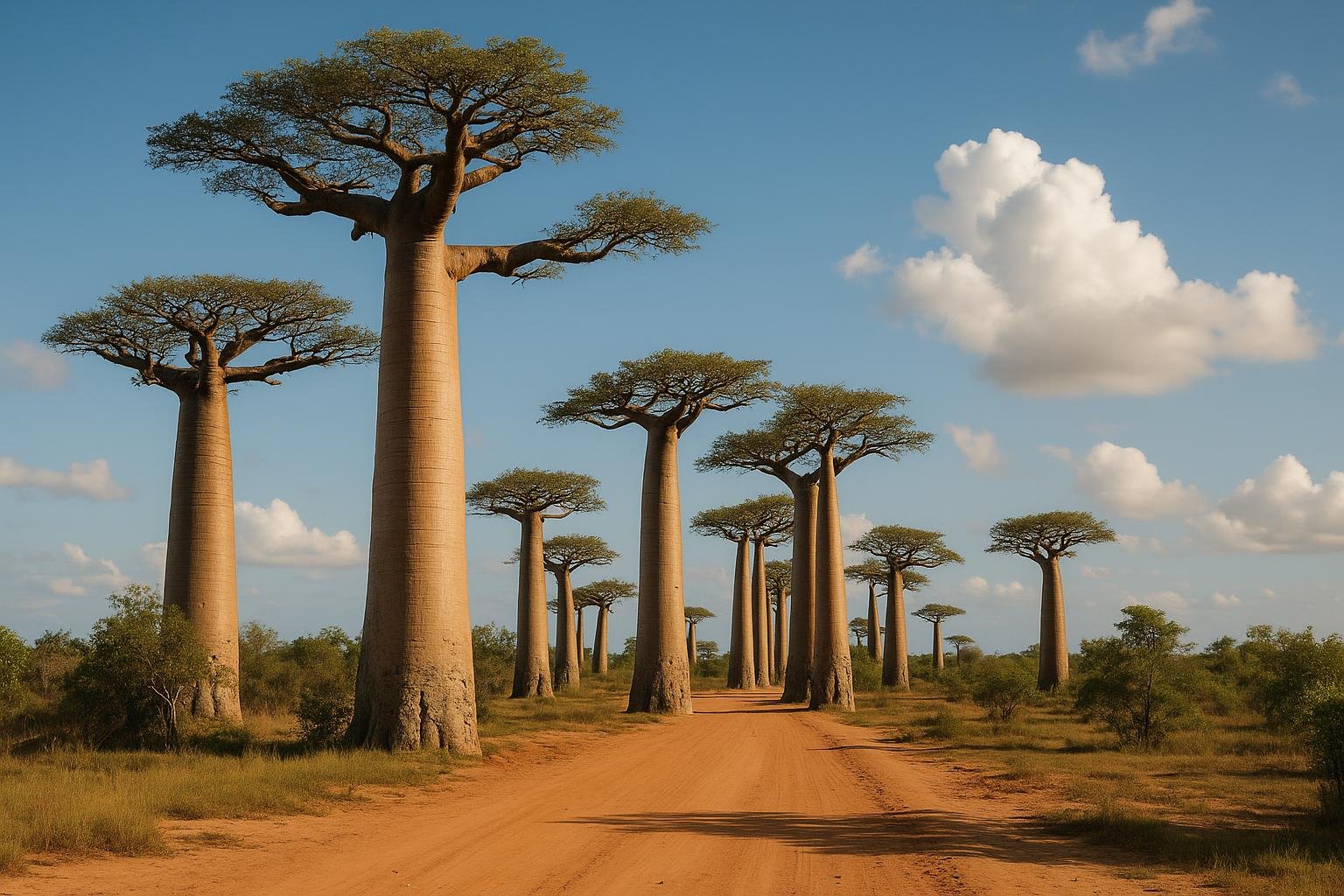
Madagascar is unlike anywhere else on earth. Isolated in the Indian Ocean for millions of years, it has evolved a surreal natural world of lemurs, baobab forests, and coral-ringed coasts that feel almost prehistoric. Yet beyond its famous wildlife, Madagascar offers layered cultural traditions, diverse landscapes, and a genuinely warm welcome that rewards travelers who venture a little off the beaten track. This guide walks you through the best time to visit, where to go, where to stay, what to eat, and how to plan a trip that balances adventure with comfort.
Best Time to Visit Madagascar
Seasons and Climate
Madagascar has a tropical climate, but conditions vary significantly between regions. Broadly, the year divides into:
- Dry season (April–October): The most pleasant time to visit for most travelers. Days are generally sunny and less humid, with cooler nights, especially in the highlands around Antananarivo and Antsirabe. Wildlife viewing is excellent: forests are easier to navigate, and many species are more active and visible. June to September is particularly popular for both lemur spotting and whale watching.
- Wet season (November–March): Hotter, more humid, and marked by heavy rains, especially along the east coast. Trails in national parks can become muddy and slippery, and some remote roads may be difficult or impossible to access. However, the countryside is lush and vibrant, baby lemurs can often be seen, and there are fewer tourists, which can translate to lower accommodation prices.
- Cyclone season (January–March): The east coast and some coastal regions are prone to cyclones during this period. Travelers can still visit, but itineraries should be flexible and travel insurance strongly considered.
For most visitors, the optimal window is from May to October, with the shoulder months of April and November offering a good compromise between weather and crowd levels.
Key Events and Festivals
Madagascar’s cultural calendar blends traditional Malagasy customs with religious and regional celebrations. Dates can shift, and many events remain locally focused rather than tourist-oriented, which is part of their appeal.
- Famadihana (Turning of the Bones): Perhaps the island’s most emblematic ceremony, famadihana is a family ritual during which ancestors’ remains are exhumed, rewrapped in fresh shrouds, and celebrated with music, dancing, and feasts. It typically occurs from July to September in the highlands. Participation requires sensitivity and an invitation, often facilitated by local guides who know the families.
- Alahamady Be (Malagasy New Year): Usually celebrated in March or April depending on the lunar calendar. Expect traditional music, rituals, and family gatherings, especially in Antananarivo and central regions.
- Donia Festival (Nosy Be): A multi-day music and arts festival on Nosy Be island, usually held around May or June. It features Malagasy artists, regional bands, and a lively, coastal atmosphere.
- Whale Festival (Île Sainte-Marie / Nosy Boraha): Timed around the annual migration of humpback whales, typically July to September. The festival highlights marine conservation, music, and traditional dance, alongside exceptional whale watching.
Top Attractions in Madagascar
National Parks and Wildlife Reserves
Madagascar’s protected areas showcase extraordinary biodiversity, much of it found nowhere else on the planet.
- Andasibe-Mantadia National Park: One of the most accessible rainforests from Antananarivo and a prime destination for first-time visitors. It is known for the indri, the largest living lemur, whose haunting calls echo through the forest at dawn. Well-maintained trails, night walks for spotting chameleons and mouse lemurs, and nearby private reserves make it an excellent introduction to Malagasy wildlife.
- Ranomafana National Park: A lush, misty rainforest in the southeast, famed for its hot springs and high concentration of lemur species, including rare golden bamboo lemurs. Birdwatchers will find an impressive list of endemic species, while hikers can choose from short circuits to more challenging full-day treks.
- Isalo National Park: Often compared to a natural sculpture garden, Isalo features sandstone canyons, natural pools, and desert-like landscapes dotted with endemic plants. Ring-tailed lemurs frequent the area, and sunsets over the rock formations are spectacular. It is particularly rewarding between May and October when temperatures are more comfortable for hiking.
- Tsingy de Bemaraha National Park: A UNESCO World Heritage Site famed for its labyrinth of jagged limestone pinnacles, hanging bridges, and hidden forests. This remote park in western Madagascar is best visited during the dry season due to challenging road access. It offers some of the most dramatic landscapes in the country, with opportunities to spot Decken’s sifaka and other endemic species.
- Amber Mountain (Montagne d’Ambre) and Ankarana Reserves: In the far north, Amber Mountain offers cooler temperatures, waterfalls, crater lakes, and rich biodiversity, while Ankarana is known for its smaller tsingy formations, caves, and underground rivers. Combining these two sites creates a varied and rewarding northern itinerary.
Cultural and Historical Sites
While Madagascar’s wildlife takes center stage, its cultural and historical sites provide essential context for understanding the island’s identity.
- Antananarivo (Tana) and the Royal Hill of Ambohimanga: The capital’s upper town reveals colonial architecture, bustling markets, and panoramic viewpoints. Nearby Ambohimanga, a UNESCO-listed royal hill, is a sacred site with former royal residences, tombs, and defensive walls. It remains an important place of pilgrimage for Malagasy people and offers insights into the Merina kingdom.
- Fianarantsoa Old Town: This highland city’s historic quarter features steep cobbled streets, red-tiled roofs, and churches that reflect the region’s missionary past. It is also a gateway to the Betsileo countryside and vineyard visits.
- Antsirabe: Known for its cooler climate, thermal springs, and colonial-era villas, Antsirabe showcases rickshaws (pousse-pousse) painted in bright colors, local gemstone workshops, and nearby crater lakes.
- Coastal towns and fishing villages: Places like Morondava, Ifaty, and villages along the southwest coast provide a glimpse into Vezo fishing culture, traditional pirogue (dugout canoe) building, and life along Madagascar’s reefs and lagoons.
Where to Stay in Madagascar
Recommended Hotels and Lodges
Accommodation quality in Madagascar varies considerably, but mid-range and higher-end options have improved markedly, especially in key tourist areas.
- Antananarivo: The capital offers boutique guesthouses in restored colonial homes, as well as international-standard hotels with reliable Wi-Fi and conference facilities. Look for properties in the upper town or quiet residential neighborhoods to enjoy views and relative calm away from traffic.
- Nosy Be and surrounding islands: Here you will find beachfront resorts, eco-lodges, and intimate boutique hotels. Many offer diving centers, sunset cruises, and excursions to nearby islands such as Nosy Komba and Nosy Tanikely.
- National park gateways: Around Andasibe, Ranomafana, and Isalo, lodges range from comfortable bungalows with hot water and mosquito nets to more luxurious eco-lodges with pools, refined cuisine, and guided activities included in the stay. Booking ahead in the dry season is advisable.
- Île Sainte-Marie (Nosy Boraha): Known for its laid-back ambiance, this former pirate hideout offers small seaside hotels and romantic bungalows over the water or close to the beach, ideal for whale-watching season.
Budget Accommodation Options
Backpackers and budget-conscious travelers will find simple, clean options across most of the island, though standards can be basic compared with other destinations.
- Guesthouses (chambres d’hôtes): Family-run guesthouses are common in cities and larger towns. Rooms are simple but often come with private bathrooms and breakfast. They provide an excellent way to meet locals and gain cultural insight.
- Budget hotels: In major centers and along popular routes, inexpensive hotels offer fan-cooled rooms, modest furnishings, and sometimes shared facilities. They are suitable for travelers comfortable with a no-frills experience.
- Community lodges near parks: Around some protected areas, community-managed lodges or campsites provide basic accommodation while directly supporting conservation and local livelihoods. Facilities are rustic, but the experience can be rewarding for those seeking immersion and responsible travel.
- Hostels: Traditional hostels are still relatively rare but are increasingly found in Antananarivo and certain beach towns. These can be good hubs for meeting other travelers and arranging shared tours.
Food and Dining in Madagascar
Traditional Malagasy Cuisine
Malagasy cuisine is shaped by African, Austronesian, French, and Indian influences, with rice at its core. A typical meal consists of a generous serving of rice accompanied by laoka—flavorful side dishes.
- Rice (vary): Consumed at nearly every meal, including breakfast in rural areas. It may be served plain with vegetable or meat stews, or as vary amin’anana (rice with greens and herbs).
- Romazava: Considered a national dish, this is a light, aromatic stew of zebu (local cattle), leafy greens, tomatoes, and ginger. It is typically served over rice and is both comforting and subtly complex.
- Ravitoto: Crushed cassava leaves cooked slowly with pork and garlic. Rich and earthy, it is a staple in many regions.
- Seafood: Along the coasts, freshly caught fish, prawns, calamari, and lobster are common. Grilled fish served with coconut rice and a zesty tomato salsa is especially popular.
- Snacks and accompaniments: Try mofo gasy (Malagasy rice cakes) for breakfast, koba (a dense cake of ground peanuts, rice flour, and banana wrapped in banana leaves), and sambos (local-style samosas) sold in markets.
Vegetarians can manage reasonably well with vegetable stews, beans, and rice, though options may be limited in remote areas. Spices are used, but food is rarely fiery; those who prefer heat can add local chili condiments.
Popular Restaurants and Street Food Spots
Dining options range from refined restaurants to lively street stalls. In cities and tourist hubs, you will find both Malagasy and international cuisine.
- Antananarivo: The capital boasts French-inspired bistros, contemporary Malagasy restaurants, and cafés serving pastries and espresso. Many establishments focus on seasonal ingredients and offer views over the hills. Street stalls around markets sell skewers, fried snacks, and mofo gasy in the mornings.
- Nosy Be and coastal towns: Beachfront restaurants specialize in seafood platters, grilled fish, and Creole dishes with coconut, ginger, and lime. Casual beach shacks often serve excellent fresh meals at reasonable prices.
- Provincial cities and park towns: Simple eateries known as hotely serve filling rice dishes, laoka, and sometimes pasta or grilled meats. They are an affordable way to taste everyday Malagasy food, though hygiene standards vary, so choose busy places with high turnover.
- Street food: Look for vendors selling sambos, fried bananas, brochettes, and sweet or savory fritters. These are ideal for quick snacks when traveling between sites.
Budgeting for Your Trip
Average Daily Costs
Costs in Madagascar remain relatively low by global standards, though logistics, park fees, and guided excursions add up. Actual spending depends heavily on your comfort level and travel style.
- Budget travelers: Expect around US$35–60 per day. This typically covers basic guesthouse accommodation, meals at local hotely, limited domestic transport, and shared or group excursions. National park entrance and guide fees will be a significant portion of the budget.
- Mid-range travelers: Plan on US$70–150 per day. This allows for comfortable lodges, a mix of local and higher-end restaurants, private transfers for some routes, and regular guided visits to parks and reserves.
- High-end travelers: Upscale lodges, private 4×4 transport, internal flights, and tailored experiences can bring daily costs to US$200 and above. Certain remote or island properties, especially in Nosy Be or private reserves, can significantly exceed this.
In addition, factor in park fees, which generally include an entrance fee plus a mandatory local guide. Internal flights, if used to bridge long distances, can also represent a major expense.
Money-Saving Tips
With thoughtful planning, it is possible to explore Madagascar without overspending.
- Travel in the shoulder seasons: Visiting just before or after the peak dry months can provide lower accommodation rates while largely avoiding heavy rains.
- Use local eateries and markets: Eating where residents eat not only saves money but also provides a more authentic experience. Choose busy places and food cooked to order.
- Share transport where possible: Splitting 4×4 rentals or boat transfers with other travelers can reduce per-person transport costs significantly, especially when accessing more remote parks.
- Limit frequent internal flights: Overland travel by taxi-brousse or hired car may be slower but can be less expensive if planned carefully.
- Prioritize parks: Rather than rushing through many sites, select a few key national parks and spend more time in each. This approach reduces cumulative entrance and guide fees and allows deeper exploration.
Getting Around in Madagascar
Transportation Options
Madagascar is a large island, and infrastructure can be challenging. Journey times are often long, and conditions vary from paved highways to rugged tracks.
- Domestic flights: The fastest way to cover major distances, especially routes like Antananarivo to Diego Suarez, Nosy Be, or Tulear. Flights can be irregular and sometimes expensive, so build flexibility into your itinerary.
- Taxi-brousse (shared bush taxis): The main form of long-distance transport for locals. Inexpensive but crowded and slow, with departures that may depend on vehicles filling up. Suitable for budget travelers comfortable with basic conditions and variable schedules.
- Private 4×4 with driver: Common among visitors who want reliability and flexibility. This option is more costly but lets you stop en route, adjust plans, and access remote areas safely. Road conditions in the west and during the rainy season make a 4×4 almost essential.
- Local taxis and tuk-tuks: Available in cities and many towns for short distances. Always agree on the fare before starting the journey.
- Boats and ferries: Used to reach islands like Nosy Be or Île Sainte-Marie and to cross certain rivers. Comfort and safety standards vary; seek local advice and reputable operators.
Tips for Navigating the Country
Moving around Madagascar becomes easier with realistic expectations and advance planning.
- Allow buffer time: Weather, road conditions, and unexpected delays are common. Avoid tightly packed schedules, especially when connecting domestic flights or catching international departures.
- Plan routes around seasons: Some roads, particularly those leading to Tsingy de Bemaraha or certain coastal areas, can become impassable in the wet season. Confirm accessibility before committing.
- Use reputable operators: For private cars, internal flights, and boat trips, book through established agencies or your accommodation. This can improve safety and reliability.
- Learn basic French or Malagasy phrases: While English is spoken in some hotels and by guides, French and Malagasy dominate day-to-day communication, especially when arranging local transport.
Travel Tips for Madagascar
Health and Safety Considerations
Preparation will help you stay healthy and safe while exploring Madagascar’s remote landscapes.
- Vaccinations and medications: Consult a travel clinic well before departure. Recommended vaccinations may include hepatitis A and B, typhoid, and routine boosters. Parts of Madagascar are malarial, particularly coastal and lowland areas, so prophylaxis is often advised. Bring any prescription medications you require in adequate quantities.
- Water and food hygiene: Drink bottled or properly filtered water and avoid ice in areas where water quality is uncertain. Eat freshly cooked food and be selective with raw salads or unpeeled fruits.
- Insect protection: Mosquitoes are most active at dawn and dusk. Use insect repellent containing DEET or other proven ingredients, wear long sleeves and trousers, and sleep under mosquito nets where provided.
- Sun and heat: The sun can be intense, especially in coastal and highland regions. Apply high-SPF sunscreen, wear a hat, and stay hydrated during hikes and outdoor activities.
- Personal safety: Violent crime against tourists is relatively rare, but petty theft can occur, especially in urban areas. Use hotel safes where available, avoid displaying valuables, and take official taxis at night rather than walking.
Essential Packing List
What you pack should reflect the diversity of Madagascar’s environments—from humid rainforest to cooler highlands and sun-drenched beaches.
- Clothing:
- Lightweight, breathable shirts and trousers for warm days.
- A warm layer or fleece for cooler nights in the highlands.
- Rain jacket or poncho, especially if visiting rainforests or traveling in the shoulder/wet seasons.
- Modest clothing for visiting rural communities and sacred sites.
- Swimwear and a light cover-up for beaches and coastal stays.
- Footwear:
- Sturdy walking or hiking shoes with good grip for national parks and tsingy terrain.
- Sandals or flip-flops for beaches and around lodges.
- Health and hygiene:
- Basic first-aid kit (bandages, antiseptic, painkillers, rehydration salts).
- Any personal medications with copies of prescriptions.
- Insect repellent and after-bite cream.
- Sunscreen and lip balm with SPF.
- Gear and accessories:
- Reusable water bottle and, ideally, a portable water filter or purification tablets.
- Headlamp or flashlight with spare batteries (essential for power cuts and night walks).
- Binoculars and a camera with extra memory cards for wildlife viewing.
- Universal travel adapter and power bank.
- Lightweight daypack for hikes and excursions.
- Documents and money:
- Passport with sufficient validity and copies stored separately.
- Travel insurance details, including coverage for medical evacuation.
- Cash in major currencies (often euros or US dollars) to exchange, as ATMs can be unreliable outside major cities.
Conclusion
Madagascar rewards travelers who value nature, culture, and discovery over predictable comforts. Its lemur-filled forests, otherworldly landscapes, and vibrant traditions create a journey that feels truly singular. By choosing the right season, balancing national parks with cultural stops, and planning transport and budget realistically, you can craft an itinerary that reveals the island’s extraordinary diversity without rushing. With thoughtful preparation and an open mind, a trip to Madagascar becomes far more than a holiday—it becomes an immersion into one of the world’s most distinctive and captivating destinations.
Discover More from Didier Lancelot
Amazon Author page: amazon.com/author/didierlancelot
Narmer Store: narmerstore.org
AI and Technology Ebooks
- Creative AI: Animated Drawings, Manga & Illustrations
- Build a Game with AI: The No-Code Guide
- AI Image Generation Made Easy
- Build a Website with AI: The No-Code Guide
- How to Connect AI to Your Blog: The Ultimate Automation Guide
- AI Productivity Habits: Get More Done in Less Time
- AI Avatars Made Easy
- The Book of AI Prompts: 100+ Proven Prompts
- Make Music with AI: Suno, Udio and AI Music Generators
- Click to Cash
- The Automated Edge: Outwork, Outpace, and Outperform with AI
- AI Side Hustle: How to Make Money with ChatGPT and AI Tools
- Work Smarter with AI
Health, Lifestyle and Home Ebooks
- Hidden Superfoods: The World’s Most Powerful Healing Foods
- Spanish Food: The Complete Cookbook for Authentic Home Cooking
- The Science of Happiness Explained
- The Psychology of Success
- The Secret Sauce of Consistency: What the Experts Don’t Tell You About Fitness
- The Complete Home Bartender’s Guide: Link 1 | Link 2
- Natural Beauty, Made Simple: Easy DIY Organic Skincare Recipes
- Garden Made Simple: Easy, Beginner-Friendly Techniques
- The Dog Training Bible