
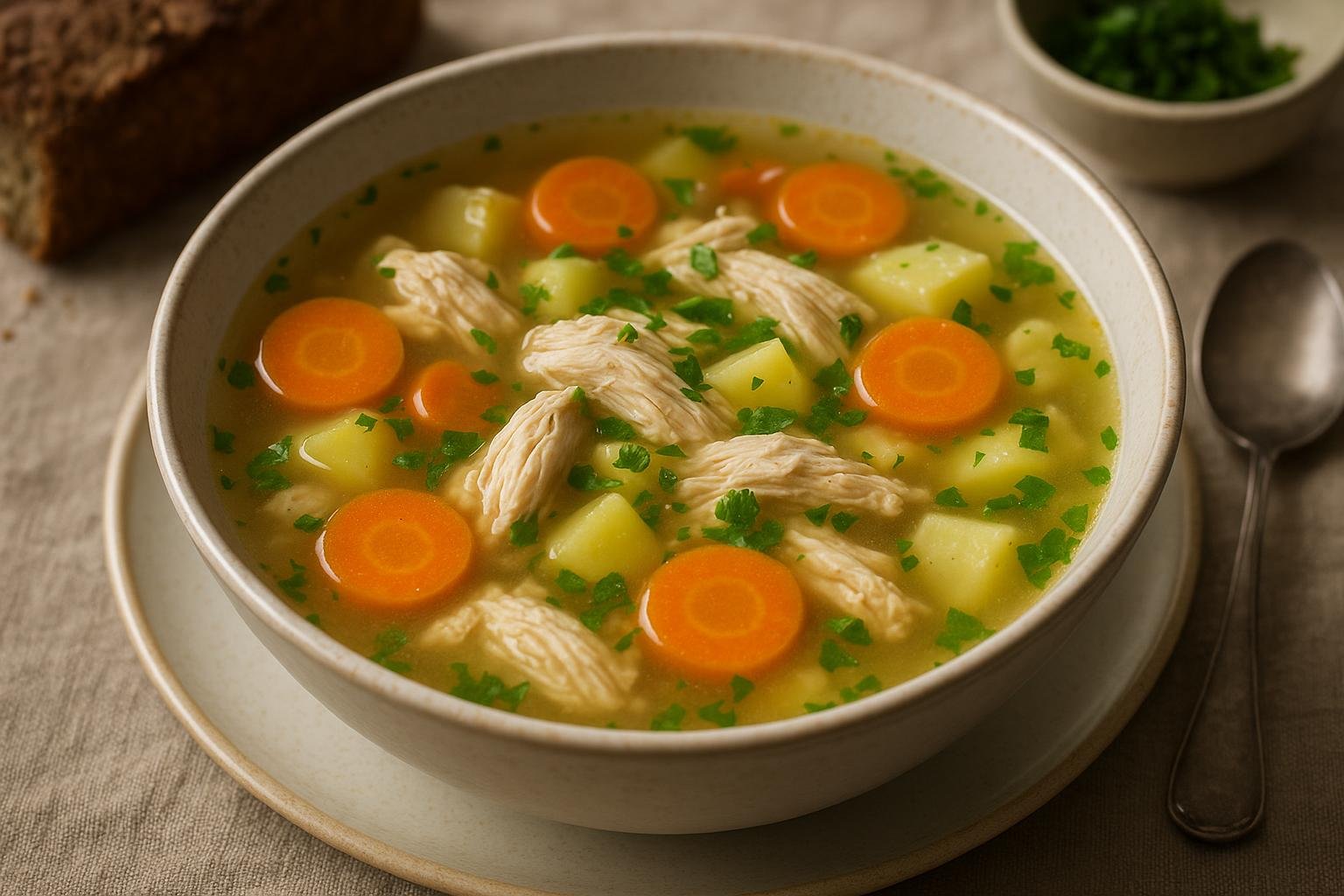
The Ultimate Guide to Chicken Soup
Chicken soup has an almost mythical status in kitchens around the world. It comforts the sick, gathers families around the table, and adapts beautifully to different cultures and ingredients. Beyond its reputation as “penicillin in a bowl,” this simple dish is a fascinating intersection of history, nutrition, and culinary craft. This guide explores where chicken soup comes from, why it is so deeply associated with wellness, how different countries interpret it, and how you can prepare perfect homemade chicken soup in your own kitchen.
The History of Chicken Soup
Origins and Cultural Significance
The origins of chicken soup stretch back thousands of years. Ancient civilizations, including the Greeks, Egyptians, and Chinese, all simmered poultry in water with herbs and vegetables to create nourishing broths. These early preparations were not only practical ways to extract maximum value from an animal; they were also early forms of what we now recognize as both cuisine and medicine.
In traditional Chinese medicine, chicken broth was considered strengthening and restorative, prescribed for fatigue, postpartum recovery, and general weakness. The combination of protein, collagen, and warm liquid was believed to support vital energy and circulation. Similarly, in medieval Europe, physicians recommended poultry broths for the infirm, long before modern nutrition science could explain why this approach often helped.
Over time, chicken soup became embedded in cultural rituals. In Jewish cuisine, for example, chicken soup—often called “Jewish penicillin”—plays a central role in Sabbath dinners, holidays, and family gatherings. It symbolizes care, hospitality, and continuity between generations. In many cultures, receiving a pot of soup from a neighbor during illness or hardship still represents a profound gesture of solidarity and concern.
Chicken Soup in Modern Cuisine
In contemporary cooking, chicken soup occupies an interesting dual role: humble comfort food and chef’s canvas. On the one hand, it appears in its most basic form as a clear broth with a few vegetables and noodles or rice, offering a straightforward, easy chicken soup that anyone can prepare. On the other hand, restaurants and culinary professionals elevate it with specialty stocks, slow-simmered bones, aromatic spices, and refined garnishes.
Packaged and canned soups have further cemented chicken soup’s place in modern life. While these products provide convenience, they also highlight the contrast between industrially produced food and homemade chicken soup made from fresh, recognizable ingredients. Increasingly, home cooks are returning to traditional methods—simmering whole chickens, using leftover roast bones, and incorporating seasonal produce—to reclaim depth of flavor and superior nutritional value.
Health Benefits of Chicken Soup
Nutritional Value and Ingredients
The health benefits of chicken soup come from the synergy of its components. At its core, a well-prepared chicken soup recipe includes high-quality protein from the chicken, a variety of vegetables, aromatic herbs, and a hydrating, mineral-rich broth. Each element contributes to what makes the dish so nourishing.
Chicken provides complete protein, containing all essential amino acids needed for tissue repair, immune function, and satiety. If bones and connective tissues are included and simmered for several hours, the resulting stock also contains collagen, gelatin, and small amounts of minerals such as calcium, magnesium, and phosphorus. These support joint health and may contribute to gut integrity.
Vegetables typically used in traditional chicken soup—carrots, celery, onions, leeks, and sometimes garlic—supply vitamins A, C, and K, as well as fiber and a range of antioxidants. Fresh herbs like parsley, dill, thyme, or bay leaves add not only fragrance but also phytonutrients with subtle anti-inflammatory properties. Even simple additions like barley, rice, or whole-grain noodles contribute complex carbohydrates for energy and additional fiber.
Taken together, the nutritional value of chicken soup lies less in any single “magic” ingredient and more in its balanced composition: protein, healthy carbohydrates, modest fat, vitamins, minerals, and fluid in one easily digestible bowl.
Why Chicken Soup is Good for Colds
Chicken soup’s reputation as a remedy for colds and mild respiratory illnesses is supported by both tradition and scientific evidence. Several mechanisms may explain why a steaming bowl is particularly beneficial when you are unwell.
First, warm broth increases hydration, which is essential when fighting infection. Adequate fluid intake helps keep mucus thin and easier to clear, supporting the body’s natural defenses. The heat and steam from hot soup can temporarily relieve nasal congestion, similar to inhaling warm, moist air.
Second, some studies suggest that chicken soup may have mild anti-inflammatory effects. Specific amino acids released from chicken during cooking, such as cysteine, resemble compounds used in some medications that thin mucus and support respiratory function. Additionally, the combination of vegetables, herbs, and spices often used in chicken soup can contribute antioxidants that help modulate the immune response.
Third, chicken soup for colds often feels particularly comforting because it is easy to digest and gentle on the stomach. When appetite is reduced, a light yet nutrient-dense meal can provide energy, electrolytes, and protein without overwhelming the digestive system. The psychological impact should not be underestimated either: being cared for with a warm, familiar dish can reduce stress, which indirectly supports immune function.
Variations of Chicken Soup Around the World
Traditional Chicken Noodle Soup
In many Western households, traditional chicken noodle soup is the archetype: clear golden broth, tender shreds of chicken, soft vegetables, and noodles. While it seems simple, each element plays a specific role. The broth provides warmth and depth of flavor; onions, carrots, and celery form the aromatic base; and the noodles add comfort and substance.
The best versions rely on carefully prepared stock rather than quick bouillon cubes. A whole bird or bone-in pieces are simmered slowly with aromatics, then the meat is removed and returned later so it remains succulent. Egg noodles, with their richer texture, are common, though regional variations use everything from tiny soup pastas to wide handmade ribbons.
Seasoning is deliberately restrained in classic forms—typically salt, black pepper, and perhaps parsley or thyme—allowing the natural taste of the chicken and vegetables to dominate. This restraint is one reason traditional chicken soup is so widely accepted by both children and adults.
Global Chicken Soup Recipes
Although chicken noodle soup is widely known, global chicken soup traditions are remarkably diverse, shaped by local ingredients and culinary philosophies.
- Jewish chicken soup: Often served with matzo balls, this broth is slow-cooked with carrots, celery, onions, and dill or parsley. Clear and deeply flavored, it is central to holiday meals and family celebrations.
- Greek avgolemono: This silky soup blends chicken stock, rice or orzo, and a mixture of egg and lemon. The result is a creamy, tangy dish without actual dairy, prized for its brightness and luxurious texture.
- Chinese chicken and ginger soup: Common in many regions of China, these soups often combine chicken with ginger, scallions, and sometimes goji berries or dried jujubes. They are viewed as warming and restorative, particularly in the postpartum period.
- Mexican caldo de pollo: A hearty, rustic soup featuring bone-in chicken pieces, potatoes, carrots, zucchini, corn on the cob, and cilantro. It is typically served with lime wedges and warm tortillas, combining comfort with vibrant, fresh flavors.
- Thai tom kha gai: A fragrant coconut-based chicken soup with galangal, lemongrass, kaffir lime leaves, and chili. Though richer than many broths, it demonstrates how chicken soup can be both soothing and bold.
- Philippine tinola: This aromatic soup includes chicken simmered with ginger, green papaya or chayote, and leafy greens like chili leaves or spinach. It is light yet immensely satisfying, often served over rice.
These global chicken soup variations illustrate how one fundamental idea—simmering chicken in liquid—can produce countless distinct dishes, each shaped by geography, climate, and tradition.
How to Make Perfect Chicken Soup at Home
Essential Ingredients and Techniques
Making perfect chicken soup at home begins with the right ingredients and attention to technique. While recipes differ, a few foundational principles consistently yield superior results.
Start with good-quality chicken. Using a whole bird, or at least bone-in, skin-on pieces, produces a richer broth than boneless cuts alone. The bones, skin, and connective tissues release gelatin, which gives the soup body and a pleasant, slightly silky mouthfeel. For a cleaner-tasting stock, you can remove most of the skin after the initial simmer, once it has contributed flavor.
A classic aromatic base—often called mirepoix—consists of onions, carrots, and celery. These vegetables provide sweetness, depth, and balance. Additional options include garlic, leeks, parsnips, and fennel, depending on the flavor profile you desire. Herbs such as bay leaves, thyme, parsley stems, or dill add complexity without overwhelming the main ingredients.
Technique matters as much as ingredient choice. Cover the chicken and vegetables with cold water, then slowly bring the pot just to a gentle simmer. Avoid a rolling boil, which can emulsify fat into the liquid and create a cloudy, greasy soup. Skim foam and impurities from the surface during the first 30 minutes; this step yields a clearer, cleaner-tasting broth.
Once the chicken is cooked through, remove it from the pot, cool slightly, and separate the meat from the bones. Return the bones to the pot to continue simmering for additional depth, while reserving the meat to add back near the end. This prevents overcooked, stringy chicken in the finished soup.
Tips for Enhancing Flavor and Consistency
Several professional techniques can elevate a simple pot of chicken soup into something extraordinary.
- Layer seasoning gradually: Salt lightly at the beginning, then adjust midway and again at the end. This approach allows flavors to develop and prevents an overly salty result when the liquid reduces.
- Use roasted bones or meat: For a deeper, more robust profile, roast the chicken pieces and vegetables until lightly browned before simmering. This caramelization adds complexity and color to the broth.
- Add acidity for balance: A small amount of acid—a squeeze of lemon, a splash of vinegar, or a spoonful of tomato—can brighten flavors and cut through richness. Add this near the end so you can control the final taste precisely.
- Control starch additions: If using noodles, rice, or barley, cook them separately and add them to each bowl before serving. This prevents the starch from absorbing all the liquid and becoming mushy, preserving both texture and clarity.
- Finish with fresh herbs: Stirring in chopped parsley, dill, cilantro, or chives just before serving adds freshness and aroma that long simmering cannot provide. Reserve some herbs for garnish to enhance both appearance and flavor.
- Adjust fat content: For a lighter soup, chill the broth and remove the solidified fat from the surface. For a more luxurious feel, leave a modest amount of fat, which carries flavor and provides a satisfying mouthfeel.
From a food-safety and quality perspective, cool leftover soup quickly and store it in the refrigerator for up to several days, or freeze it in portions. The flavor often improves after a day as ingredients meld, making it an excellent make-ahead meal. This also means you can prepare a large batch of traditional chicken soup on the weekend and enjoy it as a ready, wholesome option throughout the week.
Conclusion
Chicken soup is far more than a simple, familiar dish. It is the culmination of centuries of culinary practice, cultural meaning, and intuitive understanding of what the body and spirit need in times of comfort or illness. Its health benefits arise from a carefully balanced combination of protein, vegetables, herbs, and hydration, while its versatility allows for countless regional interpretations, from delicate broths to aromatic, spice-laden stews.
By understanding its history, appreciating the global diversity of recipes, and applying a few fundamental techniques at home, anyone can prepare a nourishing, flavorful pot of perfect chicken soup. Whether you favor a classic, clear broth with noodles or a bolder international style, this enduring dish will continue to warm tables and support wellbeing for generations to come.
Discover More from Didier Lancelot
Amazon Author page: amazon.com/author/didierlancelot
Narmer Store: narmerstore.org
AI and Technology Ebooks
- Creative AI: Animated Drawings, Manga & Illustrations
- Build a Game with AI: The No-Code Guide
- AI Image Generation Made Easy
- Build a Website with AI: The No-Code Guide
- How to Connect AI to Your Blog: The Ultimate Automation Guide
- AI Productivity Habits: Get More Done in Less Time
- AI Avatars Made Easy
- The Book of AI Prompts: 100+ Proven Prompts
- Make Music with AI: Suno, Udio and AI Music Generators
- Click to Cash
- The Automated Edge: Outwork, Outpace, and Outperform with AI
- AI Side Hustle: How to Make Money with ChatGPT and AI Tools
- Work Smarter with AI
Health, Lifestyle and Home Ebooks
- Hidden Superfoods: The World’s Most Powerful Healing Foods
- Spanish Food: The Complete Cookbook for Authentic Home Cooking
- The Science of Happiness Explained
- The Psychology of Success
- The Secret Sauce of Consistency: What the Experts Don’t Tell You About Fitness
- The Complete Home Bartender’s Guide: Link 1 | Link 2
- Natural Beauty, Made Simple: Easy DIY Organic Skincare Recipes
- Garden Made Simple: Easy, Beginner-Friendly Techniques
- The Dog Training Bible