
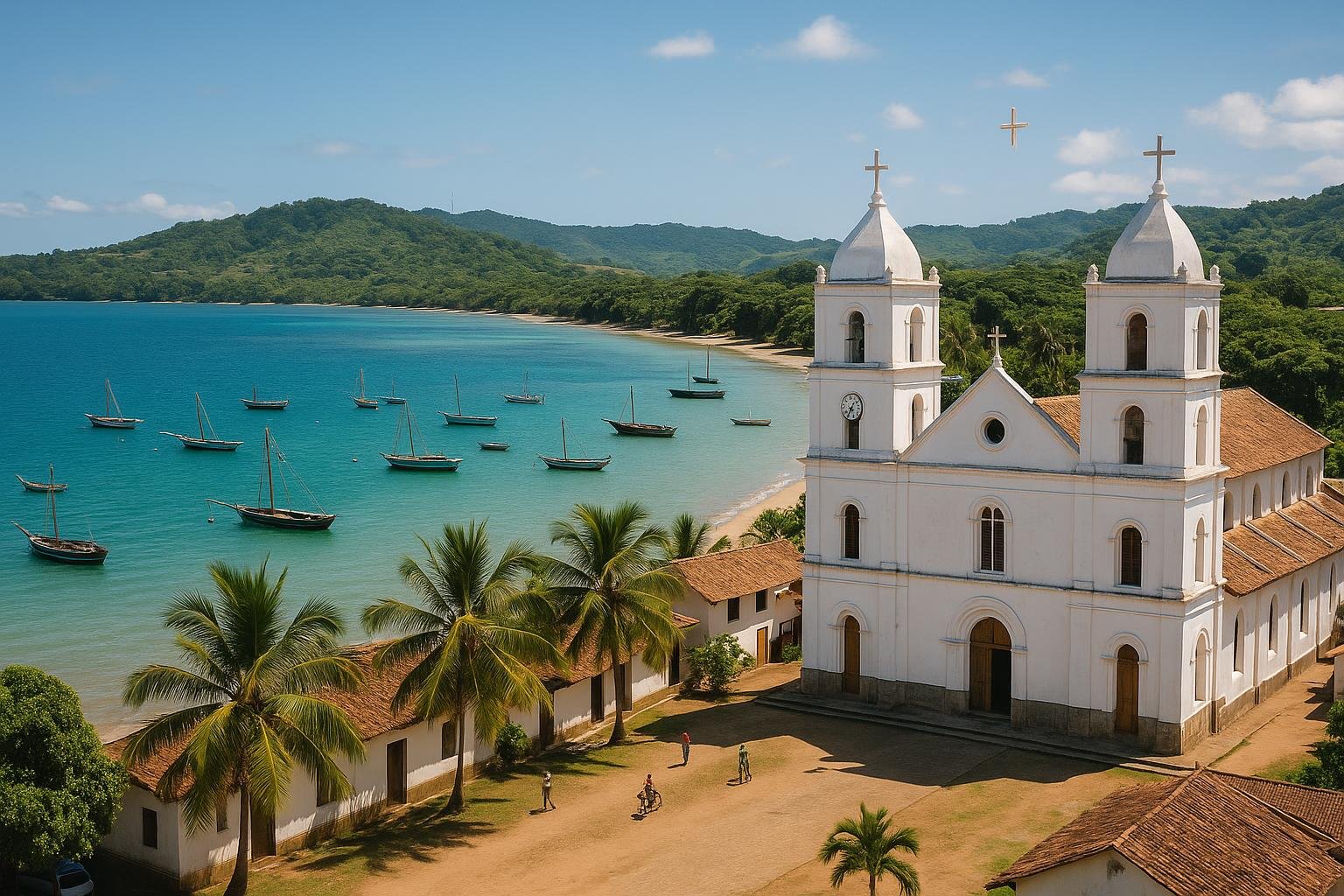
Floating off Madagascar’s northwestern coast, Nosy Be is a languid island of turquoise bays, ylang-ylang plantations, and volcanic lakes. Its name translates as “big island” in Malagasy, yet it retains the unhurried charm of a small, sun-drenched paradise. Whether you are drawn by pristine coral reefs, encounters with whale sharks, or a taste of Malagasy coastal life, planning your trip with the seasons in mind will dramatically enhance your experience.
Best Time to Visit Nosy Be
Dry Season vs. Rainy Season
Nosy Be has a tropical climate with two distinct periods: a drier, sunnier half of the year and a hot, humid rainy season. The dry season, typically from May to October, is the most comfortable for travelers. Days are warm but not oppressive, skies are clear, and the sea is generally calm. Visibility underwater is excellent, ideal for diving and snorkeling, and dirt tracks to remote beaches and villages are more easily navigable.
The rainy season, from November to April, brings heavier downpours, lush vegetation, and heightened humidity. Mornings can still be bright, but afternoon showers and thunderstorms are common. Roads may become muddy and some excursions, particularly inland hikes or boat tours to outer islets, can be disrupted. Cyclones are a possibility from January to March, although major storms are not a constant occurrence.
For most visitors, the shoulder months around the core dry season offer a perfect compromise between reliable weather and quieter beaches. If you prioritize marine life encounters such as whale sharks and migrating humpbacks, timing your trip around specific months is more important than generic “high” or “low” seasons.
Weather Highlights by Month
January – March: This is peak rainy season and the most cyclone-prone period. Temperatures regularly climb above 30°C (86°F) with high humidity. Downpours can be intense, occasionally causing flooding and limited accessibility. Unless you are on a very flexible schedule or chasing dramatic tropical storms for photography, this is the least favorable time for a first visit.
April: Rainfall begins to taper off, and the island transitions into drier conditions. Landscapes are verdant, waterfalls flowing, and crowds sparse. Sea conditions gradually improve, though some days can still be unsettled. This is a good month for travelers who do not mind occasional showers and want the island at its lushest.
May – June: The start of the classic dry season. Days are warm but less humid, with average highs around 28°C (82°F). Seas are calmer, underwater visibility improves, and trails dry out. It is an excellent time for hiking around volcanic lakes, exploring Lokobe National Park, and enjoying long, relaxed beach days.
July – August: Cooler by tropical standards and reliably dry, these months are highly popular with European holidaymakers. Trade winds can freshen the air, making evenings pleasant. Water temperatures remain comfortable, and marine conditions are generally stable. Expect more activity on the main beaches and slightly higher accommodation prices, particularly in and around Ambatoloaka and Madirokely.
September – October: Many consider these the ultimate months to visit Nosy Be. Sea temperatures are warm, skies bright, and conditions almost tailor-made for snorkeling and diving. Crucially, this period coincides with whale shark season; operators run dedicated tours for ethical viewing and snorkeling encounters. Humpback whales may also still be present earlier in the season.
November – December: Heat and humidity start to build, and showers become more frequent, especially in the afternoons. However, mornings can be gloriously clear and vivid, and the sea is often pleasantly warm and inviting. Early November can still be excellent for whale sharks and quieter beaches before the festive season brings a bump in local tourism.
Top Attractions in Nosy Be
Must-See Beaches
Ambatoloaka and Madirokely: These adjoining bays on Nosy Be’s southwest coast form the island’s liveliest beach area. By day, you can swim in gently shelving waters, arrange boat outings, or linger at beachfront cafés. As the sun sets, bars and restaurants fill with the murmur of multilingual conversations and the clink of glasses. This stretch is ideal if you want easy access to services and social life along with the sea.
Andilana Beach: Often cited as Nosy Be’s most beautiful beach, Andilana occupies a wide crescent on the island’s northern tip. Powder-fine sand, crystalline water, and a backdrop of palms and manicured resorts create a postcard-perfect scene. Despite its popularity, parts of the beach remain tranquil, particularly on weekdays. It is ideal for families, couples, and anyone seeking an idyllic, well-serviced shoreline.
Nosy Iranja: Technically a pair of islands linked by a narrow sandbar at low tide, Nosy Iranja is reached via a day trip by speedboat (around 1.5–2 hours from Nosy Be). The sandbar, curving like a white ribbon between turquoise shallows, is unforgettable. Visitors can climb to the old lighthouse for sweeping views, swim in shallow lagoons, and wander through a small fishing village. Tides dictate the schedule, so tours are carefully timed for maximum effect.
Nosy Sakatia: Just off Nosy Be’s western coast, Sakatia is less developed and has a more rural character. Small bays fringe the island, with quiet beaches that are ideal for snorkeling and turtle encounters. Water clarity is generally excellent, and underwater meadows attract green turtles that graze peacefully in the shallows. For travelers who find Ambatoloaka too lively, Sakatia offers a serene alternative only a short boat ride away.
Unique Activities and Tours
Marine Safaris and Whale Shark Encounters: Between roughly September and December, Nosy Be becomes one of the Indian Ocean’s best places to swim with whale sharks. Ethical tour operators limit group sizes, maintain respectful distances, and avoid feeding or harassing the animals. In season, humpback whales, dolphins, and manta rays are also regular visitors. Quality operators combine wildlife viewing with snorkeling on coral reefs, making for a varied day at sea.
Diving and Snorkeling the Reefs: Dive centers based in Ambatoloaka and Madirokely run trips to sites around Nosy Tanikely, Nosy Sakatia, and farther offshore. Expect healthy coral gardens, drop-offs, and pinnacles teeming with reef fish, turtles, moray eels, and occasional pelagic visitors. Beginner-friendly snorkeling excursions visit shallow reef areas with gentle currents, while advanced divers can explore more challenging sites with stronger drift and greater depth.
Lokobe National Park: On Nosy Be’s southeastern corner, Lokobe protects the island’s last substantial tract of primary rainforest. Access is usually via traditional pirogue from the village of Ambatozavavy, followed by guided walks under a dense canopy. Wildlife highlights include black lemurs, nocturnal mouse lemurs, chameleons, and a rich variety of endemic flora. Trails are modestly demanding in the heat and humidity, but the reward is a glimpse of Madagascar’s rare ecosystems without leaving the island.
Mont Passot and Volcanic Lakes: Mont Passot, one of Nosy Be’s highest points, offers panoramic views over crater lakes and scattered islets. Late afternoon visits are particularly atmospheric, culminating in sunset over the Mozambique Channel. Surrounding lakes such as Andjavavy and Amparihikely are encircled by villages and woodland, with birdlife including herons and kingfishers. Guided tours often combine short walks, viewpoints, and cultural stops in nearby communities.
Perfume and Plantation Tours: Nosy Be’s moniker, the “Perfume Island,” derives from its ylang-ylang, vanilla, and spice plantations. Guided visits introduce travelers to the distillation process of ylang-ylang oil, used widely in perfumery, as well as the cultivation of vanilla, pepper, and cocoa. These tours provide insight into the island’s agricultural backbone and offer opportunities to purchase authentic local products directly from producers.
Island-Hopping Excursions: Beyond the headline islets like Iranja and Sakatia, boat trips may include Nosy Komba, famous for its resident lemurs and artisanal village, and Nosy Tanikely, a protected marine reserve. Island-hopping days typically blend snorkel stops, wildlife encounters, beach time, and a grilled seafood lunch on the sand, delivering a concentrated taste of the wider Nosy Be archipelago.
Where to Stay in Nosy Be
Luxury Resorts and Hotels
Nosy Be’s upscale accommodation scene concentrates primarily around Andilana and select stretches of the northwest and west coasts. High-end resorts often occupy secluded beachfront locations, integrating manicured gardens, infinity pools, and direct sea access.
Beachfront Resorts in Andilana: At the northern tip, leading properties offer spacious suites or bungalows, all-inclusive or half-board plans, and a wide array of leisure facilities. Expect multiple restaurants, spa services, kids’ clubs, and direct booking of marine excursions. These resorts suit travelers seeking comfort, predictable standards, and minimal logistical effort.
Boutique Lodges on Nosy Be’s Northwest Coast: Smaller, design-conscious hotels tucked into coves or perched on low cliffs cater to couples and honeymooners. Many feature individual villas with sea views, outdoor showers, and private terraces. Personalized service, curated excursions, and refined cuisine are typically part of the experience, along with quiet beaches that feel semi-private.
Exclusive Retreats on Nearby Islets: A few intimate lodges on Nosy Sakatia and other small islands operate as near-private sanctuaries. Access is usually by boat transfer from the main island. Here, guests trade nightlife and shopping for seclusion, pristine snorkeling straight off the beach, and candlelit dinners under the stars. These properties tend to be more expensive but deliver a strong sense of escape.
Budget Accommodation Options
Despite its resort reputation, Nosy Be offers a growing range of affordable stays, particularly around Ambatoloaka, Madirokely, and in villages a short distance inland.
Guesthouses and Small Hotels: Family-run guesthouses provide simple rooms with private bathrooms, fans or air conditioning, and sometimes small terraces. Many include breakfast and can arrange airport transfers, scooter rental, or excursions. They are an excellent choice for independent travelers who value local interaction and a homely atmosphere over luxury.
Beach Bungalows: Modest beachfront bungalows, often constructed in traditional style with thatched roofs, line quieter bays. Facilities are basic but adequate: mosquito nets, cool breezes, and the sound of the ocean at night. Some offer shared kitchens or on-site eateries, making them popular with long-stay visitors and backpackers who appreciate a slower daily rhythm.
Self-Catering Apartments: In and around Hell-Ville and Ambatoloaka, apartments and studios with kitchenettes cater to travelers who prefer to cook their own meals or stay for extended periods. This option can be economical for families or groups, particularly when combined with shopping at local markets for fresh produce and seafood.
Eco-Lodges and Community Stays: A small but significant number of eco-lodges emphasize low-impact construction, renewable energy, and engagement with neighboring villages. Some community-based tourism initiatives offer basic rooms within local homes or simple ecolodges, combined with cultural activities such as cooking demonstrations, fishing outings, or traditional music performances. These stays suit travelers who prioritize responsible tourism and authentic encounters.
Culinary Delights and Local Cuisine
Must-Try Dishes and Restaurants
Nosy Be’s cuisine mirrors Madagascar’s broader culinary heritage while drawing heavily on the sea. Rice remains central to almost every meal, but it is the accompaniments—fragrant curries, grilled fish, and tropical fruits—that define the island’s gastronomic personality.
Seafood Specialties: Freshly caught fish, prawns, lobster, and crab dominate many menus. Common preparations include grilled whole fish marinated with garlic, lime, and local herbs; coconut-based curries; and skewers of prawns or squid. Lagoon crabs and crayfish, when in season and responsibly sourced, are delicacies worth seeking out.
Romazava and Other Malagasy Classics: Romazava, a national dish of meat (often beef or zebu) simmered with leafy greens and aromatics, is widely available. Other staples include ravitoto (crushed cassava leaves cooked with pork), henan-omby (zebu stews), and lasary, a tangy pickle of vegetables sometimes served as a side. These dishes offer a satisfying counterpoint to the more seafood-focused options.
Creole and French Influences: Nosy Be’s colonial past and proximity to the Comoros have left a legacy of Creole flavors and French techniques. Expect to find refined sauces, pâtés, and pastries alongside curries perfumed with cloves, cinnamon, and vanilla. Many mid- to high-end restaurants blend these influences into contemporary plates that remain rooted in local ingredients.
Where to Eat: Beachfront restaurants in Ambatoloaka and Madirokely serve a mix of Malagasy, Creole, and international dishes, often with tables set directly on the sand. Andilana’s resort restaurants offer more polished dining, with extensive wine lists and multi-course menus. In Hell-Ville, small eateries and bistros provide a glimpse of everyday Malagasy dining, from simple rice plates to grilled street snacks. When choosing where to eat, prioritize establishments that highlight local produce and demonstrate good hygiene.
Street Food and Local Markets
Street Snacks and Quick Bites: Street vendors and small kiosks around Hell-Ville and Ambatoloaka are ideal for sampling local flavors inexpensively. Popular items include mofo gasy (sweet rice flour pancakes, often enjoyed at breakfast), sambos (Malagasy samosas filled with meat, fish, or vegetables), and brochettes (skewers of grilled meat or seafood). These are best eaten freshly cooked and still hot.
Fresh Fruit and Juices: Nosy Be’s tropical climate yields an abundance of pineapple, mango, lychee, jackfruit, and bananas. Market stalls display pyramids of ripe fruit, while simple juice stands press sugarcane or blend fresh juices to order. It is a refreshing way to cool off after a morning’s exploration, though it is wise to choose vendors who use clean water and equipment.
Hell-Ville Market: The central market in Hell-Ville is a sensory immersion into island life. Under its covered alleys, you will find mounds of spices—vanilla pods, cloves, peppercorns—alongside sacks of rice, heaps of chilies, and fresh fish on display. It is the best place to buy vanilla and spices to take home, provided you verify quality and bargain respectfully. Visiting early in the day offers the liveliest atmosphere and the freshest products.
Fishermen’s Landings: Along coastal villages, fishermen return in the early morning with the night’s catch. Informal markets form on the beach, where locals purchase fish and shellfish directly. Some guesthouses and smaller restaurants will cook seafood bought in this way for you, turning your purchase into a tailored, hyper-local meal.
Food Hygiene Considerations: While street food is an integral part of the experience, it is important to exercise caution. Opt for vendors with high turnover, where food is cooked to order. Prefer bottled water or sealed beverages, and peel fruits yourself when possible. With sensible precautions, you can enjoy Nosy Be’s dynamic street food scene without compromising comfort.
Conclusion
Nosy Be is more than a beach destination; it is an archipelago of experiences, where volcanic landscapes, coral reefs, spice plantations, and coastal villages come together in a remarkably compact area. Timing your visit to the dry season or the whale shark months can transform a good trip into an exceptional one, while thoughtful choices about where you stay and eat will connect you more deeply to the island’s character.
Whether you base yourself on a lively bay in Ambatoloaka, retreat to a secluded cove near Andilana, or escape to a quiet lodge on Nosy Sakatia, the island’s blend of natural beauty and gentle pace is enduringly compelling. Plan with intention, allow space for unscheduled wanderings, and Nosy Be will reward you with vivid memories of sunsets, spices, and the ever-present shimmer of the Indian Ocean.
Discover More from Didier Lancelot
Amazon Author page: amazon.com/author/didierlancelot
Narmer Store: narmerstore.org
AI and Technology Ebooks
- Creative AI: Animated Drawings, Manga & Illustrations
- Build a Game with AI: The No-Code Guide
- AI Image Generation Made Easy
- Build a Website with AI: The No-Code Guide
- How to Connect AI to Your Blog: The Ultimate Automation Guide
- AI Productivity Habits: Get More Done in Less Time
- AI Avatars Made Easy
- The Book of AI Prompts: 100+ Proven Prompts
- Make Music with AI: Suno, Udio and AI Music Generators
- Click to Cash
- The Automated Edge: Outwork, Outpace, and Outperform with AI
- AI Side Hustle: How to Make Money with ChatGPT and AI Tools
- Work Smarter with AI
Health, Lifestyle and Home Ebooks
- Hidden Superfoods: The World’s Most Powerful Healing Foods
- Spanish Food: The Complete Cookbook for Authentic Home Cooking
- The Science of Happiness Explained
- The Psychology of Success
- The Secret Sauce of Consistency: What the Experts Don’t Tell You About Fitness
- The Complete Home Bartender’s Guide: Link 1 | Link 2
- Natural Beauty, Made Simple: Easy DIY Organic Skincare Recipes
- Garden Made Simple: Easy, Beginner-Friendly Techniques
- The Dog Training Bible