
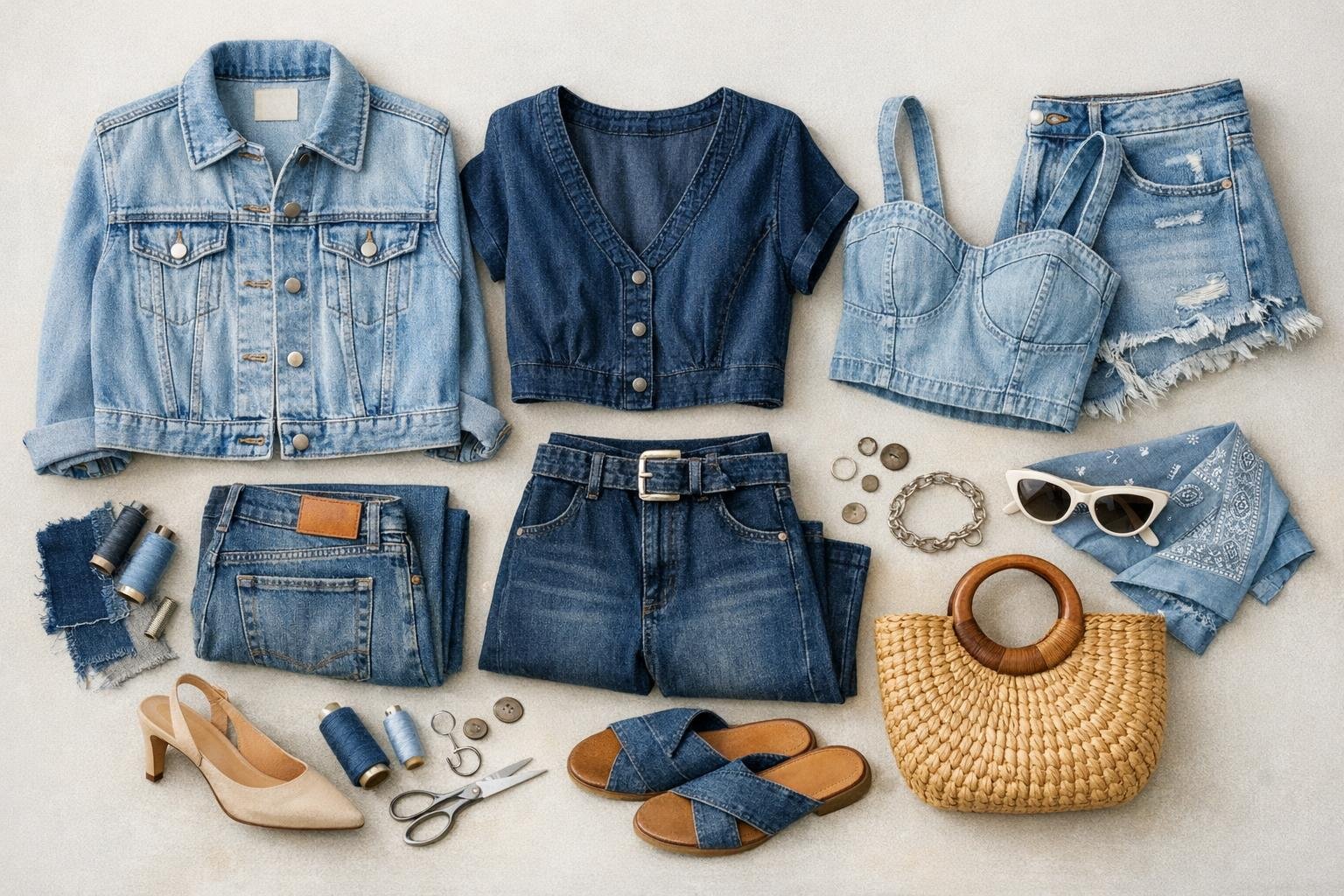
Understanding Denim Fashion Design
What Is Denim Fashion Design?
Denim fashion design is the art and technique of transforming a utilitarian cotton twill fabric into garments with character, structure, and style. More than simply choosing a pair of jeans, it involves considering fiber composition, fabric weight, pattern cutting, wash, detailing, and finishing to create pieces that feel modern yet timeless. A successful denim design balances durability with comfort, and heritage with innovation.
At its core, denim design begins with the fabric itself. Traditional denim is a sturdy cotton twill woven with indigo-dyed warp yarns and undyed weft yarns. Today, designers experiment with blends that incorporate elastane for stretch, TENCEL™ for drape, or recycled fibers for a lower environmental footprint. From there, the silhouette, rise, and seam placement are carefully engineered to flatter different body types and support current denim trends without compromising functionality.
Modern denim styles span far beyond five-pocket jeans. Designers apply denim to tailoring, dresses, outerwear, accessories, and even eveningwear. Strategic paneling, contrast topstitching, hardware placement, and pocket design all influence the final aesthetic. Thoughtful denim fashion design creates pieces that integrate seamlessly into a wardrobe, working for different dress codes and lifestyles.
A Brief History of Denim in Fashion
The story of denim begins in workwear. In the late 19th century, denim was adopted for miners, railroad workers, and laborers because of its durability and resistance to wear. Riveted pockets and reinforced seams defined the early utilitarian design language of jeans. For decades, denim remained primarily functional rather than fashion-forward.
In the mid-20th century, denim took on cultural significance. Icons of cinema and music popularised jeans as symbols of rebellion and youthful freedom. By the 1970s and 1980s, designers began treating denim as a legitimate fashion fabric, experimenting with flared cuts, high-waisted silhouettes, and dramatic washes. The 1990s ushered in relaxed fits and minimal washes, while the 2000s embraced ultra-slim silhouettes, low rises, and heavy distressing.
Today, denim sits at the heart of global style. Luxury houses, contemporary labels, and ethical denim brands all contribute to a diverse landscape that ranges from refined and tailored to deconstructed and avant-garde. As we look toward denim trends for 2026, the focus is shifting toward quality, longevity, and responsibility, with a renewed appreciation for craftsmanship and fabric innovation.
Key Elements of Modern Denim Fashion
Popular Denim Fits, Cuts, and Silhouettes
The best denim fits and cuts are those that complement both body shape and personal aesthetic. Contemporary collections usually offer a spectrum of silhouettes, enabling a curated denim wardrobe that suits multiple occasions.
- Straight-Leg Jeans: A perennial staple, straight-leg denim skims the body from hip to hem. It offers a clean line that pairs equally well with trainers, loafers, or heels, making it one of the most versatile denim wardrobe essentials.
- Slim and Skinny Cuts: Slim and skinny jeans create a streamlined silhouette. Modern versions often feature higher rises, sculpting waistbands, and more substantial fabrics, resulting in a refined, tailored look rather than the ultra-tight fits of past decades.
- Wide-Leg and Palazzo Styles: Wide-leg denim, from gentle barrels to dramatic palazzo shapes, offers fluid movement and a fashion-forward edge. These cuts elongate the leg when worn with a defined waist and structured top, aligning with the current shift toward relaxed yet polished dressing.
- Flared and Bootcut: Flares and bootcut jeans evoke a vintage sensibility while remaining firmly relevant. They balance proportions, especially when styled with boots or heeled sandals, and work particularly well for office-appropriate looks when combined with tailored blazers.
- Mom and Tapered Fits: High-rise, tapered-leg jeans provide ease at the hip and a more fitted ankle. This shape flatters many body types and pairs seamlessly with tucked-in knitwear or crisp shirts for elevated casual wear.
- Denim Skirts and Dresses: A-line skirts, pencil shapes, and shirt dresses are integral to modern denim fashion design. These silhouettes bring denim into contexts where trousers may feel too informal, offering a versatile alternative for spring and summer wardrobes.
- Denim Tailoring: Blazers, waistcoats, and wide-leg trousers cut from structured denim bridge the gap between formal and casual. This emerging category is central to sophisticated denim outfit ideas for work and evening events.
Washes, Treatments, and Distressing Techniques
Color, wash, and surface treatment influence a garment’s mood just as strongly as silhouette. The same cut can read casual or refined depending on its finish, so understanding these elements is essential when choosing or designing modern denim styles.
- Raw and Rinse Denim: Raw (or dry) denim is unwashed and typically deep indigo with a crisp hand. It develops personal wear patterns over time. Rinse denim has undergone a gentle wash to soften the fabric while retaining a saturated hue. Both are ideal for cleaner, more formal looks.
- Mid- and Light-Wash Denim: Mid-wash jeans are highly adaptable, suitable for both everyday wear and business-casual outfits. Light-wash options convey ease and a relaxed attitude, perfect for spring and summer or off-duty styling.
- Black and Colored Denim: Black denim offers a sleek, almost tailored appearance that transitions effortlessly from day to evening. Neutral or muted colored denim, such as ecru or slate, provides subtle variety while remaining easy to style.
- Whiskering and Fading: Whiskers at the hips and subtle thigh fading mimic natural wear, adding dimension and visual interest. In premium denim, these details are placed strategically to flatter the body and create an illusion of length or contour.
- Distressing and Rips: From gently frayed hems to heavily distressed knees, these treatments lend a lived-in, rebellious quality. Contemporary design tends to favor restraint: controlled abrasions and raw hems rather than excessive damage, so the piece remains versatile and durable.
- Specialty Finishes: Coated denim, laser prints, and overdye processes introduce a fashion-forward edge. Coated jeans can resemble leather for evening wear, while laser finishing can create patterns or fades with lower water usage, supporting more sustainable denim fashion practices.
How to Style Denim for Every Occasion
Casual Denim Outfit Ideas for Everyday Wear
Denim’s greatest strength lies in its adaptability. With a few well-chosen pieces, it is possible to create multiple casual looks that feel intentional and polished rather than improvised.
- Everyday Uniform: Pair straight-leg, mid-wash jeans with a crisp white T-shirt and leather trainers. Add a lightweight trench or utility jacket for transitional weather. This combination is simple, timeless, and suitable for errands, travel, or relaxed meetings.
- Relaxed Weekend Look: Choose high-rise, wide-leg jeans in a light wash and combine them with a striped knit or linen shirt. Finish with espadrilles or flat sandals and a structured tote. The result is casual yet elevated, ideal for brunch or city strolls.
- Double Denim with Intention: To wear denim-on-denim confidently, mix washes and proportions. Try a dark indigo jean with a lighter chambray shirt, or a cropped denim jacket over black denim. Keep accessories refined—think minimalist jewellery and leather belts—to avoid an overly thematic effect.
- Utility-Inspired Styling: Carpenter jeans or denim cargo styles pair well with tank tops, ribbed knitwear, or simple button-downs. Neutral trainers or chunky sandals ensure balance so the look feels modern rather than costume-like.
- Warm-Weather Alternatives: Swap jeans for an A-line denim skirt or a sleeveless shirt dress. Styled with woven sandals and a basket bag, these pieces deliver comfort while retaining structure and polish.
Elevated Denim Looks for Work and Evening Events
Denim can be entirely appropriate for professional environments and sophisticated evening engagements when shape, wash, and styling are carefully considered. The objective is to treat denim as you would tailoring, emphasising fit and finish.
- Business-Casual Foundations: Opt for dark, even-wash straight or slim jeans with minimal distressing. Combine them with a tailored blazer, fine-gauge knit, or silk blouse. Leather loafers, ankle boots, or sleek heels complete a look that is polished yet approachable.
- Denim Trousers as Office Staples: Denim cut like tailored trousers—with pressed creases, higher rises, and full-length legs—offers a sophisticated alternative to classic suiting. Wear them with a tucked-in shirt and a belt in high-quality leather for a refined impression.
- Evening-Ready Denim: Black or coated jeans styled with a statement top, structured blazer, and heeled sandals can transition seamlessly from dinner to a gallery opening. Choose minimal hardware and clean lines so the silhouette remains the focus.
- Denim Dresses After Dark: A fitted denim midi dress or streamlined shirt dress in a rich indigo can be accessorised with sculptural jewellery and refined footwear for evening events. The key is balance: keep the dress tailored and elevate with luxurious textures such as velvet, satin, or metallic accents.
- Monochrome Sophistication: Create a head-to-toe tonal look using variations of the same hue. For example, indigo jeans with a navy silk blouse and a midnight-blue blazer feel intentional and elegant. This approach is particularly effective when exploring modern denim styles for more formal occasions.
Sustainable and Ethical Denim Fashion Design
Eco-Friendly Denim Fabrics and Production Methods
Sustainability has become central to contemporary denim fashion design, as the traditional production process can be resource-intensive. Forward-thinking brands and mills are prioritising lower-impact fibers, responsible water use, and transparent supply chains.
- Organic and Regenerative Cotton: Organic cotton is grown without synthetic pesticides or fertilisers, reducing harm to ecosystems and farm workers. Regenerative agriculture goes further, focusing on soil health and biodiversity. Denim woven from these fibers tends to be slightly more expensive but supports long-term environmental resilience.
- Recycled Fibers: Incorporating recycled cotton or post-consumer textile waste helps reduce reliance on virgin resources. Some fabrics also blend recycled polyester or other reclaimed materials to improve strength. When designed thoughtfully, these textiles offer quality comparable to conventional denim with a lighter footprint.
- Water- and Energy-Saving Technologies: Waterless or low-water dyeing and finishing, ozone washing, and laser distressing significantly cut down on water consumption and chemical use. Many ethical denim brands now highlight these processes as core to their identity.
- Cleaner Chemistry: Certification systems and restricted substances lists encourage the use of safer dyes, finishes, and auxiliaries. Look for labels that reference recognised standards to gain insight into the chemical management behind the garment.
- Fair and Transparent Production: Beyond materials, sustainable denim fashion depends on fair wages, safe working conditions, and traceability. Brands that share information about their factories, audits, and partnerships allow consumers to make more informed choices.
How to Build a Timeless, Sustainable Denim Wardrobe
Creating a responsible denim collection involves thoughtful selection, diligent care, and a long-term mindset. The goal is to invest in fewer, better pieces that endure changing denim trends and reduce the need for constant replacement.
- Prioritise Fit and Comfort: Pieces that fit well and feel comfortable are worn more often and kept for longer. When trying new cuts, consider rise, leg shape, and fabric stretch. A small, well-curated set of silhouettes that genuinely suit your body will always outperform an overstuffed wardrobe.
- Curate Core Essentials: Focus on a few foundational items: a dark, non-distressed straight-leg jean; a relaxed mid-wash pair; perhaps a wide-leg style; and one tailored alternative such as a denim dress or blazer. These essentials form the backbone of countless denim outfit ideas.
- Choose Quality over Quantity: Inspect stitching density, pocket construction, hardware, and fabric weight. Higher-quality denim retains its shape and appearance for longer, even with frequent wear. In the long run, buying one excellent piece instead of several disposable options is both economical and sustainable.
- Support Ethical Denim Brands: Seek out labels that publish details about their factories, environmental initiatives, and certifications. Their investments in responsible production methods contribute to systemic change and align your wardrobe with your values.
- Care for Denim Thoughtfully: Wash jeans only when necessary, in cold water, and line-dry when possible. Turn garments inside out to preserve color and shape. Minor repairs—such as darning small holes or reinforcing belt loops—can dramatically extend the life of your favourite pieces.
- Consider Second-Hand and Upcycling: Vintage and pre-owned denim offers both individuality and environmental benefits. Tailoring vintage jeans, reworking a jacket, or turning an old pair into a skirt or bag are creative ways to refresh your closet without new production.
Conclusion
Denim fashion design occupies a unique space where practicality, aesthetics, and cultural meaning intersect. From its origins in workwear to its current role in casual, professional, and evening wardrobes, denim continues to evolve while retaining its essential character. Understanding fits, washes, and styling strategies allows you to choose garments that complement your lifestyle and reflect your personal taste.
As the industry moves toward more sustainable and ethical practices, consumers have greater power to influence denim’s future. By investing in quality, embracing timeless silhouettes, and supporting responsible brands, it is possible to build a modern, versatile, and conscientious denim wardrobe that endures well beyond the latest trend cycle and into the style landscape of 2026 and beyond.
Discover More from Didier Lancelot
Amazon Author page: amazon.com/author/didierlancelot
Narmer Store: narmerstore.org
AI and Technology Ebooks
- Creative AI: Animated Drawings, Manga & Illustrations
- Build a Game with AI: The No-Code Guide
- AI Image Generation Made Easy
- Build a Website with AI: The No-Code Guide
- How to Connect AI to Your Blog: The Ultimate Automation Guide
- AI Productivity Habits: Get More Done in Less Time
- AI Avatars Made Easy
- The Book of AI Prompts: 100+ Proven Prompts
- Make Music with AI: Suno, Udio and AI Music Generators
- Click to Cash
- The Automated Edge: Outwork, Outpace, and Outperform with AI
- AI Side Hustle: How to Make Money with ChatGPT and AI Tools
- Work Smarter with AI
Health, Lifestyle and Home Ebooks
- Hidden Superfoods: The World’s Most Powerful Healing Foods
- Spanish Food: The Complete Cookbook for Authentic Home Cooking
- The Science of Happiness Explained
- The Psychology of Success
- The Secret Sauce of Consistency: What the Experts Don’t Tell You About Fitness
- The Complete Home Bartender’s Guide: Link 1 | Link 2
- Natural Beauty, Made Simple: Easy DIY Organic Skincare Recipes
- Garden Made Simple: Easy, Beginner-Friendly Techniques
- The Dog Training Bible