
Hard training is supposed to challenge the body. Yet the same intensity that drives performance can also increase oxidative stress, amplify inflammation, and prolong muscle soreness. This is where antioxidants and recovery intersect. By helping neutralize reactive molecules generated during exercise, antioxidants can support post-workout repair, immune resilience, and overall recovery quality—when used thoughtfully and in balance with the body’s natural adaptation processes.
Understanding the Role of Antioxidants in Recovery
What Are Antioxidants and How Do They Work?
Antioxidants are compounds that help protect cells from damage caused by oxidation. In practical terms, they neutralize unstable molecules—commonly known as free radicals—before those molecules can disrupt cell membranes, proteins, or DNA. The body produces its own endogenous antioxidants (such as glutathione, superoxide dismutase, and catalase), and it also relies on dietary antioxidants obtained from foods and, in some cases, supplements.
Antioxidants work through several complementary mechanisms. Some donate an electron to stabilize reactive species, effectively “quenching” their reactivity. Others regenerate fellow antioxidants, as vitamin C can help recycle vitamin E back into an active form. Many plant-based compounds also modulate cellular signaling pathways, influencing how the body manages inflammation and repairs tissue after strenuous training.
Oxidative Stress, Free Radicals, and Muscle Damage
Exercise, especially high-intensity or long-duration sessions, increases oxygen consumption. As energy production ramps up, a fraction of that metabolic activity generates reactive oxygen species (ROS). This is not inherently negative. In controlled amounts, ROS act as signaling molecules that help drive training adaptation, mitochondrial development, and improved antioxidant defenses.
Problems arise when ROS production exceeds the body’s capacity to manage it. This imbalance—oxidative stress—can contribute to exercise-induced muscle damage, delayed-onset muscle soreness (DOMS), and prolonged fatigue. It may also increase perceived exertion in subsequent sessions and, over time, strain immune function. Understanding oxidative stress and exercise is therefore essential for athletes seeking a sustainable recovery strategy: the goal is not to eliminate ROS, but to keep them in a range that supports adaptation without tipping into excessive tissue stress.
Key Antioxidants That Support Recovery
Vitamin C, Vitamin E, and Other Essential Antioxidants
Vitamin C is a water-soluble antioxidant concentrated in immune cells and connective tissue. It supports collagen synthesis, helps regenerate vitamin E, and contributes to normal immune function. In the context of antioxidants for muscle recovery, vitamin C is particularly relevant during periods of heavy training volume, travel, or inadequate sleep—times when immune defenses can be compromised.
Vitamin E is fat-soluble and embedded in cell membranes, where it helps protect lipids from oxidative damage. This is important for muscle cells, which rely on intact membranes for contraction, nutrient exchange, and signaling. Vitamin E and recovery are often discussed together with vitamin C because these nutrients can work synergistically across cellular compartments.
Other foundational antioxidants include selenium (a cofactor for glutathione peroxidase), zinc (supports antioxidant enzymes and immune function), and manganese (involved in mitochondrial antioxidant defense). While not antioxidants in the classic vitamin sense, these minerals are indispensable for the body’s internal protective systems.
Powerful Phytonutrients: Polyphenols, Flavonoids, and Carotenoids
Beyond vitamins and minerals, plant foods provide a diverse spectrum of phytonutrients with antioxidant and anti-inflammatory properties. Polyphenols (found in berries, cocoa, olives, and green tea) can influence cellular signaling and endothelial function. Flavonoids (present in citrus, onions, and many herbs) are associated with improved vascular response and reduced markers of inflammation in some athletic contexts. Carotenoids (such as beta-carotene, lycopene, lutein, and astaxanthin) support cellular integrity and may help modulate oxidative load, particularly in endurance athletes exposed to prolonged oxidative stress.
These compounds are central to many anti-inflammatory foods for athletes because they offer broader physiological effects than single-nutrient supplements. They also arrive packaged with fiber, micronutrients, and bioactive compounds that collectively support recovery nutrition.
How Antioxidants Enhance Post-Workout Recovery
Reducing Inflammation, Soreness, and Muscle Fatigue
Training triggers a normal inflammatory response that initiates repair. However, when inflammation becomes excessive or lingers too long, it can prolong soreness and degrade training quality. Strategic intake of antioxidant-rich foods may help moderate this response by reducing oxidative stress that otherwise amplifies inflammatory signaling.
Research on post workout antioxidants suggests that certain foods—particularly those rich in polyphenols—can reduce subjective muscle soreness and improve functional recovery markers. Tart cherries, berries, pomegranate, and cocoa are frequently studied due to their high polyphenol content. These foods do not “shut down” inflammation entirely; rather, they may help keep it proportional to the training stimulus, supporting muscle soreness reduction while preserving the recovery cascade.
It is also worth noting the interplay between oxidative stress and neuromuscular fatigue. Excess oxidative load can impair excitation-contraction coupling and contribute to the sensation of heavy, unresponsive muscles. By improving redox balance, antioxidants may indirectly support muscle function during the crucial 24–72 hours after demanding workouts.
Antioxidants, Immune Function, and Faster Healing
Intense training blocks can transiently suppress immune defenses, especially when combined with caloric deficit, high life stress, or poor sleep. Antioxidants contribute to immune readiness by protecting immune cells from oxidative damage and supporting the integrity of epithelial barriers.
Vitamin C is widely recognized for its role in immune support, while vitamin E helps maintain membrane stability in immune cells. Polyphenols may also modulate immune signaling and support a healthier inflammatory profile. For athletes managing frequent sessions, travel, or competition schedules, maintaining antioxidant status can be a practical component of faster healing, fewer missed workouts, and steadier performance.
Best Antioxidant Sources and Practical Recovery Strategies
Top Antioxidant-Rich Foods and Supplements for Athletes
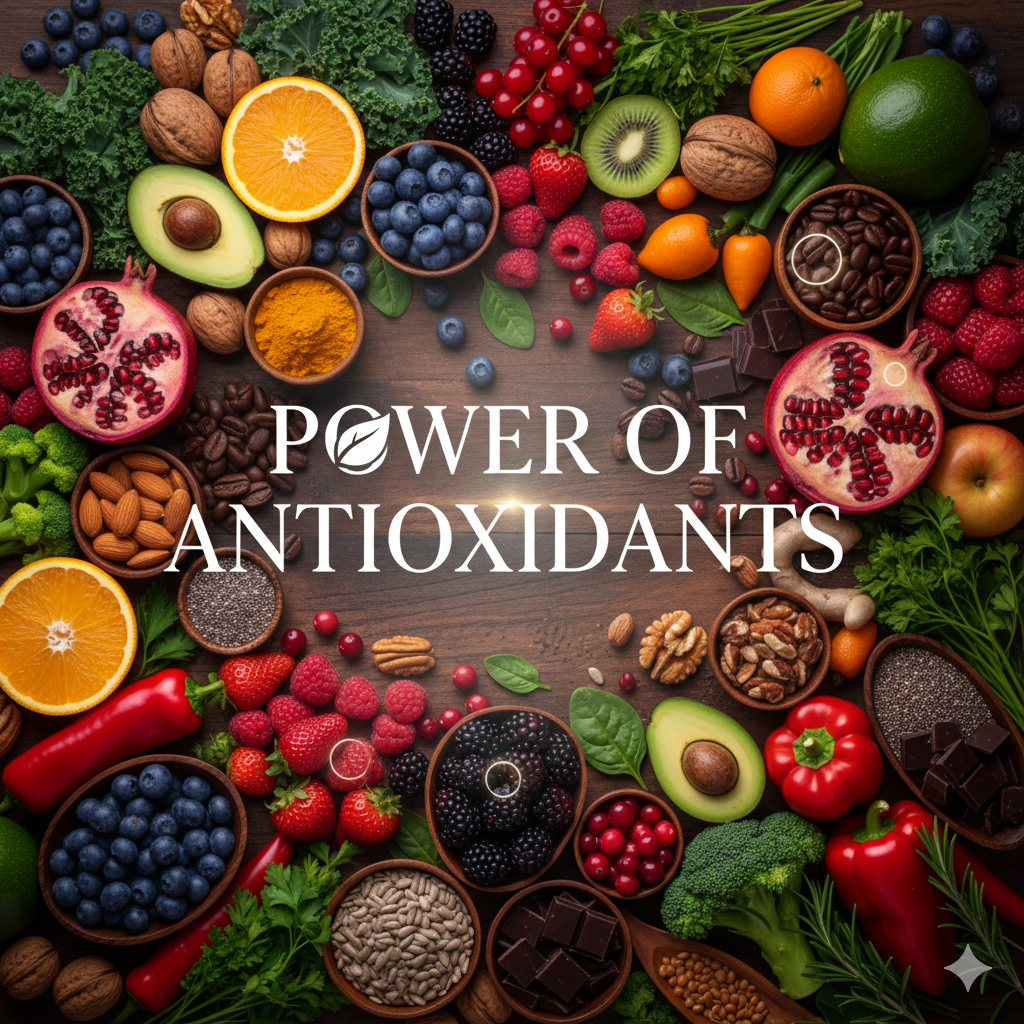
Whole foods should form the foundation of any antioxidant strategy because they deliver synergistic nutrients in physiologically appropriate amounts. The following options are among the best antioxidant foods for athletes:
- Berries (blueberries, blackberries, strawberries): rich in anthocyanins and vitamin C.
- Tart cherry juice or concentrate: commonly used for muscle soreness reduction and sleep-supportive recovery routines.
- Pomegranate: high in polyphenols that may support blood flow and reduce oxidative stress.
- Leafy greens (spinach, kale, arugula): provide carotenoids, vitamin C, and magnesium.
- Cruciferous vegetables (broccoli, Brussels sprouts): contain sulforaphane precursors that support endogenous antioxidant pathways.
- Citrus fruits (oranges, grapefruit): vitamin C plus flavonoids such as hesperidin.
- Nuts and seeds (almonds, sunflower seeds): vitamin E and supportive minerals.
- Extra virgin olive oil: polyphenols with anti-inflammatory characteristics.
- Green tea: catechins that support redox balance and cardiovascular function.
- Colorful vegetables (red peppers, carrots, tomatoes): carotenoids and vitamin C for broad-spectrum coverage.
Supplements can be useful in specific scenarios—limited food access, high training loads, or clinically identified deficiencies—but they should be selected carefully. Common options include vitamin C, vitamin E, omega-3s (not an antioxidant, but often used for inflammation management), and polyphenol concentrates such as tart cherry, curcumin, or grape seed extract. For most athletes, a food-first plan provides superior diversity and reduces the risk of excessive dosing.
Timing, Dosage, and Balancing Antioxidants With Training Adaptation
The most nuanced aspect of antioxidants and recovery is balance. Because oxidative stress is part of the signaling that drives training adaptation, aggressively suppressing it—especially with high-dose supplements—may blunt some endurance and strength gains in certain contexts. This does not mean athletes should avoid antioxidants; it means they should prioritize dietary sources and reserve large supplemental doses for targeted situations.
Practical timing strategies include:
- Daily baseline intake: Aim for a broad range of colors across meals. This supports consistent antioxidant availability without overloading any single pathway.
- Post-workout antioxidants from food: Pair carbohydrate and protein with polyphenol-rich produce (for example, Greek yogurt with berries, or a recovery bowl with spinach, peppers, and citrus dressing).
- Targeted use during heavy blocks: In periods of intensified training, competition congestion, or travel stress, emphasizing antioxidant-rich foods can help control cumulative inflammation and support immune function.
- Caution with megadoses: Avoid routine high-dose vitamin C and E supplementation immediately around key adaptation phases unless advised by a clinician. If supplementation is necessary, choose moderate doses and focus on correcting deficiencies rather than pursuing maximal intake.
Dosage needs vary by body size, training load, and overall diet quality. Rather than chasing a single number, athletes benefit most from consistency: steady fruit and vegetable intake, adequate energy and protein, and intelligent recovery habits such as sleep, hydration, and periodized training.
Antioxidants play a meaningful role in recovery by helping regulate oxidative stress, supporting immune function, and moderating excessive inflammation that can prolong soreness and fatigue. The most effective approach is also the simplest: build meals around antioxidant-rich foods, use supplements selectively, and avoid the false promise of “more is better.” When integrated intelligently, antioxidants for muscle recovery can enhance post-workout resilience while still allowing the body to adapt, strengthen, and perform at a higher level.