
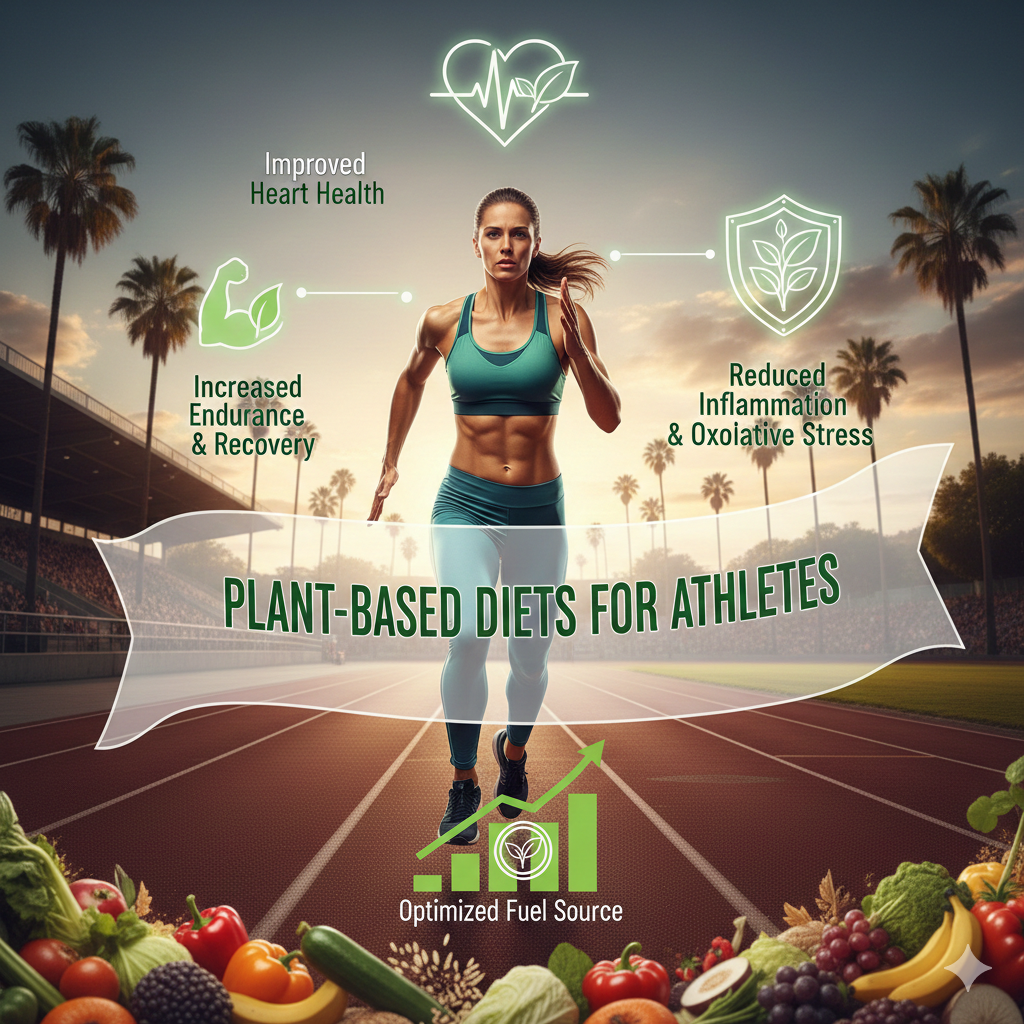
Athletes are increasingly exploring nutrition strategies that enhance training capacity, accelerate recovery, and support long-term health. Among the most compelling approaches is a plant-based diet for athletes—an eating pattern centered on legumes, whole grains, vegetables, fruits, nuts, and seeds, with minimal or no animal products. When planned with precision, plant-forward eating can support demanding workloads, improve body composition, and provide a robust foundation for consistent performance.
Understanding Plant-Based Diets for Athletic Performance
What Is a Plant-Based Diet for Athletes?
In sports contexts, “plant-based” typically describes a dietary pattern that prioritizes whole, minimally processed plant foods while reducing or eliminating animal-derived items. It is not a single rigid template. Some athletes follow a fully vegan approach, while others adopt a predominantly plant-forward strategy with occasional animal products. The unifying theme is nutrient density: complex carbohydrates for training fuel, fiber-rich foods for metabolic health, and a broad spectrum of phytonutrients that can aid recovery.
For athletic performance on a plant-based diet, the goal is not merely to remove animal foods; it is to replace them intelligently. Well-constructed plant-based sports nutrition emphasizes adequate energy intake, sufficient protein distributed throughout the day, and attention to key micronutrients that can be limiting without deliberate planning.
Common Myths About Plant-Based Eating and Sports
Myth 1: Plant-based diets cannot provide enough protein. In reality, vegan athletes can meet high protein needs using legumes, soy foods, whole grains, and targeted supplements when appropriate. The more relevant challenge is consistency and distribution rather than availability.
Myth 2: Plant-based eating is incompatible with strength and power. Strength gains are driven by progressive training, adequate calories, and sufficient protein and leucine-rich sources. Soy products, legumes, and blended plant proteins can support hypertrophy when total intake is matched to training demands.
Myth 3: Plant-based diets cause low energy and poor recovery. Under-fueling causes low energy—regardless of diet style. When carbohydrate intake, total calories, and recovery nutrition are aligned with workload, many athletes report steadier energy, improved digestion, and faster bounce-back between sessions.
Key Performance Benefits of Plant-Based Diets for Athletes
Improved Endurance, Recovery, and Energy Levels
For endurance athletes, plant-based eating often aligns naturally with performance requirements because it is rich in carbohydrates—muscle glycogen’s primary building block. Whole grains, potatoes, fruit, and legumes provide sustained energy, while allowing athletes to scale intake up or down depending on volume and intensity.
Recovery can also benefit from the combination of carbohydrate repletion and micronutrient density. Many plant foods provide potassium, magnesium, and folate, which support neuromuscular function and overall metabolic efficiency. Additionally, high-fiber meals can promote more stable blood glucose patterns across the day, aiding energy management between training blocks.
Crucially, endurance athletes plant-based or not must still address total energy intake. High training loads paired with very high-fiber meals can unintentionally suppress appetite. Strategic use of lower-fiber carbohydrates around key sessions—such as white rice, pasta, or sourdough—can help maintain energy availability without gastrointestinal burden.
Anti-Inflammatory and Antioxidant Advantages for Training
Hard training creates controlled stress: muscle damage, oxidative byproducts, and transient inflammation. A well-designed anti-inflammatory diet for athletes does not aim to eliminate this response, but to support adaptation while reducing unnecessary, chronic inflammatory load.
Plant-based recovery foods tend to be abundant in polyphenols, carotenoids, vitamin C, vitamin E, and other compounds that help maintain cellular resilience. Berries, cherries, leafy greens, turmeric, ginger, cocoa, and extra-virgin olive oil (for those who include it) are frequently highlighted for their antioxidant and anti-inflammatory properties. Over time, this emphasis can support tissue repair, immune robustness during heavy blocks, and overall training continuity—often the decisive factor in performance progression.
Essential Nutrients and Meal Planning for Plant-Based Athletes
Meeting Protein, Iron, and B12 Needs on a Plant-Based Diet
Protein: Adequate protein is achievable, but it requires planning. Athletes benefit from distributing protein across meals and snacks, aiming for a meaningful dose at breakfast, post-workout, and dinner. Effective vegan protein sources for athletes include tofu, tempeh, edamame, lentils, chickpeas, beans, seitan (if tolerated), and fortified soy milk. A blended plant protein powder (such as pea-rice) can be useful when time or appetite is limited, especially after intense sessions.
Iron: Plant foods provide non-heme iron, which can be absorbed well with the right strategies. Lentils, beans, tofu, pumpkin seeds, quinoa, and leafy greens are strong options. Pair iron-rich foods with vitamin C (citrus, bell peppers, berries) to enhance absorption, and avoid taking tea or coffee with iron-heavy meals, as tannins can reduce uptake. Athletes with heavy sweat losses, menstruating athletes, and endurance athletes should consider periodic blood work to ensure iron status remains optimal.
Vitamin B12: B12 is essential for red blood cell formation and neurological function and is not reliably available from unfortified plant foods. Vegan athletes should use a consistent B12 supplement or consume fortified foods with verified amounts. This is non-negotiable for long-term performance and health.
Additional nutrients to monitor: Vitamin D (especially in low-sun seasons), iodine (use iodized salt or a supplement if intake is uncertain), zinc, calcium (fortified plant milks, tofu set with calcium, leafy greens), and omega-3 fats (chia, flax, walnuts; consider algae-based DHA/EPA for consistent intake). These are not obstacles—simply planning points within a plant-based meal plan for athletes.
Sample Plant-Based Meal Ideas for Pre- and Post-Workout Nutrition
Timing and digestibility matter as much as food quality. Pre-workout meals should emphasize carbohydrates, moderate protein, and lower fat and fiber if the session is intense or the athlete is sensitive.
Pre-workout ideas (60–180 minutes before training):
- Oats cooked with fortified soy milk, topped with banana and a drizzle of maple syrup.
- White rice with tofu and a light teriyaki-style sauce; add cooked carrots or zucchini for gentle fiber.
- Smoothie: banana, berries, fortified plant milk, and a scoop of blended plant protein (optional).
- Bagel with jam plus a side of soy yogurt for athletes who tolerate it well.
During long endurance sessions (as needed):
- Sports drink, gels, or chews (many are vegan), plus bananas or dates for whole-food options.
- Rice cakes with a small amount of syrup or jam for a low-fiber carbohydrate source.
Post-workout ideas (within ~1–2 hours):
- Burrito bowl: rice, black beans, grilled peppers, corn, salsa, and guacamole; add tofu or tempeh for extra protein.
- Stir-fry: noodles or rice with edamame, tofu, and mixed vegetables; finish with sesame seeds for micronutrients.
- Recovery smoothie: tart cherry juice, frozen berries, fortified soy milk, spinach, and plant protein powder if needed.
- Chickpea pasta with tomato sauce, mushrooms, and a side salad; finish with fruit for carbohydrate replenishment.
These combinations deliver the core objectives of plant-based sports nutrition: carbohydrate restoration, adequate protein for muscle repair, and micronutrients that support adaptation. Adjust portion sizes to match training load, body size, and performance goals.
Practical Tips for Transitioning to a Plant-Based Diet as an Athlete
How to Safely Switch to a Plant-Based Diet Without Losing Performance
Performance declines during dietary changes usually stem from under-eating, inadequate carbohydrate intake, or insufficient protein distribution—not from plant foods themselves. A gradual approach often works best:
- Start with one anchor meal: Build a reliable plant-based breakfast or post-workout meal that consistently meets your needs.
- Prioritize carbohydrates around training: Use easily digested options near sessions to protect intensity and reduce gastrointestinal stress.
- Plan protein deliberately: Include a high-quality protein source at each meal; rotate tofu, tempeh, legumes, and seitan to maintain variety.
- Track outcomes, not ideology: Monitor energy, sleep, training quality, and body weight trends. If performance dips, increase total calories and carbohydrates first.
- Use fortification and supplementation intelligently: B12 is essential; vitamin D, iodine, and algae-based omega-3s are common additions depending on circumstances.
A well-executed transition can preserve, and often enhance, athletic performance on a plant-based diet by improving dietary consistency and recovery quality.
Common Mistakes to Avoid for Plant-Based Athletes
- Under-fueling due to high fiber: Whole foods are filling. If training volume is high, incorporate energy-dense choices (rice, pasta, dried fruit, nut butter in appropriate amounts) and consider lower-fiber carbs around workouts.
- Relying on ultra-processed substitutes: Some convenience foods are helpful, but a performance-focused plan should be built on minimally processed staples and targeted sports products.
- Inconsistent protein intake: Skipping protein at breakfast or post-workout is a common error. Structure meals so protein appears repeatedly across the day.
- Neglecting iron and B12: Fatigue and poor training adaptation can stem from deficiencies. Use evidence-based supplementation and periodic lab monitoring when indicated.
- Ignoring sodium needs: Athletes—especially in hot climates—may need additional sodium. Plant-based eating can be lower in sodium if primarily whole foods; plan hydration and electrolytes accordingly.
Conclusion
The benefits of plant-based diets for athletes extend well beyond personal preference. With thoughtful planning, plant-forward nutrition can support endurance capacity, training consistency, and recovery through carbohydrate availability, micronutrient density, and anti-inflammatory dietary patterns. Success depends on fundamentals: meeting energy needs, distributing protein appropriately, and managing key nutrients such as iron and vitamin B12. For vegan athletes and those simply moving toward more plant-based eating, a structured approach turns a dietary shift into a competitive advantage—one meal, one training block, and one performance gain at a time.