
Brain health is not a single trait but a dynamic interplay of memory, attention, processing speed, emotional balance, and resilience under stress. Sleep, movement, and nutrition remain the foundation, yet many people explore brain health supplements to fill dietary gaps, support cognitive performance, or maintain mental sharpness with age. The key is discernment: the supplement aisle is crowded with promises, but only a subset of ingredients is supported by credible human research.
This guide reviews the best supplements for brain health, including essential nutrients and widely used nootropic supplements. You will also learn how to evaluate quality, avoid marketing traps, and use these products safely and effectively.
What Are the Best Supplements for Brain Health?
Understanding Brain Health and Cognitive Function
Optimal cognitive function depends on multiple biological systems working in concert. Neurons require stable cell membranes, ample energy production, and efficient communication through neurotransmitters. The brain is also unusually vulnerable to oxidative stress and inflammation because it consumes a disproportionate share of oxygen and nutrients.
As a result, the most useful cognitive enhancement supplements tend to fall into three categories: nutrients that support structural integrity (such as fatty acids), cofactors that drive cellular energy and neurotransmitter synthesis (such as B vitamins), and compounds that modulate stress responses or blood flow (often found among natural nootropics).
How Supplements Support Memory, Focus, and Mood
Supplements are not a substitute for lifestyle; they are better viewed as targeted support. Some ingredients help maintain neuronal membranes and synaptic signaling, which can influence learning and memory. Others support methylation and mitochondrial function—processes essential for mental stamina and concentration. Certain botanicals may also improve perceived focus and stress tolerance by influencing cortisol regulation, cerebral circulation, or neurochemical balance.
For many people, the most realistic outcome is incremental improvement: steadier attention, less “brain fog,” or a more consistent mood. Claims of dramatic cognitive transformation should be treated with skepticism, particularly when they rely on proprietary blends and vague dosages.
Top Evidence-Based Brain Health Supplements
Omega-3 Fatty Acids (Fish Oil & Algal Oil) for Brain Function
Omega-3 for brain function is one of the most researched topics in nutrition science. Docosahexaenoic acid (DHA) is a major structural fat in the brain and retina, while eicosapentaenoic acid (EPA) is often discussed for its role in inflammation modulation and mood support. Diets low in fatty fish may leave some individuals under-supplied, making omega-3 supplementation a practical option.
Evidence suggests omega-3s may be most valuable for people with low baseline intake, those seeking mood support, and individuals focused on long-term brain maintenance. When choosing a product, look for transparent labeling of EPA and DHA amounts (not just “fish oil” total), third-party purity testing, and measures taken to prevent oxidation (such as antioxidants and appropriate packaging). For plant-based diets, algal oil provides DHA (and sometimes EPA) without fish sourcing.
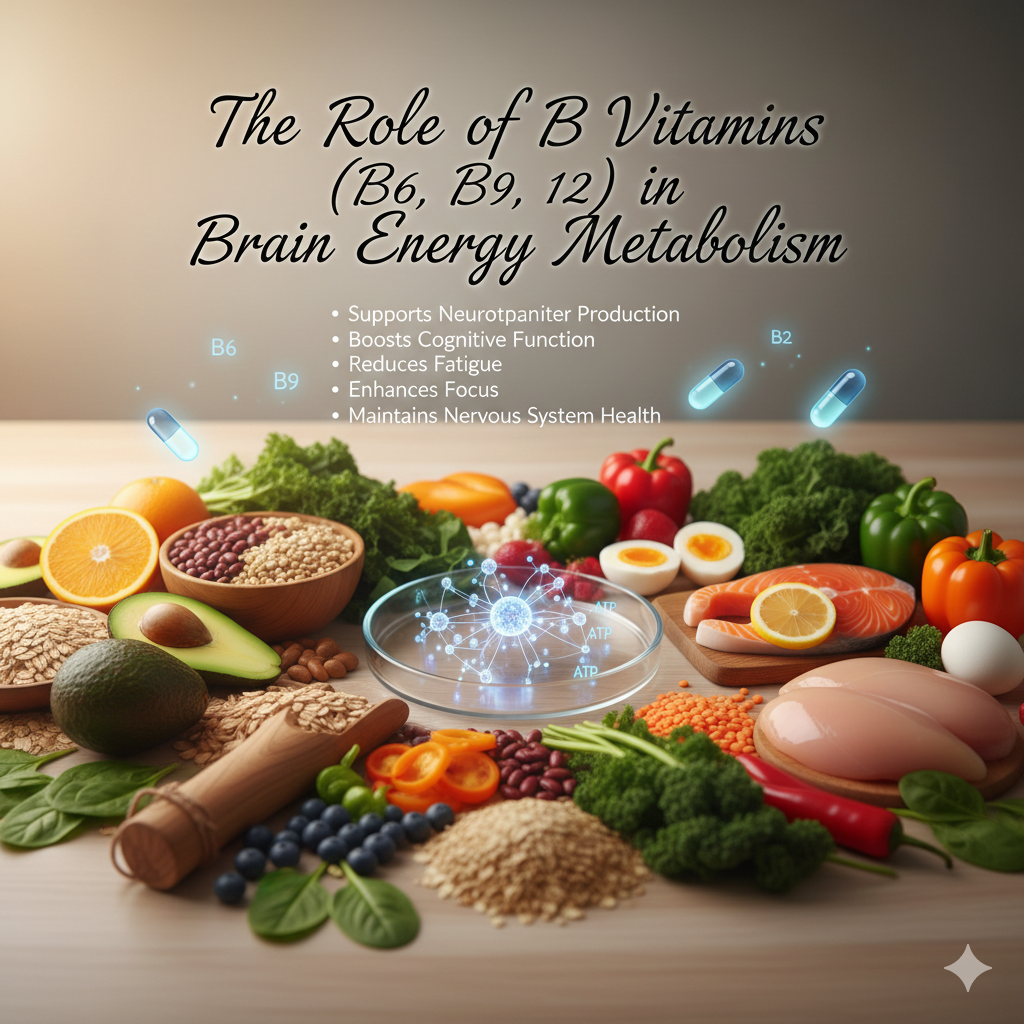
B Vitamins (B6, B9, B12) and Brain Energy Metabolism
B vitamins are fundamental to neurological function because they participate in methylation, red blood cell formation, and neurotransmitter synthesis. Vitamins B6 (pyridoxine), B9 (folate), and B12 (cobalamin) are especially relevant due to their role in homocysteine metabolism—an area studied in relation to brain aging and vascular health.
These vitamins for memory and focus can be particularly important for older adults, individuals with restrictive diets (including vegan patterns that may lack B12), people with certain gastrointestinal conditions, and those taking medications that affect absorption. Choosing methylfolate versus folic acid, or methylcobalamin versus cyanocobalamin, is sometimes discussed; in practice, the most appropriate form depends on individual needs, lab values, and tolerability. If fatigue, tingling, or persistent concentration issues are present, objective testing may be more informative than guessing.
Nootropic Supplements for Focus, Memory, and Mental Clarity
Popular Natural Nootropics: Ginkgo Biloba, Bacopa, Rhodiola
Natural nootropics are often used to support attention, learning, and stress resilience, though results can be variable and typically require consistent use. Three of the most common are:
- Ginkgo biloba: Often studied for cerebral circulation and cognitive performance, particularly in older populations. Product standardization matters; extracts are typically specified for flavone glycosides and terpene lactones. Benefits, when present, are usually subtle and may take time.
- Bacopa monnieri: Traditionally used for memory and learning. Modern research frequently points to improvements in recall or information processing after sustained supplementation for several weeks. Look for standardized bacoside content, as raw herb potency varies.
- Rhodiola rosea: Classified as an adaptogen and commonly used to support perceived stamina under stress. It may be helpful for mental fatigue and workload-related exhaustion, with effects sometimes noticed earlier than memory-focused botanicals.
These supplements for mental clarity can be useful in the right context, but they are not interchangeable. Bacopa tends to be better aligned with memory consolidation, while rhodiola is often chosen for stress-related cognitive drag. Ginkgo is typically positioned as a circulation and cognition support botanical, with the strongest emphasis on age-associated concerns.
Synthetic and Advanced Nootropics: Citicoline, Alpha-GPC, Lion’s Mane
Beyond herbs, several “advanced” options are popular in the brain boosting supplements category. They are frequently used to support focus, mental energy, and neurochemical balance:
- Citicoline (CDP-choline): A choline donor involved in acetylcholine production and phospholipid synthesis. It is also studied for attention and mental performance, and it may be particularly relevant for individuals with low dietary choline intake.
- Alpha-GPC: Another choline source valued for its bioavailability and use in cognitive research. It is often selected for tasks requiring sustained focus, though it can be stimulating for some users.
- Lion’s Mane (Hericium erinaceus): A medicinal mushroom widely discussed for nerve growth factor (NGF)-related pathways and overall cognitive support. While it is commonly grouped with nootropics, it is neither a stimulant nor a quick fix; consistent use and quality sourcing are essential.
When evaluating these nootropic supplements, prioritize transparent dosing and clinically relevant forms. Products that hide quantities behind proprietary blends make it difficult to assess effectiveness or safety. Also note that stacking multiple cholinergic ingredients can increase the likelihood of side effects such as headaches or gastrointestinal discomfort in sensitive individuals.
How to Choose and Safely Use Brain Supplements
How to Pick High-Quality Brain Supplements and Avoid Scams
The supplement market rewards marketing more than rigor, so quality control is decisive. To identify reliable brain health supplements, apply a strict checklist:
- Third-party testing: Look for independent verification for identity, potency, and contaminants (e.g., heavy metals in omega-3 products).
- Standardization and clear labeling: Botanicals should list standardized active compounds when applicable, not only raw milligrams of powder.
- Evidence-aligned dosing: The label should match amounts commonly used in human studies, rather than token “sprinkles” for label appeal.
- Avoid proprietary blends: They often obscure under-dosing and complicate safety evaluation.
- Realistic claims: Be wary of promises to “cure” dementia, replace medications, or deliver instant photographic memory. Those claims are not credible and may signal poor oversight.
It is also wise to consider freshness and stability. Oils can oxidize, and botanicals can degrade. Reputable brands provide lot numbers, expiration dates, and appropriate packaging (such as dark glass for light-sensitive ingredients).
Dosage, Safety, Side Effects, and When to Talk to Your Doctor
Even the best supplements for brain health can cause problems when misused, combined carelessly, or taken alongside incompatible medications. Start with one supplement at a time, use the lowest effective dose, and give it sufficient time to assess impact—particularly with botanicals like bacopa that may require weeks of consistent use.
Key safety considerations include:
- Medication interactions: Ginkgo may increase bleeding risk when combined with anticoagulants or antiplatelet drugs. Some adaptogens can affect blood pressure or interact with psychiatric medications.
- Medical conditions and pregnancy: Individuals who are pregnant, breastfeeding, managing chronic illness, or preparing for surgery should consult a clinician before use.
- Side effects and tolerability: Choline donors (citicoline, Alpha-GPC) may cause headache, restlessness, or digestive upset in some people. Bacopa can be calming but may cause gastrointestinal discomfort. Omega-3s may cause reflux or fishy aftertaste, which can often be reduced by taking them with meals or choosing enteric-coated options.
- Overlapping stacks: Combining multiple stimulatory or cholinergic ingredients can increase adverse effects without improving outcomes.
If cognitive symptoms are new, progressive, or disruptive—such as worsening memory, confusion, changes in mood, or impaired daily functioning—supplements should not be the first response. A medical evaluation is essential to rule out thyroid dysfunction, nutrient deficiencies, sleep disorders, medication side effects, depression, or other treatable causes.
Conclusion
Choosing effective supplements for mental clarity requires a balance of scientific literacy and practical caution. Omega-3 fatty acids and key B vitamins offer foundational support for many individuals, particularly when dietary intake is insufficient. Carefully selected nootropics—ranging from ginkgo and bacopa to citicoline, Alpha-GPC, and Lion’s Mane—may provide additional, targeted benefits for focus, memory, or stress-related cognitive fatigue.
The most reliable path to cognitive support is a disciplined approach: prioritize quality, avoid exaggerated claims, introduce products methodically, and seek clinical guidance when symptoms or medications complicate the picture. Used thoughtfully, evidence-informed cognitive enhancement supplements can complement a brain-healthy lifestyle and support performance over the long term.