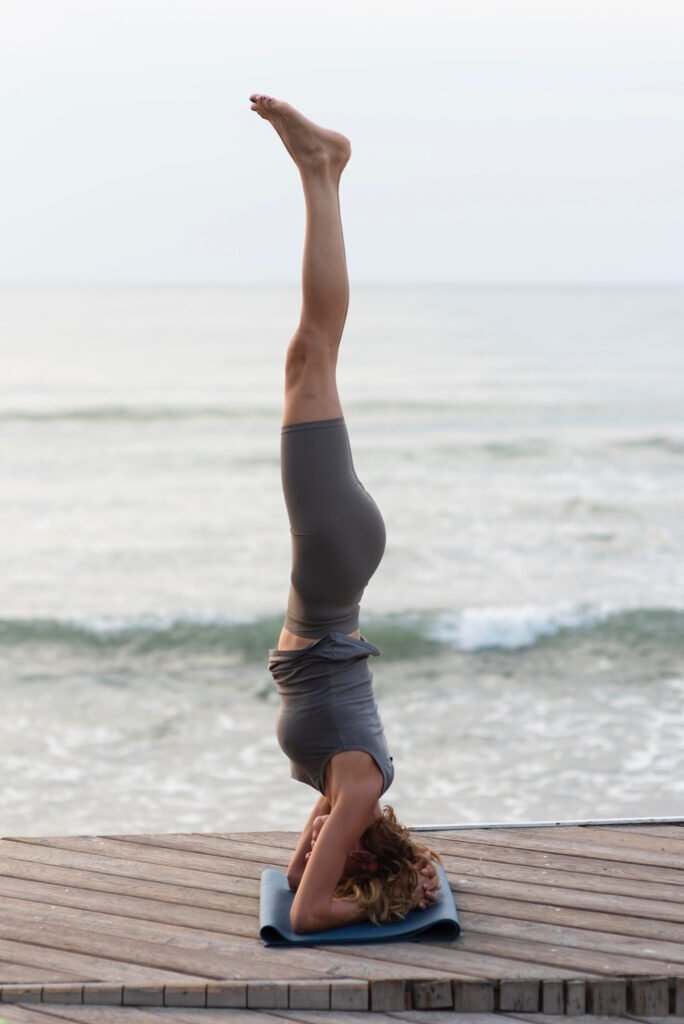
Flexibility is not a vanity metric or a party trick. It is a practical capacity that influences posture, joint health, gait efficiency, and even how comfortably you sit at a desk. When practiced with patience and precision, yoga for flexibility can restore lost range of motion, reduce the sensation of stiffness, and teach your nervous system to allow movement rather than resist it. This guide explains how flexible yoga works, how to prepare safely, and which flexibility yoga poses and routines deliver the most reliable results.
Understanding Yoga for Flexibility
What Is Flexibility and Why It Matters
Flexibility is the ability of muscles and connective tissues to lengthen sufficiently to allow joints to move through a healthy range. It is shaped by tissue properties (muscle, fascia, tendons), joint structure, hydration, previous injuries, and—often underestimated—nervous system tolerance. Many people are not truly “short” in the muscles; they are guarded. The brain senses threat and limits motion through tension and discomfort.
Improved flexibility supports cleaner movement mechanics, helps distribute loads more evenly across joints, and can reduce compensations that contribute to low back discomfort or hip irritation. While flexibility alone does not prevent injury, appropriate range of motion and strength together create resilient movement—especially for runners, strength athletes, and anyone who sits for long periods.
How Yoga Improves Flexibility Safely
Yoga improves flexibility by combining sustained, mindful stretches with breathing and muscular engagement. Longer holds encourage tissue adaptation over time, while controlled contractions (active stretching) teach the body to “own” new ranges of motion. This matters because passive flexibility without strength can feel unstable.
Equally important, yoga trains interoception—your ability to sense internal signals. By learning to distinguish productive intensity from sharp pain, you can progress without forcing. The most effective yoga stretches for flexibility are not the most dramatic; they are the ones you can repeat consistently with good alignment.
Preparing Your Body for Flexible Yoga Practice
Warm-Up Routines Before Stretching
Cold stretching is rarely the fastest path to progress. A brief warm-up increases circulation, improves tissue elasticity, and reduces the impulse to strain. Aim for 5–10 minutes, especially if you plan deeper hip or hamstring work.
- Breath-led Cat–Cow (1–2 minutes): Mobilizes the spine and coordinates breath with movement.
- Dynamic Low Lunge Rocks (1 minute per side): Gently opens hip flexors and prepares the pelvis for deeper ranges.
- Down Dog Pedal (1–2 minutes): Alternating heel dips warm the calves and gradually introduces hamstring length.
- Standing Half Sun Salutations (2–3 minutes): Increases heat, wakes up the posterior chain, and primes the shoulders.
If you are specifically pursuing yoga for tight hamstrings, include slow hinge patterns (Half Lift to Forward Fold with bent knees) to encourage length without tugging at the sit bones. For yoga for stiff hips, incorporate gentle external rotation movements (Figure Four variations) before long holds.
Safety Tips, Contraindications, and Common Mistakes
Flexibility training is effective only when it is sustainable. Use these principles to reduce setbacks:
- Respect joint architecture: Some “limits” are bony, not muscular. Do not force end ranges in hips or spine.
- Avoid pain signals: Sharp, electrical, or pinching sensations are not useful intensity. Back out and modify.
- Stabilize before you deepen: Engage surrounding musculature—especially around knees, hips, and shoulders—to protect joints.
- Do not overstretch ligaments: Hypermobile practitioners should prioritize strength and control over maximal range.
- Watch the lower back in forward folds: Many people chase hamstring length by rounding the spine. Instead, bend knees and hinge from hips.
Contraindications vary. If you are managing acute disc symptoms, recent surgery, severe osteoporosis, or significant joint instability, practice under qualified guidance. Pregnancy and postpartum phases also warrant tailored alignment and load management.
Best Yoga Poses for Flexibility
Top Yoga Poses for Tight Hips, Hamstrings, and Back
The best yoga poses for flexibility are those that target common restriction zones while encouraging safe alignment. Use props to maintain integrity; progression should feel deliberate, not aggressive.
For Tight Hamstrings
- Supta Padangusthasana (Reclined Hand-to-Big-Toe Pose): Use a strap and keep the opposite leg bent if the pelvis tilts. This is a foundational choice for beginner yoga for flexibility because it minimizes spinal compensation.
- Ardha Hanumanasana (Half Splits): Place hands on blocks and keep a micro-bend in the front knee. Prioritize a long spine over depth.
- Uttanasana (Standing Forward Fold), knees bent: Let the belly meet thighs; then gradually straighten legs while maintaining the hinge.
For Stiff Hips
- Anjaneyasana (Low Lunge): Posteriorly tilt the pelvis slightly to target hip flexors without compressing the lower back.
- Eka Pada Rajakapotasana prep (Pigeon Pose): Support the hip with a block or folded blanket to avoid twisting through the pelvis.
- Baddha Konasana (Bound Angle): Sit on a folded blanket to keep the spine tall and reduce strain in the groin.
For the Back and Spine
- Child’s Pose: A gentle reset that lengthens the lower back; widen knees for more space in the hips.
- Thread-the-Needle: Releases posterior shoulder and upper back tension that often contributes to rounded posture.
- Supported Bridge (Setu Bandha Sarvangasana with a block): Opens the front body without forcing lumbar extension.
Beginner to Advanced Flexibility Sequences
Sequences work best when they progress from heat to mobility to longer holds. Below are structured options you can repeat weekly and refine.
Beginner Sequence (15–20 minutes)
- Cat–Cow (8–10 breaths)
- Downward-Facing Dog (5–8 breaths)
- Low Lunge (6–8 breaths each side)
- Half Splits (6–8 breaths each side)
- Figure Four on Back (8–10 breaths each side)
- Seated Forward Fold with strap, knees soft (8–10 breaths)
- Supine Twist (6–8 breaths each side)
This yoga routine for flexibility emphasizes safe hamstring and hip opening with minimal spinal strain, making it suitable for most bodies, including those who feel persistently tight.
Intermediate Sequence (25–35 minutes)
- Half Sun Salutations (3 rounds)
- Warrior II → Extended Side Angle (5 breaths each)
- Low Lunge → Lizard (8 breaths each side, use blocks)
- Pigeon Pose (10–12 breaths each side)
- Pyramid Pose (8 breaths each side)
- Bridge Pose (2 rounds of 6–8 breaths)
- Happy Baby (8–10 breaths)
Focus on steady breathing and muscular engagement, particularly in Lizard and Pyramid, where it is easy to collapse into joints. The goal is controlled expansion, not passive dumping.
Advanced Sequence (35–50 minutes)
- Sun Salutation A (4–6 rounds)
- Standing Split prep (5 breaths each side, square hips)
- Skandasana side-to-side (6 slow transitions)
- Front Split prep (Hanumanasana variations) with blocks (8–12 breaths each side)
- King Pigeon prep (strap encouraged, 6–8 breaths)
- Wheel or Supported Backbend (1–2 rounds as appropriate)
- Reclined Hamstring Stretch (8 breaths each side)
Advanced work should feel methodical. If you cannot maintain calm breathing or pelvic control, treat the pose as a diagnostic: stay where you can stabilize, then gradually deepen over weeks.
Tips, Tricks, and Routines to Increase Flexibility with Yoga
Daily Yoga Flexibility Routine and Progress Tracking
Consistency outruns intensity. A focused daily practice—10 to 15 minutes—can meaningfully increase flexibility with yoga, especially when paired with smart tracking.
10–12 Minute Daily Routine
- Breath + Cat–Cow (1 minute)
- Down Dog Pedal (1 minute)
- Low Lunge (1 minute each side)
- Half Splits (1 minute each side)
- Figure Four (1 minute each side)
- Supported Forward Fold (1–2 minutes)
For yoga for tight hamstrings, maintain a slight knee bend and aim for a clean hip hinge. For yoga for stiff hips, extend the Figure Four hold and reduce forward-fold duration.
Progress Tracking That Actually Helps
- Use repeatable benchmarks: For example, measure fingertip-to-floor distance in a bent-knee forward fold, or note hip comfort in Pigeon with the same prop setup.
- Track sensation quality, not only depth: Reduced pinching, easier breathing, and less post-practice soreness signal meaningful progress.
- Log frequency: Flexibility responds to regular exposure. Note how many days per week you practiced rather than chasing dramatic milestones.
If progress stalls, rotate emphasis: spend two weeks prioritizing hip flexors and calves, then two weeks prioritizing hamstrings and adductors. Many limitations are interconnected along fascial lines, and variety restores momentum.
Props, Modifications, and Recovery Strategies
Props are not shortcuts; they are precision tools that allow you to access the correct tissues without compensation. They also make beginner yoga for flexibility safer and more effective.
Essential Props and How to Use Them
- Strap: Enables hamstring work without rounding the spine in reclined stretches and seated folds.
- Blocks: Bring the floor closer in lunges, Half Splits, and forward folds, reducing strain and improving alignment.
- Blanket: Elevates hips in seated poses, helping the pelvis tilt forward comfortably.
- Bolster: Supports restorative holds (e.g., supported forward fold or reclined bound angle) to encourage nervous system downregulation.
Smart Modifications for Common Problem Areas
- Knee discomfort in hip openers: Reduce external rotation, support under hips, and avoid forcing Pigeon depth.
- Lower-back sensitivity in forward folds: Bend knees, use blocks, and prioritize length through the spine.
- Shoulder tightness in Down Dog: Slightly bend elbows, widen hands, and focus on moving the chest back rather than pushing the head down.
Recovery Strategies That Improve Flexibility
- Alternate strong and soft days: Two to four deeper sessions per week paired with lighter mobility days often outperforms daily maximal stretching.
- Use breath to reduce guarding: Longer exhales can lower muscular tone and make yoga stretches for flexibility more accessible.
- Hydrate and sleep: Tissue adaptability is influenced by systemic recovery. Poor sleep frequently shows up as stiffness.
- Add gentle strength: Active ranges—such as controlled leg lifts in a reclined strap stretch—build stability and reduce rebound tightness.
Flexibility is a skill developed through informed repetition, not force. When you approach yoga for flexibility with a warm body, clear alignment, and realistic timelines, the practice becomes both safer and more transformative. Choose a handful of dependable poses, apply intelligent modifications, and track progress through comfort and control rather than depth alone. Over time, the most tangible reward is not an extreme shape; it is the ease of moving through ordinary life with fewer restrictions and greater confidence.